Shop on Lazada
AHC products
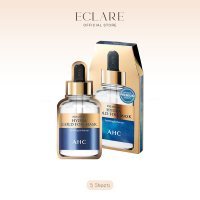
AHC Premium Sheet Mask Advanced 5pcs - Hydra Gold Foil Mask Hydra Soother Cellulose/Propolis/Rose Gold/Amino Acid Mask
$17.54$30.00
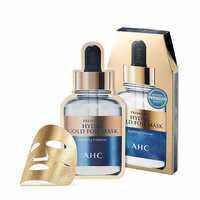
AHC | 💯 Authentic Face Mask 5pcs-Hydra SmootherBrighteningSkin FitAmico AcidHydra Gold Foil MaskCellulosePropolise
$16.46$25.00
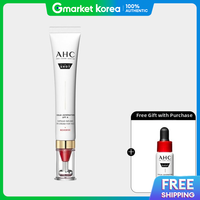
AHC | Pro Shot Colla-Juvination Lift 4 Capsule-Infused Eye Cream 30ml + Gift Serum 5ml + Sachet x 5
$30.80$90.60
![[AHC] Natural Perfection Double Shield Sun Stick SPF50+ PA++++](https://my-live-01.slatic.net/p/60792b4d929662c9b3edd1e5d1dd9bfe.png_200x200q80.jpg)
[AHC] Natural Perfection Double Shield Sun Stick SPF50+ PA++++
$13.56$14.00
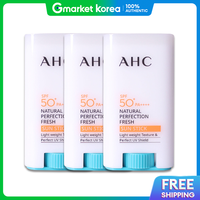
AHC | Ahc Natural Perfection Fresh Sun Stick 17g 3-Pack Spf50+ / Pa++++ Waterproof
$26.90$79.13
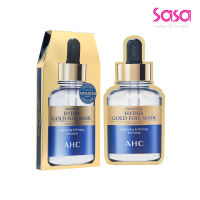
A.H.C Premium Hydra Gold Foil Mask (25g x 5ps) (expire on 31 Aug 2027)
$23.99$51.00
AHC | AHC Proshot Gluta Activation Bright 3 Eye Cream 30ml + (Gift) Serum 5ml
$28.84$84.84
AHC | Premium Hydra Soothe Skin Fit Mask 15 Sheets (5 Sheets + 5 Sheets + 5 Sheets)
$35.85$105.45
About AHC
AHC is a South Korean skincare brand recognised for integrating professional aesthetic and dermatological skincare concepts into products designed for daily home use. The name officially stands for “Aesthetic Hydration Cosmetics”, reflecting the brand’s origins in aesthetic clinics and its enduring focus on hydration.1 Established in Seoul in 1999 as a professional line for private spas and dermatological clinics, AHC subsequently expanded into the mass consumer market, gaining prominence for anti-aging, hydration, eye care and aesthetic-inspired formulations.2 Today, AHC operates under Carver Korea, which is majority-owned by Unilever following a 98% stake acquisition in 2017 valued at approximately €2.284 billion.3 As of Unilever’s 2025 annual report, Carver Korea remains a majority-owned subsidiary within the group’s global portfolio.
Basic information
| Item | Information |
|---|---|
| Brand | AHC |
| Full name | Aesthetic Hydration Cosmetics |
| Country of origin | South Korea |
| Founded | 1999 |
| Origin | Seoul |
| Industry | Cosmetics / skincare |
| Core category | Professional-inspired skincare |
| Major positioning | Aesthetic skincare, hydration, anti-aging |
| Parent company | Carver Korea |
| Majority owner | Unilever |
| Main markets | South Korea and international markets |
| Official website | AHC Beauty |
The designation “AHC” is not merely a marketing acronym; the company explicitly defines it as Aesthetic Hydration Cosmetics, linking its aesthetic-clinic heritage with a hydration-centred skincare philosophy.4
History
Foundation and professional origins
AHC traces its origins to 1999 in Seoul, South Korea, where it began within the professional aesthetic environment, specifically serving private aesthetic spas and dermatological clinics. Rather than launching as a conventional mass-market cosmetics brand, AHC’s early identity was built upon the knowledge and techniques of esthetic professionals. Working directly with clients allowed the brand to accumulate practical insights into various skin concerns, which were subsequently translated into skincare formulations.
Expansion beyond professional channels
As consumer interest grew regarding products used by professional aestheticians, AHC made its offerings more accessible to the general public. This transition established the brand’s core proposition: bringing professional aesthetic skincare concepts into an accessible at-home routine. The company describes this evolution as a shift from a strictly professional skincare line towards high-quality products designed for wider consumer use.5
Growth and Unilever acquisition
During the global expansion of K-beauty in the 2010s, AHC emerged as one of the more internationally visible Korean skincare brands, achieving significant growth in China and other Asian markets. Notably, during China’s Singles’ Day shopping festival in 2017, AHC was reported as the best-selling South Korean cosmetics brand on Tmall, with sales on the platform increasing 140% year-on-year that day.6
In 2017, Unilever acquired 98% of Carver Korea, the parent company of AHC, in a transaction valued at approximately €2.284 billion. This acquisition occurred after a period of rapid growth for Carver Korea, whose sales had increased from ₩156.5 billion in 2015 to ₩429.5 billion in 2016. Following the acquisition, Unilever expanded AHC into additional international markets, including Taiwan, Hong Kong, Singapore, Malaysia and Russia. The brand has since developed regional websites and product assortments tailored to numerous Asian and Western markets.
Brand meaning and philosophy
Aesthetic Hydration Cosmetics
The three components of the AHC name summarise the brand’s identity:7
- Aesthetic: Derived from professional aesthetic and skincare practices.
- Hydration: Maintaining and improving skin moisture is a recurring theme across the product portfolio.
- Cosmetics: Translating professional skincare concepts into consumer products.
Professional skin improvement
AHC positions itself as a professional and derma-aesthetic brand that combines skincare science with knowledge derived from aesthetic specialists. Its stated objective is to deliver both immediate and longer-term improvements to the appearance and condition of the skin.8 This distinguishes AHC from purely ingredient-focused Korean skincare brands. Its conceptual approach integrates aesthetic expertise, skincare science, formulation and application technique, rather than relying solely on single hero ingredients to address specific skin problems.
AestheBalance™
A central proprietary concept for the brand is AESTHEBALANCE™, which posits that effective skincare results from balancing three elements: advanced skincare science, thoughtful formulation and optimised application.9 Recognising that individuals have different skin types, lifestyles and environments, AHC does not position skincare as simply finding one universally effective ingredient. Consequently, the brand publishes beauty rituals and application techniques inspired by professional aestheticians, aiming to replicate aspects of the aesthetic treatment experience at home.10
Market positioning
AHC occupies a distinct space between functional skincare, derma-cosmeceuticals and aesthetic skincare. Its primary selling proposition is professional aesthetic skincare made accessible for everyday consumers. The company describes its products as high-quality yet easy to use, while retaining the expertise associated with Korean aesthetic specialists.11 This positioning is reflected in marketing communications that frequently reference concepts such as professional care, derma science, clinical testing, anti-aging, hydration and skin improvement.
Within the broader K-beauty landscape, AHC differs from other major brands through its specific focus:
| Brand | Core identity | AHC’s difference |
|---|---|---|
| AHC | Aesthetic / anti-aging / hydration | Professional aesthetic heritage |
| Laneige | Hydration | More lifestyle/premium hydration-oriented |
| Sulwhasoo | Luxury / traditional Korean herbal philosophy | More luxury and heritage focused |
| COSRX | Ingredients / skin concerns | More minimalist, ingredient-led identity |
| Dr. Jart+ | Derma-inspired skincare | More dermatological/clinical branding |
| The Face Shop | Mass K-beauty / botanical | More accessible natural/botanical positioning |
| Innisfree | Nature / Jeju | Strong natural-island identity |
Unlike brands centred on natural sources or specific ingredients, AHC’s narrative begins with the aesthetic professional. While it maintains a clinic-inspired identity, it is not positioned exclusively as a medical brand; products are designed for purchase and use by ordinary consumers at home.
Product portfolio
AHC has developed a broad skincare portfolio encompassing several key categories:
- Cleansers: Products designed to remove impurities and prepare the skin for subsequent steps.
- Toners and essences: Formulations used to hydrate and prime the skin before treatment products.
- Serums and ampoules: Concentrated treatments targeting concerns such as hydration, firmness, brightness and signs of aging.
- Moisturisers: Creams and emulsions intended to hydrate and support the skin’s moisture barrier.
- Masks: Sheet and treatment masks targeting hydration, nourishment and calming.
- Eye care: One of AHC’s most recognisable categories.
- Sunscreen: Sun-care products designed for everyday UV protection.
- Base makeup: Available in select markets, though skincare remains the core identity.12
Eye Cream for Face
The product concept most strongly associated with AHC is “Eye Cream for Face”. This approach involves using a concentrated eye cream formula across the entire face. AHC argues that because eye creams traditionally contain concentrated skincare ingredients and sophisticated delivery technology, extending this concept beyond the eye area offers broader benefits.13 This line has become a signature franchise for the brand. Formulations often highlight Microsome Technology, described as a method for stabilising active ingredients in microcapsules to facilitate absorption into the skin.14
Aqualuronic
The Aqualuronic franchise focuses primarily on hydration, utilising Triple Hyaluronic Acid composed of varying molecular weights. This combination is intended to provide hydration at multiple levels while helping maintain the skin’s moisture balance.15 The range includes cleansers, toners, emulsions, serums, creams and masks. In markets such as the UK, Aqualuronic features prominently alongside the Eye Cream for Face line, reinforcing a positioning centred on hydration, moisture barrier support and plump-looking skin.
Key technologies and ingredients
AHC employs a mixture of established skincare ingredients and proprietary formulation concepts:
- Hyaluronic acid: A central technical theme throughout the brand’s history, culminating in the Triple Hyaluronic Acid concept.
- Peptides: Used in anti-aging and firming products, with official materials describing peptide complexes designed to support firmer-looking skin.16
- Panthenol (Pro-vitamin B5): Featured in hydration-focused products for its moisturising and soothing properties.17
- Ceramides: Present in hydration and barrier-support products, including the Aqualuronic range.18
- Cica (Centella asiatica): Used in soothing and calming skincare, with brand materials referencing a proprietary “Triple Cica” processing concept.19
- Microsome Technology: Associated particularly with the Eye Cream for Face concept to help stabilise and deliver active ingredients.
Anti-aging and market claims
Anti-aging has historically been one of AHC’s strongest positioning areas. Upon acquiring Carver Korea, Unilever described AHC as a brand associated with age management, hydration and nourishment. Current brand materials continue to emphasise professional anti-aging solutions, noting the development of aesthetic solutions for various skin concerns since 1999.20 This renders AHC more treatment-oriented than brands focused solely on basic cleansing or natural cosmetics.
In certain markets, AHC markets itself as “Korea’s No.1 aesthetic skincare brand” and Korea’s No.1 anti-aging brand. These statements are specific marketing claims based on market research rather than universal objective rankings. The anti-aging claim is attributed to Kantar Worldpanel purchasing research covering Korean women aged 15–65 during specified periods between 2016 and 2023.21 Therefore, it is accurate to state that AHC describes itself as a leading anti-aging or aesthetic skincare brand based on specified consumer-purchase research.
Corporate structure and global presence
AHC is the consumer-facing skincare brand operated by Carver Korea, the South Korean cosmetics company behind it. Carver Korea is, in turn, majority-owned by Unilever, which acquired a 98% stake in 2017. Unilever’s 2025 annual report lists CARVERKOREA Co., Limited as a majority-owned subsidiary with ownership reported at approximately 97.47%.22 Consequently, AHC is accurately described as a South Korean skincare brand operated through Carver Korea, a majority-owned Unilever company.
Internationally, AHC’s expansion has been concentrated in Asia, though it is also available in Western markets. Following the Unilever acquisition, the brand was rolled out to Taiwan, Hong Kong, Singapore, Malaysia and Russia.23 Its current footprint includes China, the Philippines, Thailand, Australia, the United Kingdom and other international markets, supported by regional websites demonstrating continued presence across these territories.
Factors in brand success
Several factors contribute to AHC’s market position:
- Professional heritage: Origins in aesthetic clinics provided a credible story differentiating it from ordinary mass-market cosmetics.
- Hero products: Concepts like Eye Cream for Face created memorable and highly marketable anchors.
- Broad relevance: Hydration and anti-aging are concerns relevant across diverse age groups and markets.
- K-beauty momentum: International growth coincided with the worldwide popularity of Korean beauty.
- Accessible premium positioning: Professional-inspired skincare was made less exclusive and more attainable for ordinary consumers.
- E-commerce strength: Strong online performance in China and other Asian markets served as a growth engine.
- Global infrastructure: The Unilever acquisition provided access to extensive resources and international distribution networks.
Strengths and limitations
From a branding perspective, AHC’s strengths include its clear 1999 Seoul aesthetic-spa heritage, distinctive professional positioning, communicative brand name, recognisable hero products, strong hydration credentials via Aqualuronic, historical anti-aging expertise, international distribution support from Unilever, a broad portfolio and its beneficial Korean origin in the global K-beauty market.
However, a balanced overview must note certain limitations. Marketing terms such as “clinical”, “professional” and “advanced technology” are common in modern skincare; consumers should evaluate specific formulations and evidence for each product rather than assuming the brand equates to medical-grade skincare. Product formulas vary considerably across the range, and “professional” positioning does not imply medical treatment. Additionally, regional portfolios differ, meaning product availability, packaging and naming may vary between countries.
Recognisable franchises
A simplified map of the brand’s key franchises includes:
- Eye Cream for Face: Signature anti-aging and concentrated skincare concept.
- Aqualuronic: Hydration-focused line.
- Hydration / B5 products: Moisture and skin comfort.
- Cica / calming products: Soothing and barrier-oriented care.
- Anti-aging ranges: Firmness, wrinkles and mature-skin concerns.
- Sun care: UV protection.
- Masks: Targeted intensive care.
The exact portfolio evolves over time and varies by market, with current international sites displaying different regional assortments.
Summary
AHC (Aesthetic Hydration Cosmetics) is a South Korean skincare brand founded in Seoul in 1999, originally developed for professional aesthetic and dermatological channels before expanding into consumer skincare with a focus on aesthetic-inspired anti-aging, hydration and skin improvement; the brand is operated through Carver Korea, which is majority-owned by Unilever. It is best understood as a professional-aesthetic skincare brand that successfully transitioned from the clinic and spa channel into global consumer beauty. Its strongest conceptual assets remain aesthetic expertise, hydration, anti-aging, professional-inspired application techniques and recognisable hero products. From a marketing perspective, its most famous innovation is the concept of applying an eye-cream-style concentrated formula across the entire face. Ultimately, AHC’s core identity lies in democratising professional aesthetic skincare, taking ideas developed in Korea’s professional beauty environment and packaging them into products for home use.
References
- FAQ– AHC Philippines
- Frequently Asked Questions – AHC Beauty UK
- 유니레버_AHC 채용
- BRAND STORY– AHC Philippines
- The Story Behind AHC Beauty – AHC Beauty UK
- AHC most sold S. Korean cosmetic brand during China’s shopping festival | Yonhap News Agency
- Brand Story – AHC Beauty
- AESTHEBALANCE– AHC Philippines
- BEAUTY RITUALS– AHC Philippines
- AHC Philippines – NO.1 Aesthetic skin care brand
- Our Favourite Korean Skincare Products – AHC Beauty UK
- Essential Real Eye Cream For Face – AHC Beauty UK
- All Products – AHC Beauty UK
- AHC Hong Kong
- All AHC Products Ranked by User Reviews
- 에스테틱의 기초 선언, A.H.C 오리지널 라인 출시 – 뉴스와이어
- AHC
- 品牌故事 – AHC Taiwan
- Korean Skincare Products I AHC Beauty UK
- AHC Luminous Glow Eye Cream for Face 30ml – AHC Thailand
- 奇蹟膠原抗紋緊緻全臉眼霜 – AHC Taiwan
- AHC_百度百科
- AHC:基本信息,品牌文化,旗下品牌,明星產品,新品上市,其他產品,進入中國,新聞_中文百科全書