Shop on Lazada
Byredo products
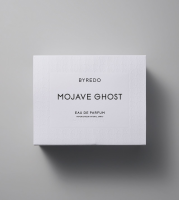
Byredo Mojave Ghost Eau de parfum Unisex 50ml
$135.00$250.00
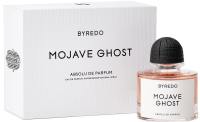
Byredo Mojave Ghost Absolu de Parfum Unisex 100ml
$270.00$495.00
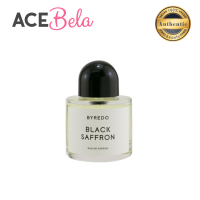
(Unboxed) Byredo Black Saffron EDP 100ml Tester (100% Authentic)
$214.51$360.00
![Byredo Blanche EDP for Unisex (100ml) [Brand New 100% Authentic Perfume FragranceCart] Eau de Parfum Women Men White](https://sg-live.slatic.net/p/3733e1aa0ef0ef26a62a57830a0eaa9d.jpg_200x200q80.jpg)
Byredo Blanche EDP for Unisex (100ml) [Brand New 100% Authentic Perfume FragranceCart] Eau de Parfum Women Men White
$324.00$425.00
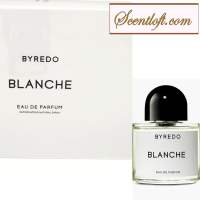
BYREDO Blanche EDP 100ml BNIB
$324.00$414.00
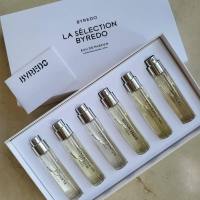
Byredo La Selection Perfume Gift Set Eau de Parfum for Unisex 6x12ml
$90.00$385.00
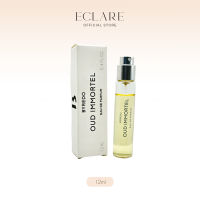
Byredo Tester Perfume 2ml/8ml/12ml
$47.04$60.00
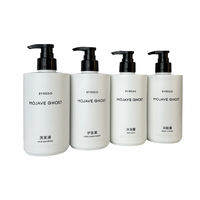
Shampoo Conditioner Body Wash Moisturizer 450ml
$116.38$187.96
About Byredo
Byredo is a Swedish luxury fragrance, beauty and lifestyle house founded in Stockholm in 2006 by Ben Gorham. The brand is distinguished by its approach of translating memories, emotions, cultural references and personal experiences into fragrances and other sensory objects. Its aesthetic merges Scandinavian minimalism with contemporary art and expressive storytelling, establishing it as one of the most recognisable modern niche-luxury brands 1.
Byredo is currently majority-owned by the Spanish luxury group Puig, which acquired a controlling stake in 2022 2.
Basic information
| Brand | Byredo |
| Founded | 2006 |
| Founder | Ben Gorham |
| Founded in | Stockholm, Sweden |
| Industry | Luxury goods, fragrance, beauty, lifestyle |
| Parent company | Puig |
| Positioning | Modern / niche luxury |
| Main categories | Fragrance, makeup, body care, home, accessories |
| Geographic presence | 40+ countries |
| Known for | Artistic fragrances, minimalist design, storytelling |
Byredo describes itself as a multidisciplinary brand spanning fragrance, makeup, home products and crafted accessories 2.
The founder: Ben Gorham
Ben Gorham is the Swedish-Canadian founder of Byredo. Unlike many traditional luxury perfume houses, Gorham did not originate from the conventional French perfumery establishment. His background and interest in art, design, culture and personal experience strongly influenced the way Byredo was built.
The central idea was relatively unconventional for luxury fragrance: a fragrance could function like a memory. Instead of beginning with traditional perfume concepts such as a particular flower, historical era or aristocratic image, Byredo frequently begins with an emotion, memory, place, person, cultural reference or abstract idea, and then translates that concept into scent.
That philosophy remains fundamental to the company. Byredo states that its purpose is to translate memories and emotions into objects and experiences 3.
Origin of the name
The name Byredo is derived from “By Redolence”. Redolence relates to fragrance, scent or a distinctive smell, connecting the name to the brand’s original fragrance-focused identity. However, Byredo has grown far beyond perfume; the brand now treats fragrance as part of a broader sensory and cultural universe.
History
Foundation
Byredo was established in Stockholm in 2006 by Ben Gorham. It began with a focus on fragrance and gradually expanded into a broader luxury lifestyle brand 4. The company’s early philosophy differed from that of traditional perfume houses, treating fragrance as a medium for memory, identity, emotion and storytelling.
Expansion
Over time, Byredo expanded beyond perfume into eau de parfum, eau de toilette, body care, hand care, candles, home fragrance, makeup, leather goods and accessories. Puig has described the Byredo universe as having evolved from fragrance into a full range of beauty, home, leather goods and accessories.
Acquisition by Puig
A major turning point occurred in May 2022, when Puig acquired a majority stake in Byredo. Puig is a major Spanish family-controlled beauty and fashion group whose portfolio includes brands such as Carolina Herrera, Rabanne, Jean Paul Gaultier, Charlotte Tilbury, Dries Van Noten and Penhaligon’s 5.
Byredo was not simply absorbed into a conventional mass-market beauty company. Puig positioned the acquisition as a means of supporting Byredo’s existing high-end, creative, direct-to-consumer identity 7.
Philosophy
Byredo’s creative process can be understood as a progression from emotion to memory, story and finally object. Rather than creating a perfume that simply smells of roses, the brand asks what a particular memory, person, place, feeling or cultural experience smells like. This distinction is central to its identity.
Byredo views its products as objects carrying stories rather than merely functional beauty items. The company describes its creations as a “living library” of collective memories and cultural references 6.
Scandinavian minimalism
One of Byredo’s strongest visual characteristics is its relationship with Scandinavian design. Its products typically employ clean typography, simple bottles, a black-and-white visual language, restrained packaging, minimal ornamentation, geometric forms and strong negative space.
However, there is an important contrast: while the packaging is minimal, the concepts are often emotional, unusual or provocative. This creates a characteristic tension between a minimalist exterior and an imaginative interior. Byredo describes its aesthetic as a balance between Scandinavian minimalism and bold artistic expression 8. This visual identity makes the brand immediately recognisable even without displaying its name.
Fragrance
Although Byredo has expanded into many categories, fragrance remains its defining category. Its perfumes are often treated almost like chapters in a literary or artistic collection.
Iconic fragrances
Byredo currently identifies five fragrances as its iconic creations 5:
- Gypsy Water: One of Byredo’s most recognisable fragrances, exploring an idealised image of Romani culture and nomadic life through a woody, fresh, slightly smoky composition. It became closely associated with the brand’s early identity.
- Bal d’Afrique: A signature scent drawing on Parisian fascination with Africa during the early 20th century, combining European and African cultural references.
- Blanche: Explores the idea of cleanliness, intimacy and the scent of freshly washed skin and fabric. It represents an understated, clean, soft and personal side of the brand.
- Mojave Ghost: Inspired by the Mojave Desert, this fragrance combines the harshness of the desert landscape with an almost ethereal floral character. It is one of the brand’s most commercially successful creations.
- Rose of No Man’s Land: Inspired by the nickname given to nurses during World War I, using the rose as a symbol of compassion and selflessness.
Narrative approach
Traditional luxury perfumery often emphasises ingredients, perfumer, craftsmanship and heritage. Byredo adds another layer comprising concept, memory, cultural narrative and emotion. A fragrance might be inspired by a childhood memory, a particular person, a geographic location, a historical period, a cultural experience, a feeling, an abstract idea or a visual artwork.
Consequently, the story surrounding a Byredo fragrance is almost as important as its olfactory profile. This storytelling-driven approach has made the brand particularly attractive to consumers who view fragrance as an element of identity and personal expression.
Beyond perfume
Makeup
Byredo entered the makeup category with the same philosophy applied to fragrance: products are treated as objects of design and self-expression. The makeup packaging is particularly recognisable for its sculptural and minimalist aesthetic.
Body care
The brand offers hand wash, hand lotion, body wash, body lotion, hair products and body fragrances. These products allow customers to build a complete Byredo sensory environment rather than wearing only its perfume.
Home fragrance
Byredo produces scented candles, home fragrances and room-related products. This extends its concept of fragrance from the body into the living space, allowing the Byredo aesthetic to be experienced through both personal fragrance and home environment.
Leather goods and accessories
Byredo has expanded into physical objects and accessories, reinforcing its evolution into a broader luxury lifestyle house rather than a conventional perfume brand.
Art and culture
Byredo frequently operates at the intersection of fashion, art, music, design, beauty and fragrance. This distinguishes it from the traditional image of a perfume house and positions its identity closer to a cultural brand. Puig describes Byredo as a brand that explores culture and identity through modern luxury, highlighting its artistic collaborations, commissions and partnerships 8.
Visual identity
The Byredo visual identity can be summarised as minimalist, artistic, Scandinavian, intellectual, emotional and contemporary. The brand avoids traditional luxury vocabulary such as gold, excessive ornament, baroque decoration, old-world aristocracy and heavy heritage symbolism.
Instead, it employs black, white, typography, simple forms, sculptural objects, contemporary art, photography and conceptual storytelling. This makes Byredo feel relatively young and modern compared with heritage houses such as Chanel, Dior, Guerlain or Hermès.
Position in the fragrance industry
Byredo is generally categorised within niche or luxury fragrance, although its global scale has grown considerably. “Niche” originally implied a relatively small, specialised fragrance house with limited distribution and an emphasis on artistic creation. Byredo has maintained much of that niche aesthetic while becoming a globally recognised luxury brand.
Puig currently categorises Byredo among its Niche brands, describing the category as high-quality, artisanal, limited-distribution beauty products 7. Byredo thus occupies a distinctive position combining niche fragrance DNA with global luxury scale.
Comparison with traditional luxury perfume houses
| Traditional luxury houses | Byredo | |
|---|---|---|
| Historical identity | Heritage | Contemporary culture |
| Main inspiration | Perfumery tradition | Memory & emotion |
| Visual style | Often ornate | Minimalist |
| Brand age | Often decades/centuries | Founded 2006 |
| Storytelling | Heritage & prestige | Personal/cultural experience |
| Design | Traditional luxury codes | Scandinavian/contemporary |
| Product universe | Often fragrance-centred | Multi-category lifestyle |
| Target appeal | Luxury & heritage | Luxury & individuality |
Byredo does not lack craftsmanship or luxury quality; rather, it redefines what luxury can look and feel like for a contemporary consumer.
Cultural significance
Byredo’s significance extends beyond selling expensive perfume. It helped popularise a new idea of modern luxury where value derives not from longevity but from artistic ideas, emotional meaning, exceptional design and distinctive cultural identity.
This model became particularly influential in the 2010s and 2020s, when consumers increasingly valued individuality, storytelling, design, personal identity, cultural relevance, social-media aesthetics and artistic collaborations. Byredo became one of the brands most closely associated with this transition.
Target audience
The typical Byredo customer is not necessarily seeking the most traditionally “luxurious” perfume. They may instead be attracted to minimalist design, contemporary fashion, art and culture, niche fragrance, personal expression, unusual scent concepts, premium materials and status without traditional ostentation.
Byredo’s luxury is relatively quiet. Rather than communicating expense, it tends to signal a particular aesthetic and cultural taste.
Price and positioning
Byredo operates firmly in the high-end luxury segment. Its fragrances, makeup, body products, candles and accessories are priced significantly above mainstream beauty brands. The price reflects premium ingredients, fragrance development, product design, packaging, brand positioning, retail experience, artistic direction, distribution and luxury marketing.
The brand’s relatively restrained packaging can sometimes make the price surprising to first-time customers, but the value proposition is fundamentally about design, formulation, storytelling and brand experience rather than packaging extravagance.
Brand summary
Byredo is a Stockholm-founded modern luxury house that transforms memories, emotions, culture and artistic ideas into fragrances, beauty products and designed objects 9.
It represents a new generation of luxury brands whose legitimacy derives from creative identity, distinctive design, cultural relevance, emotional storytelling and global recognition rather than centuries-old heritage. Its growth demonstrates how a relatively young independent-style fragrance brand can become part of a major international luxury group while retaining a recognisable creative identity.
Byredo can be understood as three brands in one:
- Perfume house: Known for fragrances such as Bal d’Afrique, Gypsy Water, Blanche, Mojave Ghost and Rose of No Man’s Land.
- Design and art brand: Characterised by minimalist packaging, contemporary collaborations, unusual concepts and a strong visual identity.
- Lifestyle house: Offering candles, body care, makeup, accessories, leather goods and other objects that allow the consumer to inhabit the brand’s aesthetic.
Ultimately, Byredo does not merely sell a scent; it offers a comprehensive sensory and cultural world.
References
- BYREDO Official Site | Perfumes, Candles & Body Care
- Puig Acquires Majority Stake in Byredo | Strategic Luxury Expansion
- Puig | Puig acquires a majority stake in Byredo
- Puig acquires a majority stake in Byredo
- BYREDO Official Site | Perfumes, Candles & Body Care
- BYREDO Official Site | Perfumes, Candles & Body Care
- Puig acquiert une participation majoritaire dans Byredo | Expansion luxe
- Puig adquiere una participación mayoritaria en Byredo | Expansión de lujo
- Client Advisor (m/w/d) für BYREDO im Breuninger Düsseldorf Job Details | PUIG, S.L.