Shop on Lazada
Feiyue products
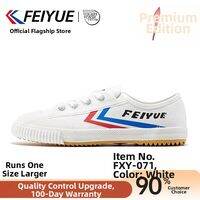
Feiyue | Training and Fitness White Canvas Shoes
$32.02$52.93
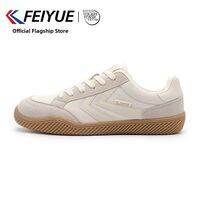
Feiyue | Mens Breathable Trendy Sneakers
$45.79$79.90
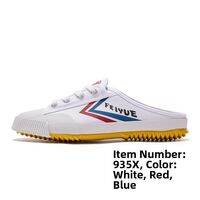
Feiyue | Fitness Martial Arts Athletic Shoes
$24.22$32.43
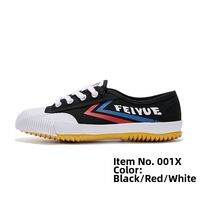
Feiyue | Classic Breathable Canvas Shoes
$23.43$43.01
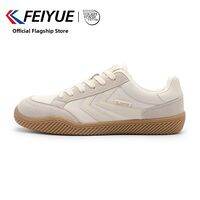
Feiyue | Trendy Fall New Leather Casual Shoes
$40.98$77.26
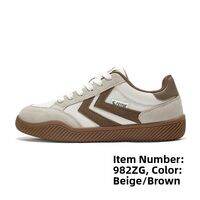
Feiyue | Retro Breathable Couple Sneakers
$39.84$75.51
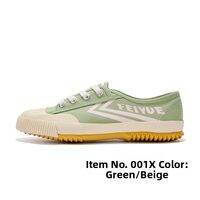
Feiyue | Shock Absorbing Training Shoe
$22.96$30.78
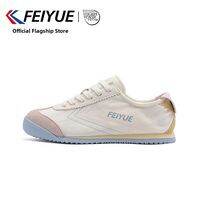
Feiyue | Autumn New Breathable Lightweight Training Shoes
$55.52$63.23
About Feiyue
Feiyue (Chinese: 飞跃, traditional: 飛躍; pinyin: Fēiyuè) is a footwear brand of Chinese origin best known for its lightweight canvas sneakers and martial arts shoes. The brand possesses a notably complex history comprising two distinct entities: the original Chinese Feiyue, rooted in Shanghai manufacturing, and a separately operated international Feiyue developed in France during the 2000s and later acquired by the US footwear company BBC International.1
This duality represents a significant narrative in sneaker history, wherein a utilitarian Chinese martial arts shoe evolved into a globally recognised fashion item, whilst the Chinese and international versions of the brand became embroiled in a long-running trademark dispute.
Basic information
| Details | |
|---|---|
| Brand name | Feiyue / 飞跃 |
| Chinese meaning | “To leap”, “to soar”, or “to fly over” |
| Origin | Shanghai, China |
| Roots | 1920s Shanghai canvas-shoe production |
| Modern Feiyue model | Associated with DaFu Rubber in the 1950s |
| Original category | Canvas / martial arts / athletic footwear |
| Best-known product | Lightweight vulcanised canvas sneaker |
| International revival | France, 2005–2006 |
| International owner | Feiyue International / associated with BBC International |
| Chinese business | Historically associated with Shanghai DaFu Rubber and related Chinese manufacturers |
| Signature positioning | Martial arts, simplicity, heritage, urban fashion |
| Famous slogan | “Flying Forward” |
The name 飞跃 literally conveys the concept of leaping or moving upwards and forwards. The international brand adapted this into the English tagline “Flying Forward”, interpreting it as a dual elevation of body and mind.2
Origins: Shanghai in the 1920s
The history of Feiyue is generally traced back to Shanghai in the 1920s, a period when simple cloth shoes were widely manufactured in the city.
Early iterations prioritised utility over fashion. Key characteristics included:
- Lightweight construction
- Flexible canvas uppers
- Relatively thin soles
- Inexpensive production
- Durability
- Suitability for physical activity
These attributes led to the shoe becoming closely associated with Chinese martial arts, including kung fu and wushu. Crucially, Feiyue was never originally conceived as a luxury sneaker or lifestyle label; its foundational identity derived entirely from the functional Chinese cloth shoe.3
Connection with Shaolin and martial arts
Feiyue became synonymous with Shaolin monks and martial arts practitioners. The shoe’s flexibility and low-profile sole facilitated training and complex movement.
This association eventually formed a core component of the brand’s cultural identity: Feiyue = Shanghai + kung fu + traditional Chinese footwear.
Chronologies regarding the earliest Feiyue-branded products vary across sources. Some accounts locate the origins in the 1920s, whilst others identify 1958—when DaFu Rubber developed and produced a civilian shoe specifically named Feiyue—as the formal birth of the modern brand.4
Consequently, the most accurate historical framing distinguishes between the two eras:
1920s = historical roots of the shoe; 1950s = emergence of the modern Feiyue brand/product.
The rise of Feiyue in China
During the mid-20th century, Feiyue established itself as a mass-market Chinese athletic shoe.
Its appeal extended beyond martial artists to ordinary consumers, students, workers and athletes. By the 1960s, it had become a major footwear producer, with one historical account recording production of approximately 1.616 million pairs in 1963. By the 1980s, annual sales reportedly reached around 4 million pairs.5
This context is essential for understanding the brand: before becoming a Western fashion sneaker, Feiyue was fundamentally a mass-market Chinese sports shoe.
For several generations of Chinese consumers, Feiyue occupied a cultural space comparable to Converse, Keds or basic Adidas models elsewhere: inexpensive, instantly recognisable and practical everyday footwear.
Distinctive features of the original shoe
The classic Chinese Feiyue was defined by extreme simplicity.
Upper
Typical features included:
- Cotton canvas
- Minimal structure
- Low weight
- High flexibility
Sole
Traditional construction utilised a relatively thin rubber sole, rendering the shoe particularly suitable for martial arts.
Silhouette
The classic form is identifiable by:
- Low-top or high-top construction
- Rounded toe
- Canvas upper
- Vulcanised rubber sole
- Simple side branding
- Striped or chevron-like visual elements
The underlying design philosophy was essentially function over decoration. This simplicity later proved advantageous in Western markets, aligning perfectly with demand for vintage-inspired, minimalist sneakers.
Decline in China
Feiyue’s earlier success eventually presented challenges. From the 1980s onwards, China’s economy and consumer culture underwent dramatic transformation. International brands entered the market, and consumers increasingly sought technologically advanced and fashionable athletic footwear.
Brands such as Nike and Adidas represented a new generation of sportswear. Conversely, Feiyue became associated with:
- Old-fashioned footwear
- Low prices
- School PE classes
- Martial arts
- Older generations
By the 1990s, the brand had lost much of its former cultural prestige. Whilst original models remained popular among martial arts practitioners due to their affordability and functionality, they were no longer considered aspirational fashion products.6
The French rediscovery
In 2005, French national Patrice Bastian, then living in Shanghai and practising kung fu, encountered Feiyue.
He identified potential that the domestic Chinese market had largely overlooked: fashion viability. Bastian and his partners believed Feiyue could undergo a transformation similar to that of Converse, Vans and Superga, evolving from practical footwear into lifestyle products.
They began adapting the shoe for European markets. In 2006, the first French-designed Feiyue collection launched.7 This marked a definitive turning point in the brand’s history.
Differences between French and Chinese versions
The international version retained the basic visual DNA of the Chinese original but incorporated modifications for fashion consumers.
Changes included:
- Revised proportions
- Different materials
- Increased cushioning
- Broader colour selection
- Fashion-oriented styling
- Men’s, women’s and children’s collections
- Collaborations with designers and artists
The objective was to transform a traditional Chinese kung fu shoe into a contemporary European sneaker. The international brand described this approach as preserving the shoe’s vintage character whilst integrating French and international influences.8
Transition from martial arts shoe to fashion sneaker
This repositioning proved remarkably successful. Feiyue began appearing in fashion media and popular culture.
The brand pursued collaborations with creative figures and companies, including:
- Céline
- André
- Casio
- Bonton
- NSBQ
- Various artists and designers
The Feiyue × Céline collaboration notably demonstrated that a humble Chinese canvas sneaker could be situated within a high-fashion context.9
Celebrity endorsement further accelerated its international credibility; Orlando Bloom was photographed wearing Feiyue, enhancing its fashion status.10
Thus, Feiyue experienced a striking reversal:
China:
cheap → ordinary → old-fashioned
France/West:
authentic → exotic → vintage → cool → fashion
The 2008 Beijing Olympics
A significant cultural moment occurred during the 2008 Beijing Olympics. Performers wore Feiyue shoes during the opening ceremony’s martial arts presentation.11
This reinforced Feiyue’s association with:
- Chinese culture
- Kung fu
- Martial arts
- National identity
- Traditional Chinese craftsmanship
Simultaneously, the French version was being marketed internationally as a fashionable lifestyle sneaker. Consequently, two distinct versions of Feiyue gained cultural relevance at the same time.
Trademark controversy
Understanding contemporary Feiyue requires acknowledging its bifurcated nature. There are effectively two Feiyue narratives.
Chinese Feiyue
The original Chinese business retained rights to the Feiyue name within China.
International Feiyue
The French team registered the FEIYUE trademark in various overseas markets from the mid-2000s onwards.
The situation became legally and commercially complex because both parties used the same Chinese-origin name whilst operating independently. World Intellectual Property Organization records indicate that a French company owned FEIYUE trademark registrations in multiple jurisdictions dating from 2006, alongside existing Chinese trademark rights to 飞跃.12
China Daily encapsulated this dynamic with the phrase:
“Two countries, one iconic name.”13
Divergence of product lines
Consumers frequently encounter shoes labelled Feiyue that appear noticeably different. This stems from separate product development by the Chinese and international businesses.
Traditional/Chinese Feiyue
Generally emphasises:
- Martial arts
- Traditional construction
- Lightweight canvas
- Simple styling
- Low-profile sole
- Chinese heritage
International Feiyue
Generally emphasises:
- Lifestyle fashion
- Broader styling
- Greater cushioning
- Contemporary materials
- Fashion collaborations
- International distribution
Details such as sole markings, canvas weight and cushioning have historically differed between versions.14
The question “Which Feiyue is the real one?” is therefore complex. Historically, the Chinese shoe directly continues the Shanghai footwear tradition. Legally, the international company owns Feiyue trademarks in various overseas markets. Both statements can be simultaneously true.
BBC International acquisition
In 2014, the international Feiyue business was acquired by BBC International, a US-based footwear company headquartered in Florida.
This acquisition provided access to:
- Larger-scale footwear production
- Sourcing networks
- Distribution channels
- International retail infrastructure
- Marketing resources
Expanded collections were introduced internationally from spring 2015.15
Describing today’s Feiyue simply as a “French sneaker brand” is therefore inaccurate. A more precise definition is:
A Chinese-origin footwear brand whose international fashion business was developed in France and subsequently became part of a US footwear group.
Brand philosophy
The international Feiyue identity centres on the concept of “Flying Forward.” The word Feiyue is interpreted as upward or forward movement, associated with the elevation of both body and mind.
Visual philosophy typically emphasises:
- Simplicity
- Timelessness
- Clean silhouettes
- Movement
- Youthfulness
- Cultural crossover
- Vintage authenticity
This positions Feiyue distinctly between sportswear and fashion. Rather than competing with brands like Nike on technological performance, it sells a story and aesthetic alongside footwear.
Design language
The classic Feiyue aesthetic comprises several key elements:
Minimalism
The basic shoe contains very few unnecessary elements.
Canvas
Canvas remains central to the brand’s identity.
Rubber
The rubber sole provides traditional athletic and martial arts character.
Chinese heritage
The silhouette evokes traditional Chinese martial arts footwear.
Vintage Americana/European sneaker culture
The modern international version also fits comfortably within the visual sphere of:
- Converse
- Superga
- Keds
- Vans
This cross-cultural ambiguity contributes significantly to Feiyue’s appeal.
Major product families
Whilst product ranges have evolved, several types remain closely associated with the brand.
Feiyue Low / LO
The classic low-top canvas sneaker, arguably the most recognisable Feiyue silhouette.
Feiyue High / HI
A higher-cut version visually closer to traditional martial arts footwear, comparable in silhouette to a high-top sneaker.
Delta Mid
Introduced around 2010, representing the international brand’s expansion beyond traditional silhouettes.
10N28E
A fashion-oriented model named after Shanghai’s approximate geographical coordinates, deliberately incorporating the city into the design language.16
Collaborations
Collaborations were instrumental to the international Feiyue strategy. Rather than competing solely on technical merit, partnerships established the brand within fashion, art and street culture.
Notable collaborations included:
- Céline
- André
- Casio
- Bonton
- NSBQ
- Peanuts
- Solid & Striped
- Various artists and designers
This strategy helped transform Feiyue from a “cheap Chinese kung fu shoe” into a culturally significant item for sneaker collectors and fashion consumers.17
Cultural significance
Feiyue represents three distinct cultural identities simultaneously.
Chinese industrial heritage
It originates from Shanghai’s traditional canvas footwear industry.
Martial arts culture
The shoe became strongly associated with kung fu, wushu and Shaolin culture.
Global fashion culture
The French revival transformed it into a minimalist lifestyle sneaker.
Few sneaker brands have undergone this specific trajectory. Feiyue can be characterised as:
A Chinese working-class shoe rediscovered by Western fashion culture.
Factors driving Western popularity
Several factors contributed to Feiyue’s success in Western markets.
Authenticity
Unlike newly invented “Chinese-inspired” products, Feiyue possessed genuine Chinese history.
Low-key design
Its simple silhouette complemented minimalist fashion trends.
Vintage appeal
The shoe resembled classic athletic sneakers rather than technologically advanced performance footwear.
Cultural narrative
Associations with kung fu and Shaolin provided compelling storytelling.
Price accessibility
Historically, it was inexpensive compared to designer sneakers.
Celebrity exposure
High-profile wearers helped establish fashion credentials.
Collaborations
Partnerships with brands like Céline conferred legitimacy beyond the sportswear market.
Comparison with Converse
Feiyue shares similarities with Converse in terms of brand evolution:
Converse
basketball shoe → everyday sneaker → youth culture → fashion
Feiyue
martial arts shoe → everyday Chinese shoe → rediscovered by France → fashion sneaker
However, Feiyue possesses a stronger East Asian cultural origin story, whereas Converse is rooted in American basketball. This distinction allows Feiyue to feel unique despite sharing the familiar canvas-sneaker formula.
Comparison with Vans
Comparisons with Vans are also instructive. Vans built its identity around skateboarding, Southern California and youth culture. Feiyue built its identity around kung fu, Shanghai, Chinese heritage and minimalist canvas footwear.
Both brands utilise relatively simple shoes to communicate broader cultural identities.
Trademark dispute overview
The most critical aspect of Feiyue’s history is its international fragmentation.
The original Chinese company maintained historical connections and Chinese rights, whilst the French/international operation secured trademark rights in numerous foreign markets. Disputes arose because both parties claimed different versions of the same heritage.
The Chinese side argued that the French business appropriated an established Chinese brand. The French side contended that it had legitimately acquired and registered international rights, investing independently in transforming Feiyue into a global fashion brand.18
This conflict encompasses trademarks, corporate ownership, manufacturing relationships and geographic trademark rights, extending beyond mere branding disagreements.
Historical paradox
Feiyue’s greatest strength is also its primary historical irony. In China, Feiyue was once too ordinary. In the West, that same ordinariness became fashionable.
A Chinese consumer might view vintage Feiyue as inexpensive school or martial arts footwear. A Western fashion consumer could interpret the identical aesthetic as authentic, vintage, minimalist, exotic and culturally meaningful. This reversal is central to the Feiyue narrative.
Current status
As of 2026, Feiyue should not be viewed as a single unified global entity. Chinese Feiyue businesses tied to the historical Shanghai tradition coexist with the internationally marketed business associated with Feiyue International and BBC International. Regional operations using names such as Feiyue Dafu also exist.19
The Chinese side continues to emphasise national and industrial heritage, whilst international Feiyue focuses on lifestyle and fashion interpretations. Official Chinese Feiyue/FeiYue Group materials present the brand through lenses of both Chinese industrial heritage and internationalisation.20
Timeline
| Year | Event |
|---|---|
| 1920s | Shanghai cloth-shoe production establishes historical roots |
| 1930s | Flexible cloth footwear becomes associated with martial arts |
| 1958 | DaFu Rubber associated with modern Feiyue-branded civilian shoe |
| 1960s | Feiyue becomes major Chinese footwear brand |
| 1980s | Annual sales reportedly reach around 4 million pairs |
| 1990s | Brand declines amid changing Chinese consumer preferences |
| 2003 | Shanghai Shenglong helps revive production |
| 2005 | Patrice Bastian discovers Feiyue whilst practising kung fu in Shanghai |
| 2006 | French-designed Feiyue collection launches |
| 2007 | Collaborations developed, including Céline |
| 2008 | Further international exposure; Beijing Olympics connection |
| 2009 | Chinese corporate/trademark structure undergoes changes |
| 2010 | 10N28E and Delta Mid expand international range |
| 2014 | BBC International acquires international/French business |
| 2015 | Expanded international collections launch; Peanuts collaboration |
| 2016 onward | Continued international lifestyle/fashion positioning |
| Today | Chinese and international operations coexist with distinct histories |
Historical dates vary between sources because the history of the shoe and the legal history of the trademark are not identical.21
Summary of significance
The brand’s importance can be summarised in five points:
- Genuine age: Roots extend approximately a century to Shanghai.
- Authentic martial arts heritage: Kung fu and Shaolin associations are historical rather than marketing inventions.
- Extraordinary cultural reversal: An inexpensive Chinese shoe became an international fashion product.
- Creative international revival: French designers and collaborations radically altered perception of the shoe.
- Complex corporate/trademark history: No single company owns the brand universally.22
Overview
Feiyue (飞跃) is a Shanghai-born Chinese footwear brand with roots stretching to the 1920s, whose classic canvas shoe became particularly associated with Chinese martial arts and Shaolin kung fu. After declining in popularity domestically during the late 20th century, it was rediscovered by French entrepreneur Patrice Bastian in 2005 and relaunched internationally from France in 2006 as a minimalist lifestyle sneaker. Collaborations, celebrity exposure and international marketing transformed Feiyue from inexpensive Chinese athletic footwear into a cult fashion sneaker. The international business was acquired by US footwear company BBC International in 2014. Meanwhile, the original Chinese business continued separately, retaining important domestic trademark rights. Consequently, Feiyue today represents both a historic Chinese footwear tradition and a separately developed international fashion brand.23
References
- Feiyue
- Feiyue shoe brand: Two countries, one iconic name[3]- Chinadaily.com.cn
- Our Story – FEIYUE AUS NZ
- Feiyue
- ABOUT US – Feiyue Dafu | Official Website
- À PROPOS DE NOUS – Feiyue Dafu | Site officiel
- Chinese company calls French firm ‘robbers’ for making Feiyue trainers | South China Morning Post
- WIPO Domain Name Decision: D2010-0023
- Feiyue s’adosse au groupe BBC International
- FeiYue Group
- Feiyue fait son retour sur le marché mondial de la sneaker – FashionNetwork France
- Feiyue fait son retour sur le marché mondial de la sneaker – FashionNetwork Belgique
- Feiyue – Wikidata
- “Design in China” e31 – 飞跃 Feiyue – A Story of Sneakers, Trademarks, and Globalization – Animaze
- California Residents – Feiyue
- Flying forward, once again – Chinadaily.com.cn
- Precision Design Studios launches pdsCommerce™, its Enterprise-level Commerce Platform, with Footwear Brand, Feiyue from BBC International
- WIPO Domain Name Decision: D2011-1192
- WIPO Domain Name Decision: D2011-0695
- WIPO Domain Name Decision: D2011-0376
- WIPO Domain Name Decision: D2010-1506
- WIPO Domain Name Decision: D2010-1490
- Att Gene – FeiYue shoes – Shaolin Kung Fu – KungFuMagazine