Shop on Lazada
Honeywell products
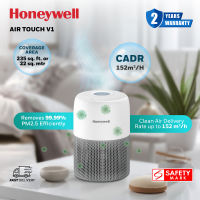
Honeywell Air Touch V1 Compact Desk Air Purifier H13 HEPA Filter Removes 99.99% Pollutants Allergens Pet Danger Smoke Dust & Pollens
$99.00$278.00

Honeywell Move Pure 4 Car Air Purifier 3-in-1 Filtration HEPA filter removes 99.99% of PM2.5 & PM10 odour VOCs dust smoke & harmful bacteria 2XUSB ports Compact & Easy Install
$138.00$239.00
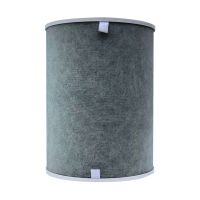
Honeywell Air Touch P2 3-in-1 Compound Filter with Pre-Filter HEPA H13 Filter & Activated Carbon Filter | Anti-Bacterial |Removes 99.99% Allergens Pollutants PM2.5 VOCs Smoke Toxic Fumes and Odour
$89.00$178.00
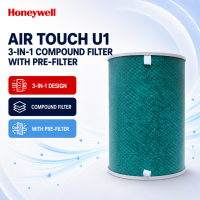
Honeywell Air Touch U1 3-in-1 Compound Filter with Pre-Filter HEPA H13 Filter & Activated Carbon Filter | Anti-Bacterial | Removes 99.99% Allergens Pollutants PM2.5 VOCs Smoke Toxic Fumes&Odour
$109.00$218.00
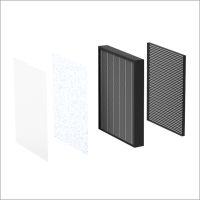
Honeywell Air Touch V5 4-in-1 Compound Filter with Pre FilterNano-Silver Anti-Bacterial FilterH13 HEPA Filter and Activated Carbon FilterRemoves 99.99% AllergensPollutantsPM2.5VOCsSmokeOdour
$70.00$139.00
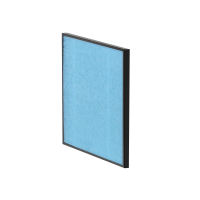
″Honeywell Air Touch V4 Compound Anti-Bacterial with HEPA H13 Replacement Air Filter | Removes 99.99% Allergens Pollutants PM2.5 Dust Fibres and Pollens ″
$59.00$118.00
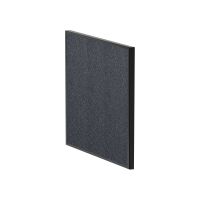
Honeywell Air Touch V4 Compound Cold Catalyst with Activated Carbon Filter | Removes Formaldehyde VOCs Smoke Toxic Fumes and Odour
$68.00$138.00
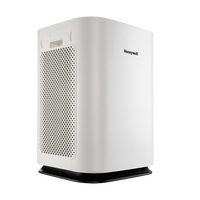
Honeywell | Large Space Specialized Formaldehyde Removal Air Purifier
$1,386.56
Buy on LazadaAbout Honeywell
Overview
Honeywell is one of the world’s largest industrial technology companies, recognised for developing products and solutions across automation, aerospace, industrial control, energy management, safety and digital technologies. With a history dating back to 1885, the company has evolved from a manufacturer of heating controls into a global leader serving sectors including aviation, manufacturing, buildings, energy, logistics, healthcare and defence.1
| Item | Information |
|---|---|
| Company Name | Honeywell |
| Founded | 1885 |
| Founder | Albert Butz (original business) |
| Headquarters | Charlotte, North Carolina, USA |
| Industry | Industrial Technology |
| Business Areas | Automation, Aerospace, Industrial Software, Building Technologies, Safety, Energy |
| Markets Served | Worldwide |
| Employees | Tens of thousands globally |
| Stock Exchange | Nasdaq (historically traded under HON before the 2026 restructuring) |
| Website | honeywell.com |
In 2026, Honeywell completed a major corporate restructuring that separated its businesses into independent companies, including Honeywell Technologies (automation) and Honeywell Aerospace, whilst preserving the Honeywell legacy across these entities.2
Company History
Origins (1885)
Honeywell traces its roots to Albert Butz, who invented the furnace regulator, an early automatic temperature control device that became the foundation of the modern thermostat. This invention allowed homeowners to regulate heating automatically rather than manually adjusting furnace dampers, establishing the company’s long-term focus on automation and control technology.3
Growth and Merger
During the early 1900s, heating control systems expanded, electric control devices were introduced, and industrial control products entered the market. In 1906, engineer Mark Honeywell founded the Honeywell Heating Specialty Company. In 1927, this entity merged with Minneapolis Heat Regulator Company to form the Minneapolis-Honeywell Regulator Company, which became the foundation of today’s Honeywell.4
Expansion into Aerospace
Following World War II, Honeywell expanded rapidly into aircraft navigation, flight control systems, aerospace electronics and military technologies. One of the company’s most significant achievements was supplying critical stabilisation and control components for the Apollo 11 Moon Mission in 1969. Thousands of Honeywell parts were utilised in mission systems that supported the first lunar landing.5
Modern Era and Acquisitions
In 1999, AlliedSignal acquired Honeywell and adopted the Honeywell name due to its strong global recognition. Since then, the company has expanded through acquisitions in automation, chemical technologies, oil and gas, logistics, industrial software, scanning systems and warehouse automation. Notable acquisitions included UOP, Metrologic and Intelligrated, which significantly strengthened the industrial technology portfolio.6
Business Segments
Historically, Honeywell has operated across several major technology sectors.
Aerospace
Products include aircraft avionics, flight management systems, navigation systems, engines and auxiliary power units, satellite communication and airport technologies. Customers comprise Boeing, Airbus, airlines, defence organisations and space agencies.
Building Automation
Honeywell develops technologies for smart buildings, HVAC controls, fire alarm systems, building management systems, energy management, security systems and access control. These products are widely deployed in hospitals, airports, universities, hotels, commercial buildings and manufacturing facilities.
Industrial Automation
Solutions encompass process control, PLC systems, SCADA, Distributed Control Systems (DCS), industrial cybersecurity, digital transformation and asset performance management. Industries served include oil and gas, petrochemicals, pharmaceuticals, mining, power generation, water treatment and manufacturing.
Safety and Productivity Solutions
This segment produces barcode scanners, mobile computers, warehouse automation equipment, voice picking systems, personal protective equipment (PPE), gas detectors and industrial safety devices. Key customers include Amazon, DHL, FedEx, logistics companies, warehouses and healthcare providers.
Energy and Sustainability
Honeywell develops technologies for renewable energy, carbon capture, sustainable aviation fuel, hydrogen, smart grids, industrial efficiency and refrigerants with lower environmental impact.
Products
Honeywell manufactures thousands of products across three primary categories:
Consumer
- Home thermostats
- Air purifiers
- Security systems
- Fire detectors
- Smart home products
Industrial
- Pressure transmitters
- Temperature sensors
- Industrial controllers
- Gas analysers
- Flow meters
- Automation software
Aerospace
- Cockpit displays
- Flight computers
- Weather radar
- Navigation systems
- Aircraft engines (selected applications)
- Communication systems
Technologies
Honeywell invests heavily in artificial intelligence (AI), the Internet of Things (IoT), cloud computing, industrial automation, robotics, digital twins, cybersecurity, machine learning and autonomous operations. Its Honeywell Forge platform provides cloud-based software for monitoring and optimising industrial assets, buildings, airlines and infrastructure.7
Industries Served
Honeywell solutions are utilised across a diverse range of sectors, including aviation, oil and gas, manufacturing, logistics, automotive, healthcare, pharmaceuticals, data centres, mining, utilities, buildings, government, defence and chemical processing.
Global Presence
Honeywell operates in more than 100 countries, maintaining research centres, manufacturing facilities, engineering offices and sales operations worldwide. Its technologies support industries ranging from aviation and energy to healthcare and smart infrastructure.8
Research and Innovation
Innovation has long been central to Honeywell’s strategy. The company holds thousands of patents, employs thousands of engineers and scientists, and makes extensive annual investments in research and development. Key areas of innovation include autonomous operations, industrial AI, aerospace systems, advanced materials, smart buildings, energy efficiency and quantum-related technologies.9
Major Milestones
| Year | Event |
|---|---|
| 1885 | Albert Butz invents the furnace regulator |
| 1906 | Honeywell Heating Specialty Company founded |
| 1927 | Minneapolis Heat Regulator and Honeywell merge |
| 1969 | Honeywell technology supports Apollo 11 |
| 1999 | AlliedSignal acquires Honeywell and adopts the Honeywell name |
| 2005 | Acquisition of UOP |
| 2016 | Acquisition of Intelligrated |
| 2019 | Launch of Honeywell Forge |
| 2021 | Corporate headquarters opens in Charlotte |
| 2026 | Honeywell restructures into separate companies focused on automation, aerospace, and advanced materials |
Mission
Honeywell’s mission centres on applying technology to make industries and infrastructure safer, more productive, more energy efficient, more sustainable and increasingly autonomous. The company emphasises connecting physical assets with software, data and AI to improve operational performance across critical industries.11
Legacy
Over more than 140 years, Honeywell has become one of the most influential names in industrial technology. Its innovations have contributed to advances in home heating controls, aviation, space exploration, industrial automation, smart buildings and digital transformation. Even following its 2026 restructuring into specialised companies, the Honeywell brand remains closely associated with engineering excellence, reliability and mission-critical technologies.12
References
- Our History
- About Honeywell Technologies: Building, Process & Industrial Automation
- Honeywell Technologies raises 2026 profit forecast in first post-split earnings
- Honeywell Unveils New Brands Effective Post Spin-Off: Honeywell Technologies and Honeywell Aerospace
- hon-20260423
- hon-20251231
- hon-20231231
- A Honeywell Company
- About Honeywell Technologies: Building, Process & Industrial Automation
- 100+ Years of Transforming Industries
- 100+ Years of Transforming Industries
- About Us