Shop on Lazada
Jacob’s Creek products
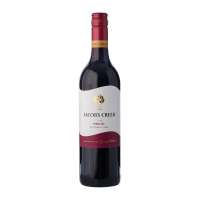
Jacobs Creek Merlot Red Wine
$22.50$29.90
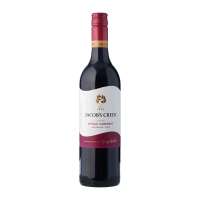
Jacobs Creek Shiraz Cabernet Red Wine
$22.50$29.90

Jacobs Creek Classic Cabernet Sauvignon Red Wine
$22.50$29.90
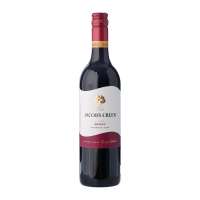
Jacobs Creek Shiraz Red Wine
$22.50$29.90
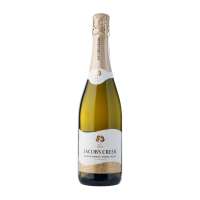
Jacobs Creek Sparkling Chardonnay Pinot Noir Wine
$24.90$35.90
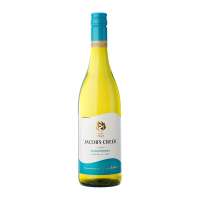
Jacobs Creek Classic Chardonnay White Wine
$22.50$29.90
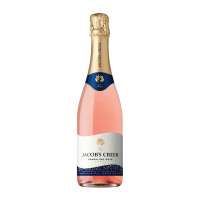
Jacobs Creek Sparkling Rose Wine
$24.90$35.90
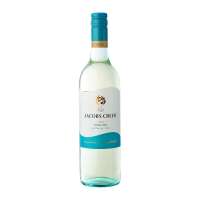
Jacobs Creek Riesling White Wine
$22.50$29.90
About Jacob’s Creek
Overview
Jacob’s Creek is an Australian wine brand with deep historical roots in South Australia’s Barossa Valley and remains one of the most widely recognised Australian wine labels internationally. The brand combines more than 170 years of winemaking heritage with a modern, large-scale international business model. As of 2025, Jacob’s Creek is part of Vinarchy, a global wine company formed through the merger of Accolade Wines and Pernod Ricard Winemakers.1
| Category | Information |
|---|---|
| Brand | Jacob’s Creek |
| Industry | Wine / alcoholic beverages |
| Country of origin | Australia |
| Home region | Barossa Valley, South Australia |
| Historical roots | 1847 |
| Founder associated with the winery | Johann Gramp |
| Parent company today | Vinarchy |
| Former owner | Pernod Ricard / Pernod Ricard Winemakers |
| Key winemaker | Dan Swincer |
| Main products | Red, white, rosé, sparkling and premium wines |
| Major varieties | Shiraz, Cabernet Sauvignon, Chardonnay, Sauvignon Blanc, Pinot Grigio, Riesling, Merlot and others |
| International presence | More than 50 countries |
| Awards | 8,000+ awards according to the brand/Vinarchy |
| Positioning | Accessible Australian wine through to premium and heritage wines |
Vinarchy describes Jacob’s Creek as one of its global pillar brands, noting that it is enjoyed in more than 50 countries and has accumulated over 8,000 awards.
Origin of the name
The name Jacob’s Creek derives from a small waterway running through the Barossa Valley in South Australia. William Jacob settled beside this creek in 1840, and the waterway subsequently became known as Jacob’s Creek. Seven years later, in 1847, German immigrant Johann Gramp planted a vineyard on its banks. This vineyard established the foundation for the Gramp & Sons wine business and ultimately provided the historical heritage behind the Jacob’s Creek brand.
Crucially, while “Jacob” refers to William Jacob, it was Johann Gramp who founded the winemaking enterprise associated with the name.
History
Early settlement and first vineyard
William Jacob arrived in the region in 1840 and settled on land beside what would become known as Jacob’s Creek. At that time, no wine brand existed; the location’s significance emerged only when Johann Gramp established his vineyard there in 1847.2 Gramp, a German immigrant and winemaker, planted his first vines beside the creek, marking the beginning of the winemaking tradition that Jacob’s Creek references today. He established the business that became Gramp & Sons, which is why the brand frequently cites 1847 as its foundational date.3
Expansion and innovation
By 1877, the Gramp operation had expanded significantly and moved its winery to Rowland Flat, where the winemaking operations have remained historically centred. This relocation marked the transformation of a small vineyard enterprise into a substantial Barossa wine producer.3
In the mid-20th century, the Gramp family became associated with technological innovation in Australian winemaking. In 1953, Colin Gramp introduced temperature- and pressure-controlled fermentation technology at Rowland Flat, enabling the production of more delicate and aromatic white wines. Three years later, in 1956, the winery launched Barossa Pearl, a semi-sparkling wine that achieved significant commercial success and helped introduce a broader audience to Australian wine.
Emergence as a global brand
The Jacob’s Creek name eventually evolved from a geographic and winery identifier into a global consumer wine brand. This transition was pivotal, as Australian wine historically held a strong reputation overseas but was not always marketed internationally under powerful consumer brands. Jacob’s Creek was instrumental in changing this dynamic, becoming a key player in the Australian wine boom from the late 20th century onwards. Today, it positions itself as one of Australia’s leading global wine brands.4
Ownership history
The original winemaking enterprise was established by Johann Gramp and developed by subsequent generations of the Gramp family before eventually becoming associated with Orlando Wyndham, another major Australian wine company.
A significant turning point occurred in 1989 when Pernod Ricard acquired Orlando Wyndham, the maker of Jacob’s Creek. For decades thereafter, the brand was strongly linked to Pernod Ricard Winemakers.4
This ownership structure changed in April 2025, when Pernod Ricard completed the sale of its strategic international wine portfolio to Australian Wine Holdco Limited. This transaction combined those assets with Accolade Wines to create Vinarchy. Jacob’s Creek was among the major brands transferred into the new entity. Consequently, as of 2026, Jacob’s Creek is owned by Vinarchy rather than Pernod Ricard.
Vinarchy
Vinarchy is a dedicated global wine company established in 2025 through the combination of Accolade Wines and Pernod Ricard Winemakers. Its portfolio includes major brands such as Jacob’s Creek, Hardys, Campo Viejo, Brancott Estate, Stoneleigh, Banrock Station, St Hallett, Petaluma, Grant Burge and Jam Shed. Vinarchy operates across major wine-producing regions and identifies Jacob’s Creek as one of its global pillar brands.
Production and sourcing
While the brand’s spiritual and historical home is the Barossa Valley in South Australia—a region particularly renowned for Shiraz—Jacob’s Creek is not limited to grapes from a single vineyard or region. The brand sources fruit from various Australian wine-growing areas to produce diverse styles and price points. Pernod Ricard previously described Jacob’s Creek as being based in the Barossa while sourcing grapes from several regions across southeastern Australia.5
Key sourcing regions include:
- Barossa Valley
- Eden Valley
- Adelaide Hills
- Coonawarra
- Other Australian wine-growing regions
This regional diversity is central to the business model, allowing the brand to produce wines tailored to specific grape varieties, styles and consumer occasions rather than relying solely on a single estate.
Winemaking philosophy
Jacob’s Creek occupies a space between traditional Australian winemaking heritage and modern commercial production. The brand emphasises three core principles:
Australian regional character
Wines are crafted to express the distinct characteristics of Australian grapes and their respective regions.
Consistency
As a large international brand, maintaining consistency across vintages is critical. Consumers purchasing a Jacob’s Creek Classic Shiraz in different markets expect a familiar and reliable style.
Innovation
The brand frequently experiments with techniques and formats beyond conventional Australian wine norms, with the Double Barrel range serving as a primary example of this approach.
Double Barrel innovation
Double Barrel represents one of Jacob’s Creek’s most recognisable innovations. The concept involves maturing wine initially in traditional wine barrels before finishing it in aged whisky or whiskey barrels. This additional maturation is designed to impart a richer, deeper and smoother profile with complex flavour layers.6
The first Double Barrel Shiraz was launched in 2014 using aged Scotch whisky barrels. The range has since expanded to include other varieties such as Chardonnay and Cabernet Sauvignon.7 This innovation provides Jacob’s Creek with a distinctive narrative that extends beyond its identity as a standard Australian Shiraz producer.
Major wine ranges
While portfolios vary by country, the core global architecture comprises several key ranges.
Classic
Classic is the mainstream flagship range, designed around accessibility, everyday drinking, recognisable grape varieties and consistent quality. It includes Chardonnay, Shiraz, Cabernet Sauvignon, Merlot, Pinot Grigio, Pinot Noir, Riesling, Sauvignon Blanc, Shiraz Cabernet and Cabernet Merlot. Jacob’s Creek describes this range as targeting consumers seeking value and reliability.8
Double Barrel
This experimental and premium-oriented range features wines finished in aged whisky barrels. Examples include Double Barrel Shiraz, Double Barrel Chardonnay, Double Barrel Cabernet Sauvignon and Double Barrel Shiraz Cabernet.9
Reserve
Sitting above the Classic tier, Reserve focuses on premium fruit selected from notable Australian wine regions. Current offerings include Reserve Shiraz and Reserve Cabernet Sauvignon. The Reserve Shiraz is described as a full-bodied wine featuring spicy black-fruit flavours, subtle oak and a silky finish.10
Sparkling
The brand produces sparkling wines to cater to celebrations, weddings, parties and casual social drinking, extending its portfolio beyond still red and white wines.
Le Petit
Le Petit represents a contemporary, easy-drinking style within the portfolio, including Rosé and Pinot Grigio. These are positioned as modern Australian interpretations designed for accessible enjoyment.
Heritage
At the premium end, Jacob’s Creek Heritage is explicitly linked to the brand’s historical legacy. Named in honour of founder Johann Gramp, this range represents some of the brand’s finest wines.11
Limited Release
These wines showcase specific vineyards, regions or winemaking approaches. For instance, the Limited Release Chardonnay highlights fruit from the Adelaide Hills, emphasising bright acidity and oak complexity.12 The range also includes organic options, such as an Organic Shiraz made from organically grown grapes.13
Signature grape varieties
Although the portfolio is broad, several varieties are central to the brand’s identity:
- Shiraz: Culturally the most important red variety for Jacob’s Creek, closely associated with the Barossa Valley and produced across multiple tiers.
- Cabernet Sauvignon: A major Australian red variety produced both as a single varietal and in blends with Shiraz.
- Chardonnay: A key white wine variety ranging from accessible Classic styles to premium expressions.
- Sauvignon Blanc: A fresher, aromatic white style that broadens the brand’s appeal.
- Pinot Grigio: An important contemporary white offering suited to lighter, casual occasions.
- Riesling: Historically significant to South Australia, particularly the Eden Valley, produced in a classic regional style.
Taste profile
Given the breadth of the portfolio, there is no single “Jacob’s Creek taste,” though the brand generally prioritises approachability and drinkability over niche stylistic extremes. Classic Shiraz Cabernet is typically described as a soft blend with dark cherry, plum, mocha and spice notes,14 while Classic Chardonnay offers citrus, melon and toasty oak characters. At the premium level, Reserve Shiraz presents a fuller-bodied, structured profile with black fruit and spice.8 The overarching philosophy combines Australian character, approachable style, consistent quality and broad consumer appeal.
Brand positioning and target consumer
Jacob’s Creek operates across multiple market segments simultaneously. Its architecture spans from entry-level everyday wines (Classic) to innovative premium offerings (Double Barrel), regional premium wines (Reserve) and high-end heritage releases. This structure allows the brand to serve diverse consumer occasions without diluting its core identity.
Historically, the brand has targeted a broad international audience rather than exclusively catering to wine enthusiasts. Its accessible ranges appeal to consumers seeking recognisable varieties, reliable quality, reasonable value and Australian provenance. Premium ranges target those desiring distinctiveness without entering ultra-luxury territory. This broad appeal has been fundamental to its success as an international mass-market Australian wine brand.
International presence
Jacob’s Creek has successfully transformed an Australian regional identity into an international consumer brand sold in more than 50 countries. Significant markets include the United Kingdom, United States, Canada, China, other Asian nations, Europe, Australia and the Middle East. Portfolios vary significantly by country due to differences in consumer preferences, alcohol regulations and retail structures.
Focus on the UK market
The UK has historically been one of Jacob’s Creek’s most important international markets, closely tied to the Australian wine boom among British consumers. In 2026, Vinarchy launched a major refresh in the UK, introducing lighter, fresher styles, clearer taste descriptions and redesigned packaging to enhance relevance for contemporary social drinking.15 This reflects a strategy of retaining heritage while modernising the brand to attract new generations of wine drinkers.
Marketing and communications
Jacob’s Creek has traditionally built its communication around themes of Australian lifestyle, friendship, sharing, food, celebration and craftsmanship. Rather than presenting wine as exclusive or intimidating, the brand emphasises accessibility and social connection. In 2026, it introduced a new global platform titled “Welcome to the Creek,” aimed at reconnecting the brand with modern wine occasions and shared experiences.
Sports and cultural partnerships
The brand leverages major sporting events to reinforce its Australian identity. Notably, Jacob’s Creek partnered with the Australian Open from 2009 to 2018 and returned as Official Wine Partner for 2026.2 This partnership connects Australian heritage with a globally visible cultural event. Additionally, high-profile entertainment marketing has been utilised; for example, Chris Hemsworth narrated a 2017 campaign for Double Barrel, linking the wine to Australian identity and international pop culture.16
Sustainability
Sustainability is an increasingly prominent aspect of the brand narrative. Jacob’s Creek emphasises vineyard management, water stewardship, vine health and long-term agricultural sustainability. The company states it works with more than 120 independent growers, many of whom operate family-run vineyards, with viticulture teams collaborating directly on grape quality and vine health. Preservation of Jacob’s Creek itself is also highlighted as a meaningful environmental commitment tied to the brand’s namesake and heritage.
Chief Winemaker
Dan Swincer is a central figure in the modern Jacob’s Creek portfolio. He joined the Gramp & Sons winemaking team in 2006 and was appointed Jacob’s Creek Chief Winemaker in 2018. In 2025, he assumed the role of Chief Winemaker Australia within Vinarchy. His work embodies the balance between traditional Barossa winemaking heritage and modern innovation aligned with international consumer preferences.
Awards and reputation
Jacob’s Creek cites more than 8,000 prestigious wine awards throughout its history. For a large consumer brand, these accolades serve to communicate that affordability and accessibility do not preclude winemaking quality, reinforcing credibility in competitive international markets.
Significance to Australian wine
Jacob’s Creek represents the transformation of Australian wine from a regional agricultural product into a globally recognisable branded consumer good. Its trajectory mirrors key developments in the industry: from 19th-century German settlement and early 20th-century technological development to mid-century innovation and late 20th-century international expansion. In the 21st century, the brand continues to combine heritage with innovation, premiumisation and modern lifestyle marketing.
Comparison with boutique wineries
Jacob’s Creek differs markedly from typical boutique Australian wineries. While boutique estates often focus on regional specificity, limited distribution and terroir variation, Jacob’s Creek operates as a global brand with large-scale production, broad international distribution and a diverse portfolio. Consistency and mainstream accessibility are prioritised alongside heavy consumer marketing, positioning it firmly within the global branded wine sector rather than the small-estate model.
Strengths and challenges
Strengths
- Strong heritage: The 1847 origin story provides genuine historical depth.
- Australian provenance: Association with the Barossa Valley reinforces credibility.
- Global recognition: Established presence in dozens of international markets.
- Broad portfolio: Allows consumers to trade up from Classic to Heritage without leaving the brand.
- Innovation: Ranges like Double Barrel demonstrate willingness to experiment.
- Accessibility: Mainstream wines are designed to be approachable.
Challenges
- Changing consumption habits: Younger consumers increasingly seek moderation and lower-alcohol alternatives.
- Competition: Intense competition from hundreds of domestic and international brands across all price tiers.
- Brand aging: Heritage appeal risks being perceived as old-fashioned by younger demographics.
- Category complexity: Consumers increasingly demand simpler navigation and clear taste cues.
- Sustainability: Dependence on agriculture makes environmental resilience critical.
Current status (2026)
As of 2026, Jacob’s Creek is undergoing a new phase of development under Vinarchy ownership. The parent company is investing in brand revitalisation, exemplified by the 2026 UK relaunch focusing on contemporary styles and the introduction of the global “Welcome to the Creek” platform. Simultaneously, the brand continues to emphasise its Barossa Valley foundations and 1847 heritage. This strategic formula combines heritage, Australian identity, accessibility, innovation and modernisation.
Timeline
| Year | Event |
|---|---|
| 1840 | William Jacob settles beside the creek that later bears his name |
| 1847 | Johann Gramp plants his first vineyard beside Jacob’s Creek |
| 1877 | Gramp winery moves to Rowland Flat |
| 1953 | Modern temperature/pressure-controlled fermentation technology introduced |
| 1956 | Barossa Pearl semi-sparkling wine launched |
| 1989 | Pernod Ricard acquires Orlando Wyndham |
| 2014 | Double Barrel Shiraz launches |
| 2017 | Chris Hemsworth fronts Double Barrel campaign |
| 2018 | Dan Swincer becomes Jacob’s Creek Chief Winemaker |
| 2025 | Jacob’s Creek transfers from Pernod Ricard’s wine business into newly created Vinarchy |
| 2026 | Major UK brand refresh and new global “Welcome to the Creek” platform |
| 2026 | Jacob’s Creek returns as Australian Open Official Wine Partner |
References
- Jacob’s Creek | About Us
- Jacob’s Creek returns to the Australian Open as Official Wine Partner – Vinarchy
- Jacob’s Creek | About Us
- Jacob’s Creek | Pernod Ricard
- Jacob’s Creek | Explore Our Wines
- Introducing new Jacob’s Creek Double Barrel Cabernet Sauvignon | Pernod Ricard
- Classic Chardonnay | Jacob’s Creek
- Reserve Shiraz | Jacob’s Creek
- Jacob’s Creek Heritage Wines | Jacob’s Creek
- Limited Release Chardonnay | Jacobs Creek – Jacob’s Creek
- Limited Release Organic Shiraz | Jacob’s Creek
- Classic Shiraz Cabernet | Jacob’s Creek
- Jacob’s Creek unveils lighter, fresher styles in major UK relaunch – Vinarchy
- Jacob’s Creek launches global ‘Welcome to the Creek’ platform – Vinarchy
- Actor Chris Hemsworth Narrates New Jacob’s Creek Campaign | Pernod Ricard
- Great Tasting Wines – Winemakers – Jacob’s Creek
- Jacob’s Creek invests in brand with digital summer gifting campaign and International Cricket Council partnership | Pernod Ricard