Shop on Lazada
Jellycat products
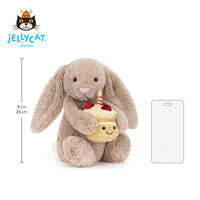
Jellycat Bashful Beige Bunny Birthday Cuddly Toy Present Free Jellycat Blue Dust Bag Support personalized custom embroidery
$43.22$92.00
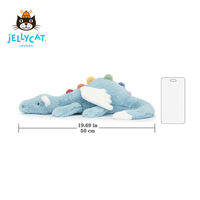
Jellycat Sky Dragon Luxurious Plush Security Animal For Soothing
$42.76$94.00
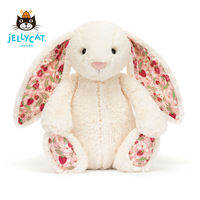
Jellycat Floral Rabbit Unique Design Cute Snuggly Toy Gift Free Jellycat Blue Dust Bag Support personalized custom embroidery
$41.54$88.00
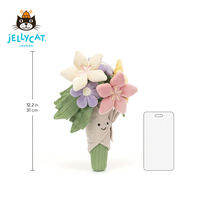
Jellycat Amuseables Bouquet of Flowers Plush Gift Set Colorful Mixed Blooms Free Jellycat Blue Dust Bag Support personalized custom embroidery
$45.96$97.00
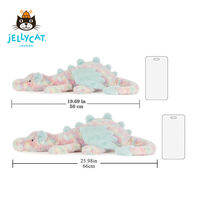
Jellycat Lazulia Dragon Sparkly Plush Toy Blue Dragon Fantasy Gift Free Jellycat Blue Dust Bag Support personalized custom embroidery
$42.49$103.00
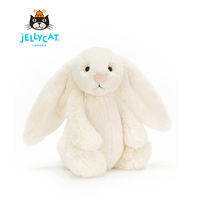
Jellycat Bashful Bunny Medium Soft Toy Plush Pal Perfect Gift Free Jellycat Blue Dust Bag Support personalized custom embroidery
$40.36$89.00
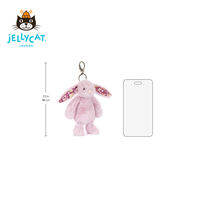
Jellycat Thistlepop Blossom Bunny Bag Charm Botanical Style Soft Plush For Bag Personalization
$39.93$81.00
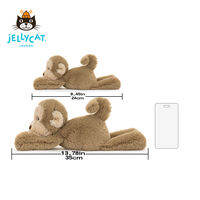
Genuine Jellycat Smudge Monkey Huggable Plushie Soothing Sensory Toy Newborn Gift
$43.93$100.00
About Jellycat
Jellycat Limited is a British soft-toy and lifestyle brand best known for its unusually soft plush toys, whimsical character designs and distinctive sense of humour. Founded in London in 1999, Jellycat has grown from a small British toy business into a global consumer brand with a particularly strong following among both children and adults.1
The company describes itself as “Born in London. Loved worldwide”, with a stated mission to put a smile on people’s faces.2
Brand overview
| Brand name | Jellycat |
| Company | Jellycat Limited |
| Founded | 1999 |
| Place of origin | London, United Kingdom |
| Founders | Thomas Gatacre and William Gatacre |
| Headquarters | London, England |
| Industry | Toys, gifts, plush, lifestyle |
| Best known for | Soft toys and character-driven plush |
| Major collections | Amuseables, Bashful, Animals, Bag Charms, Gifts |
| CEO | Arnaud Meysselle |
| Ownership | Privately held |
| Global reach | More than 7,000 retailers in 80 countries (TIME, 2026) |
| Brand philosophy | Playfulness, creativity, quality and sharing joy |
History
Founding
Jellycat was founded in London in 1999 by brothers Thomas and William Gatacre. William Gatacre later described the company’s beginnings as relatively modest; Jellycat initially appeared at a trade show as a small operation but quickly attracted a loyal customer base.3 The name “Jellycat” reportedly came from a suggestion by Thomas Gatacre’s seven-year-old son.4
The founders sought to approach soft toys differently from traditional children’s toy companies. Rather than concentrating solely on conventional teddy bears and animals, Jellycat emphasised extremely soft fabrics, unusual shapes and characters, humorous personalities, sophisticated design, unexpected combinations of objects and animals, and products that could appeal to adults as well as children.
Early retail relationships with prominent British and European stores, including John Lewis, Paul Smith, Selfridges, The Conran Shop and Colette in Paris, helped establish Jellycat as a design-oriented rather than purely mass-market toy brand.5
Brand mythology
Alongside the historical account of its founding, Jellycat maintains an official brand mythology. According to this narrative, the Jellycat family dates back to “the dawn of time”, beginning with the first potato, and features generations associated with a cat wearing a special Jellycat hat. The ninth generation supposedly established Jellycat Studios in London in 1999, with Jellycat Jack as its ninth-generation cat.6
This deliberately absurd mythology is central to understanding the brand, as Jellycat builds an entire fictional universe around its products rather than marketing itself like a conventional toy manufacturer.
Products and collections
Although often described simply as a stuffed-animal brand, Jellycat’s product universe is considerably broader. Almost any subject can become a Jellycat character, with plush versions produced of rabbits, bears, dogs, cats, birds, dinosaurs, sea creatures, insects, mythical creatures, vegetables, fruits, desserts, drinks, household objects, sports equipment and musical instruments. Items such as croissants, coffee cups, mushrooms or tennis balls are frequently reimagined as characters with arms, legs and expressive faces.
Amuseables
Amuseables is arguably the collection most responsible for Jellycat’s distinctive visual identity. The concept involves transforming ordinary objects—including food, plants, symbols and sports equipment—into adorable characters. A coffee bean, flower, handbag or piece of toast can thus become a collectible figure. The collection’s appeal lies partly in its absurdity; products need not be useful or educational, but simply intended to bring joy.
Bashful
Bashful is one of Jellycat’s best-known traditional plush families. The classic example is Bashful Bunny, a soft, floppy-eared rabbit available in numerous colours and variations. Compared with the more eccentric Amuseables, Bashful products emphasise softness, cuddling, simple animal forms, gentle facial expressions and emotional comfort, representing the more conventional comfort-plush side of the brand.
Bartholomew Bear
Bartholomew Bear is another major recurring character that has been developed into different outfits and themed versions. This reflects an evolution in Jellycat’s strategy whereby successful characters become recurring personalities with their own wardrobes, stories and variations, rather than one-off products.
Bag charms
Jellycat has increasingly expanded into small-scale collectible products, particularly bag charms. These allow fans to attach miniature versions of characters to handbags, backpacks, luggage, keys and phone accessories. This shift moves Jellycat beyond being solely a plush-toy company towards becoming a fashionable lifestyle and collectible brand.
Design philosophy
Jellycat’s design approach is defined by four key characteristics.
Softness
Material quality is fundamental to the brand. Jellycat deliberately sources materials that are soft, subtle and durable, making the tactile experience an integral part of the product.7
Unexpected subjects
While traditional plush companies typically focus on animals, Jellycat asks what would happen if ordinary things became characters. This philosophy allows its catalogue to include both conventional animals and everyday items such as food, plants and household objects.
Minimal but expressive faces
Many Jellycats feature extremely simple facial designs, where two small eyes and a tiny mouth suffice to create a recognisable personality. This design strategy allows consumers to project their own emotions onto the character.
British humour
The brand’s humour is often understated, quirky and slightly ridiculous. Designs are frequently cute precisely because they are strange; a plush avocado with tiny legs is funny because the object is not supposed to be alive. Jellycat turns this absurdity into its aesthetic.
Adult audience and cultural impact
One of the most significant aspects of Jellycat’s development is its popularity among adults. Originally operating within the children’s toy and baby-gift market, its products have increasingly become collectibles and lifestyle objects. The Guardian reported in 2024 on adult collectors with collections numbering in the hundreds, describing Jellycat collecting as a source of comfort, joy and community.4
Jellycats now function simultaneously as children’s toys, gifts, comfort objects, collectibles, fashion accessories and social-media content. This broad emotional and cultural positioning has helped the brand reach audiences far beyond parents buying toys for children.
Comfort objects
Part of Jellycat’s appeal is psychological. Soft toys can function as comfort objects even for adults, and Jellycat’s designs—with their soft textures, non-threatening expressions, rounded forms, humorous personalities and strong tactile qualities—are particularly suited to this role. Many fans treat Jellycats as companions rather than mere decorations, which helps explain the emotional attachments collectors develop.
Collectibility
Jellycat has adopted characteristics associated with collectible culture. Collectors may seek particular characters, complete series, buy seasonal releases, hunt for retired designs, purchase limited editions, display collections, trade or resell items, photograph them for social media, and travel to stores or special events. This creates a feedback loop where new characters generate social-media attention, driving collector interest and scarcity, which in turn strengthens the community. Unlike conventional toy companies, Jellycat’s characters themselves serve as the brand’s marketing infrastructure.
Social media
Social media has been crucial to Jellycat’s modern popularity. Products are highly photogenic, naturally becoming content when depicted in cafés, on aeroplanes or alongside daily activities. The company describes itself as a major trendsetter on social media, with characters appearing across billions of hashtags.5 This user-generated marketing presents products as personalities or companions integrated into daily life, rather than through traditional advertising.
Experiential retail and global expansion
A key strategic development has been Jellycat’s move into physical experiences. The company has created themed pop-ups and immersive environments, including the Jellycat Diner, Jellycat Patisserie and Jellycat Ski Club. TIME described this strategy in 2026 as Jellycat building “worlds around its stuffed toys”, transforming the brand from a product company into an experience and entertainment brand.3
From its London origins, Jellycat has developed substantial international presence. While company materials have described sales through prestigious stores across 77 countries, TIME reported in 2026 that Jellycat worked with more than 7,000 retailers in 80 countries.3 Major studio operations are located in London, Minneapolis and Shanghai.8 Global retail expansion has included dedicated spaces and shop-in-shops, with new locations reported in Milan, Copenhagen and Stuttgart in 2026, and Hong Kong expansion planned.9
Business performance and leadership
Jellycat’s financial growth illustrates dramatic expansion. TIME reported that sales increased from approximately US$7 million in 2013 to US$252 million in 2023, followed by US$446 million in 2024.3 This demonstrates how Jellycat has transformed a traditionally inexpensive children’s toy category into a premium, globally recognisable lifestyle business.
The current CEO is Arnaud Meysselle, who approved the company’s 2025 modern-slavery statement in his capacity as chief executive.10 Co-founder William Gatacre remains an important figure in the company’s history and development.2 Jellycat remains privately held rather than publicly traded.11
Manufacturing and responsible sourcing
Products are manufactured through a network of specialist suppliers. Jellycat works with a relatively small number of manufacturers, emphasising long-term relationships and expecting suppliers to operate in safe working environments while respecting workers’ rights.12 The company has developed responsible-sourcing policies and supplier auditing processes, including assessments relating to labour and ethical standards.13
Recognisable characters
Key recurring characters include:
- Jellycat Jack: The symbolic mascot and fictional ninth-generation cat in the brand’s mythology.
- Bashful Bunny: A signature soft, floppy-eared rabbit.
- Bartholomew Bear: A major bear character with numerous outfits and variations.
- Ricky Rain Frog: Known for his distinctive, slightly grumpy expression.
- Amuseables: A large character family comprising food, plants and objects transformed into plush personalities.
These characters demonstrate how Jellycat’s business revolves around recognisable intellectual property rather than generic plush animals.
Factors behind success
Jellycat’s success combines multiple trends: emotional attachment to characters; inherent collectibility; social-media friendliness; adult nostalgia without exclusive child marketing; premium design positioning; distinctive humour; scarcity and novelty through new and retired characters; physical experiences turning products into destinations; and a coherent fictional universe. Together, these elements create something stronger than a traditional stuffed-animal business.
25th anniversary
Jellycat celebrated its 25th anniversary in 2024, marking the occasion with new and returning characters plus events worldwide. The 2024 catalogue framed the anniversary around 25 years since the opening of Jellycat Studios in London, demonstrating how far the brand had evolved from a small London toy business to an international brand with a large collector community.
Criticism and challenges
Rapid growth has created several challenges. Premium pricing means Jellycats are considerably more expensive than many generic plush toys, prompting debate over value. The vast number of designs can encourage repeated purchasing and consumerism. Popular characters frequently sell out, causing frustration and secondary-market resale. Additionally, the brand has increasingly emphasised premium retail and direct experiences; in 2025, it reportedly stopped supplying roughly 100 independent UK shops as part of a “brand elevation strategy”,14 illustrating tension between prestige and accessibility through the independent retailers that helped establish the brand.
Current position
As of 2026, Jellycat is no longer simply a niche British children’s-toy brand. It has become a major global plush and lifestyle business with hundreds of millions of dollars in annual sales, thousands of retail partners, presence across roughly 80 countries, dedicated retail and experiential spaces, a large adult collector community, extensive social-media visibility, and a growing ecosystem of characters and experiences.3 TIME included Jellycat in its TIME100 Most Influential Companies of 2026, specifically highlighting its ability to create immersive worlds around plush characters.3
References
- Our Story – Learn more about Jellycat
- “Making beautiful things that people remember”: in conversation with William Gatacre, co-founder and MD at Jellycat — The MBS Group
- TIME100 Most Influential Companies 2026: Jellycat
- ‘I have to have one of those’: plushie super-fans explain the appeal
- Jellycat | LinkedIn
- Modern Slavery Statement – Official Jellycat
- Corporate Responsibility
- Modern Slavery Statement 2020/2021
- Official Jellycat Store | Jellycat Soft Toys & Gifts
- Y E A R S O F S H A R I N G J O Y
- Jellycat
- Who Owns Jellycat: The Gatacre Brothers and Beyond – LegalClarity
- sec.gov
- Jellycat US: Hi there, welcome to the home of Jellycat! | Milled