Shop on Lazada
La Roche products
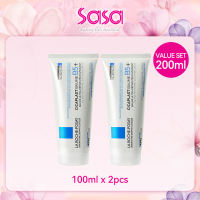
LA ROCHE-POSAY Cicaplast Balm B5+ Soothing Moisturizing Barrier Repairing for dry/irritated skin (100ml / 100ml x 2)
$64.99$143.00
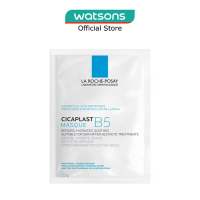
LA ROCHE-POSAY Cicaplast Masque B5 (To Repair Or Fragilized Skin) 25g x 5s
$48.50
Buy on Lazada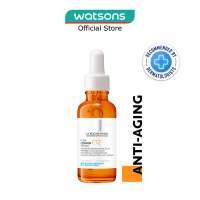
LA ROCHE-POSAY Pure Vitamin C12 Anti-Wrinkle Concentrate Serum 30ml
$91.05
Buy on Lazada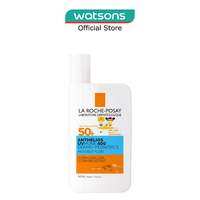
LA ROCHE-POSAY Anthelios UVMUNE 400 Dermo-Pediatrics Invisible Fluid SPF50+ PA++++ 50ml
$35.60
Buy on Lazada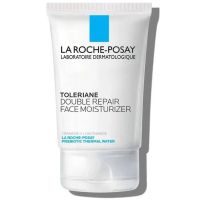
FOR La Roche-Posay Toleriane Double Repair Face Moisturizer /SPF Face Moisturizer /Matte Moisturizer 100ml
$28.89$38.00
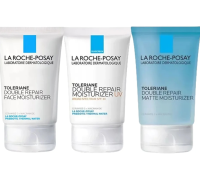
FOR La Roche-Posay Toleriane Double Repair Face Moisturizer /SPF Face Moisturizer /Matte Moisturizer 100ml
$24.32$273.00
![[Expiry: 2029] La Roche-Posay Toleriane Dermallergo Eye 20ml - Gentle Relief for Sensitive Eyes](https://sg-live.slatic.net/p/02826c78bff21d3d0bcb8fd5128dcab5.jpg_200x200q80.jpg)
[Expiry: 2029] La Roche-Posay Toleriane Dermallergo Eye 20ml - Gentle Relief for Sensitive Eyes
$71.50$75.90
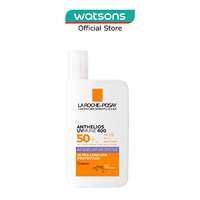
LA ROCHE-POSAY Anthelios UVMUNE 400 Anti-Dark Spots Fluid SPF50+ PA++++ 50ml
$62.50
Buy on LazadaAbout La Roche
Overview
La Roche-Posay is a French dermocosmetic skincare brand recognised for formulations designed for sensitive, reactive, acne-prone, dry and compromised skin. The brand is closely associated with dermatological research, clinical testing, minimalist formulations and La Roche-Posay Thermal Spring Water. It is distinct from Roche, the Swiss pharmaceutical and biotechnology company.
La Roche-Posay currently operates as part of L’Oréal within its Dermatological Beauty division (formerly Active Cosmetics). L’Oréal acquired the brand as part of its strategic expansion into scientifically oriented skincare.1
Brand profile
| Attribute | Information |
|---|---|
| Brand | La Roche-Posay |
| Full name | La Roche-Posay Laboratoire Dermatologique |
| Origin | France |
| Industry | Skincare / Dermocosmetics |
| Founded | 1975 |
| Founder | René Levayer |
| Parent company | L’Oréal |
| Core positioning | Dermatological skincare for sensitive skin |
| Signature ingredient | La Roche-Posay Thermal Spring Water |
| Target users | Sensitive, reactive, dry, acne-prone and compromised skin |
| Key categories | Cleansers, moisturisers, acne care, sunscreens, anti-ageing, body care |
| Distribution | Pharmacies, dermatology clinics, retailers and e-commerce globally |
La Roche-Posay states that the brand is now present in more than 60 countries.5
Origins and thermal water heritage
The name La Roche-Posay refers to a commune in the Vienne department of France. This location has been associated with therapeutic thermal waters for centuries, making the town and its springs central to the company’s origins rather than a marketing construct.2
Historical records link the thermal waters to therapeutic use dating back to at least the 14th century. The town subsequently developed into a significant European centre for thermal dermatology, with a dedicated thermal dermatology centre established in 1905.3
Thermal Spring Water
La Roche-Posay Thermal Spring Water is the foundational element of the brand’s identity. Sourced from the springs in La Roche-Posay, France, the water is naturally rich in minerals, trace elements and selenium. The brand attributes soothing, softening and antioxidant properties to this ingredient.4
While the thermal water remains a signature component, the modern brand identity relies heavily on dermatological research, formulation science and clinical validation rather than the water alone.
Establishment of the modern brand
The contemporary La Roche-Posay brand was founded in 1975 when René Levayer established Laboratoires La Roche-Posay.5 The objective was to translate the dermatological heritage of the thermal centre into daily skincare products suitable for home use.
This approach positioned the brand between traditional cosmetics and pharmaceutical dermatology, a category now commonly referred to as dermocosmetics.
Formulation philosophy
The brand’s philosophy centres on balancing efficacy with tolerance. Rather than prioritising fragrance or luxury aesthetics, La Roche-Posay emphasises:
- Skin tolerance
- Dermatological efficacy
- Scientifically selected ingredients
- Appropriate active concentrations
- Clinical testing
- Compatibility with sensitive skin
- Collaboration with dermatologists
The brand maintains that its formulation standards exceed standard cosmetic regulations, subjecting products to rigorous safety and efficacy testing. In Singapore, for example, the brand highlights allergy testing, validation on highly sensitive skin and the use of only necessary ingredients at effective doses.5
This clinical focus influences packaging and advertising, which tend to adopt a pharmaceutical aesthetic rather than traditional beauty branding.
Relationship with dermatologists
Dermatologists are integral to the brand’s identity and development. La Roche-Posay collaborates extensively with skin specialists and invests significantly in dermatological research. Its global communications cite over 750 studies and 25 years of research supporting its dermatological approach.6
L’Oréal has historically positioned La Roche-Posay as a key dermatological skincare brand. Annual reports have identified it as a major growth driver for the Dermatological Beauty division, noting its focus on balancing efficacy with tolerance.
Product portfolio
La Roche-Posay offers a comprehensive portfolio spanning several key categories.
Cleansing and basic skincare
These products are formulated to cleanse gently while maintaining the skin barrier, catering to individuals who find conventional cleansers too drying or irritating.
Moisturisers and barrier care
This category addresses dryness, sensitivity, weakened skin barriers, irritation and atopic-prone skin.
Acne and oily skin
The Effaclar line is one of the brand’s most recognisable ranges, targeting oily skin, acne, clogged pores, blemishes and excess sebum. L’Oréal identifies Effaclar as a primary solution for oily and acne-prone skin.7
Sun protection
Sunscreen is a major category for the brand, combining its dermatological positioning with high-performance UV protection.
Baby and family skincare
The range includes products specifically designed for infants and children, particularly those with dry or sensitive skin.
Anti-ageing and dermatological treatments
Anti-ageing products are framed through dermatological science rather than luxury cosmetics. For instance, the Hyalu B5 range focuses on hyaluronic acid for hydration and skin repair.8
Key product ranges
| Range | Primary indication |
|---|---|
| Toleriane | Sensitive and reactive skin |
| Effaclar | Acne-prone and oily skin |
| Cicaplast | Barrier repair and irritated skin |
| Anthelios | Sun protection |
| Lipikar | Dry, very dry and atopic-prone body skin |
| Hyalu B5 | Hydration and anti-ageing |
| Mela B3 | Pigmentation and uneven skin tone |
| Pure Vitamin C | Antioxidant and anti-ageing |
| Thermal Spring Water | Soothing and refreshing mist |
Product availability may vary by market.
Cicaplast
Cicaplast Baume B5 is among the brand’s most widely recognised products. The range focuses on supporting damaged, irritated or weakened skin barriers. It has gained popularity among consumers seeking barrier repair, post-treatment recovery and relief from environmental stress. Unlike standard moisturisers, it is positioned specifically as a dermatological barrier-care product.
Toleriane
The Toleriane range aims to maximise tolerance for sensitive and reactive skin. Formulations avoid unnecessary complexity, adhering to the principle that sensitive skin should not require a compromise in efficacy.
Effaclar
Effaclar addresses acne while respecting sensitive skin. This distinguishes it from aggressive acne treatments that may impair the skin barrier, addressing the common coexistence of acne and sensitivity.
Corporate ownership
La Roche-Posay is owned by L’Oréal, one of the world’s largest beauty companies. It sits within L’Oréal’s Dermatological Beauty portfolio alongside other clinical skincare brands. L’Oréal lists La Roche-Posay among its strategic acquisitions.8
This corporate structure provides access to large-scale R&D, global manufacturing, dermatological research, international distribution and marketing infrastructure. Despite its clinical presentation, the brand operates within a major global beauty corporation.
Market positioning
La Roche-Posay occupies a distinct space in the skincare market compared to other brand types:
| Brand type | Typical emphasis |
|---|---|
| Luxury skincare | Prestige, sensory experience |
| K-beauty | Innovation, textures, multi-step routines |
| Natural skincare | Botanical ingredients |
| Mass-market skincare | Accessibility, daily use |
| La Roche-Posay | Dermatology, tolerance, evidence-based skincare |
Its competitive advantage lies in medical credibility and trustworthiness rather than glamour, a distinction reinforced by its clinical visual identity.
Core pillars
The brand rests on four foundational pillars:
- Dermatology: Skincare rooted in dermatological science rather than pure cosmetics.
- Sensitive skin: A defining consumer territory for the brand.
- Thermal spring water: A distinctive historical and geographical identifier.
- Clinical research: Emphasis on clinical studies, safety testing and dermatologist involvement across diverse ages, skin tones and ethnicities.
Distinction from Roche Pharmaceuticals
La Roche-Posay is a dermocosmetic brand and is not affiliated with Roche Pharmaceuticals.
- La Roche-Posay: French dermatological skincare brand owned by L’Oréal.
- Roche (F. Hoffmann-La Roche): Swiss pharmaceutical and biotechnology company founded in Basel in 1896.
These are entirely separate entities with no corporate relationship.
Target audience
Historically, La Roche-Posay appealed primarily to individuals with sensitive skin, redness, acne, dryness or compromised barriers who sought dermatologist-oriented, fragrance-free and clinically tested products. The audience has since expanded to include mainstream consumers seeking reliable, uncomplicated skincare.
Visual identity
The brand employs a deliberately clinical, French and minimalist aesthetic featuring white packaging, blue accents, laboratory-style typography and pharmaceutical-inspired containers. This visual language communicates a focus on skin health rather than cosmetic enhancement.
Global presence
From its origins as a French thermal-dermatology concept, La Roche-Posay has grown into a global business available in over 60 countries.5 Its international expansion has contributed to the prominence of French pharmacy skincare in global beauty culture.
Reputation
The brand enjoys a strong reputation among dermatologists, pharmacists and consumers with sensitive or problematic skin. Its equity is built on trust rather than luxury; consumers typically value the brand for its reliability when dealing with irritated or difficult skin conditions.
Strengths and limitations
Strengths
- Dermatological positioning: Consistent identity rooted in dermatology.
- Sensitive skin expertise: Reinforced by ranges such as Toleriane, Cicaplast and Lipikar.
- Comprehensive portfolio: Enables complete skincare routines within the brand.
- Sun protection leadership: Anthelios is a significant player in the sunscreen category.
- Scientific credibility: Communication centred on clinical studies and dermatologist collaboration.
Limitations
Some consumers consider certain products expensive relative to standard drugstore alternatives. Additionally, despite the brand’s association with sensitive skin, individual tolerances vary, and “dermatologist tested” does not guarantee universal compatibility. Products remain cosmetics subject to local regulations, not medicines.
Brand DNA
The essential identity of La Roche-Posay comprises:
- French origin
- Thermal dermatology heritage
- Focus on sensitive skin
- Dermatologist collaboration
- Clinical research
- High tolerance standards
- Accessible daily dermatological skincare
Timeline
- 14th century: Historical accounts associate La Roche-Posay thermal springs with therapeutic use.
- 1905: Thermal dermatology centre established.9
- 1928: First cosmetics containing La Roche-Posay thermal spring water created.
- 1975: René Levayer establishes Laboratoires La Roche-Posay, founding the modern brand.5
- 1990s–2000s: International expansion and development of modern dermocosmetic identity.
- L’Oréal era: Integration into L’Oréal’s Dermatological Beauty portfolio.8
- 2022: Historic French thermal spa centre reopens following renovation, combining thermal heritage with contemporary dermatological care.
- Present: Operates internationally as a leading dermatological skincare brand within L’Oréal.5
Summary
La Roche-Posay is a French dermocosmetic skincare brand founded in 1975 by René Levayer and now owned by L’Oréal. Its identity originates from the mineral-rich thermal waters of La Roche-Posay, France, a site with centuries of dermatological history. The modern brand focuses on scientifically developed skincare for sensitive and problematic skin, combining thermal spring water, dermatologist collaboration, carefully selected ingredients and clinical testing. Key product families include Toleriane for sensitive skin, Effaclar for acne-prone skin, Cicaplast for barrier care, Lipikar for dry and atopic-prone skin, and Anthelios for sun protection. Occupying the space between conventional cosmetics and medical dermatology, La Roche-Posay offers accessible, science-oriented skincare designed around efficacy and tolerance.
References
- La Roche
- The History of La Roche-Posay | La Roche-Posay Australia
- La Roche-Posay | 50 Years of Life-Changing Skincare
- Our Story | La Roche-Posay
- Explore Skincare, Sunscreen, Body Lotion | La Roche-Posay
- 라로슈포제 소개 | 전 세계 피부 전문가가 선택한 민감 피부 솔루션 | 라로슈포제 공식몰
- Our Story | La Roche-Posay
- Roche | Our History
- L’Oréal SG Data Policy & Cy Maintenance | La Roche-Posay