Shop on Lazada
life extension products
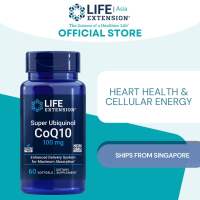
LIFE EXTENSION Super Ubiquinol CoQ10 for Heart Health Boost Energy Reduce Fatigue 100 mg 60 softgels
$62.01$75.61
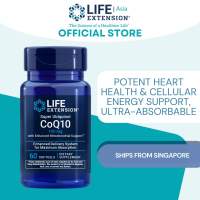
LIFE EXTENSION Super Ubiquinol CoQ10 with Enhanced Mitochondrial Support Heart Health Reduce Fatigue 100 mg 60 softgels
$67.75$84.68
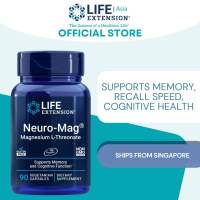
LIFE EXTENSION Neuro-Mag® Magnesium L-Threonate Brain Energy Booster Health Supplement 90 Vegetarian Capsules
$55.80$62.00
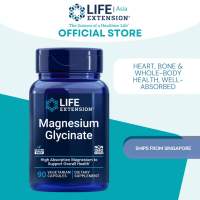
LIFE EXTENSION Magnesium Glycinate 90 vegetarian capsules
$28.12$36.06
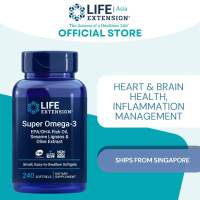
LIFE EXTENSION Super Omega-3 EPA/DHA Fish Oil Sesame Lignans & Olive Extract Omega 3 Fatty Acids 240 softgels
$48.40$60.49
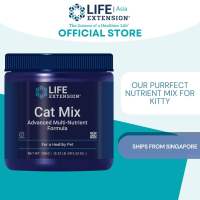
LIFE EXTENSION Cat Mix Vitamins Pet Supplement Nutritional Support Advance Multi Nutrients
$29.95$33.27
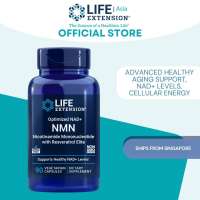
LIFE EXTENSION NMN Nicotinamide Mononucleotide With Resveratrol Elite™ 90 vegetarian capsules
$58.75$69.12
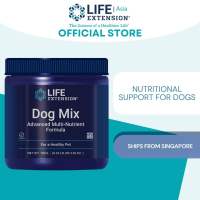
LIFE EXTENSION Dog Mix Vitamins Pet Supplement Nutritional Support
$21.25$25.71
About life extension
Life Extension is an American dietary supplement and wellness company best known for its focus on healthy ageing, longevity, preventive health, vitamins, nutritional supplements, and science-based health education. The company traces its origins to 1980, when Saul Kent and Bill Faloon established the Life Extension Foundation with the broader goal of promoting research into ageing and extending healthy human lifespan 1.
Today, Life Extension is a privately owned supplement company headquartered in Fort Lauderdale, Florida, selling more than 400 supplements across more than 40 health categories, alongside laboratory testing, educational content, and health guidance 2.
Overview
| Category | Details |
|---|---|
| Brand | Life Extension® |
| Founded | 1980 |
| Founders | Saul Kent and Bill Faloon |
| Headquarters | Fort Lauderdale, Florida, USA |
| Industry | Dietary supplements, nutrition, healthy ageing, wellness |
| Ownership | Privately owned |
| Main market | United States and international markets |
| Products | Vitamins, minerals, herbal extracts, specialty supplements, probiotics, etc. |
| Additional services | Laboratory testing, health education, magazine, wellness guidance |
| Core positioning | Science-oriented nutrition and healthy longevity |
| Manufacturing | Life Extension states that 99% of its supplements are manufactured in the U.S. |
| Quality system | GMP registered with NSF International, according to the company |
| Research funding | More than $180 million toward anti-ageing and disease research, according to Life Extension |
History
1980 — Foundation
Life Extension began in 1980 through Saul Kent and Bill Faloon. Their original mission was considerably broader than selling vitamins: they wanted to raise public awareness of research into ageing, age-related disease, and the possibility of extending the healthy human lifespan 4.
This philosophy became the foundation of the brand’s identity: ageing should be approached as something that can be scientifically investigated and potentially modified, rather than simply accepted as an unavoidable process.
Over time, the organisation developed from an anti-ageing research and advocacy group into a consumer health company with a large supplement business.
The Life Extension philosophy
The brand’s philosophy can essentially be summarised as:
Use nutritional science, research, testing and preventive health strategies to help people live longer and healthier lives.
Life Extension places particular emphasis on healthspan, not simply lifespan.
Lifespan vs healthspan
- Lifespan = how long a person lives.
- Healthspan = how long a person remains relatively healthy and functional.
This distinction is important to understanding the brand. Life Extension is not positioned simply as a conventional multivitamin company. Its branding revolves around healthy ageing and longevity.
The company says it has funded more than $180 million toward anti-ageing and disease research and describes independent research as a cornerstone of its mission 5.
Product portfolio
Life Extension’s product portfolio is unusually broad for a supplement company. According to the company’s current description, it offers 400+ vitamins and supplements across 40+ health categories 6.
Major categories include:
Vitamins & minerals
Examples include:
- Vitamin D
- Vitamin C
- Vitamin K
- B vitamins
- Magnesium
- Zinc
- Selenium
- Calcium
Multivitamins
Life Extension sells several formulations designed around different age groups and nutritional goals. One of its best-known product families is Two-Per-Day, a high-potency multivitamin positioned around comprehensive nutritional coverage.
Healthy ageing & longevity
This is perhaps the category most strongly associated with the brand. Products may contain ingredients such as:
- CoQ10
- PQQ
- NAD+-related ingredients
- Resveratrol
- Spermidine
- Fisetin
- Polyphenols
- Omega-3 fatty acids
- Various botanical extracts
The exact scientific evidence differs substantially between individual ingredients, so “longevity supplement” should not be interpreted as meaning that a product has been proven to extend human lifespan.
Heart & cardiovascular health
Products include nutrients and botanical ingredients marketed for areas such as:
- Cardiovascular function
- Cholesterol management
- Blood-vessel health
- Healthy blood pressure
- Antioxidant protection
Brain & cognitive health
Life Extension has a substantial cognitive-health portfolio involving ingredients marketed for:
- Memory
- Concentration
- Brain ageing
- Neuronal health
Sleep
The company also sells sleep-related products, including formulations containing ingredients such as melatonin and other compounds associated with sleep support.
Digestive health
Products include:
- Probiotics
- Digestive enzymes
- Prebiotic ingredients
- Gastrointestinal-support formulas
Men’s health
Examples include products targeting:
- Prostate health
- Testosterone-related wellness
- Urinary health
- Male reproductive health
Women’s health
Products cover areas such as:
- Bone health
- Hormonal health
- Menopause
- Reproductive wellness
- Women’s multivitamins
Skin & beauty
The company also offers nutritional products positioned around:
- Skin health
- Collagen
- Hair
- Nails
- Antioxidant protection
Historically important ingredients
Life Extension has built much of its reputation around being an early adopter or promoter of particular nutrients and health concepts. The company highlights several examples from its history.
DHEA
In 1981, Life Extension promoted DHEA as an anti-ageing hormone 7. DHEA subsequently became widely discussed within the broader anti-ageing and hormone-health field. However, this is a good example of why the company’s historical claims should be distinguished from modern medical consensus: evidence for anti-ageing benefits of DHEA in healthy people remains complex and does not establish that DHEA extends human lifespan.
Coenzyme Q10
Life Extension says it was among the first organisations in the United States to recommend CoQ10 as an anti-ageing nutrient in the 1980s 8. CoQ10 subsequently became a mainstream nutritional supplement, particularly in discussions surrounding mitochondrial and cardiovascular function.
Melatonin
Life Extension says it introduced melatonin to the American public in 1992 based on research concerning sleep and ageing 9. Melatonin is now a widely available supplement in the United States.
SAMe
In 1997, Life Extension says it introduced SAMe to American consumers 10. SAMe is a naturally occurring compound involved in biochemical methylation reactions and has been investigated for several health applications.
Lycopene
Life Extension promoted lycopene as a dietary supplement in the 1980s, particularly in relation to cancer-prevention research 11.
Life Extension Magazine
An important part of the brand is Life Extension Magazine®. Rather than relying solely on product advertising, Life Extension has historically used its magazine and other educational channels to discuss nutrition, ageing, medical research, disease prevention, supplements, laboratory testing, emerging therapies, and longevity research.
The company currently describes the magazine as a scientifically reviewed monthly publication about healthy ageing, offered free to customers 12. This educational component is one of the factors that differentiates Life Extension from many conventional vitamin brands.
Research and scientific positioning
Life Extension strongly emphasises a research-driven formulation philosophy. According to the company, ingredients are selected according to factors including purity, potency, published scientific research, dosage used in research, and safety considerations.
The company also states that it conducts or supports clinical research and uses third-party laboratory analysis. Life Extension says it has funded research, supplied raw materials for studies, and supported research into ageing and age-related diseases.
Important distinction
There is an important difference between “this ingredient has been studied scientifically” and “this supplement has been proven to produce a particular health outcome in humans”. Life Extension’s catalogue contains ingredients with very different levels of evidence. Some have substantial human clinical research, while others have evidence that is preliminary, observational, mechanistic, or based primarily on animal or laboratory studies. Therefore, the company’s scientific positioning should not automatically be interpreted as meaning that every product or claim has been independently proven.
Manufacturing and quality control
Quality control is one of Life Extension’s major selling points. The company states that 99% of its supplements are manufactured in the United States, ingredients are tested for purity and potency, finished products undergo additional testing, certificates of analysis are available, and the company is GMP registered with NSF International 13.
GMP
GMP stands for Good Manufacturing Practices. These standards concern processes such as manufacturing, packaging, labelling, quality control, testing, documentation, and handling of ingredients. Life Extension says its NSF GMP registration involves audits of its quality systems and distribution operations and compliance with applicable FDA dietary-supplement GMP requirements 14. While this is an important quality credential, GMP certification does not mean that every health claim made for a supplement has been clinically proven.
Life Extension and the FDA
Life Extension operates primarily in the dietary supplement category rather than as a pharmaceutical company. In the United States, dietary supplements are regulated differently from prescription drugs. A supplement does not have to demonstrate the same level of pre-market clinical efficacy required for an FDA-approved pharmaceutical.
Consequently, FDA regulation does not equate to FDA approval of each Life Extension supplement. Instead, products are marketed under the regulatory framework applicable to dietary supplements. This is particularly relevant when evaluating strong terms such as anti-ageing, longevity, disease prevention, cognitive enhancement, and hormone optimisation, as those terms can encompass very different levels of scientific evidence.
Historical controversy and unconventional image
Life Extension has historically been more aggressive and unconventional than mainstream vitamin companies. In its early decades, the organisation promoted ideas that were considered controversial or outside conventional medical practice at the time. Its own historical material highlights subjects such as DHEA, CoQ10, low-dose aspirin, melatonin, alternative approaches to disease prevention, longevity research, and nutritional approaches to serious disease.
The organisation also had significant conflicts with U.S. regulators during the 1980s and 1990s over certain health claims and medical information. Its historical account describes, for example, an FDA raid in 1987 related to its publication concerning nutritional supplementation and HIV/AIDS 15. This history contributed to Life Extension’s identity as a company willing to challenge conventional medical thinking. At the same time, some historical claims made by Life Extension have been stronger than what subsequent evidence or mainstream medical consensus supports. Therefore, its historical track record is best understood as a mixture of genuinely influential nutritional advocacy, scientific exploration, and controversial claims.
Market positioning
Life Extension occupies a distinct position in the supplement market. A simplified spectrum would look like this:
- Basic vitamin brand: Ordinary multivitamins and minerals.
- Premium supplement brand: Higher-dose, specialised formulas.
- Life Extension: Science-oriented + preventive health + healthy ageing + longevity.
- Longevity/biotech companies: Experimental therapeutics, senolytics, gene therapy, cellular reprogramming, etc.
Life Extension is therefore not a biotechnology longevity company in the same sense as companies developing drugs to modify biological ageing. It is primarily a consumer health and nutritional-supplement company whose brand identity is built around longevity science.
Regional availability
Life Extension maintains official operations in specific international markets, including Thailand. The Thai operation describes its products as U.S.-manufactured nutritional supplements imported into Thailand and states that its products have undergone Thai FDA-related inspection for importation 16. For consumers in Singapore and the wider region, this distinction is relevant because officially imported products and parallel-imported products are not necessarily equivalent from a regulatory or supply-chain perspective. Official regional sites specifically describe themselves as offering registered Life Extension products available in their respective territories 1718.
Company size and operations
Life Extension states that it has approximately 500 employees. Its operations include corporate headquarters and retail presence in Fort Lauderdale, Florida; a customer-service centre in Las Vegas; manufacturing and shipping operations in New Jersey; online sales; educational operations; and laboratory-testing services. The company therefore operates as considerably more than a simple supplement label.
Key differentiators
Longevity is central to the brand
For most vitamin companies, “healthy ageing” is one category. For Life Extension, longevity is essentially the brand’s founding philosophy.
Long history
Founded in 1980, it has more than four decades of history in the supplement and anti-ageing space 19.
Substantial educational material
Its magazine, website, protocols, articles, and educational programmes make the company unusually content-heavy for a supplement manufacturer.
Highly specialised formulas
Instead of limiting itself to basic vitamins, the catalogue contains numerous specialised combinations targeting specific physiological systems.
Emphasis on research
The company consistently emphasises published research, clinical studies, ingredient testing, and research funding.
Strong anti-ageing identity
This is arguably its most recognisable characteristic.
Limitations and criticisms
Scientific evidence varies
Not every Life Extension product has the same level of evidence. Some ingredients are well studied; others have relatively limited human evidence.
Supplements are not pharmaceuticals
A supplement containing a scientifically interesting molecule is not equivalent to an FDA-approved drug containing that molecule.
High-dose formulas are not automatically better
Life Extension is known for relatively sophisticated and sometimes high-potency formulations. More is not necessarily better, particularly for nutrients that can cause adverse effects at excessive doses.
Anti-ageing claims require caution
There is currently no dietary supplement established to make humans biologically younger or reliably extend maximum human lifespan. A product can support a physiological process associated with healthy ageing without actually being demonstrated to extend human life.
Individual needs differ
A supplement that makes sense for someone with a documented deficiency or particular nutritional requirement may be unnecessary for another person.
Overall reputation
Life Extension is generally regarded as one of the more research-oriented and longevity-focused brands in the American supplement industry. Its reputation stems from three factors working together:
- Longevity advocacy: Its origins are deeply connected with anti-ageing research.
- Product development: It developed a large portfolio of high-potency and specialised nutritional formulas.
- Education and research: It has invested heavily in publishing health information and funding research.
The result is a brand that sits somewhere between a traditional vitamin company and the emerging longevity movement.
Comparison with typical vitamin brands
| Feature | Typical vitamin brand | Life Extension |
|---|---|---|
| Basic vitamins | ✓ | ✓ |
| Multivitamins | ✓ | ✓ |
| Specialised formulas | Sometimes | Major focus |
| Healthy ageing | Some | Core positioning |
| Longevity research | Limited | Central to identity |
| Scientific education | Limited–moderate | Major component |
| Research funding | Varies | Major emphasis |
| Laboratory testing | Varies | ✓ |
| Probiotics | ✓ | ✓ |
| Specialty nutrients | Some | Very extensive |
| Anti-ageing heritage | Usually absent | Since 1980 |
Summary
Life Extension is best understood as a longevity-oriented American supplement and health-education company rather than simply a vitamin brand. Founded in 1980 by Saul Kent and Bill Faloon, the organisation originally sought to promote research into controlling ageing and extending healthy human lifespan. Over four decades, it developed into a large consumer-health company selling hundreds of nutritional products, laboratory tests, and educational resources.
Its defining characteristics are longevity, scientific research, specialised supplementation, preventive health, and healthy ageing. The brand has a legitimate and unusually long history in nutritional and longevity advocacy, and it places considerable emphasis on manufacturing quality and research. However, the scientific evidence needs to be evaluated product-by-product rather than treating “Life Extension” as a blanket guarantee that every longevity claim is clinically proven.
References
- Want to live a healthier life? Welcome to Life Extension
- Our People – – Life Extension
- How Does Life Extension Ensure Quality, Purity & Efficacy of its Supplements? – Life Extension
- Life Extension Values: Defined By Passion, Driven By Science.
- Revolutionary Concept Slowly Gains Recognition – page 1 – Life Extension
- Life Extension History: Decades Of Scientific Research
- DHEA, other scientific achievements in the 1980s – Life Extension
- Life Extension History: Decades Of Scientific Research – Life Extension
- อาหารเสริมและวิตามินคุณภาพสูง Life Extension นำเข้าจากอเมริกา ผู้นำด้านเวชศาสตร์ชะลอวัย
- Your Personal Life Extension Program – Life Extension
- Welcome to Life Extension’s Press Center – Life Extension
- Impeccable track record of 40 years of scientific achievement – Life Extension
- Life Extension: Your Partner for a Lifetime of Good Health – – Life Extension
- Douglas Laboratories Vitamins & Supplements – Life Extension
- Dietary Supplement Safety Control – page 1 – Life Extension
- ประวัติศาสตร์
- About Us
- All brands
- ประวัติศาสตร์ Life Extension