Shop on Lazada
Manfrotto products
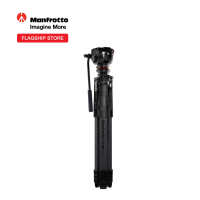
Manfrotto ONE Hybrid Tripod with 500X Fluid Head
$1,139.00
Buy on Lazada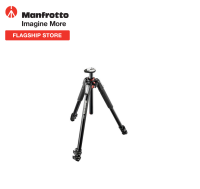
Manfrotto MT055XPRO3 3-Section Aluminium Tripod
$371.00
Buy on Lazada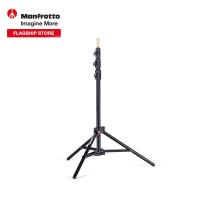
Manfrotto 1051BAC Mini Compact Lighting Stand with Air Cushioning
$147.00
Buy on Lazada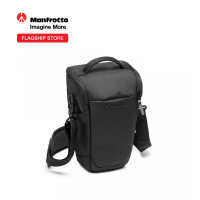
Manfrotto Advanced Holster L III
$90.00
Buy on Lazada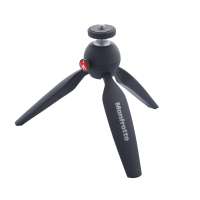
Manfrotto PIXI Mini Tripod (Black / Red)
$33.60$49.00
About Manfrotto
Manfrotto is an Italian brand specialising in professional equipment for photography, filmmaking, lighting and modern content creation. It is best known for its tripods, monopods, camera heads, lighting stands, clamps and studio-support equipment, although its current product portfolio also includes camera bags, specialised supports, and solutions for mobile, VR, sports and hybrid photo/video work.1
The brand has become particularly associated with Italian engineering, professional camera support, precision manufacturing and the “Made in Italy” tradition. Today, Manfrotto is part of Videndum plc, a British-listed specialist in products and services for the content-creation market.2
Basic information
| Attribute | Details |
|---|---|
| Brand | Manfrotto |
| Origin | Italy 🇮🇹 |
| Industry | Photography, filmmaking, lighting & content creation |
| Founded / origins | Late 1960s; major development from 1972 |
| Founder | Lino Manfrotto |
| Key early collaborator | Gilberto Battocchio |
| Headquarters / historic base | Cassola, Vicenza, Italy |
| Parent company | Videndum plc |
| Known for | Tripods, camera supports, heads, lighting supports, clamps |
| Manufacturing identity | Strong “Made in Italy” positioning |
| Primary users | Photographers, filmmakers, videographers, studios, broadcasters and content creators |
| Current positioning | Professional and premium imaging-support equipment |
Brand overview
Manfrotto is fundamentally a camera-support and imaging-equipment brand. Unlike camera manufacturers such as Canon, Nikon, Sony or Fujifilm, Manfrotto generally does not compete by making cameras or lenses. Instead, its role is to provide the equipment that holds, positions, stabilises, protects, transports or lights the camera and subject.
While its most recognisable product is the tripod, describing Manfrotto simply as a “tripod company” is now too narrow. Its portfolio covers:
- Camera tripods
- Video tripods
- Monopods
- Ball heads
- Fluid heads
- Camera support systems
- Lighting stands
- Boom arms
- Clamps
- Studio support equipment
- Background systems
- Camera bags and backpacks
- Gimbal-support equipment
- Smartphone and mobile supports
- VR supports
- Sports-photography supports
- Other professional accessories
In essence, Manfrotto provides the physical infrastructure around image-making.
Origins and history
Early beginnings
Manfrotto’s story began in northern Italy in the late 1960s with Lino Manfrotto, who was working as a photographer. At the time, he found the studio equipment available to photographers restrictive and identified a specific need for lighting supports that were simultaneously tall and lightweight. He designed his own lighting stand to solve this problem, and this invention became the foundation for what would eventually become Manfrotto.
The company did not originally emerge from a large industrial corporation but grew from a working photographer identifying practical problems with professional equipment and designing better solutions.
Partnership and first tripod
A major turning point occurred in 1972 when Lino Manfrotto began working with Gilberto Battocchio, a technician. This partnership combined complementary skills: Lino Manfrotto brought practical experience as a photographer and product user focused on the needs of image-makers, while Gilberto Battocchio contributed engineering and manufacturing expertise to transform ideas into practical equipment.
Two years after their partnership began, in 1974, the first Manfrotto tripod was introduced. According to Manfrotto, its combination of versatility and intelligent design helped it become an international success.3 This period established the brand’s core philosophy that professional photographers should be involved in the development of professional photographic equipment.
Early product innovations
Following the launch of the first tripod, Manfrotto expanded beyond basic camera supports. Key early products that defined its identity included:
- Superboom: A professional boom system designed for studio and lighting applications.
- Autopole: A telescopic support system that proved useful for studio environments.
- Super Clamp: One of Manfrotto’s most recognisable studio-support products, allowing photographers, filmmakers and studio crews to attach equipment to structures without requiring a traditional stand for every piece of gear.4
These products helped Manfrotto evolve from a tripod manufacturer into a broader professional support-system company.
Expansion and acquisition
During subsequent decades, Manfrotto expanded internationally, finding customers among professional photographers, photojournalists, advertising photographers, film crews, television production teams, studios, broadcasters and independent filmmakers. The brand’s reputation became increasingly associated with professional reliability and precision, based on mechanical engineering and professional workflow rather than consumer electronics.
An important chapter in the company’s history occurred when it became part of the British Vitec Group. Corporate records indicate that Manfrotto was acquired in 1989, with Lino Manfrotto and Gilberto Battocchio remaining involved in group management.13 This acquisition provided access to a larger international corporate structure and accelerated its global presence within an ecosystem of professional imaging brands.
Transition to Videndum
The parent company subsequently changed its name from Vitec Group plc to Videndum plc in 2022, reflecting a focus on the global content-creation industry.14 Today, Manfrotto sits within Videndum’s portfolio alongside other professional imaging and production brands covering areas such as camera support, motion control, lighting, broadcast, audio, camera power, monitoring, transmission and production accessories.5
Product categories
Tripods
Tripods remain central to the Manfrotto identity. The company produces different types for still photography, professional video, travel, landscape photography, studio work, wildlife photography, sports photography and hybrid photo/video shooting. The brand’s tripod philosophy generally emphasises a combination of stability, portability, precision and durability.9
Monopods
Manfrotto manufactures monopods for situations where photographers require more mobility than a traditional tripod provides. These are particularly useful for sports, wildlife, events, photojournalism, telephoto lenses and fast-moving shooting environments.
Tripod heads
Manfrotto produces several types of heads to complement its support systems:
- Ball heads: Primarily associated with still photography, allowing photographers to quickly reposition the camera in multiple directions.
- Fluid heads: More closely associated with video, providing controlled, smooth movements such as panning, tilting and following moving subjects, making them essential for filmmakers and videographers.11
Lighting equipment
As the brand’s heritage began with lighting supports, lighting remains a significant category. The current portfolio includes light stands, arms, clamps, studio lighting systems, background systems and lighting-control solutions. This equipment allows Manfrotto to provide many of the mechanical components required in a professional studio environment.
Camera bags and transportation
Manfrotto has expanded into camera transportation and protection, offering professional camera bags and backpacks designed for photographers and filmmakers who need to transport cameras, lenses and accessories.6 This represents an evolution from simply holding the camera to carrying, protecting, supporting and operating the entire imaging system.
Specialised products
Reflecting the changing nature of the imaging industry, Manfrotto develops equipment for specialised applications including virtual reality, sports photography, smartphones, action cameras, gimbals and hybrid photography/video.5 Target users now include YouTubers, filmmakers, hybrid creators, mobile creators, social-media producers and other content professionals alongside traditional DSLR photographers.
Manufacturing and design philosophy
Made in Italy
A defining element of Manfrotto’s brand identity is its “Made in Italy” positioning. The company emphasises Italian manufacturing, craftsmanship and engineering, stating that its products are crafted in Italy using a combination of traditional manufacturing knowledge, modern technology and quality-control processes.1314 This focus on durability and precision is critical for equipment that must withstand repeated movement, mechanical stress, heavy camera/lens combinations, outdoor environments and frequent setup and teardown. The company states it holds more than 60 patents, reflecting its emphasis on product development and engineering.719
Design principles
Manfrotto’s design philosophy encompasses several key areas:
- Professional functionality: Products are designed around actual shooting requirements rather than purely cosmetic features.
- Mechanical precision: Supports, heads and clamps depend heavily on precise mechanical operation.
- Portability: Weight and folded dimensions are prioritised for professionals who frequently transport equipment.
- Modularity: Systems consist of multiple components designed to work together.
- Durability: Equipment is expected to survive repeated professional use.
- Italian industrial design: Engineering is combined with a recognisable Italian design language.
The company works closely with professional users and subjects products to hands-on testing, integrating practical creator requirements into the design process.8
Market positioning
Target audience
Manfrotto historically maintained a strong professional identity. Its customers include:
- Professional photographers: Including commercial, studio, wedding, portrait, landscape, wildlife and sports photographers, as well as photojournalists.
- Videographers and filmmakers: Working in cinema, documentary, corporate video, television, commercial production and YouTube/content creation.
- Studios: Utilising lighting and support products in controlled environments.
- Enthusiasts: Advanced hobbyists and serious enthusiasts who value professional-grade equipment.
Competitive positioning
Manfrotto generally occupies the premium/professional portion of the camera-support market. Its competitive advantage relies on engineering, materials, reliability, professional usability, product ecosystem, brand heritage and Italian manufacturing rather than lowest price. While the brand offers products for different user levels, its overall image remains strongly associated with serious photography and professional production.
Within the broader Videndum ecosystem, Manfrotto provides broad professional camera and lighting support, distinguishing it from sister brands like Gitzo, which focuses on premium photographic tripods, and other specialist brands covering broadcast, audio and monitoring.10
Unlike camera manufacturers (e.g., Sony, Canon, Nikon) or lighting specialists (e.g., Godox, Profoto), Manfrotto forms part of the supporting infrastructure of image production, focusing on supports, tripods, heads and stands.
Brand evolution and identity
Slogans and messaging
Manfrotto’s historical slogan, “Proven Professional”, emphasised its professional heritage. Its later positioning uses “Imagine More”, reflecting a broader focus on enabling creators to turn ideas into finished visual work.17 This shift allows the brand to retain its professional credibility while becoming relevant to the modern creator economy.
Digital era adaptation
As the photography industry shifted from film-based workflows to digital and social-media-centric production, Manfrotto broadened its product range toward hybrid creators and modern content production.16 Current messaging addresses photographers, filmmakers and broader “creators”, with products covering mobile, VR, sports and other specialised applications. This marks a transition from being solely a photographic equipment support company to a comprehensive content-creation equipment provider.
Key strengths and limitations
From a brand perspective, Manfrotto’s strengths include its heritage of over 50 years in imaging support,20 high recognition among professionals, strong mechanical engineering, distinct Italian identity,18 broad product range and global reach through the Videndum distribution network.23
However, some buyers may find professional products more expensive than entry-level alternatives, heavier than ultra-light travel systems, or more feature-rich than necessary for casual use. The market also faces competition from companies specialising in carbon-fibre travel tripods, video systems and lightweight creator equipment. Consequently, Manfrotto’s primary advantage lies in its combination of heritage, engineering, product range, professional reputation and ecosystem rather than individual product superiority in every niche.
Timeline
- Late 1960s: Lino Manfrotto begins developing equipment to solve practical problems with studio gear.
- 1972: Partnership with technician Gilberto Battocchio begins.2
- 1974: First Manfrotto tripod introduced.11
- 1970s: Products including Superboom, Autopole and Super Clamp expand the studio-support portfolio.12
- 1989: Vitec acquires Manfrotto; founders remain involved in group management.13
- 1990s–2000s: Manfrotto develops into a globally recognised photographic-support brand.
- 2000s–2010s: Expansion of tripod, head, lighting, bag and accessory ecosystem; adaptation to digital photography and video.
- 2022: Vitec Group changes name to Videndum plc.14
- 2024: Manfrotto marks the 50th anniversary of the first tripod-era company history.15
- 2026: Continues positioning around professional photography, filmmaking and broader content creation.16
Overall assessment
Manfrotto is best understood as an Italian professional imaging-support brand rather than simply a tripod manufacturer. Its history began with photographer Lino Manfrotto’s attempts to solve practical studio-equipment problems in the late 1960s. The partnership with technician Gilberto Battocchio in 1972, followed by the first Manfrotto tripod in 1974, established the foundation of the company.20
Over subsequent decades, Manfrotto expanded from tripods into heads, monopods, clamps, lighting supports, studio systems, bags and specialised camera-support equipment. It subsequently became part of Vitec and, following the 2022 rebrand, is now part of Videndum plc.21
Its enduring brand identity rests on four pillars: Italian craftsmanship, professional reliability, mechanical innovation and creator-focused design. Today, Manfrotto remains significant because it occupies a unique position: it does not make the camera that captures the image, but rather the equipment that allows the camera to be positioned, stabilised, supported, transported and used professionally. This trajectory—from a photographer’s solution to a simple studio problem to one of the world’s best-known professional camera-support brands—defines the Manfrotto legacy.22
References
- Manfrotto: Camera Tripods & Photography Accessories
- 50 Years of Manfrotto | A Legacy of Innovation
- Manfrotto Made in Italy | Craftsmanship & Innovation
- 50 Years of Manfrotto | A Legacy of Innovation
- Videndum | Manfrotto Unveils Unique New Tripod System for Mirrorless Cameras: the ONE Hybrid
- Manfrotto: Manfrotto welcomes Videndum Media Solutions | Milled
- Sony to Collaborate with Leading Camera Accessory Manufacturer Lino Manfrotto on Development and Marketing of Gitzo and Manfrotto Brand Products – Sony Group Portal
- JOBY and Lowepro Acquired by Vitec Group, Owner of Manfrotto | PetaPixel
- EP2932146B1 – Support tripod for video-photographic equipment – Google Patents
- junglekey.it
- USD576658S1 – Support head for optical and photographic equipments – Google Patents
- 50 Years of Manfrotto | A Legacy of Innovation
- Manfrotto Made in Italy | Craftsmanship & Innovation
- manfrotto-made-in-italy
- Manfrotto: Camera Tripods & Photography Accessories
- 50 anni di Manfrotto | Un’eredità di innovazione
- 50 Jahre Manfrotto | Ein Erbe der Innovation
- Manfrotto 50周年 | 创新传承
- Register Your Warranty | Manfrotto
- 50 ans de Manfrotto | Un héritage d’innovation
- About Videndum
- 50 años de Manfrotto | Un legado de innovación
- Videndum | Global presence