Shop on Lazada
Maxim products
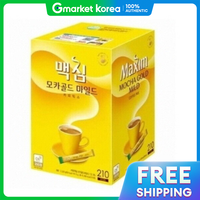
MAXIM | Maxim Mocha Gold Mild Coffee Mix 210t
$53.77$111.82
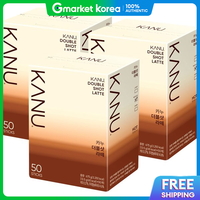
MAXIM | Maxim Kanu Double Shot Latte 50 Sticks X 3
$89.25$157.52
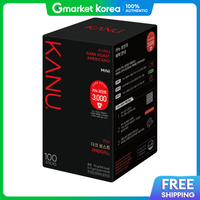
Kanu | Kanu Mini Dark Roast 100t + Kanu Point (g)
$33.12$98.06

MAXIM | Mocha Gold Mild Coffee Mix 210 Sticks
$53.81$113.96

kanu coffee Mini decaffeinated Americano coffee stick decaf coffee decaf cafe
$34.52$55.00
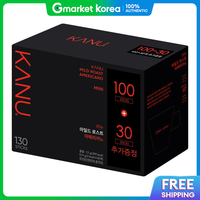
MAXIM | Special Edition Kanu Mini Mild 100T+30T (g)
$32.41$98.51
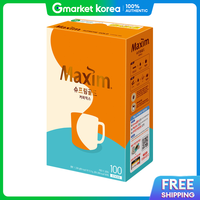
MAXIM | Maxim Supreme Gold Coffee Mix 100t (g)
$36.66$107.82
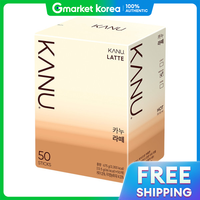
MAXIM | Kanu Latte 50t (g)
$33.32$97.99
About Maxim
Maxim is an international technology and transportation-services brand best known for its app-based ride-hailing service. The platform connects customers with independent drivers and service providers for transport, delivery, cargo, food orders and other daily needs. Operating since 2003, Maxim currently lists availability in 22 countries.1
Basic information
| Field | Information |
|---|---|
| Brand | Maxim |
| Industry | Ride-hailing, mobility, delivery, technology |
| Founded | 2003 |
| Origin | Russia |
| Main product | Maxim mobile application |
| Business model | Digital platform connecting customers with independent carriers and service providers |
| International presence | 22 countries according to current app listings |
| Indonesia launch | 2018 |
| Indonesian operating company | PT Teknologi Perdana Indonesia |
| Major services | Motorcycle, car, delivery, cargo, food/goods and other services |
The legal structure of the service varies by market. In Indonesia, for example, Maxim describes itself primarily as an information service platform that receives orders and passes them to transportation providers, rather than acting as the carrier itself.2
History
Maxim traces its origins to 2003, when the business began in Shadrinsk, Russia. Historical accounts identify Maxim Belonogov and Oleg Shlepanov as the founders. The original business was a conventional taxi service rather than the multinational app platform associated with the brand today.3
The company subsequently developed proprietary technology for dispatching and ordering taxis. Its modern identity differs from companies created initially as smartphone ride-hailing startups; Maxim evolved from a traditional taxi operation into a technology-enabled transportation platform.
Current app descriptions state that Maxim has been developing taxi-ordering technology since 2003 and position it as one of the world’s early ride-hailing applications.6
International expansion
Over time, Maxim expanded beyond Russia into international markets. Its strategy has generally involved entering individual cities and building local networks of drivers and service providers, rather than concentrating exclusively on a handful of large metropolitan areas.
According to current Google Play listings, the service is available in 22 countries.1 This international footprint includes markets across Southeast Asia, Central Asia, Eastern Europe, Latin America, Africa and other emerging mobility sectors. The precise list of operating countries changes as Maxim enters or leaves individual markets, making current app listings more reliable than older descriptions of its global reach.
Operations in Indonesia
Maxim entered Indonesia in 2018. The Indonesian operation is associated with PT Teknologi Perdana Indonesia. Maxim Indonesia states it has expanded to more than 200 cities, with current app listings providing extensive coverage of Indonesian operating locations.45
This expansion is notable given that the market was already dominated by major regional players such as Gojek and Grab. Rather than competing solely through premium positioning, Maxim has emphasised affordability, broad geographic availability and a variety of vehicle and service categories.
The Indonesian app currently lists cities including Jakarta, Bandung, Surabaya, Medan, Makassar, Denpasar, Manado, Kendari, Palu and Jayapura.5
Services
Although often referred to as a taxi app, Maxim functions as a multi-service platform.
Bike
Motorcycle transportation for individual passengers. This service is particularly significant in Southeast Asian markets where motorcycles can navigate traffic more efficiently and offer relatively inexpensive transport.
Car
Standard passenger transportation using cars. Users can specify pickup and destination points via the application, view applicable fares and track the driver.
Car L
A larger-capacity car option intended for groups.
Trucks & Helper
Transportation for goods and moving-related requirements. The app describes truck and helper services for transporting belongings and relocation.21
Delivery
On-demand delivery of packages and goods.
Food & Shop / Foods & Goods
Ordering and delivery of food and other products. Current application descriptions specifically mention food, goods and medicines.7
Other services
Depending on the market, Maxim offers services such as cleaning, cargo and other everyday needs. The exact portfolio differs by country and city. Maxim Indonesia, for example, lists transportation, delivery, cargo, spa, cleaning, food and goods among its services.8
Business model
Maxim is not a conventional taxi company. Its platform performs several technological functions:
- A customer submits an order.
- The system identifies and communicates the order to an appropriate service provider.
- A driver or partner accepts the order.
- The customer receives information regarding order progress.
- The transportation or service provider performs the service.
Public-offer documentation explicitly describes Maxim as an information service for registering customer orders and informing customers about order status. It states that Maxim does not provide passenger, baggage, cargo or other transportation services directly, but instead transfers orders to carriers.222
Mobile application
The Maxim app serves as the primary interface between customers and the platform. Current Indonesian Google Play listings report over 100 million downloads, approximately 7.32 million reviews and a 4.7-star rating. The listing confirms availability in numerous Indonesian cities with functions covering transportation, delivery, food/goods and cargo.1
The application is also available through the Apple App Store. The iOS listing identifies PT. SITO as the provider and describes transportation, delivery, food and other services.413
Pricing strategy
Affordability is a central component of Maxim’s positioning. Product descriptions emphasise cost savings and the selection of appropriate tariffs or service categories rather than premium mobility. The app offers different categories depending on customer requirements.10
The company utilises promotional codes, discounts, varied vehicle categories, advance ordering and estimated or predetermined fares where applicable. Exact fare structures vary by city, vehicle type, time and other factors.
Safety features
Safety mechanisms are integrated into the platform. The current application includes an SOS feature capable of sending user location data to emergency contacts or calling emergency services.11
The service also provides driver information, trip tracking and rating systems. In Indonesia, Maxim has participated in programmes relating to accident protection and assistance for drivers and passengers, including cooperation involving Jasa Raharja.12
Relationship with drivers
Drivers operate as independent partners and service providers rather than employees. The platform provides the technological infrastructure through which drivers receive and execute orders. This asset-light model allows Maxim to expand into new cities without owning a conventional fleet. For drivers, the primary benefit is access to customers and orders through the platform.
Competitive landscape in Indonesia
The Indonesian ride-hailing market is highly competitive. Major competitors include Gojek, Grab, inDrive, Maxim and various local transportation and delivery services.
Maxim occupies a distinctive position due to its combination of low-cost transportation, rapid geographic expansion and a broad collection of services. Its presence is particularly significant outside Indonesia’s largest metropolitan areas, as the company has pursued expansion into many smaller and medium-sized cities rather than limiting operations to Jakarta and other major hubs.910
Comparison with Gojek and Grab
| Feature | Maxim | Gojek | Grab |
|---|---|---|---|
| Ride-hailing | ✅ | ✅ | ✅ |
| Motorcycle rides | ✅ | ✅ | ✅ |
| Car rides | ✅ | ✅ | ✅ |
| Food delivery | ✅ | ✅ | ✅ |
| Goods/package delivery | ✅ | ✅ | ✅ |
| Cargo | ✅ | ✅ | ✅ |
| Super-app ecosystem | Moderate | Very extensive | Very extensive |
| Historical emphasis | Affordable mobility | Mobility + digital services | Mobility + digital services |
| International footprint | 22 countries* | Primarily Southeast Asia | Southeast Asia + broader Asia |
*According to Maxim’s current app listing.1
The primary distinction is that Gojek and Grab have developed broader financial, commerce and digital ecosystems, whereas Maxim’s identity remains more strongly tied to transportation, delivery and practical local services.
Corporate and legal identity
There is occasional confusion regarding the names Maxim, Taxsee, PT. SITO and PT Teknologi Perdana Indonesia. These should not be treated as four separate consumer brands. The Maxim ecosystem uses different legal entities and technology companies across jurisdictions. In Indonesia, Maxim identifies PT Teknologi Perdana Indonesia as the company behind its operations, while app stores identify PT. SITO as the developer and provider of the application.413
Legal documentation clarifies that the Maxim service consists of software and apps designed to match orders with partners and communicate service status.2425
Brand identity
The name Maxim aligns with the company’s historical positioning around maximising convenience and value. For transportation, its visual identity is commonly associated with a yellow-and-black colour scheme and a stylised wordmark. The brand’s general positioning is characterised by affordable, accessible, multi-service and technology-driven mobility, distinguishing it from premium ride-hailing strategies.
Strengths
- Competitive pricing: Low-cost transportation is one of Maxim’s most recognisable characteristics.
- Large geographic reach: The company has expanded into many smaller cities instead of concentrating solely on major metropolitan areas.
- Multiple services: A single application covers transportation, deliveries, cargo and food/goods.
- Asset-light model: Reliance on independent service providers enables scaling without fleet ownership.
- Established technology: Development of taxi-ordering technology since 2003 provides a longer operational history than many modern ride-hailing startups.16
Challenges and criticisms
Like other ride-hailing platforms, Maxim faces recurring challenges including regulatory requirements, driver-partner welfare and earnings, passenger safety, competition over fares and promotions, and service quality consistency. Competition from Gojek, Grab and inDrive remains intense, and transportation regulations differ significantly between countries.17
The platform model means service quality can depend heavily on individual drivers and local operating conditions. Regulatory disputes in some foreign markets illustrate the difficulty of operating a standardised international platform under varying national transportation rules.22
Current status
As of 2026, Maxim has evolved from a taxi-ordering app into a broader urban mobility and local-services platform. Its product ecosystem encompasses transportation, delivery, cargo, food, goods and additional local services.
The company states it operates in 22 countries, while in Indonesia operations have expanded to over 200 cities.1819 Dedicated city operations, ordering functionality, partner information and customer support are provided via local websites.141523
Disambiguation
If referencing the Maxim ride-hailing brand in Indonesia or internationally, the above information applies. As there are unrelated businesses using the name “Maxim”, the ride-hailing company is also commonly referred to as Maxim Taxi or Taxi Maxim in international sources to avoid confusion.20
References
- maxim — order a taxi & food – Apps on Google Play
- Peraturan kinerja Layanan Maxim
- Максим (компания)
- maxim — order taxi & delivery App – App Store
- maxim – ojek, transportasi – Aplikasi di Google Play
- Taxi Maxim
- Kesepakatan lisensi
- Maxim taxi ordering service. Jakarta, Jakarta
- Maxim Jangkau 400 Kota, Industri Ride-Hailing Terus Tumbuh – RRI.co.id
- Mengenal Pemilik Maxim dan inDrive yang Berani Saingi Gojek dan Grab – Startup Katadata.co.id
- Profil Maxim, Salah Satu Perusahaan Taksi dan Ojek Online di Indonesia
- Mengenal Ojol Maxim, Penantang Gojek-Grab
- maxim — order taxi & delivery App – App Store
- Contact details. Jakarta, Jakarta
- Informasi kontak. Jakarta, Provinsi Jakarta
- Aplikasi untuk order transportasi
- Contact details. Denpasar, Bali
- Beli franchise taksi Maxim di kota Anda
- Ekspansi Maxim: Luncurkan Aplikasi Layanan Transportasi Online di 301 Kota di Indonesia
- Open a transportasi online business with the Maxim software in your city
- Layanan order transportasi Maxim
- WORK RULES OF E-HAILING SERVICE “MAXIM”
- Contact details. Surabaya, East Java
- PT. SITO
- PT. SITO