Shop on Lazada
Play-Doh products
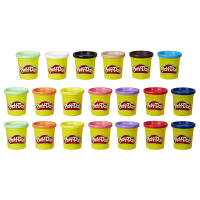
Play-Doh Super Color 20 Pack | A7924AU47
$26.90
Buy on Lazada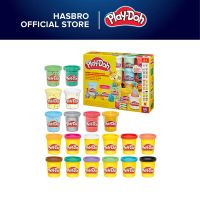
Play-Doh Create and Celebrate 20 Pac
$24.90
Buy on Lazada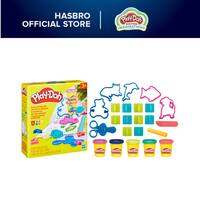
Play-Doh School Activities Set Preschool Toys for Kids 3 Years and Up Back to School Classroom Gifts
$19.90
Buy on Lazada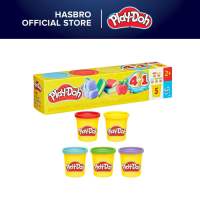
Play-Doh 5 Pack Back to School Set 3 Ounce Cans Preschool Toys for Kids 2+ Classroom Prizes Modeling Compound Arts & Crafts
$7.90
Buy on Lazada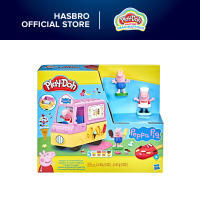
Play-Doh Peppas Ice Cream Playset with Ice Cream Truck Peppa and George Figures and 5 Cans
$31.90
Buy on Lazada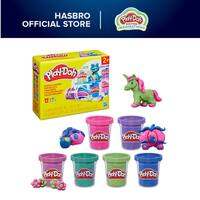
Play-Doh Sparkle Collection 6 Pack Kids Arts and Crafts
$11.90
Buy on Lazada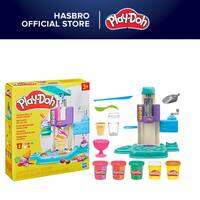
Play-Doh Rainbow Swirl Ice Cream Playset with 7 Pretend Play Kitchen Accessories Arts and Crafts Toys for 3 Year Old Girls and Boys and Up
$39.90
Buy on Lazada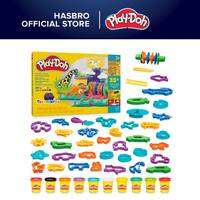
Play-Doh Land Air & Sea Starter Set 39 Accessories & 10 Cans Kids Arts & Crafts Preschool Toys for Girls & Boys 3+ Modeling Compound
$31.90
Buy on LazadaAbout Play-Doh
Overview
Play-Doh is one of the world’s most iconic children’s creative toy brands, best known for its soft, colourful and reusable modelling compound that encourages imaginative, hands-on play. Owned by Hasbro, Play-Doh has become a symbol of creativity, artistic expression and early childhood development, inspiring generations of children to build, sculpt and create without limits. Today, it is sold in more than 80 countries, with over 500 million cans shipped each year, making it the world’s leading reusable modelling compound.1
History
Originally, Play-Doh was not created as a toy. In the 1930s, it was developed by the Kutol Products Company as a wallpaper cleaning compound used to remove coal soot from walls. As home heating methods changed and demand for the cleaner declined, the product was repurposed into a children’s modelling material. In 1956, Play-Doh was officially introduced as a toy, quickly gaining popularity for its safe, non-toxic and easy-to-mould formula.2
Since its launch, Play-Doh has evolved from a simple modelling compound into a global educational and entertainment brand. The product is widely used in homes, schools, childcare centres and therapy settings to help children develop fine motor skills, creativity, problem-solving abilities and sensory exploration. Its wide range of products now includes playsets, themed activity kits, tools, moulds and specialty compounds designed for different ages and interests.1
Distinctive scent
One of Play-Doh’s most recognisable features is its distinctive scent, which became so iconic that Hasbro successfully registered it as a trademarked scent in the United States in 2018. The company describes the aroma as a combination of a sweet, slightly musky, vanilla-like fragrance with hints of cherry and the natural smell of salted wheat dough.
Recognition and events
Throughout its history, Play-Doh has received numerous accolades. In 1998, it was inducted into the National Toy Hall of Fame, acknowledging its lasting impact on childhood creativity and play. The brand also celebrates World Play-Doh Day every 16 September, encouraging children and families worldwide to engage in imaginative, hands-on activities.1
Today, Play-Doh continues to innovate by introducing new colours, textures, themed collections and creative play experiences while remaining true to its original mission: giving children the freedom to imagine, create and learn through open-ended play. Its enduring popularity has made it one of the most recognisable and trusted toy brands in the world, with a legacy spanning more than six decades.1