Shop on Lazada
Pokka products
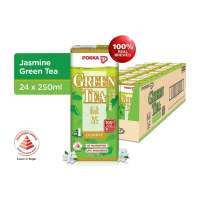
Pokka Jasmine Green Tea (24 X 250ML) - Case
$11.90$13.90
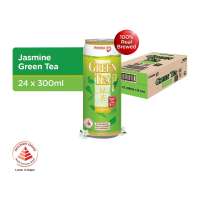
Pokka Jasmine Green Tea (24 X 300ML) - Case
$14.20$17.50
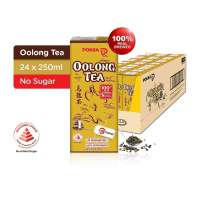
Pokka Oolong Tea No Sugar (24 X 250ML) - Case
$11.90$13.90
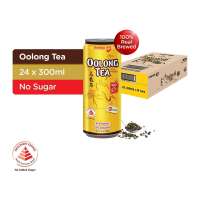
Pokka Oolong Tea No Sugar (24 X 300ML) - Case
$14.20$17.50
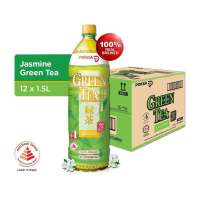
Pokka Jasmine Green Tea (12 x 1.5L) - Case
$26.90$29.12
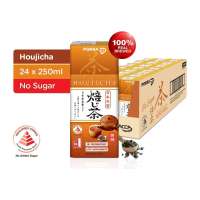
Pokka Houjicha Japanese Roasted Green Tea No Sugar 250ML x 24 - Case
$10.95$13.90
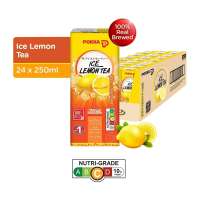
Pokka Ice Lemon Tea (24 x 250ML) - Case
$11.90$13.90
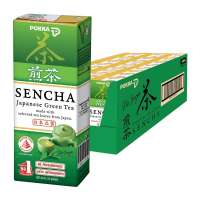
Pokka Sencha Japanese Green Tea No Sugar (24 x 250ML) - Case
$10.95$13.90
About Pokka
POKKA is a Japanese-origin beverage brand widely recognised in Singapore for its ready-to-drink (RTD) teas, coffees, juices, functional beverages and other drinks. Although the brand has Japanese roots, Singapore has become one of POKKA’s most important international markets, and POKKA Singapore also oversees the brand’s business in international markets outside Japan.1
The brand traces its corporate history to 1957, when Nikka Lemon Co., Ltd. was established in Japan to manufacture and distribute lemon beverages. The company subsequently became POKKA Lemon, then POKKA Corporation. In 1977, POKKA established its Singapore operation, making Singapore one of the brand’s earliest major overseas markets.2
Basic information
| Brand | POKKA |
| Origin | Japan |
| Industry | Food & beverage / ready-to-drink beverages |
| Founded | 1957 — predecessor company; POKKA Singapore established in 1977 |
| Founder | Toshikage Tanida |
| Parent group | Sapporo Holdings / POKKA SAPPORO Food & Beverage |
| Major market | Singapore |
| Products | Tea, coffee, juice, isotonic/functional drinks, milk drinks, Asian drinks, water and sparkling beverages |
| International presence | 40+ countries according to POKKA Singapore; historical company materials have also described products being exported to 50+ countries |
| Positioning | Quality, refreshment, vitality and healthier beverage choices |
Origins in Japan
POKKA’s history begins with Toshikage Tanida, a Japanese entrepreneur from Nagoya, Aichi Prefecture.
In 1957, Tanida established Nikka Lemon Co., Ltd., initially focusing on lemon beverages. The company’s development was influenced by Tanida’s experience operating a bar. He noticed that lemon-based drinks were popular but fresh lemons were relatively expensive and difficult to obtain in Japan at the time. This encouraged him to develop convenient lemon products.4
The company later changed its name to POKKA Lemon Co., Ltd. in 1966.
The POKKA name itself has an unusual origin. According to the company’s own history, Tanida encountered the word “Knickerbocker” in a golf magazine and began playing with the sound of the word, eventually arriving at “Pokka.” The name was subsequently incorporated into the company’s identity.5
From lemon drinks to a beverage innovator
Although POKKA began with lemon products, it gradually expanded into other categories.
A major turning point came in 1972, when the company launched POKKA 100 Lemon, a 100% lemon juice product, alongside its canned coffee.6
The company’s canned coffee was particularly significant.
During a winter drive from Nagoya to Osaka, Tanida noticed drivers drinking cold beverages despite the freezing conditions. This led him to consider whether hot coffee could be made available conveniently while people were travelling. The idea eventually resulted in POKKA’s hot-and-cold beverage vending machines, introduced in 1973.7
This was an important part of POKKA’s identity: it wasn’t simply selling drinks, but also developing new ways for consumers to access ready-to-drink beverages.
Arrival in Singapore
POKKA’s relationship with Singapore began in 1977, when POKKA CORPORATION (SINGAPORE) PTE. LTD. was established at Chin Bee Road.2
The Singapore factory initially produced POKKA canned coffee.
Over subsequent decades, POKKA Singapore expanded its manufacturing and product portfolio, moving from coffee into tea, juice, isotonic drinks, carbonated beverages and other categories.
Singapore eventually became much more than simply an overseas market. POKKA Singapore now manages POKKA’s international business outside Japan, giving the Singapore operation a significant role within the wider POKKA organization.1
The rise of POKKA tea
One of POKKA’s most important products in Singapore is green tea, particularly POKKA Jasmine Green Tea.
The company launched its Jasmine Green Tea in 1998 in cans, followed by a bottled version in 2000.8
This product became strongly associated with the POKKA brand in Singapore.
POKKA’s tea portfolio has subsequently expanded to include products such as:
- Jasmine Green Tea
- Japanese Green Tea / Sencha
- Oolong Tea
- Houjicha
- Chrysanthemum Tea
- Peach Oolong Tea
- Lychee Oolong Tea
- Ice Lemon Tea
- Ice Peach Tea
- Premium tea products
The current Singapore portfolio also includes no-sugar and reduced-sugar variants.7
POKKA and Singapore’s RTD culture
POKKA fits particularly well into Singapore’s highly developed ready-to-drink beverage culture.
Its products are designed for convenience: consumers can buy them from supermarkets, convenience stores, vending machines, food outlets and other retail channels without preparation.
The company’s Singapore operation describes POKKA as a leader in the RTD market and identifies RTD green tea, coffee and non-chilled juice drinks among its leading categories.9
POKKA’s historical connection with vending machines is also notable. The company says there are more than 700 POKKA vending machines in Singapore, illustrating how important vending has remained to its distribution model.10
Product portfolio
Today, POKKA is considerably broader than its original lemon-beverage business.
Tea
Tea is arguably the brand’s most recognizable category in Singapore.
Examples include:
- Jasmine Green Tea
- Japanese Green Tea
- Oolong Tea
- Houjicha
- Chrysanthemum Tea
- Peach Oolong Tea
- Lychee Oolong Tea
- Premium Afternoon Tea
- Ice Lemon Tea
- Ice Peach Tea
POKKA emphasizes authentic brewing and Japanese-inspired tea products.11
Coffee
Coffee is another historically important category.
POKKA’s Japanese operation launched canned coffee in 1972, making it one of the company’s earliest major innovations in RTD beverages. Its Singapore range has included products such as Milk Coffee, Premium Milk Coffee and other coffee drinks.12
Juice
Juice remains connected to POKKA’s original lemon heritage.
The company’s portfolio includes fruit-based beverages as well as products such as Pokka 100 Lemon and Sparklin’ Fuji Apple.13
Isotonic and functional beverages
POKKA also sells beverages intended for hydration and active lifestyles, including isotonic and functional drinks.14
Milk beverages
The portfolio includes milk-based drinks, particularly coffee and tea products.17
Asian beverages
POKKA also produces drinks inspired by traditional Asian flavours, including products such as chrysanthemum and other tea-based beverages.15
Water and sparkling drinks
The current portfolio additionally includes water and sparkling beverages.16
The Sapporo connection
POKKA is ultimately part of the Sapporo Group, the Japanese corporate group best known internationally for Sapporo beer.
The relationship developed in stages.
In 2009, POKKA Corporation formed a capital and business alliance with Sapporo Holdings. Sapporo subsequently increased its ownership, and POKKA became a consolidated subsidiary.18
In 2013, POKKA Corporation and Sapporo Beverage were integrated to form POKKA SAPPORO Food & Beverage Ltd.19
Today, POKKA SAPPORO Food & Beverage is responsible for food and soft-drink businesses within the Sapporo Group, while POKKA Singapore operates as an important international arm of the brand.20
POKKA Singapore’s role
POKKA Singapore is somewhat unusual within the POKKA organization because it isn’t merely a local distributor.
According to the company’s current description, POKKA Singapore manages the POKKA business in Singapore as well as international markets outside Japan.21
This makes Singapore a kind of international hub for POKKA.
The company has developed distribution and logistics capabilities that support its overseas expansion, while maintaining manufacturing and quality standards under the guidance of the Japanese parent organization.22
POKKA products are sold across numerous international markets, with the company’s current Singapore site stating a presence in 40+ countries.23
Brand philosophy
POKKA’s current brand philosophy revolves around “Genuine Vitality For Life.”
The idea is that beverages should not simply provide refreshment, but should contribute to people’s everyday vitality and lifestyles.
The company emphasizes:
- Quality
- Authentic ingredients
- Innovation
- Convenience
- Health and wellness
- Continuous improvement
Its wellness positioning has become increasingly visible through zero-sugar and reduced-sugar products. POKKA also highlights products carrying Singapore’s Healthier Choice Symbol.7
Health and wellness positioning
Health-conscious products have become an increasingly important part of POKKA’s portfolio.
The company describes its objective as providing beverages that combine taste with healthier choices, rather than positioning health and enjoyment as mutually exclusive.7
Its current range includes:
- No-sugar green teas
- No-sugar Japanese teas
- Reduced-sugar teas
- Reduced-sugar milk coffee
- Reduced-sugar sparkling drinks
- Functional/isotonic beverages
This is particularly relevant to Singapore, where the government has encouraged reductions in sugar consumption and promoted healthier beverage choices.
POKKA products appearing on Singapore’s Health Promotion Board’s Healthier Choice Symbol list include several tea, coffee and other beverage products.23
Major historical milestones
| Year | Event |
|---|---|
| 1957 | Nikka Lemon Co., Ltd. established in Japan |
| 1963 | Nagoya factory begins operation |
| 1966 | Company becomes POKKA Lemon Co., Ltd. |
| 1972 | POKKA 100 Lemon and POKKA canned coffee launched |
| 1973 | Hot-and-cold vending machines introduced |
| 1977 | POKKA Singapore established |
| 1982 | Company renamed POKKA Corporation |
| 1998 | POKKA Jasmine Green Tea launched in cans |
| 2000 | Jasmine Green Tea bottled version launched |
| 2001 | Aseptic PET-bottle production introduced in Singapore |
| 2009 | POKKA forms capital/business alliance with Sapporo |
| 2011 | POKKA becomes a consolidated Sapporo subsidiary |
| 2013 | POKKA SAPPORO Food & Beverage established |
| 2013 | POKKA Malaysia established |
| 2020 | POKKA International amalgamated with POKKA Singapore; entity renamed POKKA Pte. Ltd. |
What makes POKKA distinctive?
POKKA’s identity is essentially a combination of Japanese beverage heritage and Singaporean market success.
Japanese heritage
The brand originated from Japanese food-and-beverage innovation, particularly around lemon products, canned coffee and vending technology.
Singapore identity
Despite being Japanese in origin, POKKA has become deeply embedded in Singapore’s beverage landscape. Its green tea, coffee and other drinks are common everyday beverages in Singapore.
RTD specialization
Rather than focusing primarily on restaurants or freshly prepared beverages, POKKA has built its business around ready-to-drink convenience.
Broad portfolio
The brand has evolved from a lemon specialist into a diversified beverage company covering tea, coffee, juice, functional beverages, milk drinks, water and sparkling beverages.
Health-conscious evolution
The introduction and promotion of zero- and reduced-sugar products reflects the changing expectations of modern consumers.25
POKKA today
As of 2026, POKKA can be understood as a Japanese-origin, Singapore-centered international RTD beverage brand operating within the Sapporo Group.
Its strongest identity remains associated with everyday beverages—particularly green tea, coffee and juice—while its portfolio increasingly emphasizes wellness and reduced-sugar choices.
POKKA Singapore describes itself as a market leader in several RTD categories and says its products are available in 40+ countries.23
The parent company’s broader philosophy also increasingly focuses on using ingredients such as lemons and other plant-based ingredients to create value beyond taste.20
In short, POKKA has gone through three major transformations:
Lemon beverage maker → Japanese RTD beverage innovator → Singapore-based international beverage brand
That evolution is probably the most important thing to understand about POKKA: while its roots are Japanese, its modern international identity is strongly shaped by Singapore.
References
- POKKA Who We Are
- POKKA Singapore establishes a new five-storey state-of-the-art building that will bring the company into the next decade and beyond
- Pokka History
- COMPANY PROFILE
- Company|POKKA SAPPORO Food & Beverage
- POKKA Products
- Our Wellness
- Message from the President & Corporate Philosophy|POKKA SAPPORO Food & Beverage
- POKKA PTE. LTD. (197700135E) – Singapore Company
- Speech by MOS Low Yen Ling at POKKA Headquarters Groundbreaking Ceremony | Ministry of Trade and Industry
- POKKA Singapore establishes a new five-storey state-of-the-art building that will bring the company into the next decade and beyond | Singapore EDB
- Markets – Singapore | POKKA Singapore
- ポッカサッポロフード&ビバレッジ株式会社に関するお知らせ|ニュースリリース | 企業情報|ポッカサッポロフード&ビバレッジ
- POKKA Family
- POKKA
- POKKA
- Our Products – Milk l POKKA Singapore
- POKKA Who We Are
- POKKA Singapore | Healthy Ready-To-Drink Beverages
- English|POKKA SAPPORO Food & Beverage
- ポッカコーヒー | ポッカサッポロ
- 「ポッカコーヒー」はいつ発売されたのですか?| よくあるご質問 | ポッカサッポロ
- Pokka | All The Latest Products | NTUC FairPrice
- POKKA PTE. LTD. (197700135E) – MANUF OF BEVERAGES – Singapore Company
- POKKA PTE LTD | LinkedIn