Shop on Lazada
Pola products
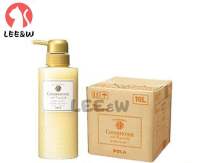
Japan POLA Shower Break Rinse-in Shampoo / Shampoo / Conditioner / Body Soap (300ml / 500ml / 900ml / 10L)
$278.00$360.00
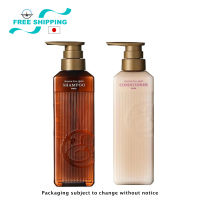
POLA Aroma Esse Gold Shampoo and Conditioner Set 470ml
$91.08$92.00
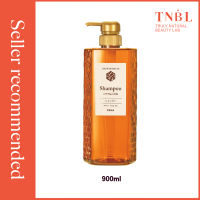
JAPAN Pola Shower Break Silicone-Free Shampoo 300ml/500ml(refill bottle)
$79.99$109.00
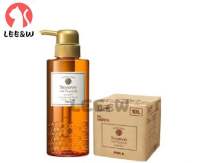
JAPAN POLA Shower Break Shampoo / Rinse In Shampoo (10L / 500ml)
$278.00$360.00
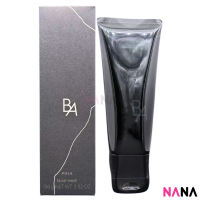
Pola B.A Wash Facial Wash 100g
$86.80$113.00
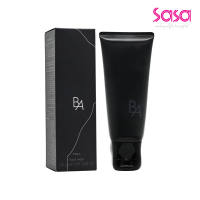
POLA B.A Wash (20g / 100g)
$99.99$220.00
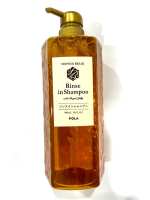
JAPAN Pola Shower Break Silicone-Free Shampoo 300ml + conditioner 300ml (Original Bottle)
$89.00$100.00
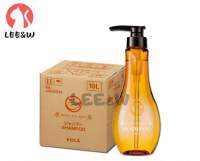
JAPAN POLA Aroma Ess. Gold Shampoo / Conditioner / Body Soap (470ml / 500ml / 900ml / 10L)
$318.80$480.00
About Pola
Pola (ポーラ, Pōra) is a Japanese beauty and cosmetics brand recognised for high-end skincare, anti-aging solutions, personalised skin analysis, beauty treatments and a research-led approach to product development. Established in 1929 in Shizuoka, Japan, Pola has grown from a small manufacturer into a major domestic beauty company with an extensive network of beauty directors and operations across the Asia-Pacific region.1
Its most prominent product franchises include B.A, Wrinkle Shot, White Shot and APEX. The brand positions itself at the intersection of science, luxury, personalised beauty and Japanese aesthetics.2
Overview
| Category | Information |
|---|---|
| Brand | Pola / ポーラ |
| Country of origin | Japan |
| Founded | 1929 |
| Founder | Shinobu Suzuki (鈴木忍) |
| Origin | Shizuoka, Japan |
| Industry | Cosmetics, skincare, beauty services, health & beauty |
| Parent group | Pola Orbis Holdings |
| Headquarters | Shinagawa, Tokyo |
| Major specialties | Skincare, anti-aging, brightening, wrinkle care, personalised skincare |
| Flagship lines | B.A, White Shot, Wrinkle Shot, APEX |
| Core philosophy | “Science. Art. Love.” |
As of December 2025, Pola reported approximately ¥90.37 billion in sales, with around 1,338 domestic employees, approximately 2,500 stores in Japan and roughly 17,000 Pola Beauty Directors. Its overseas business covered 11 countries and regions, including mainland China, Hong Kong, Taiwan, Thailand, Singapore, South Korea, Vietnam, Malaysia, Australia and Indonesia.3
History
The beginning: 1929
Pola’s origins date to 1929, when founder Shinobu Suzuki, who had a background in chemistry, formulated a hand cream to treat his wife’s damaged hands.
This personal act laid the foundation for the company. Pola’s own historical narrative emphasises the principle of creating beauty products personally and delivering them directly to individual customers.4
The company subsequently established its own manufacturing and sales organisation. In 1931, the Pola Cosmetics Honpo name was registered, and the company experimented with selling cosmetics by weight, enabling customers to experience fragrance and texture before purchase.5
1937 — The Pola Lady
A defining feature of Pola’s history was the emergence of its female sales representatives, historically known as “Pola Ladies”.
During a period when employment opportunities for Japanese women were considerably restricted, Pola developed a network in which women visited and advised customers directly. The contemporary equivalent of this role is the Beauty Director.6
This direct relationship with customers eventually became one of Pola’s most distinctive characteristics.
Early cosmetics innovation
Pola has historically placed significant emphasis on research and product innovation.
In 1951, it launched Peculiar Cold, which Pola describes as Japan’s first cosmetic marketed with a “whitening” claim. This marked an early stage in the company’s enduring focus on pigmentation and brightening research.7
Other milestones included:
- 1958: Introduction of Pola’s first foam-type facial pack.
- 1961: The Excel series introduced skincare differentiated according to skin characteristics.
- 1972: The Polissima series incorporated botanical extracts and concepts influenced by Eastern philosophy.
- 1982: Pola commenced full-scale esthetic services.
- 1985: The now-iconic B.A anti-aging line was introduced.
- 1989: APEX, its personalised skincare concept, was launched.8
The B.A era
The B.A family best represents Pola’s luxury positioning.
B.A was introduced in 1985 based on Pola’s “Bioactive Theory”, which sought to understand and support the skin’s biological functions rather than treating cosmetics merely as surface-level products.9
The line has since undergone multiple generations as Pola’s research has evolved. Research themes have included:
- Biological activity of skin cells
- Aging mechanisms
- Glycation
- Autophagy
- Extracellular matrix research
- Skin regeneration and development
- The relationship between lifestyle and skin
Consequently, B.A is positioned significantly above mass-market Japanese cosmetics, competing more directly with international luxury skincare brands.
APEX — personalised skincare
Another significant Pola innovation is APEX.
Rather than assuming that individuals of the same age or skin type require identical products, APEX was designed around individual skin analysis.
Pola established its skin-analysis centre alongside APEX’s launch in 1989. The company states that its analysis technology can examine skin information at highly granular levels, and its accumulated database now contains approximately 22.1 million pieces of women’s skin data collected across Japan.10
This makes personalisation a central component of Pola’s identity. In simplified terms:
Typical skincare: “What skin type are you?”
Pola/APEX approach: “What is happening with your skin specifically?”
This philosophy aligns with Pola’s traditional Beauty Director model, in which products and routines are recommended through consultation.
Wrinkle Shot
One of Pola’s most significant modern achievements occurred in 2017 with the launch of Wrinkle Shot Medical Serum.
Pola states that this was the first quasi-drug cosmetic approved in Japan specifically to improve wrinkles, following approximately 15 years of research and development.11
This represented a major distinction for the Japanese cosmetics industry. Rather than marketing a product solely as an anti-aging moisturiser, Pola developed a formulation that obtained regulatory approval for a specific wrinkle-improvement efficacy.
This helped establish Wrinkle Shot as one of Pola’s signature products alongside B.A.
White Shot
White Shot is Pola’s brightening and whitening skincare franchise.
The line emerged from the company’s decades-long research into pigmentation and melanin. Pola’s research history includes the development of Rucinol (ルシノール), a brightening active that required approximately ten years of research before approval as an active cosmetic ingredient.12
Subsequently, Pola introduced White Shot LX and MX, incorporating a newly approved brightening active at the time.13
In Japan, “whitening” in cosmetics generally refers to reducing melanin formation or accumulation and preventing the appearance of spots and freckles, rather than altering natural skin colour.
Philosophy: “Science. Art. Love.”
A central element of Pola’s modern identity is its corporate philosophy:
Science. Art. Love.
Pola formally adopted this as a distinctive value proposition in its brand strategy beginning in 2016.14
Science
Pola regards scientific research as the foundation of its products. The company operates dedicated research facilities and emphasises skin science, ingredient development, skin analysis and long-term cosmetic research.15
Art
“Art” reflects Pola’s interest in aesthetics beyond functional skincare. This is evident in:
- Product packaging
- Fragrance
- Texture
- Beauty culture
- Museums
- Art exhibitions
- Collaborations and cultural activities
Pola’s connection with art is unusually substantial for a cosmetics company. The Pola Museum of Art in Hakone, for example, houses an extensive collection assembled by Tsuneshi Suzuki, the second-generation head of the Pola corporation.16
Love
“Love” represents the human dimension of the brand: understanding customers, beauty professionals, communities and broader social relationships.
Together, these three concepts define Pola’s desired identity: scientific credibility, aesthetic sophistication and human connection.
Business model
Pola has historically differed from many Western luxury cosmetics companies due to its strong direct-selling and consultation-based model.
The company’s Beauty Directors are trained specialists who provide:
- Skincare consultations
- Skin analysis
- Product recommendations
- Beauty advice
- Esthetic treatments
- Ongoing customer relationships
Pola describes its business philosophy as delivering high-quality products alongside individualised care, rather than simply selling products from a shelf.17
However, the modern business extends beyond traditional direct selling. Pola now operates through multiple channels, including:
- Pola stores
- Department stores
- Specialty retailers
- Flagship stores
- Online commerce
- Esthetic salons
- Overseas e-commerce18
Major Pola brands
Pola’s portfolio comprises numerous product lines, several of which are particularly significant.
B.A
The flagship premium anti-aging skincare franchise. Generally positioned as Pola’s highest-profile luxury skincare line, it is built around the company’s latest research.
Wrinkle Shot
Focused on wrinkle improvement, most notably through Wrinkle Shot Medical Serum.
White Shot
Focused primarily on brightening and pigmentation care.
APEX
Pola’s personalised skincare concept based on individual skin analysis.
Red B.A
A more accessible line within the B.A family, emphasising aging-care concepts.
Pola’s broader portfolio also includes body care, hair care, makeup, fragrance, health foods, men’s products and lifestyle items.19
Luxury positioning
Pola occupies a distinct position in the Japanese beauty market. It is not a conventional drugstore cosmetics brand; rather, its core identity aligns with high-prestige Japanese beauty.
This positioning rests on several factors:
Japanese research
Long-term investment in skin science and cosmetic research.
Personal consultation
The Beauty Director network provides a service component that distinguishes the brand.
Premium formulations
Particularly within B.A and other flagship products.
Japanese aesthetics
Attention to texture, fragrance, packaging and ritual.
Scientific claims
Pola has pursued regulatory approvals and proprietary ingredients rather than relying exclusively on marketing language.
Heritage
The brand has nearly a century of history.
Research and innovation
Research is arguably the most important pillar distinguishing Pola from ordinary luxury beauty brands.
Pola has repeatedly participated in the IFSCC (International Federation of Societies of Cosmetic Chemists) and has received multiple awards at international IFSCC conferences. Corporate records note major awards in 1994, 1996, 1998, 2008, 2012 and 2014, among others.
The company has also developed proprietary technologies and ingredients over decades. Examples include research surrounding:
- Melanin and pigmentation
- Skin aging
- Wrinkles
- Glycation
- Cellular biology
- Skin barrier and extracellular structures
- Personalised skin analysis
Consequently, Pola’s brand narrative is centred on research and development rather than celebrity endorsement alone.
Art and culture
Pola’s involvement in the arts is one of the company’s most distinctive characteristics.
The Pola Museum of Art in Hakone was established as part of Pola’s cultural activities and houses a collection spanning Western and Japanese art. The museum also supports emerging artists, research and international cultural exchange.
The company has further supported cultural research through institutions such as the Pola Research Institute of Beauty and Culture and related initiatives.
This explains why “Art” in Science. Art. Love. is not merely a slogan but reflects a longstanding corporate interest in beauty as a cultural concept.
Pola Orbis Holdings
Pola is part of the larger Pola Orbis Holdings group.
The holding company was established in 2006, separating the group’s corporate structure from its operating cosmetics businesses. Pola itself was renamed from Pola Cosmetics Honpo Co., Ltd. to Pola Inc. in 2007.
The broader group encompasses beauty-related businesses beyond Pola, with Orbis being another major Japanese cosmetics brand.
Thus, the structure is: Pola → Pola Orbis Holdings → broader Japanese beauty group. Pola remains the group’s high-prestige, research-oriented flagship brand.
International expansion
Pola began its international expansion relatively early. Official records note:
- 1958: Entry into Hong Kong
- 1960: Expansion into the United States
- 1966: Establishment of a Thai Pola company
- Subsequent expansion across Asia and other markets
Today, Pola’s overseas markets include China, Hong Kong, Taiwan, Macau, Thailand, Singapore, South Korea, Vietnam, Malaysia, Australia and Indonesia.
The brand’s international identity remains closely connected to its Japanese origin and skincare expertise.
Pola today
Based on the latest available company information, Pola reports:
- Founded: 1929
- Corporate establishment: 1946
- Headquarters: Tokyo
- Employees in Japan: About 1,338
- Overseas employees: About 335
- Japanese stores: About 2,500
- Beauty Directors: About 17,000
- Department-store/specialty Pola counters: 108
- 2025 sales: Approximately ¥90.37 billion
- International presence: 11 countries/regions
Pola therefore remains a significant player in Japan’s prestige beauty industry rather than merely a traditional cosmetics manufacturer.
Key differentiators
Pola can be understood through five fundamental pillars:
① Japanese heritage
Nearly a century of development beginning in Shizuoka in 1929.
② Skin science
Significant investment in understanding skin biology and developing cosmetic technologies.
③ Personalisation
APEX and the Beauty Director system emphasise individualised skincare rather than universal routines.
④ Luxury
B.A and other prestige products position Pola firmly in the high-end skincare market.
⑤ Beauty as culture
Through its engagement with art, museums, research and social initiatives, Pola treats beauty as more than cosmetics.
Timeline
- 1929 — Shinobu Suzuki establishes Pola in Shizuoka.
- 1931 — Pola Cosmetics Honpo name registered.
- 1937 — Pola Ladies, precursors to today’s Beauty Directors, emerge.
- 1951 — Peculiar Cold, described by Pola as Japan’s first “whitening” cosmetic, launches.
- 1958 — Pola enters Hong Kong.
- 1960 — Major overseas expansion begins, including the United States.
- 1982 — Esthetic services become a major part of the business.
- 1985 — B.A launches.
- 1989 — APEX launches with personalised skin analysis.
- 1998 — Rucinol is approved as a brightening active.
- 2006 — Pola Orbis Holdings is established.
- 2016 — “Science. Art. Love.” becomes a central brand philosophy.
- 2017 — Wrinkle Shot Medical Serum launches following Japan’s approval for wrinkle-improvement efficacy.
- 2019 — White Shot LX/MX launch with a newly approved brightening active.
- 2020s — Pola expands its research, personalisation, sustainability and international activities.
Summary
Pola is a nearly century-old Japanese prestige beauty brand that combines advanced skin science, personalised beauty consultation, luxury skincare and Japanese art and aesthetics, with B.A, Wrinkle Shot, White Shot and APEX representing its most recognisable pillars.
For official reference, Pola’s company information and history provides comprehensive primary-source material.
References
- 会社沿革 | ポーラ公式 エイジングケアと美白・化粧品
- 会社概要 | ポーラ公式 エイジングケアと美白・化粧品
- 事業情報 | ポーラ公式 エイジングケアと美白・化粧品
- ブランド | ポーラ公式 エイジングケアと美白・化粧品
- <続く想い、続く美しさ> POLA The 90th ANNIVERSARY | ポーラ公式 エイジングケアと美白・化粧品
- <続く想い、続く美しさ>ポーラのこれまでの歩み HISTORY | ポーラ公式 エイジングケアと美白・化粧品
- Science. | ポーラ公式 エイジングケアと美白・化粧品
- HISTORY | ABOUT THE MUSEUM | Pola Museum of Art
- 企業情報 | ポーラ公式 エイジングケアと美白・化粧品
- ハリ肌研究40年、糖化※1研究26年。再生するような全域※2ハリを目指す。『B.A ベーシックセット』2026年1月1日発売 | ポーラ公式 エイジングケアと美白・化粧品
- 一つひとつの化粧品にポーラの想いを込めて。 | ポーラ公式 エイジングケアと美白・化粧品
- 企業情報 | ポーラ公式 エイジングケアと美白・化粧品
- 商品開発秘話 私たちの想い | ポーラ公式 エイジングケアと美白・化粧品
- 私たちの想い | ポーラ公式 エイジングケアと美白・化粧品
- ポーラ公式 エイジングケアと美白・化粧品
- ポーラについて | ポーラ公式 エイジングケアと美白・化粧品
- 企业沿革 | POLA官方|抗老美白护肤品
- Choose your country or region. | POLA官方|抗老美白护肤品
- 店舗検索・予約 | 店舗情報 | ポーラ公式 エイジングケアと美白・化粧品のPOLA