Shop on Lazada
TP-Link products
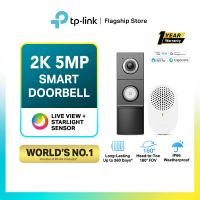
TP-Link Smart Doorbell Long Battery Life Waterproof Wireless with 2K 5MP Wifi Camera Tapo D235/D230S1/D210/D205
$136.00$224.00
![[No.1 in SG] [Best Seller]TP-Link Tapo 360 WIFI 2K QHD AI Home Security IP Camera TC70/TC71/TC72/C211/C200C/C230](https://sg-live.slatic.net/p/95ce36eada0ef0d06081713641478ee2.jpg_200x200q80.jpg)
[No.1 in SG] [Best Seller]TP-Link Tapo 360 WIFI 2K QHD AI Home Security IP Camera TC70/TC71/TC72/C211/C200C/C230
$47.90$71.00
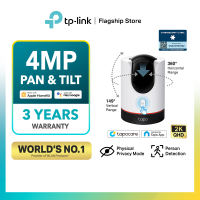
TP-LINK Tapo C225 Pan Tilt AI Home CCTV Home Security Baby Monitoring IP Camera - 2-Way Audio | Customizable Night Vision | Motion Detection | Two-Way Audio | Smart Activity Notification
$66.90$106.00
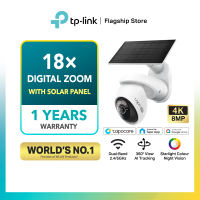
TP-Link Smart Wire-Free Indoor/Outdoor Security Camera C400/TC82/TC85/Tapo C460/Tapo C460 Kit/Tapo C660 kit
$224.32$320.00
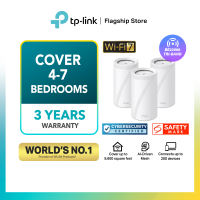
TP-Link Deco BE85 Tri Band WiFi 7 BE22000 Whole Home Mesh WiFi Router System - 12 Stream bandwidth | Multi-Link Operation | Alexa and GA | TP-Link HomeShield
$2,140.22$3,057.00
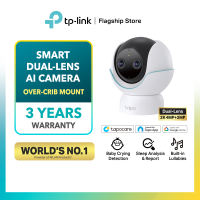
TP-Link 4K 8MP Ultra HD Baby Monitor AI Face Detection 360° Pan Tilt Night Vision Smart CCTV WiFi Camera Tapo C250/C260/C840
$236.90$354.00
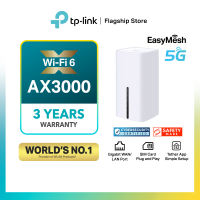
TP-Link Archer NX200 NX500 NX505 AX1800 Wireless Dual-Band Gigabit Router 5G
$417.38$596.00
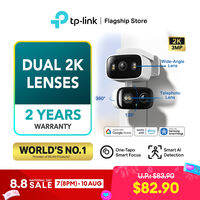
TP-Link Tapo C206 / C216 / C245D / C246D | 2K Full Color | Night Vision | AI Motion Tracking | Outdoor & Indoor | Dual Lens | WiFi CCTV Camera
$92.90$117.00
About TP-Link
TP-Link is a multinational technology brand specialising in networking equipment, smart home devices, and enterprise networking solutions. Established in 1996, the company has grown to become one of the world’s largest manufacturers of Wi-Fi networking products, serving consumers, businesses, internet service providers (ISPs), and enterprise customers across more than 170 countries and regions. TP-Link is widely recognised for producing reliable, affordable, and user-friendly networking hardware, including Wi-Fi routers, mesh Wi-Fi systems, switches, security cameras, and smart home products.1
History
TP-Link was founded in 1996 by brothers Zhao Jianjun and Zhao Jiaxing. The company’s name, “TP”, stands for Twisted Pair, referring to the twisted-pair cabling commonly used in Ethernet networking.
Initially focused on manufacturing computer networking devices, TP-Link gradually expanded into wireless networking products during the growth of Wi-Fi technology. Throughout the 2000s and 2010s, the company gained international recognition by offering networking equipment that balanced performance with competitive pricing.
Today, TP-Link operates globally with research and development centres, manufacturing facilities, and regional subsidiaries supporting customers across consumer and enterprise markets.2
Company Overview
| Category | Details |
|---|---|
| Founded | 1996 |
| Industry | Computer Networking & Consumer Electronics |
| Headquarters | Global operations led through TP-Link Systems (United States) and TP-Link Technologies |
| Products | Routers, Mesh Wi-Fi, Switches, Access Points, Smart Home, IP Cameras, IoT Devices |
| Markets | Consumer, SMB, Enterprise, ISPs |
| Countries Served | 170+ |
| Global Users | Over 1.7 Billion |
| R&D Centres | 4 |
| Manufacturing Bases | 3 |
| Subsidiaries | 42+ |
Major Product Categories
Home Networking
TP-Link is best known for its consumer networking products. Popular products include:
- Wi-Fi Routers
- Wi-Fi 6 Routers
- Wi-Fi 6E Routers
- Wi-Fi 7 Routers
- Mesh Wi-Fi Systems
- Range Extenders
- USB Wi-Fi Adapters
- Powerline Adapters
- Mobile Hotspots
Mesh Wi-Fi
The company’s Deco series provides whole-home wireless coverage using mesh networking technology. Features include:
- Seamless roaming
- AI-driven optimisation
- Easy setup
- App management
- Parental controls
Smart Home
TP-Link’s smart home ecosystem includes two major brands:
Tapo
A budget-friendly smart home platform featuring:
- Smart cameras
- Video doorbells
- Smart plugs
- Smart bulbs
- Robot vacuum cleaners
- Sensors
- Smart switches
Kasa Smart
Another smart home platform primarily available in selected markets, offering:
- Smart lighting
- Smart plugs
- Smart switches
- Smart cameras
Business Networking
TP-Link provides enterprise-grade networking under the Omada brand. Products include:
- Access Points
- Managed Switches
- Routers
- VPN Gateways
- Controllers
- Cloud Management Platform
Omada competes with enterprise networking solutions from brands such as Cisco Meraki, Ubiquiti, and Aruba.
Security
The VIGI brand focuses on professional surveillance solutions. Products include:
- IP Cameras
- NVR Systems
- AI Surveillance
- PoE Switches
- Business Security Solutions
Software Ecosystem
TP-Link offers several software platforms to manage its products:
- Tether App – Home Wi-Fi management
- Deco App – Mesh Wi-Fi management
- Tapo App – Smart home control
- Omada SDN – Enterprise network management
- HomeShield – Network security and parental controls
- Tapo Care – Cloud storage and advanced camera features
Technology
TP-Link supports modern networking standards, including:
- Wi-Fi 5 (802.11ac)
- Wi-Fi 6 (802.11ax)
- Wi-Fi 6E
- Wi-Fi 7
- MU-MIMO
- OFDMA
- Mesh Networking
- WPA3 Security
- Gigabit Ethernet
- Multi-Gig Ethernet
- PoE (Power over Ethernet)
- VPN technologies
- SDN (Software Defined Networking)
The company states that it actively contributes to Wi-Fi 7 standardisation and continues to invest in networking research and development.5
Global Presence
According to TP-Link, the company operates in:
- 170+ countries and regions
- 42 global subsidiaries
- 4 R&D centres
- 3 manufacturing bases
- 1.7+ billion users worldwide
TP-Link products are sold through retailers, e-commerce platforms, system integrators, and internet service providers worldwide.6
Market Position
TP-Link has consistently ranked among the world’s leading Wi-Fi equipment providers. The company reports being the No. 1 Wi-Fi products provider by shipment volume, a position supported by industry tracking cited in its corporate materials.
Major Brands
TP-Link operates several product brands:
- TP-Link – Consumer networking
- Deco – Mesh Wi-Fi
- Tapo – Smart home
- Kasa Smart – Smart home
- Omada – Enterprise networking
- VIGI – Business surveillance
Advantages
TP-Link products are often recognised for:
- Affordable pricing
- Wide product selection
- Easy installation
- Reliable performance
- Strong global availability
- Frequent firmware updates
- User-friendly mobile apps
- Broad compatibility with networking standards
Challenges and Criticism
Like many large networking vendors, TP-Link has faced scrutiny over product security and supply-chain concerns. In recent years, U.S. policymakers have examined aspects of the company’s operations and security practices, leading to ongoing discussions about networking equipment and national security. TP-Link has stated that it operates independently in its U.S. business and emphasises cybersecurity, privacy, and compliance initiatives.7
Mission
TP-Link states that its mission is to provide innovative, reliable networking and smart home technologies that improve connectivity for homes and businesses worldwide. The company emphasises innovation, product reliability, security, and customer-focused design.8
Summary
TP-Link has evolved from a networking hardware manufacturer into a global technology company with offerings spanning consumer Wi-Fi, enterprise networking, smart home devices, and security systems. Its brands—including Deco, Tapo, Kasa, Omada, and VIGI—serve a broad range of residential and commercial users. With a presence in more than 170 countries, billions of users, and continued investment in Wi-Fi and networking technologies, TP-Link remains one of the most influential brands in the networking industry.9
References
- About TP-Link | TP-Link Philippines
- About TP-Link丨Pursuing Excellence. Exploring Possibility.
- About TP-Link丨A Global Multinational Group
- TP-Link Wi-Fi routers could be banned in US: What you need to know
- Trump pauses China tech bans ahead of Xi summit
- About TP-Link丨Pursuing Excellence. Exploring Possibility.
- About TP-Link | TP-Link United Kingdom
- Acerca de nosotros – Proveedor de servicios de TP-Link
- About us – TP-Link Service Provider