Shop on Lazada
Abercrombie & Fitch products
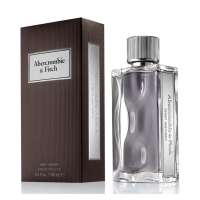
Abercrombie & Fitch Man First Instinct Eau de Toilette sp 100ml
$65.00$114.00
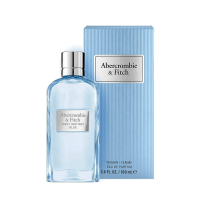
Abercrombie & Fitch First Instinct Blue Women Eau De Parfum 100ml
$58.80
Buy on Lazada![5ml/10ml/100ml/200ml A&F Fierce Cologne for Men Abercrombie & Fitch Man Male Guys pour Homme Six 6 Pack Abs [Authentic Original Genuine BNIB Perfume Fragrance Scent Smell Giftwrap Present Gift Decant Travel Purse Spray Mini Refill Sample Tester Vial Try]](https://sg-live.slatic.net/p/58e3999aecaee2b1d010d634724d59d2.jpg_200x200q80.jpg)
5ml/10ml/100ml/200ml A&F Fierce Cologne for Men Abercrombie & Fitch Man Male Guys pour Homme Six 6 Pack Abs [Authentic Original Genuine BNIB Perfume Fragrance Scent Smell Giftwrap Present Gift Decant Travel Purse Spray Mini Refill Sample Tester Vial Try]
$169.00
Buy on Lazada![Abercrombie & Fitch First Instinct Blue EDT for Men (100ml) [New 100% Authentic Perfume FragranceCart] A&F Eau de Toilette 1st Man](https://sg-live.slatic.net/p/a25f2e4131cec570ce917aca7c51ed69.jpg_200x200q80.jpg)
Abercrombie & Fitch First Instinct Blue EDT for Men (100ml) [New 100% Authentic Perfume FragranceCart] A&F Eau de Toilette 1st Man
$82.00$114.00
![Abercrombie & Fitch Authentic Woman/Femme EDP for Women (100ml) [New 100% Authentic Perfume FragranceCart] A&F AF Eau de Parfum](https://sg-live.slatic.net/p/4ac0aa5131e50567372b96c925cd67cc.jpg_200x200q80.jpg)
Abercrombie & Fitch Authentic Woman/Femme EDP for Women (100ml) [New 100% Authentic Perfume FragranceCart] A&F AF Eau de Parfum
$79.00$125.00
![Abercrombie and Fitch FIERCE COLOGNE Eau De Cologne Spray 100 ml FOR MEN [TESTER PACKAGING] - Eclat Parfum - Brand New](https://sg-live.slatic.net/p/1bec909092d7c2bfb24108d1c0497393.jpg_200x200q80.jpg)
Abercrombie and Fitch FIERCE COLOGNE Eau De Cologne Spray 100 ml FOR MEN [TESTER PACKAGING] - Eclat Parfum - Brand New
$68.00$116.00
![100% Authentic Products Delivered Locally [Original] Abercrombie & Fitch Fierce Eau De Cologne 100ml For Men Woody Aromatic Scent](https://sg-live.slatic.net/p/607c6ae1f0180abc55b479a2aa380d03.png_200x200q80.jpg)
100% Authentic Products Delivered Locally [Original] Abercrombie & Fitch Fierce Eau De Cologne 100ml For Men Woody Aromatic Scent
$32.40$100.00
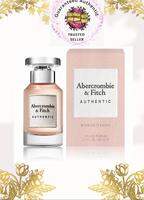
Abercrombie & Fitch A&F Authentic Woman/Femme EDP 100ml for Women (Tester with Cap & Retail Packaging) - BNIB Perfume/ Fragrance
$66.33$67.00
About Abercrombie & Fitch
Abercrombie & Fitch (often abbreviated A&F) is an American lifestyle clothing and retail brand that serves as the flagship label of Abercrombie & Fitch Co. (NYSE: ANF). Operating as a global, digitally led specialty retailer, the company sells apparel, accessories, and personal-care products through its own stores and online channels. Its portfolio comprises Abercrombie & Fitch, abercrombie kids, Hollister, Gilly Hicks, and Social Tourist.
The brand is notable for its dramatic identity shift over more than 130 years. Originally established as a premium outdoor and sporting-goods outfitter, it became famous in the late 20th and early 21st centuries for a distinct youth-oriented American lifestyle aesthetic. Following a period of controversy and declining relevance, the company underwent a significant transformation into a more inclusive, fashion-focused contemporary brand.
Basic information
| Category | Information |
|---|---|
| Full name | Abercrombie & Fitch |
| Common abbreviation | A&F |
| Founded | 1892 |
| Founder | David T. Abercrombie |
| Original business | Outdoor, camping, fishing and hunting equipment |
| Company headquarters | Columbus, Ohio, United States |
| Parent company | Abercrombie & Fitch Co. |
| Stock ticker | ANF — New York Stock Exchange |
| Current CEO | Fran Horowitz |
| Industry | Fashion / apparel / specialty retail |
| Main categories | Clothing, accessories, fragrance and personal care |
| Markets | North America, Europe, Asia-Pacific, Middle East and other international markets |
| Stores | 750+ per investor materials; >830 reported on corporate “About Us” page (Q4 2025) |
| 2025 sales | Approximately US$5.3 billion for Abercrombie & Fitch Co. |
The company became publicly traded in 1996, with stock trading under the ticker ANF. 1
Origins: 1892–1900s
The company’s history began in 1892 when David Abercrombie founded Abercrombie Co. in New York City. The original enterprise was unrelated to the modern fashion brand; it was an outdoor outfitter specialising in premium equipment for camping, fishing, hunting, exploration, and outdoor travel. Its clientele consisted of serious outdoor enthusiasts rather than teenagers, rooting the company’s heritage in adventure and American outdoor culture.
In 1900, businessman Ezra Fitch joined the company, leading to the name Abercrombie & Fitch. The firm was officially incorporated in New York in 1904 and later gained prominence for its prestigious Madison Avenue store, which opened in 1917. During this era, A&F positioned itself not as a mass-market retailer but as a sophisticated outfitter for wealthy customers and adventurers, earning a reputation for high-quality equipment.
The legendary outdoor outfitter
Throughout the first half of the 20th century, Abercrombie & Fitch became an institution among America’s affluent elite. The company supplied equipment and uniforms to the U.S. armed forces during World War II and counted prominent political figures among its customers. Its historical identity was defined by adventure, exploration, wealth, and outdoor expertise, functioning closer to a luxury outfitter than a modern fast-fashion retailer.
By the second half of the century, maintaining the traditional high-end sporting-goods business proved difficult. Ownership changed hands, and in 1978, Oshman’s Sporting Goods of Houston acquired the brand. In 1988, the company relocated its headquarters to Columbus, Ohio. This transition period set the stage for the complete transformation that would occur in the following decade.
Transformation into a youth lifestyle brand
The 1990s marked a turning point as Abercrombie & Fitch shifted focus from wealthy outdoor enthusiasts to young consumers and lifestyle clothing. Coinciding with the rise of American mall culture, the brand began selling T-shirts, jeans, polo shirts, sweaters, outerwear, and fragrances. Crucially, the company sold a controlled lifestyle image characterised as young, attractive, confident, and socially aspirational. This identity became one of the most recognisable in retail during the late 1990s and 2000s.
The classic 1990s and 2000s aesthetic
References to “old-school Abercrombie & Fitch” typically denote this era. The aesthetic featured muscular male models, shirtless imagery, dark stores with loud music, strong fragrances, large logos, and moose branding. Stores were designed as immersive environments rather than traditional department stores, effectively selling the idea of belonging to an exclusive group.
Michael “Mike” Jeffries, who became CEO in the early 1990s, was instrumental in this success. His strategy relied on attractive models, sexual imagery, exclusivity, and aspirational marketing. For a time, wearing A&F clothing served as a form of social signalling, and the brand successfully made ordinary basics feel special through branding, store design, and sensory experiences.
Launch of Hollister
In 2000, Abercrombie & Fitch Co. launched Hollister. While Abercrombie leaned towards an East Coast, collegiate interpretation of youth culture, Hollister was built around a relaxed California beach lifestyle. Hollister grew to become a major brand within the portfolio in its own right.
International expansion
During the 2000s and early 2010s, the company expanded beyond the United States into Europe, Asia, and other international markets. The strategy aimed to transform an American youth brand into a global lifestyle entity. However, this expansion revealed that the specific American teen culture driving domestic success was not universally applicable.
Controversies and decline
The brand’s rise was accompanied by significant criticism regarding diversity, inclusion, and body image. Employment and marketing practices faced lawsuits and public scrutiny for promoting narrow beauty standards and exclusionary ideals. CEO Mike Jeffries drew particular controversy for comments about the target customer. By the early-to-mid 2010s, the old formula lost momentum due to changing youth tastes, fast-fashion competition, the rise of e-commerce, declining mall traffic, and shifting cultural attitudes toward inclusivity. The brand increasingly appeared dated.
Mike Jeffries stepped down as CEO in 2014, marking the end of an era. The subsequent years involved a complex process of redefining the brand without relying on sexualised advertising, exclusivity, or prominent logos.
Reinvention under Fran Horowitz
Fran Horowitz became CEO in 2017, playing a central role in the brand’s modern revival. 2 Rather than recreating the 2000s aesthetic, the company pursued a new strategy emphasising inclusivity, fit, quality, comfort, modern tailoring, and digital commerce. The distinction between eras is often summarised as moving from “look like an Abercrombie model” to “find clothes that fit your life”.
A major rebrand occurred around 2019, repositioning the company for the modern consumer. This shift contributed to strong volume performance and laid the foundation for future growth. 3 Visual identity became cleaner, replacing dark stores and sexualised imagery with sophisticated photography, neutral colours, and inclusive casting. The product mix expanded to include elevated casualwear, denim, dresses, trousers, knitwear, and occasion clothing.
Modern aesthetic and product range
Today’s Abercrombie & Fitch is described as “elevated American casual”, blending contemporary prep, minimalism, and nostalgia. The product range is significantly broader than in previous decades.
- Women’s: Jeans, trousers, dresses, tops, sweaters, cardigans, jackets, skirts, activewear, swimwear, and wedding/occasion clothing.
- Men’s: Jeans, chinos, trousers, shirts, polos, T-shirts, sweaters, jackets, shorts, suits, and occasionwear.
- Accessories: Bags, belts, jewellery, shoes, fragrances, and lifestyle accessories.
Denim has become a cornerstone of the modern identity, with extensive offerings across various rises, fits, and washes. This focus helped transition the brand from a teen lifestyle label to a broader wardrobe destination. Additionally, the expansion into occasionwear and wedding-related clothing has allowed the brand to serve customers at multiple stages of adulthood.
Brand portfolio
Abercrombie & Fitch Co. operates five distinct brands, grouped corporately into the Abercrombie and Hollister families: 4
- Abercrombie & Fitch: The flagship adult lifestyle brand positioned as modern, elevated American casualwear.
- abercrombie kids: The children’s extension of the main brand.
- Hollister: A younger, California-inspired lifestyle brand.
- Gilly Hicks: Focused primarily on intimate apparel and related lifestyle products.
- Social Tourist: A youth-oriented brand developed with social media personalities and creators.
Business model and operations
The company describes itself as a global, digitally led omnichannel specialty retailer. 5 Its “Always Forward” strategy emphasises focused brand growth, digital transformation, and financial discipline. Operations combine physical retail, e-commerce, mobile marketing, and international presence.
Modern stores differ substantially from the theatrical environments of the past, featuring brighter interiors, cleaner layouts, and accessible shopping experiences. As of Q4 2025, the company reported over 830 stores and 40,000 associates globally.
Digital transformation has been critical to the revival. Communication now occurs primarily through Instagram, TikTok, influencers, and digital campaigns rather than physical mall environments. This shift reduced dependence on brick-and-mortar footfall as the primary marketing channel.
Financial performance
Abercrombie & Fitch Co. reported record sales of approximately US$5.3 billion in 2025, with double-digit operating margins and growth across regions and channels. 3 In the first quarter of fiscal 2026, net sales reached US$1.1 billion, representing 2% year-over-year growth and the 14th consecutive quarter of growth. This turnaround contrasts sharply with the brand’s struggles during the 2010s.
Key factors in this recovery include improved product quality, a broader focus on fit and diverse body types, reduced reliance on the teenage demographic, effective digital marketing, and leveraging nostalgia among millennials who now possess purchasing power.
Corporate identity and leadership
Headquartered in Columbus, Ohio, the company maintains home offices in Columbus, London, and Shanghai, supporting operations across North America, Europe, Asia, and the Middle East. Fran Horowitz remains CEO, having guided the company through brand clarification, product improvement, and international growth since 2017. 2
The modern corporate purpose emphasises individuality, quality, comfort, and inclusivity, supporting customers in “being and becoming who they are”. This represents a fundamental philosophical shift from the exclusionary messaging of the past.
Cultural significance and legacy
Abercrombie & Fitch represents three distinct corporate identities: a premium outdoor outfitter (1892–1980s), an exclusive youth fashion icon (1990s–mid-2010s), and an inclusive contemporary lifestyle brand (late 2010s–present). Few fashion companies have undergone such a complete transformation while retaining the same name.
The brand remains culturally significant as a symbol of early-2000s American youth, appearing in television, film, and internet discourse. Recent documentaries have prompted a reassessment of its controversial history, creating a dual legacy as both a nostalgic icon and a cautionary tale of exclusionary branding. The modern company acknowledges this past while focusing on its current position as a digitally driven global retailer with record sales and a broadened customer base.