Shop on Lazada
adidas products
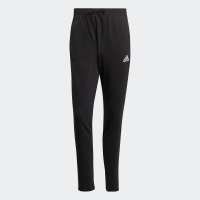
Lifestyle Essentials Single Jersey Tapered Open Hem 3-Stripes Pants Men Black GK8995
$64.35$65.00
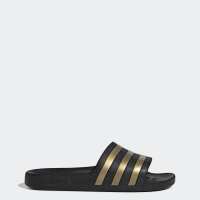
Adidas Swimming & Lifestyle Adilette Aqua Slides Unisex Black EG1758
$18.00$30.00
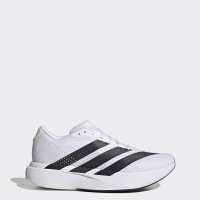
Running Adizero Pacer Shoes Men White KZ6846
$127.71$129.00
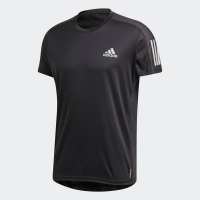
Adidas Running Own the Run Tee Men Black FS9799
$49.50$50.00
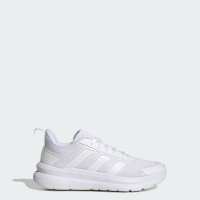
adidas Lifestyle TENSAUR RUN 4.0 SHOES JUNIOR Unisex White KJ6629
$39.00$65.00
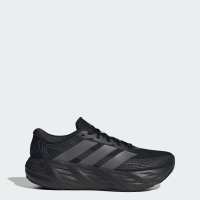
adidas Walking & Running GALAXY 8 RUNNING SHOES Men Black KI7980
$78.21$79.00
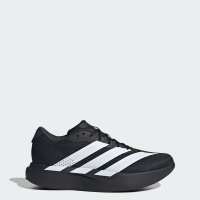
Running Adizero Pacer Shoes Men Black KZ6848
$127.71$129.00
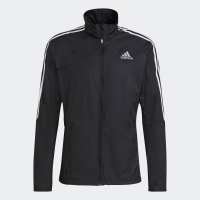
Running Marathon 3-Stripes Jacket Men Black GM1410
$78.21$79.00
About adidas
Overview
adidas AG is a German multinational corporation that designs, manufactures and markets athletic footwear, apparel, accessories and sporting equipment. Ranked among the world’s largest sportswear companies, it is globally recognised for its iconic Three Stripes logo and its significant influence on both sports performance and street fashion. The company serves professional athletes, sports teams and everyday consumers in more than 160 countries.1
Basic Information
| Attribute | Details |
|---|---|
| Company Name | adidas AG |
| Founded | 18 August 1949 |
| Founder | Adolf Dassler |
| Headquarters | Herzogenaurach, Germany |
| Industry | Sporting Goods, Apparel, Footwear |
| Products | Shoes, Clothing, Sports Equipment, Accessories |
| Area Served | Worldwide |
| CEO | Bjørn Gulden |
| Company Type | Public Company |
| Stock Exchange | Frankfurt Stock Exchange (Xetra: ADS) |
History
Early Beginnings (1920–1948)
The origins of adidas lie with Adolf “Adi” Dassler, a German shoemaker who began producing athletic shoes in his mother’s laundry room in Herzogenaurach following World War I. In 1924, Adi and his brother Rudolf Dassler formally established the Gebrüder Dassler Schuhfabrik (Dassler Brothers Shoe Factory). Their footwear quickly gained international acclaim when athletes wearing Dassler shoes won medals at the Olympic Games, most notably Jesse Owens, who secured four gold medals at the 1936 Berlin Olympics.1
Founding of adidas
Following disagreements after World War II, the Dassler brothers divided their business operations:
- Adi Dassler founded adidas in 1949.
- Rudolf Dassler founded Puma, establishing one of the most enduring rivalries in sportswear history.
The name adidas is a portmanteau derived from Adi (Adolf’s nickname) and Das (the first three letters of Dassler). Contrary to popular myth, “adidas” is not an acronym.1
Brand Identity
adidas operates under the mission statement: “Through sport, we have the power to change lives.” The brand’s identity is anchored in several core pillars:
- Innovation
- Athletic performance
- Sustainability
- Creativity
- Inclusivity
- Fashion and lifestyle
Logo Evolution
Three Stripes
The Three Stripes remain the most recognisable symbol of adidas. Originally introduced as a functional design element to provide structural support to shoes, they have since evolved into the company’s signature branding.1
Trefoil Logo
Introduced in 1972, the Trefoil logo represents adidas Originals and is primarily associated with the brand’s heritage and lifestyle product ranges.
Mountain Logo
Used predominantly for performance-oriented products, this logo symbolises the challenges athletes face and the achievements they strive for.
Product Categories
adidas manufactures products across multiple categories to serve diverse sporting and lifestyle needs.
Footwear
- Running shoes
- Football boots
- Basketball shoes
- Tennis shoes
- Lifestyle sneakers
- Outdoor footwear
- Training shoes
Apparel
- T-shirts
- Hoodies
- Jackets
- Tracksuits
- Shorts
- Leggings
- Jerseys
- Sports bras
Accessories
- Bags
- Caps
- Socks
- Backpacks
- Water bottles
- Watches
- Sports equipment
Famous Product Lines
Several adidas product lines have achieved iconic status in both sport and culture:
- Samba
- Stan Smith
- Superstar
- Gazelle
- Ultraboost
- Predator
- Copa
- NMD
- Yeezy (discontinued partnership)
Sports Sponsorships
adidas maintains extensive sponsorship agreements with athletes, teams and major sporting events across numerous disciplines.
Football (Soccer)
- Official match balls for the FIFA World Cup (from 1970 through the 2026 tournament)1
- National football teams
- Club teams
- Professional leagues
Basketball
Partnerships with NBA players and various basketball programmes.
Running
Sponsorship of elite marathon runners and international athletics competitions.
Tennis
Long-standing partnerships with professional tennis players and tournaments.
Famous Athletes Associated with adidas
Over the decades, adidas has partnered with many of the world’s most recognisable athletes, including:
- Lionel Messi
- David Beckham
- Mohamed Salah
- James Harden
- Damian Lillard
- Stan Smith
Fashion Collaborations
The brand has collaborated with influential designers, musicians and labels to bridge sportswear and high fashion, including:
- Pharrell Williams
- Stella McCartney
- Kanye West (former collaboration)
- BAPE
- Gucci
Sustainability
adidas has expanded initiatives aimed at reducing its environmental impact as part of a broader sustainability strategy. Key efforts include:
- Increasing the use of recycled materials
- Developing lower-carbon products
- Reducing plastic waste
- Improving manufacturing efficiency
- Setting long-term climate goals
Market Position
adidas is consistently ranked among the world’s leading sportswear companies. Its primary competitors include:
- Nike
- Puma
- Under Armour
- ASICS
- New Balance
Core Values
The corporate culture at adidas emphasises the following values:
- Performance
- Innovation
- Authenticity
- Passion
- Diversity
- Teamwork
- Sustainability
Interesting Facts
- adidas celebrated its 75th anniversary in 2024.1
- The Samba, originally introduced in 1950 as a football shoe designed for icy conditions, has become one of the best-selling lifestyle sneakers in history.1
- The company expanded beyond footwear into apparel in 1967 with the launch of its first tracksuit.1
- adidas’ partnership with hip-hop group Run-D.M.C. in the 1980s played a pivotal role in bridging sportswear and street culture.1