Shop on Lazada
Apple products
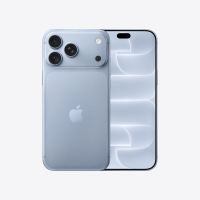
Apple iPhone 18 Pro Max
$2,399.00
Buy on Lazada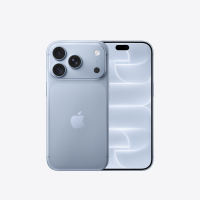
Apple iPhone 18 Pro
$3,699.00
Buy on Lazada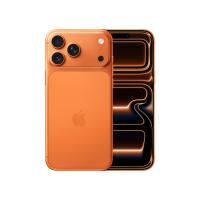
Apple iPhone 17 Pro Max
$1,748.00$1,899.00
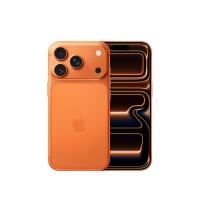
Apple iPhone 17 Pro
$2,198.00$2,349.00
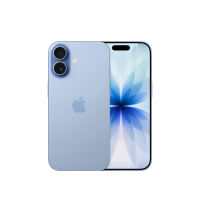
Apple iPhone 17
$1,658.00$1,749.00
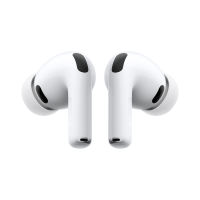
AirPods Pro 3
$285.00$349.00
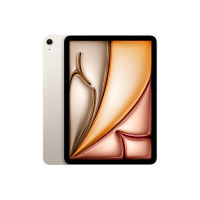
Apple 11-inch iPad Air M4 Wi-Fi
$1,915.00$2,049.00
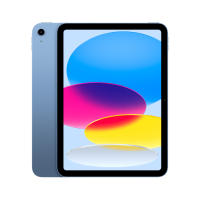
Apple 11-inch iPad A16 Wi-Fi
$1,036.00$1,099.00
About Apple
Apple Inc. is an American multinational technology company that designs, develops and sells consumer electronics, computer software, online services and digital platforms. Headquartered in Cupertino, California, United States, it is widely regarded as one of the most influential and valuable technology firms globally. Apple is best known for creating an integrated ecosystem in which its hardware, software and services function seamlessly together, with a strong emphasis on simplicity, premium design, security, privacy and user experience.1
Overview
- Company Name: Apple Inc.
- Former Name: Apple Computer, Inc. (1976–2007)
- Founded: April 1, 1976
- Headquarters: Cupertino, California, United States
- Industry: Technology
- Business Type: Public multinational corporation
- Stock Symbol: NASDAQ: AAPL
- Primary Businesses:
- Consumer electronics
- Computer hardware
- Software development
- Artificial intelligence
- Digital services
- Cloud computing
- Entertainment and media services
The company’s philosophy centres on combining cutting-edge technology with elegant design to produce products that are both powerful and intuitive. This deep integration has established Apple as one of the most recognisable brands worldwide.2
History
Apple was founded on April 1, 1976, by Steve Jobs, Steve Wozniak and Ronald Wayne. The company’s inaugural product was the Apple I, a personal computer designed by Wozniak and marketed by Jobs. This was followed shortly by the Apple II, one of the first highly successful mass-produced personal computers, which helped catalyse the personal computing revolution.3
Throughout the 1980s, Apple released the Macintosh, introducing the graphical user interface and mouse to a broad consumer market. During the 1990s, the company faced significant financial difficulties until Steve Jobs returned in 1997 following Apple’s acquisition of NeXT. Under his leadership, Apple launched a series of transformative products:
- iMac (1998)
- iPod (2001)
- iTunes Store (2003)
- iPhone (2007)
- App Store (2008)
- iPad (2010)
These releases were instrumental in transforming Apple into one of the world’s most successful technology companies.4
Leadership
Key figures in the company’s history include:
- Steve Jobs: Co-founder and visionary leader responsible for many of Apple’s landmark products.
- Tim Cook: Oversaw the significant expansion of Apple’s global business, services division and supply chain operations.5
Products
Apple develops a comprehensive range of hardware products across several categories.
iPhone
The company’s flagship smartphone line, distinguished by premium design, advanced camera systems and deep integration with iOS.
Mac
A family of desktop and laptop computers comprising:
- MacBook Air
- MacBook Pro
- iMac
- Mac mini
- Mac Studio
- Mac Pro
iPad
Tablet computers utilised for education, creative work, entertainment and professional applications.
Apple Watch
A smartwatch focused on health monitoring, fitness tracking, communication and safety features.
AirPods
Wireless earbuds offering seamless connectivity across the Apple device ecosystem.
Apple Vision Pro
A spatial computing headset that combines augmented and virtual reality experiences.6
Software
Apple develops proprietary operating systems for its devices, including iOS, iPadOS, macOS, watchOS, tvOS and visionOS. The company also produces a suite of applications such as Safari, FaceTime, Messages, Photos, GarageBand, iMovie, Final Cut Pro, Logic Pro and Xcode. Because Apple controls both the hardware and software, it is able to optimise performance, security and battery life across its product range.
Services
Beyond hardware, Apple offers a growing portfolio of subscription-based and digital services:
- App Store
- Apple Music
- Apple TV+
- Apple Arcade
- Apple Fitness+
- Apple News+
- Apple Pay
- Apple Card (selected markets)
- iCloud
These services generate recurring revenue and reinforce user engagement within the Apple ecosystem.7
Business Strategy
Apple’s corporate strategy prioritises premium product quality, strong brand identity, tight hardware-software integration, user privacy and security, long-term customer loyalty, continuous innovation and high-quality customer support. Rather than competing primarily on price, the company positions itself as a premium technology brand.8
Innovation
Apple has introduced or popularised numerous technologies that have influenced the broader consumer electronics industry, including:
- Multi-touch smartphones
- Retina displays
- Face ID
- Touch ID
- Apple Silicon processors
- Spatial computing
- On-device AI features
- Advanced health monitoring via Apple Watch9
Ecosystem
A defining strength of Apple is its interconnected ecosystem, where devices collaborate through features such as AirDrop, Handoff, Universal Clipboard, Continuity Camera, iCloud synchronisation and shared Apple ID services. This cohesive experience encourages users to remain within the Apple platform.10
Privacy and Security
Privacy is a central tenet of Apple’s product development. Measures include processing many AI features directly on-device, encrypting user data, offering App Tracking Transparency, providing secure biometric authentication via Face ID and Touch ID, and delivering regular security updates. These commitments have become a primary competitive differentiator for the company.11
Environmental Initiatives
Apple has committed to reducing its environmental impact through increased use of recycled materials, renewable energy in operations, lower carbon emissions, reduced packaging waste and device recycling programmes. The company has stated long-term goals to reduce its overall carbon footprint across both its products and supply chain.12
Global Impact
Apple has significantly shaped multiple sectors, including personal computing, smartphones, tablets, wearable technology, mobile applications, digital music, streaming services, mobile payments and semiconductor design. Its products have fundamentally influenced consumer expectations regarding design, usability and cross-device integration.
Legacy
From its origins in a California garage to its current status as a leading global technology company, Apple has maintained a consistent focus on innovation, design and user experience. Through products such as the Macintosh, iPhone, iPad, Apple Watch and Vision Pro, alongside a broad portfolio of software and services, the company has had a lasting impact on modern computing and digital life.
References
- Apple to celebrate 50 years of thinking different – Apple (PH)
- Apple’s 50-year journey from garage to tech titan
- Company News – Newsroom – Apple (PH)
- Apple (Philippines)
- Enterprise – Business – Apple (PH)
- Business – Apple (PH)
- Official Apple Support
- Official Apple Support
- Company News – Newsroom – Apple
- Apple Leadership – Apple (PH)
- Contact – Official Apple Support (PH)
- Better Business Management Ahead – Apple Business