Shop on Lazada
Banpresto products

【Authentic🇯🇵】Pokemon Chimchar & Empoleon Banpresto 25cm Plush Soft Toy Stuffed Doll
$24.90
Buy on Lazada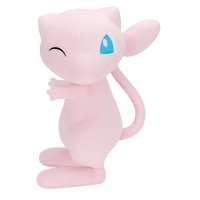
Pokemon Hopepita 14 Plush - Mew Right Wink
$32.20$45.36
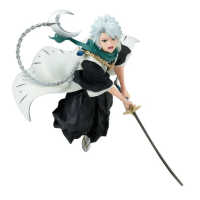
Banpresto Bleach Vibrations Stars Toushiro Hitsugaya
$30.00
Buy on Lazada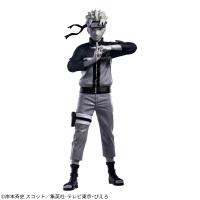
Banpresto Naruto Shippuden Noir Edge Collection Naruto Uzumaki
$30.00
Buy on Lazada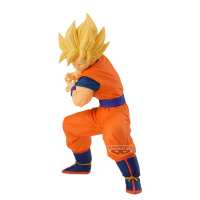
Banpresto Dragon Ball Z Grandista Son Goku
$30.00
Buy on Lazada
Disney Characters - Fluffy Puffy ~ Olaf & Snowgies ~ (A: Olaf)
$28.00$34.00
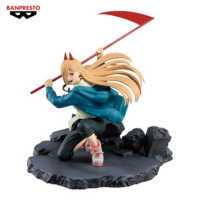
Banpresto Chainsaw Man Vibration Stars Power Special
$29.00
Buy on Lazada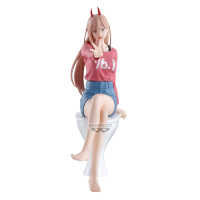
Banpresto Chainsaw Man Power Figure
$28.00
Buy on LazadaAbout Banpresto
Overview
Banpresto is a Japanese entertainment brand best known internationally for character figures, collectible merchandise, and amusement prize figures based on popular anime, manga, video games, and other pop-culture franchises. Today, Banpresto functions primarily as a brand and product category within BANDAI SPIRITS rather than as an independent company. Its history is closely tied to Bandai and the wider Bandai Namco Group, with its identity evolving from a video game and amusement machine manufacturer into a label strongly associated with prize figures and character goods 1.
The name “Banpresto” refers to two distinct entities depending on the historical period: the former Banpresto Co., Ltd., which was an independent Japanese company, and the continuing product brand used for amusement prizes and character merchandise following corporate restructuring. BANDAI SPIRITS describes the 2019 merger as the point at which Banpresto was relaunched specifically as a category brand for amusement prizes 1.
Basic Information
| Item | Information |
|---|---|
| Name | Banpresto (バンプレスト) |
| Japanese | 株式会社バンプレスト / バンプレスト |
| Country of origin | Japan |
| Industry | Entertainment, character merchandise, collectibles, amusement prizes |
| Parent group | Bandai Namco Group |
| Current corporate status | Former Banpresto Co., Ltd. merged into BANDAI SPIRITS in 2019 |
| Current identity | Brand/category for amusement-prize products |
| Best known for | Prize figures, character goods, anime/manga/game merchandise |
| Major franchises | Dragon Ball, One Piece, My Hero Academia, Naruto, Demon Slayer, Pokémon, Jujutsu Kaisen |
Origins and Early History
Banpresto’s history traces back to the Japanese amusement and character-goods industries of the late 20th century. The company gained prominence by combining popular characters with amusement machines. Rather than relying solely on conventional retail toy channels, Banpresto became heavily involved in producing merchandise distributed through arcade prize machines, commonly known in Japan as UFO catchers or claw machines. This business model became one of the brand’s defining characteristics.
Connection with Bandai
Banpresto became increasingly integrated with Bandai and subsequently the Bandai Namco Group. In 2006, NAMCO BANDAI Holdings made Banpresto a wholly owned subsidiary. This acquisition placed Banpresto within the same corporate ecosystem as major Japanese entertainment properties, allowing the group to connect anime, manga, and games with character IP, merchandise, amusement facilities, and prize products. This vertical integration proved particularly effective for franchises with large fanbases.
Video Game Era
Before specialising in prize figures, Banpresto was also a video game publisher and developer. The company was involved in home-console software, arcade games, character-based titles, licensed anime and manga adaptations, and original crossover games.
Super Robot Wars
The most famous game franchise associated with Banpresto is Super Robot Wars (Super Robot Taisen). This series brought together characters and mecha from numerous robot-anime franchises into crossover strategy RPGs. Banpresto was historically central to the franchise, making the Super Robot Wars series one of Japan’s most recognisable examples of licensed crossover gaming and an important part of the company’s legacy.
2008 Restructuring
A significant turning point occurred in 2008 when Banpresto’s home-console software and arcade-machine operations were transferred to NAMCO BANDAI Games. Following this transfer, Banpresto concentrated increasingly on prize operations, particularly prizes for amusement machines. While the pre-2008 entity handled games, arcade machines, prizes, and character merchandise, the post-2008 Banpresto focused almost exclusively on amusement prizes and character goods. This shift explains why modern collectors associate the Banpresto name more strongly with figures than with video games.
Banpresto and Prize Figures
In Japan, arcade prize machines are a major component of the entertainment industry. Instead of purchasing figures directly from retail shops, customers often win them through amusement machines. Banpresto became one of the primary companies producing these prizes, distributing products through claw machines, prize machines, arcades, amusement centres, character-goods retailers, and eventually online and international collectible stores.
Official records note that Banpresto launched its first game prizes for amusement facilities in April 1990 1. This milestone established the foundation for the brand’s synonymy with prize figures.
Characteristics of Prize Figures
A prize figure is a collectible designed originally for distribution as an amusement prize rather than as a premium retail item. Consequently, these figures follow a different production philosophy from expensive collector statues. Typical Banpresto prize figures emphasise recognisable character likenesses, attractive poses, good sculpting, large visual impact, affordable production costs, mass distribution, and accessibility for casual fans. This approach allows characters that might otherwise require expensive premium figures to be represented at a more accessible price point.
Major Product Styles
Prize Figures
Prize figures are the products most strongly associated with the Banpresto name. They commonly depict characters from anime and games in standing, action, or battle poses, as well as in school uniforms, casual clothing, character-specific costumes, and seasonal designs.
Character Goods
Beyond figures, Banpresto has produced numerous smaller character products including plush toys, keychains, small collectibles, accessories, stationery, and miscellaneous merchandise. The specific product categories vary considerably by franchise and era.
Ichiban Kuji
Banpresto is historically associated with Ichiban Kuji, a Japanese character lottery format where customers purchase tickets to win prizes rather than using claw machines. Prize tiers include large and medium figures, plushes, acrylic goods, towels, character accessories, and exclusive merchandise. However, the Banpresto brand is distinct from the broader Ichiban Kuji business, particularly as corporate structures evolved within the Bandai Namco Group.
Anime Franchises
Banpresto’s strength lies in converting popular intellectual properties into physical collectibles. Over the years, the brand has been associated with many major Japanese franchises.
Dragon Ball
Dragon Ball is one of Banpresto’s most important properties. The brand has produced vast numbers of prize figures covering characters such as Goku, Vegeta, Gohan, Piccolo, Frieza, Trunks, Broly, Beerus, and Jiren. These figures are among the most recognisable Banpresto products internationally.
One Piece
One Piece is another pillar of the figure business, with extensive releases featuring Monkey D. Luffy, Roronoa Zoro, Nami, Sanji, Trafalgar Law, Shanks, Kaido, and other members of the Straw Hat crew and wider cast.
Other Major Franchises
- My Hero Academia: Figures of Izuku Midoriya, Katsuki Bakugo, Shoto Todoroki, Ochaco Uraraka, All Might, and Tomura Shigaraki.
- Naruto: Extensive prize-figure coverage of characters from both Naruto and Naruto Shippuden.
- Demon Slayer: Merchandise featuring Tanjiro Kamado, Nezuko Kamado, Zenitsu Agatsuma, Inosuke Hashibira, the Hashira, and major antagonists.
- Additional Properties: Depending on the period, products have also represented Pokémon, Jujutsu Kaisen, Sailor Moon, Gundam, JoJo’s Bizarre Adventure, Sword Art Online, Evangelion, The Idolmaster, Love Live!, Re:Zero, One-Punch Man, Haikyuu!!, Spy × Family, and various video game franchises.
The licensing portfolio changes continuously based on current trends and agreements.
Logo and Branding
The Banpresto logo is frequently seen on the packaging or base of prize figures. Older products may carry the logo of Banpresto Co., Ltd., while newer items display Banpresto as a brand associated with BANDAI SPIRITS. Consequently, the presence of “Banpresto” on an older figure does not necessarily indicate manufacture by the same corporate entity that uses the name today.
2018–2019 Corporate Transition
A critical transition occurred between 2018 and 2019. In February 2018, BANDAI SPIRITS CO., LTD. was established to manage Bandai’s mature-fan business alongside lottery-related and new businesses from Banpresto. Subsequently, in April 2019, BANDAI SPIRITS and Banpresto Co., Ltd. merged, with BANDAI SPIRITS as the surviving company 1.
Following this merger, Banpresto continued solely as a category brand for amusement prizes. When collectors refer to a “Banpresto figure” today, they are generally describing a BANDAI SPIRITS amusement-prize product carrying the Banpresto brand, rather than an output of an independently operating corporation.
Distinction from Bandai and BANDAI SPIRITS
Understanding the relationship between these entities clarifies the brand’s positioning:
- Bandai: The historic toy and character-products company known for Gunpla, Tamagotchi, Chogokin, and general anime merchandise.
- Banpresto: Historically an independent company involved in video games and arcade machines; now primarily a brand for amusement prizes.
- BANDAI SPIRITS: Established in 2018 to handle collector-oriented activities including Gunpla, Ichiban Kuji, prize figures, and mature-fan merchandise. BANDAI SPIRITS explicitly identifies Banpresto as a category brand for amusement prizes following the 2019 merger 1.
Market Position
Banpresto occupies a distinct position between mass-market toys and premium collectibles. A simplified market hierarchy places low-cost character merchandise at the base, followed by Banpresto prize figures, mid-to-high-end articulated figures, premium collector figures, and luxury statue-level collectibles at the top.
This hierarchy reflects purpose rather than strict quality ranking. Banpresto’s strength is providing visually appealing character figures at accessible prices, whereas premium brands focus on intricate sculpts, sophisticated articulation, elaborate paint applications, and expensive materials.
Factors Driving Popularity
Several factors contribute to Banpresto’s enduring popularity:
- Accessibility: Prize figures offer a lower barrier to entry for new collectors compared to premium figures.
- Character Selection: The brand produces merchandise for an enormous number of anime and game properties.
- Release Frequency: Popular franchises receive numerous releases throughout the year.
- Variety: Products frequently feature supporting characters, villains, and less prominent figures alongside protagonists.
- Value: Many figures are physically substantial relative to their typical retail price.
- Cultural Identity: The connection to Japanese crane-game culture provides a distinct identity absent in conventional retail figures.
Relationship with Crane Games
The link between Banpresto and Japanese crane games is fundamental. Typical arcades feature rows of prize machines containing figures, plush toys, bags, blankets, electronics, and other licensed goods. Banpresto successfully supplied these machines with products tied to popular anime and manga, creating a feedback loop where popular anime drives demand for desirable characters, which leads to Banpresto prizes in arcade machines, further fuelling collector interest. Continuous new anime seasons and films ensure a steady market for new merchandise.
Collecting Generations
Collectors often categorise Banpresto figures into three generations:
- Older Banpresto: Products from the era when Banpresto was an independent company, valued for their historical significance.
- Transitional Products: Items released during the Bandai Namco and BANDAI SPIRITS restructuring periods.
- Modern Banpresto: Products released under the current BANDAI SPIRITS brand structure, most commonly found in arcades and modern retailers.
Quality Perception
Describing Banpresto figures as “cheap” can be misleading. Because they are designed for a prize-machine business model, they have a different cost structure from premium collectibles. A high-quality Banpresto figure may feature excellent sculpting, accurate proportions, attractive paintwork, large size, and dynamic posing. However, compared to premium figures, they typically lack fine paint application, complex articulation, surface detailing, advanced engineering, extensive accessories, and premium materials. Thus, Banpresto is best understood as accessible, prize-oriented collecting rather than merely budget manufacturing.
Notable Figure Lines
Over the years, Banpresto has utilised numerous series names and sub-brands. Lines encountered by collectors include World Collectable Figure (WCF), Grandista, DXF, Creator × Creator, The Amazing Heroes, Chronicle Figure Academy, Glitter & Glamours, EXQ, and Q posket. Naming conventions and line associations have changed over time. For example, Q posket was launched as an amusement-prize figure series by Banpresto in 2014 and became recognisable for its stylised proportions and large eyes 2.
Industry Significance
Banpresto’s significance extends beyond individual figure production; it helped establish a mass-market ecosystem for licensed Japanese character collectibles. While traditional toy business follows a manufacturer-to-retailer-to-consumer path, Banpresto’s prize business introduced an alternative route: IP owner to merchandise manufacturer to amusement operator to prize machine to consumer. This model has been particularly effective in Japan, where arcades and amusement facilities have long been integral to youth and pop culture.
Current Status
As of 2026, Banpresto is understood as a BANDAI SPIRITS and Bandai Namco brand associated primarily with amusement-prize merchandise. The former corporation ceased to exist as an independent entity upon merging with BANDAI SPIRITS in April 2019, but the name remains commercially vital as a product category 1. The corporate identity disappeared, but the consumer-facing brand identity continued uninterrupted. This distinction is essential when researching older Banpresto games versus modern Banpresto figures.
Timeline
| Year | Event |
|---|---|
| 1990 | Banpresto launches its first game prizes for amusement facilities 1. |
| 2000 | Banpresto listed on the Second Section of the Tokyo Stock Exchange. |
| 2002 | Banpresto moved to the First Section of the Tokyo Stock Exchange. |
| 2006 | NAMCO BANDAI Holdings makes Banpresto a wholly owned subsidiary. |
| 2008 | Home-console and arcade-game operations transferred to NAMCO BANDAI Games; focus shifts to prize operations. |
| 2011 | Banpresto and BEC merge to form B.B. Studio. |
| 2018 | BANDAI SPIRITS is established. |
| 2019 | Banpresto Co., Ltd. merges into BANDAI SPIRITS; becomes a category brand for amusement prizes 1. |
| 2020s | Continues as a major name in anime and game amusement-prize merchandise. |
Understanding the Brand Structure
For those encountering the name while shopping for anime figures, the modern hierarchy is: Bandai Namco Group → BANDAI SPIRITS → Banpresto → Amusement/prize figures and character merchandise. Historically, Banpresto Co., Ltd. encompassed video games, arcade games, the amusement business, prize figures, and character merchandise. The modern Banpresto is essentially the continuation of the brand rather than the original corporation. The corporate transitions in 2008 and especially 2019 explain why the Banpresto name appears on both vintage video games and contemporary anime figures 2.