Shop on Lazada
Bath & Body Works products
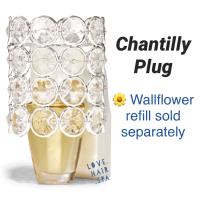
SG Stock ⭐️ WALLFLOWER Refill / Plug Bath & Body Works Diffuser Air Freshener Home Fragrance BBW Bath BodyWorks
$16.50
Buy on Lazada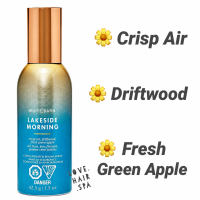
SG Stock ⭐ Bath & Body Works Concentrated Room Spray Air Freshener Premium BBW Fragrance
$13.43$15.00
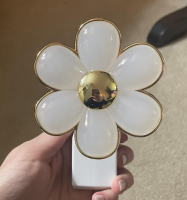
Authentic Bath And Body Works Wallflower Refill Scent 24ml & Wallflower Plug Aroma Diffuser
$26.90$28.00
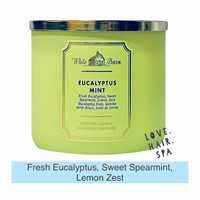
SG Stock ⭐️ Bath & BodyWorks 3-Wick Candle Scented Home Fragrance Various Scents Bath Body Works BBW
$39.80$48.00
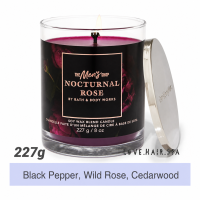
Bath and Body Works Candle Scented Candle - BBW Various Home Fragrance 1-Wick Candle n Bath & Body Works Single Wick
$24.87$25.00
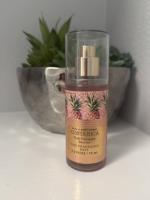
Authentic Bath And Body Works Fragrance Mist Travel Valentines Day Release
$12.90$17.00
Bath & Body Works : PocketBac Hand Sanitizer - 29ml - Bath and Bodyworks - BBW - PLEASE READ DISCLAIMER BEFORE BUYING
$6.00
Buy on Lazada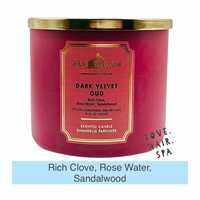
SG Stock ⭐️ DARK VELVET OUD Bath & Body Works 3-Wick Scented Candle BBW Home Fragrance Bath BodyWorks White Barn BBW
$39.80$48.00
About Bath & Body Works
Bath & Body Works is an American specialty retailer and consumer brand best known for body care, personal fragrance, soaps, hand sanitizers and home fragrance products, particularly its signature 3-wick candles. Founded in 1990, the company has grown from a United States mall retailer into a global fragrance-focused business with thousands of stores and international distribution.1
Today, Bath & Body Works operates as Bath & Body Works, Inc. (NYSE: BBWI), an independent publicly traded company headquartered in Columbus, Ohio. Its current chief executive officer is Daniel Heaf, who has led the company since May 2025.2
Overview
Bath & Body Works is primarily a fragrance and personal-care company rather than a conventional cosmetics business. Its identity revolves around the concept that fragrance can create emotions, memories and everyday experiences.
The company describes its purpose as helping people “live more fully through the power of fragrance”. It sells products for both the body and the home, allowing customers to use the same general fragrance concept across multiple categories.3
For example, a single fragrance family may appear as:
- Fine fragrance mist
- Eau de parfum
- Body lotion
- Body cream
- Body wash
- Hand soap
- Hand sanitizer
- 3-wick candle
- Single-wick candle
- Wallflowers home fragrance
- Other home-fragrance products
This cross-category approach is one of the defining characteristics of the Bath & Body Works business model.
History
Origins
Bath & Body Works was established in 1990 in New Albany, Ohio. The first store opened that year, and the company initially positioned itself around bath, body and fragrance products in a specialty-retail environment.4
The brand emerged from the retail ecosystem associated with The Limited, the company founded by businessman Leslie H. Wexner. Bath & Body Works subsequently became part of what was known as Limited Brands, alongside other major American retail brands.
The original concept differed from the contemporary format, emphasising the atmosphere of a specialty bath shop and the sensory experience of its products.
Expansion during the 1990s
During the 1990s, Bath & Body Works expanded rapidly throughout the United States. Its growth was driven by several characteristics that eventually became central to the brand:
- Large variety of fragrances
- Frequent introduction of new products
- Strong seasonal collections
- Gift-oriented merchandise
- Distinctive in-store environments
- Affordable-premium pricing
The company eventually became one of the largest specialty bath-and-body retailers in the United States.5
Evolution into a fragrance powerhouse
A significant development for Bath & Body Works was its transition from being primarily a bath-and-body retailer into a broader fragrance lifestyle brand. Instead of selling only lotions, shower products and soaps, the company increasingly developed fragrances that could be experienced throughout the customer’s life.
This resulted in a business divided broadly into two categories:
Body care
Products intended for personal use include:
- Fine fragrance mists
- Eau de parfum
- Body creams
- Body lotions
- Body washes
- Shower gels
- Hand creams
- Hand soaps
- Hand sanitizers
Home fragrance
Products designed to scent the home include:
- 3-wick candles
- Single-wick candles
- Wallflowers
- Room sprays
- Other home-fragrance products
The company’s annual report describes it as a global leader in personal care and home fragrance.6
Signature products
3-Wick Candles
The 3-Wick Candle is arguably the most recognisable home-fragrance product from Bath & Body Works. Typically containing three wicks and sold in a large glass container, it has become a major part of the company’s identity and seasonal merchandising strategy. Fragrances are frequently released in collections, with different designs and labels corresponding to seasons, holidays or particular fragrance themes.
Fine Fragrance Mist
Fine fragrance mist is another major category. Compared with traditional perfume, the product is generally positioned as a lighter, more casual fragrance that can be reapplied throughout the day. This category has helped Bath & Body Works establish a reputation for offering many different fragrances at accessible prices.
Body Lotion and Body Cream
Bath & Body Works offers both lotions and richer body creams, frequently designed to coordinate with its fragrance collections. Customers can purchase several products with the same scent, such as body wash, lotion and fragrance mist, creating a fragrance layering system.
Hand Soap
Liquid hand soap is a key everyday product for the brand. Unlike perfume, hand soap allows Bath & Body Works to compete in the home and household category. Seasonal hand soaps, particularly those with holiday and autumn designs, form an important part of the company’s seasonal retail strategy.
Wallflowers
Wallflowers are plug-in home-fragrance products designed to continuously release fragrance into a room. They complement the company’s candles and help extend the fragrance business beyond traditional personal-care products.
Fragrance culture
Bath & Body Works does not simply sell individual products; it sells fragrance identities. A fragrance may be associated with a particular season, holiday, memory, mood, room, lifestyle or specific time of year. This has produced a strong consumer culture around collecting and discussing Bath & Body Works fragrances.
Popular examples include:
- A Thousand Wishes
- Champagne Toast
- Japanese Cherry Blossom
- Warm Vanilla Sugar
- Into the Night
- Gingham
- Mahogany Teakwood
- Eucalyptus Spearmint
The company continues to emphasise fragrance innovation and new scent introductions as a major component of its strategy.7
Seasonal marketing
Seasonality is a defining commercial characteristic of Bath & Body Works. The company frequently reorganises its merchandise around seasonal themes:
- Spring: Floral, fresh and fruity fragrances.
- Summer: Tropical, citrus, aquatic and beach-inspired fragrances.
- Fall: Apple, pumpkin, caramel, vanilla, cinnamon and other warm fragrances.
- Halloween: Dark, sweet, spooky and dessert-inspired concepts.
- Christmas: Pine, peppermint, vanilla, cinnamon, cranberry and other holiday fragrances.
This creates a retail calendar in which customers regularly encounter new collections, even when the underlying product categories remain similar.
White Barn
White Barn is a closely associated Bath & Body Works brand focused particularly on home fragrance. Historically used for candles and other home-fragrance merchandise, it often features a more minimalist visual identity than the colourful Bath & Body Works presentation. Corporate filings identify Bath & Body Works and White Barn among the brand names under which the company sells home fragrance, body care, soap and sanitizer products.8
Corporate history
Bath & Body Works was historically connected to the larger Limited Brands/L Brands corporate structure. Over time, the corporate portfolio changed substantially as the company disposed of or separated different businesses.
In 2021, Bath & Body Works became an independent publicly traded company following its separation from Victoria’s Secret & Co. The business retained its own corporate identity and began trading independently under the ticker BBWI.9 This marked a turning point as Bath & Body Works shifted from being part of a multi-brand retail organisation to operating as a company focused almost entirely on its own fragrance and personal-care business.
Current company
As of 2026, Bath & Body Works, Inc. is a publicly traded American retailer specializing in personal care and home fragrance. For fiscal 2025, which ended 31 January 2026, the company reported approximately $7.291 billion in net sales.10
At that fiscal year-end, the company had:
- 1,927 company-operated stores in the United States and Canada
- 573 international stores
- 34 international e-commerce sites
- Operations in more than 45 countries through various channels11
The company also expanded its distribution through Amazon in the United States in February 2026, establishing its first authorized Bath & Body Works storefront on the platform.12
Leadership
The current CEO is Daniel Heaf, who was appointed in May 2025, succeeding Gina Boswell.13 Heaf previously held senior positions at companies including Nike and Burberry, with significant experience in direct-to-consumer retail, digital commerce, strategy and transformation.14
Under Heaf, Bath & Body Works launched a transformation strategy called the Consumer First Formula. Its stated priorities include developing innovative products, reinvigorating the brand, improving the shopping experience, expanding distribution, modernizing the company’s marketplace presence and improving operational efficiency.15
Business model
Bath & Body Works operates through three major channels:
Physical retail
Stores remain extremely important to the company and are designed to encourage customers to smell products, test fragrances and discover new collections.
E-commerce
Bath & Body Works operates online stores where customers can purchase its complete range of products. Digital commerce also supports services such as buy online, pick up in store (BOPIS).
International partnerships
Outside its core U.S. and Canadian operations, Bath & Body Works uses franchise, licensing and wholesale arrangements. This allows the company to expand internationally without operating every location directly.16
Pricing and positioning
Bath & Body Works occupies a position between mass-market personal care and prestige fragrance. It is not positioned like a luxury perfume house such as Chanel or Dior. Instead, its proposition centres on affordable fragrance, variety, frequent promotions and a sensory retail experience.
Products are often priced so that customers can purchase multiple items from the same fragrance family. Promotional events, sales and multi-item offers are therefore a major part of the shopping experience.
Brand identity
The brand identity traditionally combines fragrance, colour, seasonality, nostalgia, gifting and self-care. Stores tend to be highly sensory environments where customers are encouraged to smell and compare products.
The company places considerable emphasis on the emotional aspect of fragrance. Corporate materials describe fragrance as a way of creating positive experiences and emotional connections with consumers.17 Consequently, Bath & Body Works is often perceived as more than simply a soap or lotion retailer.
Target customers
Historically, Bath & Body Works has been particularly popular among teenagers, young adults and women, although its customer base is broader. The company has increasingly attempted to expand its appeal across demographics.
Its product range now includes men’s fragrance, men’s body care, home fragrance, personal fragrance, laundry products, hand care and gifts. Attracting new and younger consumers has been specifically identified as an objective of its current transformation strategy.18
International presence
Bath & Body Works has developed into a global brand. Its international business operates through franchise, licensing and wholesale partners in numerous countries. Markets span Asia, Australia, the Middle East, Europe, the Americas and the Caribbean.
The international strategy allows the company to export its American fragrance-retail concept to markets around the world.
Presence in Singapore and Southeast Asia
Bath & Body Works maintains a significant presence in Singapore and the wider Southeast Asian region through local retail operations and online channels. The business in this region markets the same basic global categories, including body care, fine fragrance, hand soaps, hand sanitizers, candles, home fragrance and seasonal collections.
Regional websites describe Bath & Body Works as a global leader in personal care and home fragrance, consistent with its worldwide positioning.19
Marketing strategy
Marketing at Bath & Body Works is heavily based on fragrance discovery and emotional storytelling. Rather than relying solely on traditional advertising, the company uses:
- Seasonal launches
- Limited-edition fragrances
- Product collaborations
- Store displays
- Social media
- Influencer and creator marketing
- Gift campaigns
- Holiday collections
- Promotional events
- Loyalty and customer engagement programs
This strategy encourages customers to return frequently because the assortment changes throughout the year.
Factors in success
Several factors explain the longevity of Bath & Body Works:
- Strong fragrance recognition: Consumers can become highly attached to particular fragrances.
- Constant novelty: New fragrances and seasonal collections give customers a reason to visit repeatedly.
- Product layering: A single fragrance can be sold as a mist, lotion, shower gel, soap, candle and other products.
- Giftability: Many products are visually packaged and relatively easy to give as gifts.
- Affordable luxury: The brand provides a more luxurious sensory experience than ordinary drugstore personal-care products without operating at traditional luxury-fragrance prices.
- Strong physical stores: The ability to smell products before purchasing remains a major advantage for a fragrance retailer.
Challenges
Bath & Body Works faces challenges in a highly competitive beauty, personal-care and home-fragrance market. Competition comes from traditional beauty retailers, department stores, drugstores, specialty fragrance companies, home-fragrance brands, online retailers, direct-to-consumer brands and luxury fragrance houses.
In fiscal 2025, net sales were $7.291 billion, slightly below the previous year’s $7.307 billion. The company has been working on a broader transformation intended to return the business to sustainable growth.20
Consumer First Formula
Introduced in 2025, the Consumer First Formula represents an attempt to modernize Bath & Body Works and make the company more relevant to contemporary consumers. The four broad areas of focus are product innovation, brand revitalization, marketplace expansion and operational efficiency.
The company has described the strategy as an end-to-end evolution designed to move Bath & Body Works from being primarily a specialty retailer toward being a premier global brand.21
Sustainability and corporate responsibility
Bath & Body Works maintains programs covering product safety, ingredient policies, responsible sourcing, packaging, environmental impact, carbon-footprint reduction, diversity and inclusion, and community engagement. The company states it is working to reduce its environmental footprint while improving packaging and other aspects of its operations.22
Cultural significance
Bath & Body Works has become particularly recognizable in American popular culture due to its strong association with seasonal fragrance rituals. For many consumers, the brand is linked to autumn candles, pumpkin fragrances, Christmas candles, holiday hand soaps, vanilla body products, floral spring fragrances, fragrance mist collections, “Candle Day” and semi-annual sales.
This has created a consumer community around collecting, reviewing, trading and discussing fragrances, rather than simply buying personal-care necessities.
Brand philosophy
At its core, the philosophy of Bath & Body Works is that fragrance should make everyday life feel better. The company has evolved from a small 1990 specialty retailer into a global business built around the emotional and sensory power of fragrance. Its corporate history emphasizes that the business began with a handful of fragrances and developed its identity around the emotional connection customers formed with those scents.
Timeline
| Year | Event |
|---|---|
| 1990 | Bath & Body Works founded and first store opened |
| 1990s | Rapid expansion throughout the United States |
| 1997 | Bath & Body Works became the largest U.S. bath-shop chain according to contemporary historical accounts |
| 2000s | Expanded fragrance, body-care and home-fragrance categories |
| 2010s | Candles, Wallflowers and fragrance collections became increasingly important |
| 2021 | Bath & Body Works became an independent publicly traded company |
| 2025 | Daniel Heaf became CEO |
| 2025 | Company launched the Consumer First Formula transformation |
| 2026 | Bath & Body Works expanded onto Amazon U.S. |
| 2026 | Company continued its global brand and product transformation |
Summary
Bath & Body Works is an American fragrance and personal-care retailer founded in 1990 that has evolved into one of the world’s best-known specialty fragrance brands. Originally centered on bath and body products, the company expanded into fine fragrance, body care, hand soaps, sanitizers, candles and home fragrance, with products often organized around distinctive seasonal and lifestyle scents. After decades within the Limited/L Brands corporate family, Bath & Body Works became an independent publicly traded company in 2021. As of 2026, it operates nearly 2,000 company-operated stores in the U.S. and Canada, hundreds of international stores, e-commerce operations and additional third-party distribution. Under CEO Daniel Heaf, the company is currently pursuing its Consumer First Formula transformation, aiming to strengthen product innovation, brand relevance and global growth.23
References
- Personal Care and Home Fragrance | Bath & Body Works, Inc.
- bbwi-20260131
- Executive Officers | Bath & Body Works, Inc.
- Bath & Body Works Appoints Daniel Heaf as Chief Executive Officer | Bath & Body Works, Inc.
- Bath & Body Works
- bbwi-20250201
- About Us | Bath & Body Works Philippines
- Bath & Body Works Officially Launches in Amazon’s U.S. Stores, Expanding Access to Its Iconic Fragrances and Most Loved Products | Bath & Body Works, Inc.
- Form DEF 14A for Bath Body Works INC filed 04/28/2026
- Daniel Heaf | Management | Bath & Body Works, Inc.
- Bath & Body Works Drives progress on the Consumer First Formula across innovation, brand elevation, and marketplace expansion and Reports Fourth Quarter and Full-Year 2025 Results and Provides 2026 Guidance | Bath & Body Works, Inc.
- SEC Filing | Bath & Body Works, Inc.
- 0000701985-26-000008 | 10-K | Bath & Body Works, Inc.
- Bath & Body Works Reports First Quarter Results Exceeding Guidance and Progress Against the Consumer First Formula | Bath & Body Works, Inc.
- SEC Filing | Bath & Body Works, Inc.
- SEC Filing | Bath & Body Works, Inc.
- Bath & Body Works To Report First Quarter Results On May 27, 2026 | Bath & Body Works, Inc.
- SEC Filing | Bath & Body Works, Inc.
- Bath & Body Works Inc. (via Public) / Annual Report for Fiscal Year Ending January 31, 2025 (Form 10-K)
- Bath & Body Works – 10-K annual report 2025
- SEC EDGAR Submission 0000701985-26-000008
- Bath & Body Works (BBWI) Revenue Recognition (2019-2026 10-K) | edgar.tools
- Bath & Body Works to Report Fourth Quarter and Fiscal 2025 Results on March 4, 2026 | Bath & Body Works, Inc.