Shop on Lazada
Bob’s Red Mill products
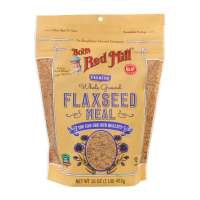
Bobs Red Mill Gluten Free Flaxseed Meal 16Oz
$10.26
Buy on Lazada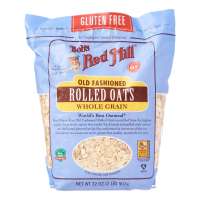
Bobs Red Mill Gluten Free Whole Grain Old Fashioned Rolled Oats
$14.90
Buy on Lazada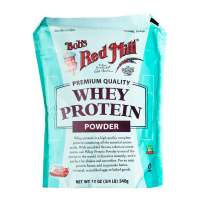
Bobs Red Mill Whey Protein Powder
$23.12$28.90
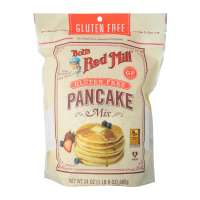
Bobs Red Mill Gluten Free Pancake Mix
$10.90
Buy on Lazada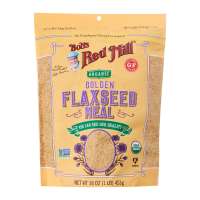
Bobs Red Mill Organic Golden Flaxseed Meal
$10.50
Buy on Lazada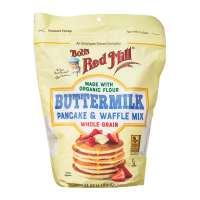
Bobs Red Mill Buttermilk Pancake And Waffles Whole Grain Mix
$9.90
Buy on Lazada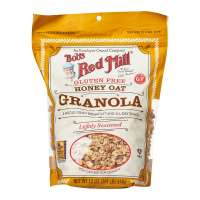
Bobs Red Mill Gluten Free Honey Granola Oats
$8.32$10.40
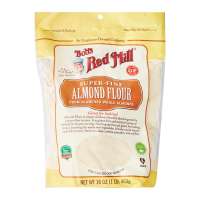
Bobs Red Mill Finely Ground Almond Flour
$18.80
Buy on LazadaAbout Bob’s Red Mill
Bob’s Red Mill is an American food company best known for its whole-grain flours, oats, cereals, baking ingredients and gluten-free foods. Founded in 1978 by Bob and Charlee Moore in Milwaukie, Oregon, the business grew from a small traditional milling operation into a major natural-foods brand distributed through grocery retailers and food-service channels. The company remains headquartered in Milwaukie and is 100% employee-owned, a structure that distinguishes it from most firms of its size.1
The company describes its current portfolio as comprising more than 400 natural, organic and gluten-free products.1
History
Origins
The origins of Bob’s Red Mill predate its official founding in 1978. Bob Moore was born in Oregon in 1929. In 1968, while working in Redding, California, he encountered a book about an old family flour mill which sparked his interest in traditional milling and whole grains. He subsequently researched historic milling techniques and sought out traditional millstones and equipment.1
In 1974, Bob, Charlee and two of their sons opened Moores’ Flour Mill in Redding, California. The operation was housed in a Quonset hut and utilised traditional milling equipment. A few years later, the Moores relocated to Oregon with the intention of retiring and attending seminary school. These plans changed when they discovered an old feed mill for sale in Milwaukie. They purchased the property and established a new milling business, which became Bob’s Red Mill.1
1978: Establishment
Bob’s Red Mill Natural Foods opened in 1978 on Roethe Road in Milwaukie, Oregon. The original concept was to make traditionally milled whole-grain foods available to consumers. The company initially operated a small store attached to the mill, selling products directly to local customers.
The business attracted attention from local grocery stores and eventually expanded beyond Oregon. In 1982, the Northwest supermarket chain Fred Meyer began carrying dozens of Bob’s products, helping to introduce the brand to a wider audience.1
The 1988 fire
A pivotal event in the company’s history occurred in 1988 when the original Bob’s Red Mill and Whole Grain Store was destroyed by fire in what the company describes as suspected arson. Notably, the millstones survived the blaze. Rather than abandoning the business, Bob Moore and his team rebuilt, and by 1989, milling had resumed at a larger facility in Milwaukie.1
The destruction of the original mill and subsequent reconstruction became part of the company’s narrative of resilience and expansion. In 1990, Bob Moore and general manager Dennis Gilliam drove approximately 22 hours to attend Expo West, a major natural-food industry trade show. Despite arriving without a price sheet, the event helped launch the company into nationwide distribution.1
Founders
Bob Moore
Bob Moore was the central figure behind the brand and became closely associated with the American whole-grain and natural-food movement. His philosophy emphasised whole grains, traditional milling, minimally processed ingredients, nutritional value, accessibility of wholesome foods and long-term relationships with employees. He remained involved with the company well into his later years and served on the board until his death at home on 10 February 2024, aged 94.1
His legacy is defined by his deliberate choice to pursue employee ownership rather than selling the company to a large corporation.
Charlee Moore
Charlee Moore was Bob’s wife and co-founder. According to the company’s history, she played a significant role in motivating the couple’s interest in healthier food and whole grains. In the early years of the business, she worked directly in the store and performed various tasks, including hand-packaging products. The company presents Bob and Charlee jointly as the foundational figures behind Bob’s Red Mill.1
Employee ownership
A distinctive feature of Bob’s Red Mill is its ownership structure. In 2010, on Bob Moore’s 81st birthday, he established an Employee Stock Ownership Plan (ESOP) to allow employees to become owners instead of selling the business to an outside corporation. Despite reportedly receiving numerous acquisition offers, Moore chose employee ownership to provide financial security for staff and allow them to share in the company’s success.1
Today, the company states that it is 100% employee-owned. This model is a core component of its corporate culture, and employees are referred to as “employee owners”. For consumers, this distinguishes Bob’s Red Mill from conventional subsidiaries of large food conglomerates, positioning it as an independent, employee-owned food business.1
Products
Although strongly associated with flour and oats, the Bob’s Red Mill portfolio encompasses over 400 items across multiple categories.1
Flours
The flour range includes Whole Wheat Flour, Unbleached White All-Purpose Flour, Organic Whole Wheat Flour, Organic Unbleached All-Purpose Flour, Artisan Bread Flour, 00 Flour, Almond Flour, Gluten Free All-Purpose Baking Flour and Gluten Free 1-to-1 Baking Flour.12
Oats
Oats are among the company’s most recognisable product families. Varieties include rolled oats, quick oats, steel-cut oats, instant oatmeal, organic oats, gluten-free oats, flavoured oatmeal and protein-oat products.1
Grains
The company sells numerous whole and alternative grains, including wheat, corn, rice, quinoa, buckwheat, amaranth, rye, couscous and other ancient grains. The grain portfolio emphasises whole, organic, gluten-free and minimally processed options.1
Cereals and granola
Production includes hot cereals, muesli, granola, oatmeal, instant oatmeal and single-serving oatmeal products.
Baking mixes
The brand has expanded into convenience products such as pancake mixes, muffin mixes, cornbread mixes, brownie mixes, cookie mixes, gluten-free baking mixes and specialty baking blends.1
Seeds, beans and other ingredients
The portfolio also includes seeds, beans, protein powders, nutritional yeast, alternative flours, baking ingredients, snack products and meal-oriented items. The food-service division offers products ranging from oats and gluten-free flours to oatmeal cups, bars and plant-based protein powders.1
Whole grains and stone milling
Whole grains are the defining concept of Bob’s Red Mill. The company was founded on the belief that traditional grains could be nutritious, versatile foods rather than merely inexpensive staples. This philosophy drives the offering of specialised ingredients such as buckwheat, quinoa, amaranth, coconut, almond, cassava, oat, brown rice, rye and spelt flours, appealing to traditional bakers, health-conscious consumers, vegetarians, vegans and those avoiding gluten.1
Traditional stone milling remains central to the brand’s heritage and identity. The visual language of the brand, including the name “Red Mill” and the imagery on packaging, reflects these historical roots in traditional grain production rather than treating grain solely as an industrial commodity.1
Gluten-free specialisation
Gluten-free foods represent a key area of specialisation. The company states that its gluten-free efforts began in the 1980s when the Gluten Intolerance Group approached it regarding the separation of gluten-free grains. Bob’s Red Mill subsequently developed dedicated processing capabilities.1
The company currently operates a 58,200-square-foot dedicated gluten-free facility where products are milled, mixed and packaged using equipment not exposed to non-gluten-free products.2 Batch testing is conducted using ELISA methods. Products are not marketed as gluten-free if testing indicates contamination at or above 20 parts per million, consistent with FDA labelling thresholds. Some products also carry certification from the Gluten-Free Certification Organization (GFCO).2
Distinction regarding gluten-free status
Not every Bob’s Red Mill product is gluten-free, even if the underlying ingredient is naturally so. For example, conventional oats may contact wheat during cultivation or processing. The company therefore distinguishes between conventional/organic oats and those specifically processed and tested as gluten-free. This distinction applies similarly to products like corn and is particularly relevant for consumers with coeliac disease or medically necessary gluten avoidance.1
Organic and non-GMO positioning
Bob’s Red Mill offers a substantial range of USDA Organic products and promotes Non-GMO Project Verified items. While more than 200 products had been Non-GMO Project Verified at the time of publication, not all items carry these certifications. Consumers must check individual packaging for applicable designations, as the company maintains distinct product lines with varying certifications.1
Quality and food safety
The company’s food-safety system incorporates HACCP principles, Good Manufacturing Practices, employee training, ongoing Safe Quality Food (SQF) certification, allergen-control procedures, gluten testing and relevant organic or Non-GMO verification. Allergen labelling identifies major allergens when present.12
Brand identity and philosophy
Bob’s Red Mill maintains a distinctive visual identity featuring a portrait of Bob Moore, a red-and-white colour scheme, rustic typography and grain imagery. This aesthetic communicates tradition and trustworthiness, contrasting with the sleek branding of many modern packaged-food companies.
The brand philosophy centres on several themes:
* Whole grains: The historical foundation of the business.
* Simple ingredients: An approach described as “simple, authentic and nothing else”.1
* Accessibility: Making specialty ingredients available through mainstream grocery distribution.
* Dietary inclusivity: Options for gluten-free, vegan, organic, grain-free and paleo diets.1
* Employee ownership: A core component of corporate identity rather than a footnote.
Business model and market position
Bob’s Red Mill operates primarily as a food manufacturer and branded packaged-food company. Products reach consumers through supermarkets, natural-food stores, specialty retailers, online channels, food-service businesses and wholesale distribution.1
Its competitive advantage lies in the combination of specialty ingredients, whole grains, natural-food credibility, gluten-free expertise and strong brand recognition. Several factors explain its growth:
* Early entry: Selling whole-grain products before natural foods became mainstream.
* Gluten-free expertise: Dedicated efforts beginning in the 1980s provided decades of experience before the category expanded significantly.1
* Broad portfolio: Expansion into nearly every area surrounding grains and baking.
* Founder story: Bob Moore’s recognisable persona added a personal dimension to the brand.
* Distinctive packaging: The founder’s portrait fosters trust.
* Employee ownership: Differentiates the company from conventional corporations.
Comparison with conventional flour manufacturers
| Traditional commodity flour brand | Bob’s Red Mill |
|---|---|
| Primarily standard flour | Huge range of specialty ingredients |
| Commodity-oriented | Specialty/natural-food oriented |
| White/whole wheat focus | Dozens of grains and alternative flours |
| Limited dietary positioning | Strong gluten-free/organic/non-GMO presence |
| Mass-market branding | Heritage/whole-food branding |
| Corporate ownership common | 100% employee-owned |
| Flour-centric | Flour + oats + grains + mixes + cereals + specialty foods |
This comparison illustrates why Bob’s Red Mill is better understood as a natural-foods ingredient company than simply a flour manufacturer.
Key milestones
| Year | Event |
|---|---|
| 1929 | Bob Moore is born |
| 1968 | Bob discovers the story of an old flour mill that inspires his milling career |
| 1974 | Moores’ Flour Mill opens in Redding, California |
| 1978 | Bob’s Red Mill opens in Milwaukie, Oregon |
| 1982 | Fred Meyer begins carrying Bob’s products |
| 1988 | Original mill/store destroyed by suspected arson |
| 1989 | Milling resumes at a new, larger Milwaukie facility |
| 1990 | Company begins expanding nationally through Expo West |
| 2010 | Employee Stock Ownership Plan established |
| 2019 | Some Bob’s Red Mill products begin receiving GFCO certification |
| 2024 | Founder Bob Moore dies at age 94 |
| 2026 | Company describes itself as 100% employee-owned and offers 400+ products |
Historical milestones are derived primarily from the company’s published history.1
Current status
As of 2026, Bob’s Red Mill remains an independent, employee-owned food company headquartered in Milwaukie, Oregon. Its portfolio spans traditional and specialty foods, with strong positions in oats, flour, whole grains, gluten-free ingredients, baking mixes, cereals, organic foods, alternative flours, seeds, beans and protein products. The website highlights both established staples and newer convenience-oriented items such as overnight protein oats and updated baking mixes.1