Shop on Lazada
Bols products
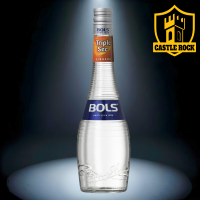
Bols Triple Sec Curacao 700ml
$38.80$58.00
Bols Curacao Triple Sec Liqueur 700ML
$38.50$45.00
Bols Lychee Liqueur 700ML
$38.50$45.00
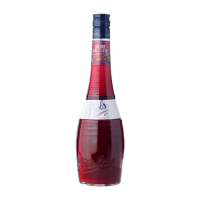
Bols Cherry Brandy Liqueur 700ML
$38.50$45.00
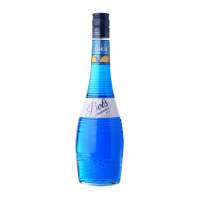
Bols Blue Curacao Liqueur 700ML
$38.50$45.00
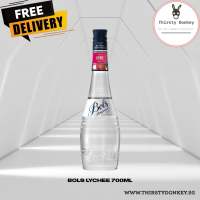
Bols Lychee 700ml
$39.99$40.19
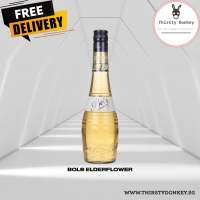
Bols Elderflower 700ml
$40.75$40.95
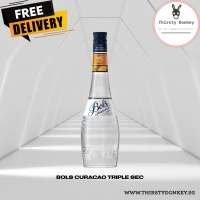
Bols Triple Sec 700ml
$40.23$40.43
About Bols
Bols is a historic Dutch spirits and liqueur brand associated with Amsterdam, the Netherlands. It is best known for its extensive range of cocktail liqueurs, particularly those featuring bright colours and fruit, citrus, herbal, nut, and cream profiles. The brand traces its heritage to 1575, when the Bols family established the distillery ‘t Lootsje in Amsterdam. Bols describes itself as the world’s first cocktail brand and the oldest continuously operating distilled-spirit brand.1
The name is closely connected with Lucas Bols B.V., the Dutch spirits company that manages Bols and a broader portfolio of cocktail and spirits brands. Since 2024, Lucas Bols has been controlled by Nolet, another historic Dutch spirits company; Lucas Bols continues to operate as a separate company within the Nolet group.18
Basic information
| Field | Information |
|---|---|
| Brand | Bols |
| Company | Lucas Bols B.V. |
| Country of origin | Netherlands 🇳🇱 |
| Home city | Amsterdam |
| Heritage date | 1575 |
| Founder/early family | Bols family |
| Namesake | Lucas Bols |
| Main category | Liqueurs and cocktail spirits |
| Best known for | Bols Liqueurs, Blue Curaçao, cocktail ingredients |
| Other products | Genever, vodka, ready-to-drink cocktails |
| Current parent | Nolet Lucas Bols Holding B.V. |
| Current positioning | Cocktail-focused premium spirits brand |
| International reach | 110+ countries historically reported by Lucas Bols |
| 450th anniversary | 2025 |
Lucas Bols’ corporate history dates the beginning of the Bols distillery to 1575 and states that the family began producing genever in 1664. More recent materials describe Bols as having celebrated 450 years of heritage in 2025.1
Brand identity and product philosophy
Bols is fundamentally a Dutch liqueur brand designed around cocktails. Unlike brands whose identity revolves around a single spirit such as whisky, rum, or tequila, Bols has historically built its reputation on flavour. Its portfolio includes many different liqueurs, allowing bartenders to add fruit, citrus, botanical, sweet, creamy, or otherwise distinctive notes to mixed drinks.
The core philosophy involves taking natural ingredients, extracting their flavours through techniques such as distillation, maceration, and percolation, and turning them into versatile cocktail ingredients. These methods link historical recipes to modern products, combining tradition with contemporary flavour development and cocktail culture.1
The modern Bols range includes over 30 liqueur flavours, though availability varies by market.2 Key products include:
- Bols Blue Curaçao
- Bols Triple Sec
- Bols Orange
- Bols Passion Fruit
- Bols Strawberry
- Bols Peach
- Bols Banana
- Bols Watermelon
- Bols Coffee
- Bols Amaretto
- Bols Coconut
- Bols Parfait Amour
- Bols Natural Yoghurt
This breadth makes Bols primarily a cocktail ingredient brand rather than one intended solely for neat consumption. Bartenders utilise the portfolio not merely as a base alcohol but as a flavour-building tool, similar to a painter’s palette.
History
Origins and the Dutch Golden Age
According to corporate history, the Bols family established a distillery called ‘t Lootsje (“the little shed”) in Amsterdam in 1575. Initially producing liqueurs flavoured with ingredients such as cumin, cardamom, and orange, this founding date serves as the basis for the brand’s 450-year heritage claim. While some historians have questioned the precise commencement of operations, 1575 remains the official historical foundation used by the brand.13
A pivotal figure in the company’s development was Lucas Bols, born in 1652 during the Dutch Golden Age. Leveraging Amsterdam’s status as a global commercial hub, he transformed the family business from a local producer into an international enterprise. His access to global trade networks provided exotic spices, herbs, fruits, and botanicals that formed the basis for new recipes. Historical materials state that Lucas Bols developed more than 300 liqueur and genever recipes.1
Connection to the VOC
Lucas Bols became a major shareholder in the Dutch East India Company (VOC), which granted him direct access to ingredients arriving in Amsterdam from around the world. This relationship expanded the flavour palette available to European distillers and reinforced the concept of distillation as a method for extracting and combining diverse flavours. Access to these herbs, spices, and fruits was instrumental in creating hundreds of recipes that define the brand’s legacy.1
Genever and early exports
In 1664, the Bols family expanded production to include genever, a traditional Dutch and Belgian spirit that is an ancestor of modern gin. This created a lineage connecting liqueurs, genever, gin, and cocktail culture. Heritage materials specifically link Bols genever to the development of cocktail culture in the United States during the 19th century.4
By 1823, the company was shipping liqueurs and genever to America, positioning itself as a participant in the emergence of the modern cocktail. This historical continuity underpins the claim of being “the world’s first cocktail brand”.24
Ownership transitions
In 1816, following the death of the last male member of the Bols family, the company was sold by his widow. The sale included a stipulation that the name “Bols” must continue to be used on all products, ensuring the brand identity survived despite changes in ownership.1
Throughout the 19th century, international distribution expanded significantly. In 1868, the Moltzer family acquired the business, placing considerable emphasis on exports and marketing. By the 20th century, Bols had developed a broad portfolio while maintaining its Dutch origins.1
Modern corporate history
In 2000, Rémy Cointreau acquired Bols Royal Distilleries, integrating it into a French international spirits portfolio. In 2006, Rémy Cointreau sold the business to an investment group, resulting in the formation of the modern Lucas Bols company as an independent entity. Lucas Bols subsequently listed on Euronext Amsterdam in 2015.14
In 2024, Dutch spirits company Nolet acquired approximately 76% of Lucas Bols, leading to the latter’s delisting from Euronext Amsterdam in September 2024. The company became Lucas Bols B.V., controlled through Nolet Lucas Bols Holding B.V., but continues to operate separately within the Nolet group with its existing brand portfolio.18
Key products and innovations
Bols Blue Curaçao
Bols Blue Curaçao is among the brand’s most recognisable products, distinguished by its electric blue colour. Historically traced to an older Crème de Ciel product, the first label for Bols Blue appeared in 1933. By 2000, it represented approximately 30% of the liqueur business and was available in 110 countries. It remains a primary visual symbol of the brand.4
Bols Blue 1575
Launched in 2025 to commemorate the company’s 450th anniversary, Bols Blue 1575 is a premium interpretation of Blue Curaçao designed for contemporary cocktail making. The name references the traditional founding year, serving as both a new product release and a heritage statement.5
Packaging design
In 2004, Bols introduced a modern iconic bottle for its liqueur range. Designed specifically for bartenders, it emphasises ease of pouring, handling behind the bar, visual differentiation, and efficiency during preparation. This design reflects the brand’s positioning as a bartender-oriented label.4
Ready-to-drink formats
In the 2020s, Bols expanded beyond traditional bottles to include ready-to-enjoy cocktail formats such as cocktail tubes and multi-serve bottles. These products aim to make cocktails more accessible to consumers without professional bartending skills, marking an evolution towards convenience and experience.1
Other categories
While liqueurs are the primary focus, Bols also produces genever based on historical recipes, including a version relaunched using an original 1820 formula. Vodka was added to the portfolio in the 20th century and held importance in certain Eastern European markets, though it is less central to the current brand identity.1
Bartender relations and education
Bols positions itself deliberately as a “bartender brand”, investing heavily in the professional cocktail community rather than focusing exclusively on consumer marketing.
Bols Bartending Academy
Established in Amsterdam in 2007, the Bols Bartending Academy provides education and training in bartending, mixology, spirits, and cocktail techniques. It serves as a strategic platform for connecting the brand with professional bartenders globally.1
House of Bols
The House of Bols Cocktail & Genever Experience in Amsterdam combines brand history, genever, liqueurs, and interactive tastings. This venue transforms the brand’s heritage into a consumer-facing experience centred on cocktail culture.2
Role in cocktail culture
Bols liqueurs feature in numerous classic and contemporary cocktail recipes. The portfolio allows bartenders to modify drinks with specific flavour and colour profiles:
| Bols product | Typical cocktail role |
|---|---|
| Blue Curaçao | Colour and orange flavour |
| Triple Sec | Orange/citrus sweetness |
| Passion Fruit | Tropical fruit notes |
| Peach | Stone-fruit sweetness |
| Banana | Tropical/banana flavour |
| Strawberry | Berry flavour |
| Coffee | Coffee bitterness/sweetness |
| Amaretto | Almond/nut character |
| Parfait Amour | Floral/citrus notes and purple colour |
Global presence
Although strongly identified with its Dutch origins, Bols is a global brand. Lucas Bols has historically reported distribution in more than 110 countries.6 Because cocktails are an international phenomenon, the brand is well-suited to diverse markets; bartenders in cities ranging from Singapore and Tokyo to New York and London utilise the same flavour profiles. This reduces dependence on any single national drinking tradition.
Significance in spirits history
Bols holds significance across multiple dimensions:
- Historical: It is one of the world’s oldest surviving distilled-spirit brands, with official heritage dating to 1575.1
- Cultural: Its genever connects it to the ancestry of gin and early cocktail culture.
- Commercial: It helped transform liqueurs from specialised products into internationally distributed cocktail ingredients.
- Branding: It exemplifies the adaptation of a historic distilling tradition into a global lifestyle and cocktail brand.
- Practical: Its extensive flavour range functions as a comprehensive cocktail ingredient system for bartenders.
Timeline
- 1575: Bols family establishes ‘t Lootsje distillery in Amsterdam.
- 1652: Lucas Bols is born.
- 1664: Bols begins producing genever.
- 17th century: Lucas Bols expands the business internationally and develops numerous recipes.
- 1816: The Bols family exits ownership, but the Bols name is contractually preserved.
- 1820: Bols develops an important new genever recipe.
- 1823: Bols exports liqueurs and genever to America.
- 1868: Moltzer family acquires the business and expands exports.
- 20th century: Bols expands its international spirits and liqueur portfolio.
- 1930s: Bols Blue becomes part of the brand’s modern identity.
- 2000: Rémy Cointreau acquires Bols Royal Distilleries.
- 2004: Modern iconic Bols Liqueurs bottle introduced.
- 2006: Lucas Bols becomes independent again.
- 2007: Bols Bartending Academy and House of Bols open in Amsterdam.
- 2015: Lucas Bols lists on Euronext Amsterdam.
- 2021: Bols launches ready-to-enjoy cocktail formats.7
- 2024: Nolet acquires majority control of Lucas Bols; Lucas Bols is delisted.8
- 2025: Bols celebrates 450 years and launches Bols Blue 1575.5
References
- Corporate history Lucas Bols
- Bols Official Site – Bols Cocktails and Liqueurs
- History – Lucas Bols
- Heritage – Bols US
- Bols Blue 1575: A Bold Tribute to 450 Years of Cocktail Craftsmanship
- A N N U A L R E P O R T 2 0 1 7 / 1 8
- A N N U A L R E P O R T 2 0 2 0 / 2 1
- The Lucas Bols Company and Nolet to create Dutch champion in the global spirits & cocktail market We are pleased to announce a recommended public offer by Nolet for our company. The Lucas Bols… | The Lucas Bols Company | 16 comments