Shop on Lazada
BRAUN BÜFFEL products
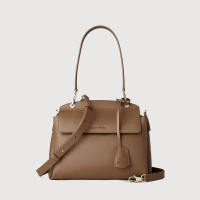
Braun Buffel Ophine Medium Shoulder Bag
$699.00
Buy on Lazada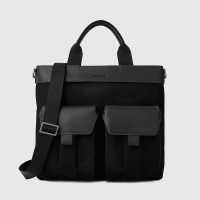
Braun Buffel Marco-A Medium Tote Bag
$649.00
Buy on Lazada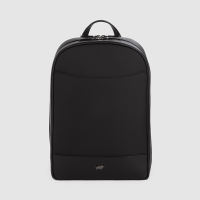
Braun Buffel Tom Medium Backpack
$649.00
Buy on Lazada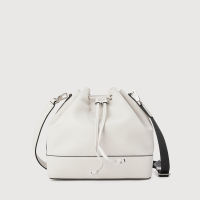
Braun Buffel Gabriela Medium Bucket Bag
$319.00$459.00
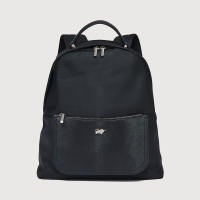
Braun Buffel Canva Medium Backpack
$549.00
Buy on Lazada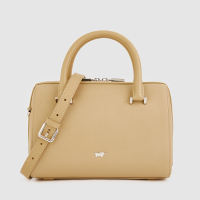
Braun Buffel Eyana Small Boston Bag
$317.40$529.00
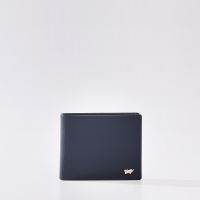
Braun Buffel Homme Wallet With Coin Compartment
$209.00
Buy on Lazada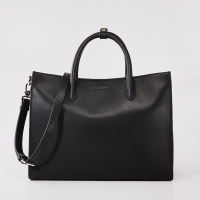
Braun Buffel Camille Large Tote Bag
$499.00$709.00
About BRAUN BÜFFEL
BRAUN BÜFFEL is a German leather goods manufacturer established in 1887 in Kirn, Germany. The brand is best known for its leather wallets, handbags, briefcases, business bags, backpacks and small leather accessories. While the company’s origins lie in traditional saddlery, it has evolved into an international lifestyle label that emphasises German leather craftsmanship, durability, functionality and understated design.12
In Singapore and the wider Asia-Pacific region, BRAUN BÜFFEL maintains a significant retail presence and is frequently positioned as an accessible luxury brand with strong German manufacturing heritage.3 Although the family business dates back to the late 19th century, the BRAUN BÜFFEL brand name itself was not introduced until 1974.12
Brand overview
| Category | Information |
|---|---|
| Brand | BRAUN BÜFFEL |
| Founded | 1887 |
| Founder | Johann Braun |
| Origin | Kirn, Germany |
| Industry | Leather goods / fashion accessories |
| Core materials | Leather and related premium materials |
| Main products | Wallets, handbags, business bags, backpacks, card holders, small leather goods |
| Brand established | 1974 |
| Heritage | German leather craftsmanship |
| Ownership tradition | Family business, now in its fourth generation |
| Key markets | Germany, Europe, Asia-Pacific and other international markets |
| Brand symbol | Buffalo |
| Positioning | Premium / accessible luxury leather goods |
A key distinction in the company’s history is that while the leatherworking business began in 1887, the specific BRAUN BÜFFEL brand identity was launched in 1974.12
Etymology and symbolism
The name BRAUN BÜFFEL combines two elements:
- BRAUN: The surname of the founding family.
- BÜFFEL: The German word for “buffalo”.
The buffalo serves as the brand’s primary visual emblem. Historically, this references the water-buffalo leather that was widely used in the trade when the brand was formally established in the 1970s. Symbolically, the animal represents strength and resilience. Consequently, the buffalo motif is frequently embossed or incorporated into the brand’s leather products as a marker of identity rather than relying on prominent logos.2
History
Early years (1887–1950s)
The company traces its roots to Kirn an der Nahe, a town in Germany with a long tradition of leather production. On 27 July 1887, master saddler and upholsterer Johann Braun, then aged 26, established a craft workshop. This original enterprise was a traditional manufacturing business rather than a modern fashion brand.2
In 1902, Johann Braun expanded the workshop to include a retail shop, combining manufacturing with direct sales. A significant pivot occurred in 1927 when his son, Alois Braun, began producing small leather goods, a category that would later define the brand. Throughout the mid-20th century, the business remained a family enterprise, with successive generations deepening its expertise in fine leather craftsmanship.2
Launch of the BRAUN BÜFFEL brand (1974)
The modern brand identity emerged in 1974 under the leadership of Karl-Heinz Braun. He systematised the branding by introducing the name BRAUN BÜFFEL and the signature Gaucho leather. This marked the transition from a generic leather workshop to a distinct consumer brand with a recognisable visual identity.12
International expansion and Singapore connection (1980s)
During the 1980s, BRAUN BÜFFEL broadened its product range for both men and women and increased manufacturing capacity. Crucially for the Asian market, the company formed a partnership with Lianbee-Jeco in Singapore. This long-standing relationship facilitated the brand’s entry into the Asia-Pacific region and explains its enduring familiarity in Singapore and Southeast Asia compared to many other European heritage brands.2
Fourth generation and modernisation (1992–present)
In 1992, Christiane Brunk, daughter of Karl-Heinz Braun, joined the company, representing the fourth generation of family ownership. She assumed sole leadership in 2005 with a strategy to evolve BRAUN BÜFFEL beyond traditional leather goods into a contemporary lifestyle brand. Her tenure has focused on balancing heritage with modern design and functionality, ensuring the brand remains relevant without abandoning its artisanal roots.2
Retail and distribution
BRAUN BÜFFEL has progressively developed its own retail network alongside wholesale partnerships. Key milestones in its retail expansion include:
- 2006: Opening of the first European shop in Vienna.
- 2008: Store openings in Moscow, St Petersburg and Prague.
- 2009: Establishment of BRAUN BÜFFEL SUISSE GmbH.
- 2012: Celebration of the 125th anniversary and expansion into online retail.
- 2013: Opening of the first two stores in Germany, located in Hamburg and Munich.
- 2020: Launch of a new online store with increased focus on direct-to-consumer sales.2
In Singapore, the brand is retailed through major department stores such as Takashimaya Singapore, where it is merchandised as a premium leather accessories label highlighting German craftsmanship.3
Manufacturing and production
BRAUN BÜFFEL maintains its headquarters and a leather manufacturing facility in Kirn, with additional production capacity in Offenbach. However, not all products are manufactured in Germany. The company operates a hybrid model comprising:
- German-based manufacturing for select collections.
- Production partnerships with selected manufacturers abroad.
- Global distribution networks.
The company continues to produce a specific “Made in Germany” collection in Kirn. Consumers seeking exclusively German-manufactured items should verify the country of origin for individual products, as the broader catalogue includes internationally sourced pieces.12
Products
The product portfolio extends well beyond traditional men’s wallets to encompass three main categories:
Men’s leather goods
The men’s range features bifold and long wallets, money clips, card holders, coin wallets, business bags, briefcases, backpacks and small leather accessories. Collections such as ADAM and CASPER offer various configurations of wallets and card holders.1
Women’s products
Women’s offerings include handbags, clutches, shoulder bags, hobo bags, wallets, card holders and small leather goods. These designs prioritise a balance of aesthetics, practicality and everyday usability.13
Business and lifestyle
Reflecting its functional heritage, the brand produces briefcases, work bags, laptop bags, backpacks and travel-oriented bags designed for professional use rather than purely fashion-driven trends.1
Design philosophy
BRAUN BÜFFEL occupies a distinct position in the market, characterised by five core principles:
- Functionality: Products are engineered for daily utility rather than serving solely as decorative fashion statements.1
- Durability: Longevity and leather quality are central to the value proposition.
- Craftsmanship: Traditional leatherworking techniques remain integral to production.
- Understatement: Brand recognition is achieved through the buffalo emblem and silhouette rather than overt monogramming.
- Timelessness: Designs are intended to transcend seasonal fashion cycles.1
This approach differentiates BRAUN BÜFFEL from logo-centric luxury houses, aligning it more closely with traditional leather specialists.
Materials and craftsmanship
Leather selection, stitching, hardware and functional construction form the foundation of the brand. While rooted in tradition, the company integrates modern materials and tanning methods. Notable examples include:
- Gaucho leather: Introduced circa 1974, this remains one of the brand’s signature materials.2
- Savona series: Released in 2016, this collection utilised olive-leaf-tanned leather and received industry recognition for material innovation.2
These developments illustrate an ongoing effort to adapt artisanal expertise to contemporary standards and sustainability considerations.
Market positioning
BRAUN BÜFFEL is generally categorised as a premium or accessible luxury brand. It sits above mass-market leather goods but below high-end luxury fashion houses in terms of pricing and exclusivity. In Singapore, retailers like Takashimaya describe it specifically as an “accessible luxury” brand, emphasising quality and German engineering over status-driven prestige.3
Conceptually, its closest peers are brands that prioritise function and material quality over fashion trends:
| Brand | Core identity |
|---|---|
| Louis Vuitton | Luxury fashion, monogram, travel heritage |
| Gucci | Fashion luxury, Italian heritage, strong seasonal identity |
| Montblanc | Premium writing instruments, leather goods, business lifestyle |
| TUMI | Premium business/travel functionality |
| Coach | Accessible luxury, leather goods and fashion |
| Fossil | Lifestyle accessories, watches and leather goods |
| BRAUN BÜFFEL | German leather heritage, craftsmanship and functionality |
Unlike fashion-first conglomerates, BRAUN BÜFFEL’s primary differentiator remains its heritage in leather craftsmanship.2
Awards and recognition
The brand has received numerous accolades for design and product innovation, reinforcing its credentials in industrial design alongside traditional craftsmanship. Notable awards include:
- 1999: Designer Prize of the City of Offenbach
- 2002: MIPEL innovation/design recognition
- 2007: ILM Award, “Best in Basics”
- 2016: ILM Award for the SAVONA series
- 2019: ILM Award for an ARIZONA business bag
- 2024: Red Dot Design Award for the THEO backpack
- Multiple German Leather Goods Awards for small leather goods2
Presence in Singapore
Singapore holds particular significance in BRAUN BÜFFEL’s international history. The partnership with Lianbee-Jeco, established during the brand’s initial Asia-Pacific expansion in the 1980s, created a durable foundation in the local market.2 Today, the brand remains visible in major Singaporean retail channels, including Takashimaya Singapore, where it is presented as a benchmark for German leather quality and accessible luxury.3 This sustained presence makes BRAUN BÜFFEL considerably more familiar to Singaporean consumers than its global media profile might otherwise suggest.