Shop on Lazada
The North Face products
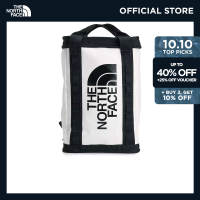
THE NORTH FACE NF0A3KYFROU1 EXPLORE FUSEBOX L
$159.20$199.00
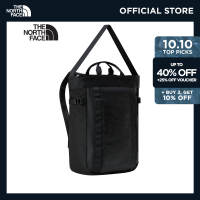
THE NORTH FACE NF0A8BK7KX71 BASE CAMP TOTE PACK BLACK BACKPACK
$179.10$199.00
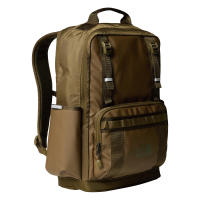
The North Face Base Camp Daypack - Khaki Green
$233.10$259.00
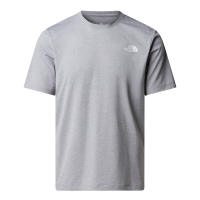
The North Face 24/7 Mens Running Shirt - Grey
$62.10$69.00
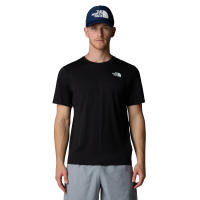
The North Face 24/7 Mens Running Shirt - Black
$62.10$69.00
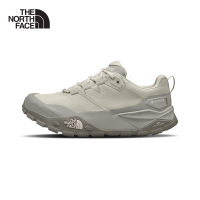
THE NORTH FACE NF0A8AEG6S41 M OFFTRAIL HIKE GORE-TEX BROWN LACED SHOES
$231.20$289.00
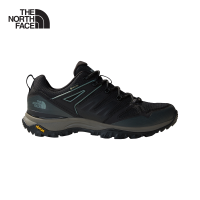
THE NORTH FACE NF0A8AA9KT01 M HEDGEHOG GORE-TEX BLACK LACED SHOES
$260.10$289.00
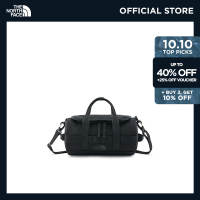
THE NORTH FACE NF0A5JYT4H01 W MINI BASECAMP SHOULDER BA
$79.00
Buy on LazadaAbout The North Face
The North Face is an American outdoor recreation brand best known for technical clothing, footwear, backpacks, tents, sleeping bags and other equipment designed for hiking, climbing, mountaineering, skiing, trail running and other forms of exploration. Founded in 1966 in San Francisco, the brand began as a small outdoor retail store and developed into one of the world’s most recognisable outdoor brands. Today, The North Face is part of VF Corporation, whose portfolio also includes brands such as Vans and Timberland.1
Its identity is built around exploration, technical innovation and outdoor performance, expressed through its long-running slogan “Never Stop Exploring™.” The brand has also become influential beyond outdoor sports, with its jackets, fleeces, backpacks, footwear and logo becoming prominent in everyday fashion and streetwear.2
Overview
| Category | Information |
|---|---|
| Brand name | The North Face |
| Industry | Outdoor recreation, apparel, footwear, equipment |
| Founded | 1966 |
| Origin | San Francisco, California, United States |
| Founder | Douglas “Doug” Tompkins |
| Parent company | VF Corporation |
| Major products | Outdoor apparel, jackets, footwear, backpacks, tents, sleeping bags, accessories |
| Primary markets | Outdoor sports, adventure, travel, lifestyle and streetwear |
| Famous slogan | “Never Stop Exploring™” |
| Logo | Stylised Half Dome-inspired emblem |
| Current corporate group | VF Corporation |
VF describes The North Face as a brand specialising in high-performance outdoor apparel, footwear, equipment and accessories, serving everyone from elite climbers and mountaineers to recreational explorers.3
History
Founding — 1966
The North Face traces its origins to 1966, when young climber Doug Tompkins used his savings to establish an outdoor shop in San Francisco. The store was initially focused on equipment for climbers and outdoor enthusiasts. According to the brand’s own history, the shop quickly became more than a conventional retailer: it became a gathering place for climbers, artists, musicians and members of San Francisco’s counterculture.4
The name “The North Face” refers to the northern face of a mountain. In the Northern Hemisphere, the north face is often associated with some of the coldest, steepest and most technically demanding climbing terrain. The name therefore reflected the brand’s original focus on challenging environments.5
Doug Tompkins
Tompkins was an American climber, environmentalist and entrepreneur. His interest in climbing and wilderness strongly influenced The North Face’s early identity.
Rather than simply selling conventional outdoor clothing, the company increasingly concentrated on equipment capable of handling difficult environments.
Early Innovation
One of The North Face’s most important developments came in the late 1960s, when the company began producing equipment specifically designed around the needs of climbers and backpackers.
Ruthsack
In 1969, The North Face introduced the Ruthsack, an early internal-frame backpack. The design addressed a practical problem faced by hikers: traditional packs could be bulky and uncomfortable when carrying substantial loads.
The Ruthsack helped establish a philosophy that would remain central to the company: outdoor equipment should combine functionality, durability and relatively efficient design.6
Expansion into Technical Outdoor Equipment
During the 1970s, The North Face expanded beyond backpacks and climbing equipment into tents, apparel and other expedition products.
The company also developed a reputation for supporting expeditions and outdoor athletes.
Oval InTENTion
In 1975, The North Face introduced the Oval InTENTion, a tent influenced by the architectural ideas of R. Buckminster Fuller. Its unusual design attempted to maximise usable space while minimising materials.
This was representative of The North Face’s approach during the period: instead of simply adapting conventional camping products, the company experimented with new forms and engineering concepts.
GORE-TEX
In 1977, The North Face introduced GORE-TEX® products into its outerwear range. Waterproof and breathable materials represented a major development in technical outdoor clothing because they could provide weather protection without simply creating an impermeable layer.7
This helped establish The North Face as a serious technical apparel company rather than merely an outdoor clothing retailer.
Mountaineering and Expedition Culture
The North Face developed strong connections with mountaineering and exploration throughout the 1970s and 1980s.
One notable expedition was the 1978 all-women’s American expedition to Annapurna, led by climber Arlene Blum. The team successfully reached the summit of Annapurna I, one of the world’s most difficult major peaks. The expedition became an important moment in women’s mountaineering history.8
The company increasingly used expeditions and athletes to test its equipment in real-world conditions.
This created a feedback loop:
extreme environments → athlete testing → product development → commercial outdoor equipment
That model remains an important part of The North Face’s identity.
The 1980s: Building a Technical Brand
During the 1980s, The North Face became increasingly associated with skiing, climbing, mountaineering and technical outdoor clothing.
In 1983, its Extreme Gear line used GORE-TEX technology for ski apparel. The products were tested by skiers including members of what became known as the company’s “Extreme Team.”9
In 1985, The North Face introduced the Mountain Jacket and Pant, extending its technical GORE-TEX clothing into climbing and trekking.
The company also introduced the Base Camp Duffel in 1986. Originally designed for expedition use, it became one of The North Face’s best-known products and has remained part of the brand’s product family.
The Half Dome Logo
One of The North Face’s most recognisable features is its logo.
The logo contains three curved lines representing the shape of Half Dome, the famous granite formation in Yosemite National Park, California.
The Half Dome symbol connects the brand to American climbing culture and Yosemite’s importance in the history of rock climbing. The North Face describes the Half Dome logo as an enduring symbol of the journey from places already explored towards new destinations.10
The logo’s simplicity has also helped make it highly recognisable in fashion.
Relationship with VF Corporation
The North Face eventually became part of VF Corporation, one of the world’s major branded apparel and footwear companies.
VF acquired The North Face in the early 2000s, making it one of the company’s most important brands. VF’s current portfolio includes The North Face, Vans and Timberland, among other outdoor and active brands.
The acquisition gave The North Face access to a much larger international business infrastructure, including global distribution, retail operations and marketing.
At the same time, The North Face has retained a distinct identity centred on exploration and outdoor performance.
Products
The North Face’s product range is broad, but it can generally be divided into several categories.
Outerwear
Outerwear is perhaps the category most closely associated with The North Face.
Products include:
- Down jackets
- Insulated jackets
- Waterproof shells
- Parkas
- Mountain jackets
- Windbreakers
- Fleece jackets
- Soft shells
- Ski and snowboard clothing
The brand’s outerwear is designed around different environmental conditions, from everyday cold weather to severe alpine environments.
Fleece
The North Face fleece garments became especially recognisable in the 1990s and 2000s.
Fleece provides warmth while remaining relatively lightweight, making it useful both for outdoor activities and everyday wear.
Footwear
The company produces footwear for:
- Hiking
- Trail running
- Mountaineering
- Approach activities
- Everyday outdoor use
- Winter conditions
The VECTIV™ footwear family, for example, is associated with trail-running and mountain performance.
Backpacks
Backpacks remain an important part of the company’s heritage.
Notable designs include:
- Base Camp Duffel
- Borealis
- Recon
- Surge
- Vault
- Hiking and expedition packs
The Base Camp Duffel in particular developed from an expedition-oriented product into a widely recognised travel and lifestyle item.
Tents and Camping Equipment
The North Face continues to produce equipment for camping and expedition use, including:
- Tents
- Sleeping bags
- Camping equipment
- Technical packs
- Expedition accessories
Accessories
The product portfolio also includes:
- Hats
- Gloves
- Socks
- Belts
- Bags
- Small outdoor accessories
“Never Stop Exploring”
The phrase “Never Stop Exploring™” is perhaps the central expression of The North Face’s brand philosophy.
It represents more than literal mountaineering. The company uses exploration as a broader concept involving:
- Adventure
- Discovery
- Personal development
- Scientific curiosity
- Environmental awareness
- Athletic achievement
- Experiencing unfamiliar places
The North Face describes exploration as fundamental to its identity and connects it to the idea of continually pushing the boundaries of human potential.
Athletes and Expeditions
The North Face has historically used elite athletes and expeditions as an important part of its brand strategy.
Its athletes include climbers, mountaineers, skiers, snowboarders, trail runners and other outdoor professionals.
One of the best-known athletes associated with the company is Alex Honnold, whose free-solo climbing achievements helped bring climbing into mainstream popular culture. The North Face’s historical account highlights Honnold’s 2008 free solos of Moonlight Buttress and Yosemite’s Half Dome.
This athlete-driven approach serves two purposes:
- Product testing — equipment is exposed to demanding conditions.
- Brand storytelling — athletes demonstrate what the brand’s philosophy of exploration means in practice.
From Outdoor Gear to Streetwear
Although The North Face originated as a technical outdoor company, its products eventually became popular outside the outdoor community.
By the late 20th and early 21st centuries, items such as puffer jackets, fleece jackets, backpacks and logo T-shirts became part of everyday fashion.
This created a distinctive dual identity:
Technical outdoor equipment + urban lifestyle fashion
A person wearing a North Face jacket in a city may have no connection to climbing or mountaineering, yet the product still communicates associations with adventure, durability and outdoor culture.
VF itself describes the modern brand as capable of protecting athletes in extreme conditions while also fitting naturally into contemporary city fashion.11
Collaborations and Fashion Influence
The North Face’s popularity in fashion has also been strengthened through collaborations with designers and fashion brands.
The company has worked with various fashion and lifestyle partners, helping transform technically oriented products into limited-edition or fashion-oriented releases.
This strategy has allowed The North Face to occupy an unusual position in the market: it can simultaneously be viewed as a serious technical outdoor company and a fashion/lifestyle brand.
Sustainability and Environmental Position
Environmental responsibility has been part of The North Face’s identity since its early years.
The company points to its historical involvement with wilderness preservation and environmental causes. Its own history notes that the company repurposed surplus materials and advocated for wilderness protection during the 1970s.
Today, The North Face states that it aims to develop products with communities, nature and the future in mind. Its sustainability efforts include work related to materials, product design and environmental initiatives.12
The Explore Fund
The Explore Fund is one of The North Face’s major social-impact initiatives.
Launched in 2010, it supports non-profits and communities working to increase people’s access to the outdoors and encourage exploration.13
The idea reflects a broader shift in the outdoor industry: exploration is not supposed to be limited only to professional athletes or people with substantial resources.
Global Presence
The North Face has grown from a small San Francisco outdoor store into a global brand.
Its products are sold through:
- Brand-operated stores
- E-commerce
- Outdoor specialty retailers
- Department stores
- Other retail partners
- International distributors and licensees
VF’s business model combines wholesale distribution with direct-to-consumer stores and digital channels.14
The brand is now present throughout North America, Europe and Asia-Pacific, among other markets.
In Singapore and the wider region, The North Face maintains a presence through authorised retailers and e-commerce platforms, offering outdoor clothing, footwear, backpacks and accessories suited to both local tropical conditions and overseas travel.
Brand Identity
The North Face’s identity can be summarised through several major themes:
Exploration
The company encourages people to experience unfamiliar environments and continually push their boundaries.
Performance
Its technical products are designed for demanding outdoor activities and environments.
Innovation
The brand has historically experimented with materials, construction methods and product designs.
Adventure
Mountaineering, climbing, skiing, hiking and other outdoor activities remain central to its heritage.
Community
The company promotes outdoor participation through athletes, explorers, non-profits and community programmes.
Environmental responsibility
The brand connects outdoor recreation with the need to protect natural environments.
Major Milestones
| Year | Event |
|---|---|
| 1966 | Doug Tompkins establishes The North Face in San Francisco |
| 1969 | Ruthsack internal-frame backpack introduced |
| 1975 | Oval InTENTion introduced |
| 1977 | GORE-TEX products introduced into The North Face outerwear |
| 1978 | The North Face supports the historic all-women Annapurna expedition |
| 1983 | Extreme Gear expands into technical ski apparel |
| 1985 | Mountain Jacket and Pant introduced |
| 1986 | Base Camp Duffel introduced |
| 2000s | VF Corporation acquires The North Face |
| 2008 | Alex Honnold’s major free-solo achievements become part of the brand’s climbing legacy |
| 2010 | Explore Fund launched |
| 2020s | The brand continues expanding across technical outdoor products, lifestyle products and global markets |
These milestones are based primarily on The North Face’s own published history and VF’s corporate records.
Why The North Face Is Important
The North Face is significant because it helped blur the traditional boundary between outdoor performance equipment and everyday fashion.
Originally, a technical jacket from The North Face was primarily a tool for dealing with rain, snow, wind or extreme cold. Over time, those same technical products became cultural symbols.
As a result, the brand operates across several worlds:
Mountaineering → Outdoor recreation → Travel → Lifestyle → Streetwear → Fashion
That combination is one of the major reasons The North Face has remained culturally relevant for decades.
The North Face Today
As of 2026, The North Face remains one of VF Corporation’s principal brands and continues to focus on outdoor apparel, footwear, equipment and accessories. VF’s latest corporate filings continue to identify The North Face as one of its major outdoor and active brands.2
The company’s modern identity therefore combines its original technical heritage with a much broader lifestyle presence. A North Face product can be designed for an alpine expedition, a trail-running race, a hiking trip, an international journey—or simply everyday life in a city.
The underlying idea, however, remains largely unchanged from the company’s early years:
explore, innovate, and keep moving beyond what is already known.
References
- About The North Face – Since 1966 | The North Face
- vfc-20260328
- The North Face Brand | Our Story | The North Face
- Fiscal Year 2025
- The North Face :: VF Corporation (VFC)
- The North Face Brand | Our Story | The North Face UK
- About Us | The North Face UK
- vfc-20250329
- The North Face Philippines | Never Stop Exploring
- V.F. Corporation – 10K – Annual Report – May 20, 2026
- The North Face Brand | Our Story | The North Face UK
- About Us | The North Face UK
- About Us | The North Face IE
- About Us | The North Face UK