Shop on Lazada
CAMEL products

Camel Nuts Ruby Mix 1kg – Premium Nuts & Trail Mix | Healthy Halal Snack
$27.00
Buy on Lazada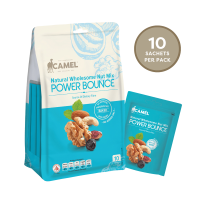
Camel Power Healthy Nut Mix (Heart+ / Bounce / Revive / Delight) 200g & 250g
$12.15
Buy on Lazada
Camel Nuts Natural Baked Brazil Nuts 1kg
$38.00
Buy on Lazada
Camel Nuts Pistachios - Kernel 1kg
$54.00
Buy on Lazada
Camel Nuts Natural Baked Walnuts 1kg – Heart-Healthy Nuts Premium – Baked Halal Snack
$28.00
Buy on Lazada
Camel Nuts Fancy Mixed Nuts 1kg – Healthy Roasted & Crunchy Halal Snack
$27.00
Buy on Lazada
Camel Nuts Roasted Cashews 1kg – Creamy Crunchy & Nutrient-Rich Halal Nuts
$27.00
Buy on Lazada
Camel Nuts Natural Baked Cashews 1kg – Crunchy Creamy & Healthy Halal Snacks
$27.00
Buy on LazadaAbout CAMEL
Overview
CAMEL is one of the most widely recognised cigarette brands in the world. Launched in the United States in 1913 by R. J. Reynolds Tobacco Company, it was the first cigarette brand to be marketed on a national scale across the country.1 Today, CAMEL is sold in numerous markets worldwide, with ownership split according to geography:
- United States: R. J. Reynolds Tobacco Company
- Outside the United States: Japan Tobacco International (JTI), a subsidiary of Japan Tobacco1
| Attribute | Details |
|---|---|
| Brand Name | CAMEL |
| Industry | Tobacco |
| Product Type | Cigarettes |
| Founded | 1913 |
| Country of Origin | United States |
| Founder | Richard Joshua Reynolds |
| Original Manufacturer | R. J. Reynolds Tobacco Company |
| Current U.S. Owner | R. J. Reynolds Tobacco Company |
| International Owner | Japan Tobacco International |
| Headquarters (Original) | Winston-Salem, North Carolina, USA |
| Signature Blend | Turkish and American tobaccos |
History
CAMEL was introduced in 1913 after R. J. Reynolds developed a distinctive blend combining Turkish (Oriental) tobacco with Virginia and Burley varieties.1 At a time when many smokers still rolled their own cigarettes, CAMEL offered a ready-made product with a unique flavour profile, helping to transform the American cigarette market.
Prior to the product’s release, the company conducted one of the earliest large-scale teaser advertising campaigns, utilising the slogan “The Camels Are Coming!” This campaign generated significant public curiosity before the product reached retail outlets and is now considered a landmark in advertising history.2
Within only a few years of its launch, CAMEL had become one of the best-selling cigarette brands in the United States.3
Brand Identity
CAMEL packaging is among the most identifiable in the tobacco industry. Notable design elements include:
- A camel standing in a desert landscape
- Egyptian-inspired pyramids and palm trees
- A yellow and white colour scheme
- The “Old Joe” camel illustration on the pack
This imagery was originally intended to emphasise the Turkish tobacco used in the blend and to evoke an exotic, Middle Eastern aesthetic.1
Advertising
Over more than a century, CAMEL has been associated with numerous high-profile advertising campaigns. Some of its best-known slogans include:
- “The Camels Are Coming!”
- “I’d Walk a Mile for a Camel”
- “More Doctors Smoke Camels”
Many of these campaigns are regarded as iconic examples of twentieth-century advertising. However, certain historical marketing practices, including health-related claims, later became highly controversial and are no longer permitted under modern advertising standards.
Joe Camel
In 1987, CAMEL introduced Joe Camel, a cartoon mascot depicted wearing sunglasses and stylish clothing.1 While the character became one of the most recognisable advertising figures globally, it also attracted significant criticism after research suggested it held strong appeal among children. Following legal challenges and public health pressure, the campaign was discontinued in 1997.1
Global Expansion
In 1999, international rights to the CAMEL brand were transferred to Japan Tobacco International, whilst R. J. Reynolds retained ownership within the United States.1 Since this restructuring, CAMEL has been marketed differently across various countries, with regional variations in tobacco blends and product lines.
Products
CAMEL has offered numerous varieties over the years, including:
- Camel Filters
- Camel Blue
- Camel Silver
- Camel Turkish Gold
- Camel Turkish Royal
- Camel Turkish Jade (menthol)
- Camel Crush (capsule filter)
- Camel Wides
- Camel Non-Filter (Camel Straights)
Availability varies by country and is subject to local regulations.1
Cultural Impact
CAMEL has maintained a significant presence in popular culture and history, appearing in:
- Classic films and television programmes
- Motorsports sponsorships, including Formula One and motorcycle racing
- Military history, with CAMEL cigarettes included in some wartime rations
- Vintage advertising and collectible memorabilia
Its logo and packaging remain among the most recognisable in consumer branding history.
Health Considerations
Like all conventional cigarettes, CAMEL products contain nicotine and produce tobacco smoke associated with serious health risks, including cancer, heart disease, stroke, and chronic lung disease. Most countries require prominent health warnings on CAMEL packaging, and advertising is heavily restricted or banned in many jurisdictions.1
Legacy
More than a century after its launch, CAMEL remains one of the longest-running and best-known cigarette brands worldwide. It is recognised for its pioneering national marketing campaign, its distinctive Turkish-American tobacco blend, its iconic desert-themed packaging, and its significant influence on twentieth-century advertising and brand design. Although the brand continues to be sold internationally, its marketing and public image have evolved substantially in response to changing regulations and public health awareness.