Shop on Lazada
Carolina Herrera products
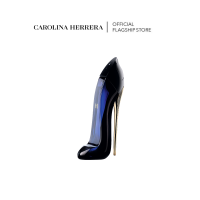
Carolina Herrera Good Girl Eau de Parfum 80ml
$204.00$240.00
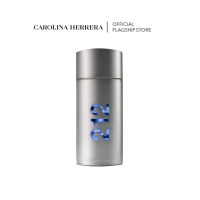
Carolina Herrera 212 Men NYC Eau de Toilette 100ml
$134.00$163.00
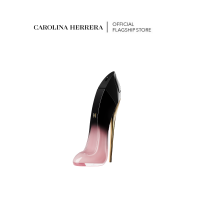
Carolina Herrera Good Girl Blush Elixir Eau de Parfum 50ml
$184.00$216.00
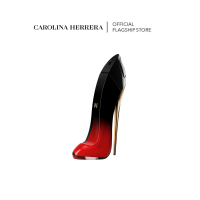
Carolina Herrera Very Good Girl Elixir Eau de Parfum Elixir 80ml
$235.00$276.00
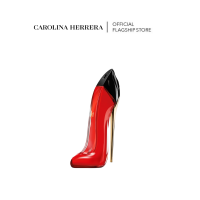
Carolina Herrera Very Good Girl Eau de Parfum 50ml
$175.00$206.00
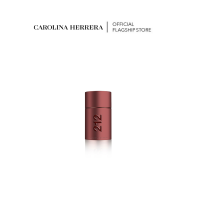
Carolina Herrera 212 Sexy Men Eau de Toilette 50ml
$95.00$112.00
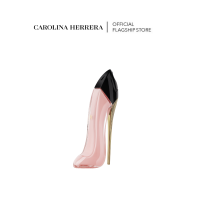
Carolina Herrera Good Girl Blush Eau de Parfum 50ml
$175.00$206.00
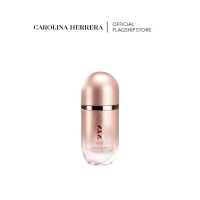
Carolina Herrera 212 VIP Rosé Eau de Parfum 50ml
$146.00$175.00
About Carolina Herrera
Overview
Carolina Herrera is a Venezuelan-American luxury fashion and beauty house established by designer Carolina Herrera in 1981 in New York City. Over more than four decades, the label has evolved from a boutique New York fashion house into a global luxury brand with significant interests in fashion, fragrances, accessories, and makeup. Today, the brand is owned by the Spanish luxury and beauty group Puig, while its fashion and makeup divisions are under the creative direction of Wes Gordon.1
The house is synonymous with elegance, polished femininity, New York sophistication, bold colour, impeccable tailoring, and the white shirt. Its fragrance business has become central to its global identity, with Good Girl, 212, and Bad Boy ranking among its most recognised franchises.
Quick facts
| Category | Information |
|---|---|
| Brand | Carolina Herrera |
| Founder | Carolina Herrera |
| Founded | 1981 |
| Origin | New York City, United States |
| Founder nationality | Venezuelan |
| Parent company | Puig |
| Current fashion creative director | Wes Gordon |
| Main sectors | Fashion, fragrances, makeup |
| Signature aesthetic | Elegant, sophisticated, feminine, polished, theatrical |
| Signature fashion symbol | White shirt |
| Most iconic fragrance | Good Girl |
| Major fragrance families | Good Girl, 212, Bad Boy, CH, Carolina Herrera |
| Makeup launched | 2020 |
| Major fragrance milestone | First Carolina Herrera fragrance, 1988 |
| Puig acquired fashion business | 1995 |
Puig has held the beauty licence for Carolina Herrera since 1987 and acquired the fashion business in 1995.1
The founder: Carolina Herrera
Born in Caracas, Venezuela, Carolina Herrera became one of the most prominent Latin American figures in American fashion. Unlike many designers who establish their reputations at a young age, Herrera entered the industry at a comparatively mature stage in life. After relocating to New York, and with encouragement from influential fashion editor Diana Vreeland, she began developing her own collection.2
Her first full collection debuted in New York in 1981. The critical response established Herrera as a serious new talent, and the house quickly became associated with sophisticated American dressing. A notable aspect of her personal history is that she founded the house while raising four daughters. Puig cites her arrival in New York and the mentorship of Diana Vreeland as foundational elements of the brand’s origin story.2
Design philosophy and aesthetic
At its inception, Carolina Herrera was built around the concept of making women look elegant without rendering elegance old-fashioned. Herrera’s aesthetic synthesised American sportswear, European couture traditions, Latin American glamour, sharp tailoring, feminine silhouettes, dramatic eveningwear, luxurious fabrics, strong colour, and meticulous attention to proportion and detail. The result was neither minimalist nor excessively avant-garde; instead, Herrera became renowned for a form of highly polished femininity.
A quintessential Carolina Herrera ensemble might pair a crisp white shirt with tailored trousers or a full skirt, statement accessories, and elegant heels. This combination encapsulates much of the house’s design philosophy.
The iconic white shirt
The white shirt is arguably the single most important fashion symbol associated with Carolina Herrera. Herrera repeatedly utilised the classic white button-down shirt as a foundation for her designs, elevating it from a basic wardrobe staple to a symbol of sophistication. The underlying concept transforms a simple garment through perfect cutting and extraordinary styling. The house has described the white shirt as one of its most iconic symbols, and it continues to feature prominently in collections.4
This focus illustrates a fundamental tenet of the brand: luxury at Carolina Herrera often derives not from complexity, but from making familiar items appear exceptionally refined.
Visual identity
The brand’s aesthetic encompasses several key pillars:
- Elegant: The house traditionally avoids the deliberately distressed or aggressively casual aesthetics associated with some contemporary luxury brands.
- Feminine: Dresses, skirts, defined waists, bows, florals, and dramatic silhouettes are central to the brand vocabulary.
- Sophisticated: Tailoring and clean construction remain paramount.
- Romantic: Flowers, evening gowns, and glamorous silhouettes lend a romantic dimension.
- Bold: Despite its inherent elegance, the brand embraces saturated colours, dramatic prints, and extravagant proportions.
- New York: The brand maintains a strong relationship with New York City, positioning its identity around urban American sophistication rather than traditional European aristocratic luxury.
The Carolina Herrera woman
Historically, the brand has appealed to customers seeking to project confidence and refinement rather than overt logo-centric status. The archetypal Carolina Herrera customer is portrayed as confident, feminine, cultured, sophisticated, socially polished, independent, glamorous, comfortable with attention, and appreciative of craftsmanship. The brand articulates its philosophy as “building confidence with alegría de vivir”, combining self-assurance with a joyful approach to life.3
Early history: 1981–1987
1981 — Foundation
Carolina Herrera established her fashion house in New York and presented her first major collection. The brand received immediate attention from fashion media, quickly establishing a reputation for elegant, highly feminine clothing.
1980s — Growth
Throughout the decade, Herrera gained increasing recognition within American high society and celebrity circles. One of the most significant early associations was with Jacqueline Kennedy Onassis, who commissioned Herrera to design a wedding dress for her daughter Caroline. This commission reinforced the link between Carolina Herrera and sophisticated social occasions.
Partnership with Puig
The relationship with Puig is integral to the company’s history. Puig, a Spanish family-owned company specialising in beauty and fashion, began collaborating with Carolina Herrera on fragrances during the 1980s.5
Timeline
- 1987: Puig acquires the licence for Carolina Herrera’s beauty business.
- 1988: The first Carolina Herrera fragrance launches.
- 1991: Carolina Herrera launches her first men’s fragrance, Carolina Herrera for Men.
- 1995: Puig acquires the Carolina Herrera New York fashion business.
- 1997: 212 launches.6
This period marked the transformation of Carolina Herrera from a fashion house into a comprehensive luxury lifestyle and beauty brand.
Fragrance portfolio
Fragrance is arguably the brand’s most commercially powerful category. Following the debut of the first perfume in 1988 and the men’s fragrance in 1991, Carolina Herrera developed several major franchises.7
Carolina Herrera
The original namesake fragrance universe serves as the foundation of the brand’s olfactory identity.
212
Introduced in 1997, 212 became a defining line for the brand. The name references the New York City telephone area code, serving as an extension of the brand’s New York identity.9 The franchise has expanded to include 212 Men, 212 VIP, 212 VIP Men, 212 Heroes, and various limited editions.101114151617
CH
This broader lifestyle-oriented fragrance universe connects directly with the CH Carolina Herrera fashion line.12
Good Girl
Launched in 2016, Good Girl is perhaps the product most responsible for the brand’s modern global visibility. It is instantly recognisable by its bottle shaped like a midnight-blue stiletto heel.1325 The concept revolves around duality—good versus bad, light versus dark, feminine versus masculine, sweet versus sensual, innocent versus provocative, and elegant versus rebellious. Official descriptions emphasise that femininity contains multiple contrasting sides rather than fitting a single stereotype.
The stiletto bottle exemplifies the brand’s approach of turning packaging into a fashion object and collectible accessory. The Good Girl family has expanded to include Very Good Girl, Good Girl Blush, Good Girl Blush Elixir, Good Girl Jasmine Absolute, and seasonal variations.25
Bad Boy
Serving as the masculine counterpart to Good Girl, Bad Boy was created around the idea of a modern man who is simultaneously strong and sensitive, powerful and empathetic, and rebellious and sophisticated. Its signature lightning-bolt bottle contrasts with the Good Girl stiletto.56293031343536 This launch signalled a shift towards personality-driven fragrance storytelling over traditional gendered marketing.
La Bomba
Identified in Puig’s 2025 reporting as a new pillar in the fragrance universe, La Bomba represents the brand’s continued expansion in perfumery.28
Fashion business
Despite the commercial dominance of fragrance, Carolina Herrera remains fundamentally a fashion house. Its fashion operations encompass women’s ready-to-wear, men’s fashion, eveningwear, bridal, accessories, handbags, shoes, small leather goods, and children’s clothing through CH Carolina Herrera.
In 2001, the house introduced CH Carolina Herrera, a lifestyle collection covering ready-to-wear and accessories for men, women, and children. The first store for this line opened in Madrid.18
Eveningwear
Carolina Herrera is particularly respected for formal and evening clothing. Designs frequently feature dramatic skirts, fitted bodices, structured shoulders, floral prints, embroidery, bows, volume, contrasting black and white, saturated reds and pinks, and elegant floor-length silhouettes. The resulting aesthetic is glamorous yet polished, making the house a frequent choice for red-carpet events.
Bridal fashion
Bridalwear is a natural extension of the Carolina Herrera aesthetic, which inherently emphasises elegance, femininity, clean construction, romance, and timeless silhouettes. Consequently, the brand has developed a strong association with high-end bridal and formal dressing.
CH Carolina Herrera vs. Carolina Herrera New York
It is necessary to distinguish between two primary fashion identities:
- Carolina Herrera New York: The higher-end designer fashion identity associated with the main runway house.
- CH Carolina Herrera: A broader lifestyle-oriented line launched in 2001 that allows the brand to reach a wider audience through accessible ready-to-wear, leather goods, accessories, and products for men, women, and children.18
Makeup
Carolina Herrera entered the colour cosmetics market later than its fragrance business, launching Carolina Herrera Makeup in 2020.726273233 The concept was distinctive in presenting makeup as jewellery, emphasising customisable cases, charms, rings, tassels, and accessories. Rather than being concealed in a handbag, the products were designed to function as visible fashion accessories. The original collection included an extensive lipstick range with 36 shades at launch.8 This approach aligns with the broader Herrera philosophy that beauty should be visible, joyful, and expressive.
Creative leadership
Wes Gordon
A significant transition occurred in 2018 when Carolina Herrera appointed American designer Wes Gordon as Creative Director.19 Gordon’s role has been to reinterpret the house’s established codes—including white shirts, strong colour, florals, feminine silhouettes, dramatic volume, tailoring, eveningwear, bows, and New York elegance—for a contemporary audience. Puig currently identifies Gordon as the creative leader for both fashion and makeup.20
Carolina Herrera and family
While the brand retains her name and design philosophy, day-to-day creative direction of fashion now rests with Wes Gordon. Carolina Herrera remains a vital figure associated with the house’s identity and heritage. Additionally, a second-generation connection exists within the beauty division: Carolina A. Herrera, the founder’s daughter, has served as Beauty Creative Director and has been instrumental in developing the brand’s beauty universe.21
Brand codes
Several visual codes define the Carolina Herrera identity independent of logos:
- White shirt: The most significant fashion code.
- Red: Associated with confidence, femininity, and energy.
- Polka dots: A recurring motif.
- Florals: Particularly large, expressive flowers.
- Bows: Extensively used across fashion and beauty.
- Black and white: A classic combination.
- Structured tailoring: Strong shoulders, defined waists, and clean construction.
- Stiletto: The defining symbol of Good Girl.
- Lightning bolt: The defining symbol of Bad Boy.
- New York: Central to the 212 narrative.
Celebrity associations
The brand maintains a strong celebrity presence, particularly for events requiring a glamorous, sophisticated, and recognisable aesthetic rather than avant-garde experimentation. Custom designs have appeared at numerous high-profile events, including the Met Gala, where Anne Hathaway wore a look designed by Wes Gordon in 2025.3 The house also designed Bella Swan’s wedding dress for The Twilight Saga: Breaking Dawn – Part 1.22
Awards and recognition
Carolina Herrera has received significant accolades within the American fashion establishment, reflecting its status as an influential institution beyond commercial success. Notable honours include:
- CFDA Geoffrey Beene Lifetime Achievement Award (2008)
- Honorary Doctorate of Fine Arts from FIT (2012)
- Couture Council Award for Artistry of Fashion (2014)22
Market position and cultural identity
Carolina Herrera occupies a distinct position in the luxury sector. While unquestionably a luxury brand, its image differs from European heritage houses such as Chanel, Dior, or Hermès. Its strongest territory lies in classic luxury, femininity, American elegance, Latin influence, and contemporary glamour, focusing on beautiful, sophisticated clothing and beauty products rather than experimental conceptual fashion.
The brand’s identity is inherently cross-cultural, combining:
- Venezuela: The founder’s personal heritage.
- New York: The location of the fashion house’s creation.
- European luxury tradition: Tailoring, couture, fragrance, and craftsmanship.
- American fashion: Sportswear, practicality, and modernity.
- Latin glamour: Colour, femininity, drama, and sensuality.
This synthesis creates a distinctive market position. Furthermore, the phrase “Alegría de vivir” (joy of living) has become increasingly associated with the modern brand, evolving the original identity of pure elegance to include confidence, joy, and self-expression. Puig currently describes the brand purpose as “Building Confidence with Alegría de Vivir”.23
Cultural initiatives
In 2022, the brand established Carolina Herrera for Women in the Arts, a platform supporting women’s creativity across various disciplines. Working with artists, artisans, institutions, and students, the initiative includes collaborations with museums and partnerships with organisations such as FIT and the CFDA.24 This extends the brand’s identity beyond commercial retail into cultural patronage.
Recent developments
In the 2020s, Carolina Herrera has continued to expand across fashion and beauty. Key developments include the sustained growth of Good Girl and Bad Boy, the development of the makeup business, new fragrance launches such as La Bomba, and continued global fashion expansion under Wes Gordon. The brand has also held fashion presentations in cities beyond New York, including Rio de Janeiro, Mexico City, and Madrid.28
Business structure and global expansion
Carolina Herrera is part of the Puig portfolio, which also includes Rabanne, Jean Paul Gaultier, Nina Ricci, Charlotte Tilbury, Dries Van Noten, Byredo, Penhaligon’s, and L’Artisan Parfumeur.24 Puig’s involvement was instrumental in transforming the original fashion label into a global fashion, fragrance, and beauty business.
While starting with a strong New York identity, the brand has achieved international distribution. Historically significant markets include the United States, Latin America, Spain, the Middle East, Europe, and Asia. Good Girl was particularly significant in expanding the brand’s fragrance presence internationally, helping transition Carolina Herrera from a regionally concentrated business to a truly global one.253738394041424344454647
Major timeline
| Year | Event |
|---|---|
| 1981 | Carolina Herrera establishes her fashion house |
| 1987 | Puig begins licensing Carolina Herrera beauty |
| 1988 | First Carolina Herrera fragrance |
| 1991 | Carolina Herrera for Men launches |
| 1995 | Puig acquires Carolina Herrera fashion business |
| 1997 | 212 launches |
| 2000 | First flagship boutique opens on Madison Avenue |
| 2001 | CH Carolina Herrera launches |
| 2008 | Herrera receives CFDA Geoffrey Beene Lifetime Achievement Award |
| 2012 | Herrera receives honorary doctorate from FIT |
| 2014 | Couture Council Award for Artistry of Fashion |
| 2016 | Good Girl launches |
| 2018 | Wes Gordon becomes Creative Director |
| 2020 | Carolina Herrera Makeup launches |
| 2022 | Carolina Herrera for Women in the Arts established |
| 2025 | La Bomba continues the brand’s newer fragrance expansion |
References
- Carolina Herrera
- Carolina Herrera
- Met Gala 2025: Celebrating Superfine with Anne Hathaway | Carolina Herrera
- Good Girl Eau de Parfum – Good Girl Fragrance | Carolina Herrera | Carolina Herrera
- BAD BOY EAU DE TOILETTE – PRODUCT INFORMATION – BAD BOY Press site I CAROLINA HERRERA
- BAD BOY EAU DE TOILETTE – PRESS RELEASE – BAD BOY Press site I CAROLINA HERRERA
- CAROLINA HERRERA MAKEUP – PRODUCT INFO – CAROLINA HERRERA MAKEUP
- CAROLINA HERRERA MAKEUP – PRESS RELEASE – CAROLINA HERRERA MAKEUP
- Carolina Herrera – 212 Eau de Parfum – 1,500 ml
- Carolina Herrera – Herrera Collection Eau de Toilette – 4,000 ml
- Carolina Herrera – 212 Men Eau de Parfum – 200,000 ml
- Carolina Herrera – Herrera Collection Eau de Parfum – 100,000 ml
- Carolina Herrera – Good Girl Eau de Parfum – 80,000 ml
- Carolina Herrera – 212 Men Eau de Toilette – 90,000 ml
- Carolina Herrera – 212 Eau de Parfum – 80,000 ml
- Carolina Herrera – 212 Men Eau de Toilette – 100,000 ml
- Carolina Herrera – 212 Men Eau de Toilette – 50,000 ml
- Carolina Herrera – Classics Carolina Herrera Eau de Parfum – 100,000 ml
- Carolina Herrera – 212 Men Public Relation – Advertising
- Carolina Herrera – Career, Fashion & Facts
- Carolina Herrera: la impecable trayectoria de una leyenda de la moda | Vogue España
- Carolina Herrera, in Her Own Words | Vogue
- Join Puig & discover our Love Brands | Puig Careers
- Explore the World of Puig Beauty and Fashion Brands
- Good Girl Perfume | Perfume de Tacón Mujer | Carolina Herrera | Carolina Herrera WW
- CAROLINA HERRERA MAKEUP – PRODUCT INFO ES – CAROLINA HERRERA MAKEUP
- CAROLINA HERRERA MAKEUP – PRESS RELEASE – ES – CAROLINA HERRERA MAKEUP
- La Bomba Intensa | Carolina Herrera
- BAD BOY Press site I CAROLINA HERRERA – The new masculine fragrance by Carolina Herrera New York
- BAD BOY EAU DE TOILETTE – CAMPAÑA – BAD BOY Press site I CAROLINA HERRERA
- BAD BOY EAU DE TOILETTE – CAMPAIGN – BAD BOY Press site I CAROLINA HERRERA
- Recrie a maquiagem do desfile Primavera/Verão 2023 de Carolina Herrera | Carolina Herrera
- CAROLINA HERRERA MAKEUP – Press site
- Bad Boy Eau de Toilette | Carolina Herrera | Carolina Herrera
- BAD BOY EAU DE TOILETTE – INFORMACIÓN DE PRODUCTO – BAD BOY Press site I CAROLINA HERRERA
- BAD BOY EAU DE TOILETTE – NOTA DE PRENSA – BAD BOY Press site I CAROLINA HERRERA
- CarolinaHerrera | Fashion, Perfumes, Makeup | Official Website WW
- Carolina Herrera | Official Website WW – Discover the world of Carolina Herrera WW: luxury fashion, iconic fragrances, and exclusive makeup. Embrace elegance with confidence and style!
- CarolinaHerreraAscend | Fashion, Perfumes, Makeup | Official Website WW
- Carolina Herrera | Fragrances & Fashion Options – Macy’s
- CAROLINA HERRERA | Hondos Center
- Carolina Herrera | LinkedIn
- Duty Free Carolina Herrera | Duty Free Airport Shops
- Carolina Herrera
- Carolina Herrera Fragrances | Sephora Malaysia
- Carolina Herrera – The Perfume Society
- Carolina Herrera | LOOKFANTASTIC