Shop on Lazada
Clarks products
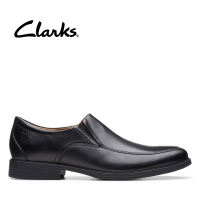
Clarks Mens Whiddon Step Slip On Shoes Black Leather - Wide Fit
$60.00$129.00
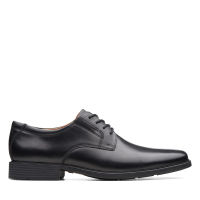
Clarks Tilden Plain Black Leather Mens Dress - WIDE FIT
$90.00$129.00
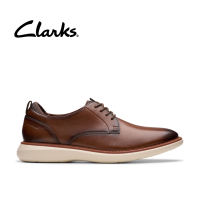
Clarks Mens Brantin Plain Derby Shoes Dark Tan Lea - Wide Fit
$70.00$149.00
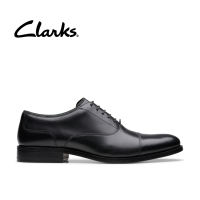
Clarks Mens CraftJames Cap Formal Shoes - Black Leather
$180.00$259.00
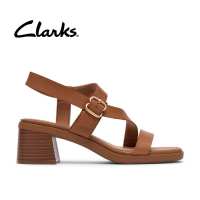
Clarks Womens Jaylan Sol Heeled Sandals - Tan Leather
$90.00$129.00
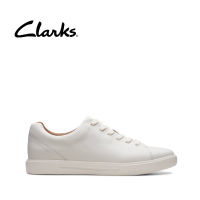
Clarks Mens Un Costa Lace White Leather
$139.00
Buy on Lazada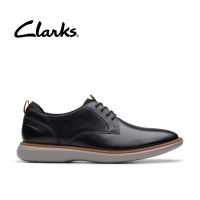
Clarks Mens Brantin Plain Derby Shoes Black Leather - Wide Fit
$70.00$149.00
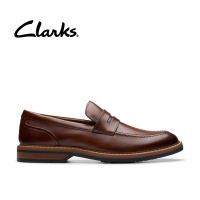
Clarks Mens Aldwin Step Formal Shoes - Mid Tan Leather
$100.00$149.00
About Clarks
Clarks (officially C. & J. Clark International Limited) is a British footwear manufacturer and retailer distinguished by its heritage, craftsmanship, and comfort-oriented designs. Established in 1825 by brothers Cyrus Clark and James Clark in Street, Somerset, England, the brand has evolved into one of the most recognisable names in global footwear. Clarks distributes its products in over 80 countries via company-owned stores, franchises, wholesalers, and e-commerce platforms. The label is particularly celebrated for iconic silhouettes such as the Desert Boot, Wallabee, and Desert Trek, which have endured as fashion staples across multiple generations and cultures.1
Overview
- Brand Name: Clarks
- Legal Name: C. & J. Clark International Limited
- Founded: 1825
- Founders: Cyrus Clark and James Clark
- Headquarters: Street, Somerset, England, United Kingdom
- Industry: Footwear and Retail
- Products: Men’s, women’s, and children’s footwear, boots, sandals, accessories
- Markets Served: Worldwide
- Parent Ownership: Majority owned by Viva Goods Company Limited, with the Clark family retaining a minority ownership stake2
History
The origins of Clarks date to 1825, when Cyrus Clark established a small tannery in Street, Somerset. His brother, James, subsequently identified that sheepskin offcuts from rug manufacturing could be repurposed into comfortable slippers. This resourceful use of waste material resulted in the company’s inaugural product and initiated nearly two centuries of shoemaking tradition.3
Throughout the 19th century, Clarks adopted industrial innovations by developing proprietary sewing machines, implementing factory-based production, and pioneering footwear shaped to match the natural contours of the human foot. These advancements cemented the company’s reputation for merging artisanal craftsmanship with technological progress.4
During the 20th century, Clarks expanded internationally to become one of Britain’s most prominent footwear companies. It earned particular acclaim for children’s shoes by introducing half sizes and multiple width fittings to enhance comfort and foot health. Furthermore, the brand developed measuring systems that subsequently became standard practice in shoe retail.5
Iconic Products
Desert Boot
Introduced in 1950 by Nathan Clark, the Desert Boot drew inspiration from footwear worn by British soldiers in North Africa during World War II. Characterised by a simple suede upper and crepe rubber sole, it revolutionised casual footwear and remains among Clarks’ most enduring designs.6
Wallabee
Launched in the late 1960s, the Wallabee is defined by its moccasin construction and signature crepe sole. It has achieved cultural icon status, embraced by diverse communities ranging from Jamaican reggae artists and British musicians to American hip-hop acts such as Wu-Tang Clan.
Desert Trek
Recognised by its central seam and distinctive comfort-focused construction, the Desert Trek is another classic silhouette within the Clarks portfolio. It maintains a loyal global following as a popular lifestyle shoe.7
Innovation
Innovation remains fundamental to the Clarks philosophy. Significant achievements include:
- Introduction of foot-shaped footwear designs in the 19th century
- Development of proprietary shoemaking machinery
- Introduction of children’s shoe width fittings and half sizes
- Creation of foot-measuring systems used in retail environments
- Continuous investment in comfort technologies, cushioning systems, and ergonomic construction
Brand Philosophy
Clarks adheres to three core principles:
- Comfort: Ergonomically designed footwear intended for everyday wear
- Craftsmanship: Utilisation of high-quality materials and meticulous construction methods
- Innovation: Ongoing development of new technologies whilst preserving traditional shoemaking techniques
Cultural Influence
Although originally a practical footwear manufacturer, Clarks has become deeply embedded in global fashion and music culture. Its shoes are frequently associated with:
- Jamaican reggae and dancehall culture
- British Mod and Britpop movements
- American hip-hop culture
- Casual and contemporary fashion worldwide
Notably, the Desert Boot and Wallabee have remained style icons for more than half a century.8
Sustainability and Values
Founded by a Quaker family, Clarks has historically championed values of honesty, equality, community welfare, and social responsibility. The Clark family invested significantly in housing, education, and public facilities for workers in Street, Somerset. Today, the company continues to prioritise responsible sourcing, product quality, and environmental impact reduction while upholding its heritage of craftsmanship.9
Global Presence
Clarks currently operates through a network comprising:
- Company-owned retail stores
- Franchise locations
- Department store partnerships
- Online retail platforms
With products available in more than 80 countries, Clarks stands as one of the world’s largest and most recognisable footwear brands.10
Milestones
| Year | Event |
|---|---|
| 1825 | Cyrus and James Clark founded the company in Street, Somerset |
| 1830s | First sheepskin slippers introduced |
| 1860s | Development of innovative shoemaking machinery |
| 1883 | Launch of anatomically designed “Hygienic” footwear |
| 1950 | Desert Boot introduced by Nathan Clark |
| Late 1960s | Wallabee launched |
| 2025 | Clarks celebrated its 200th anniversary with commemorative events, collaborations, and the opening of the Shoemakers Museum11 |
Legacy
For over two centuries, Clarks has combined traditional British shoemaking with continuous innovation. Its dedication to comfort, durability, and timeless design has ensured the brand’s relevance amidst evolving fashion trends while maintaining a reputation for quality craftsmanship. From school shoes to globally recognised style icons like the Desert Boot and Wallabee, Clarks continues to be an influential name in the footwear industry.