Shop on Lazada
Decathlon products
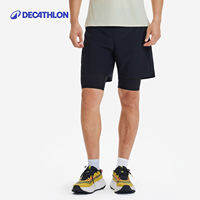
Decathlon | Mens Quick-Dry Running Shorts 2-in-1
$40.60
Buy on Lazada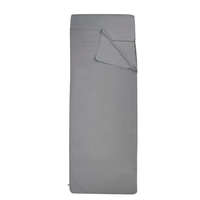
Decathlon | Hygienic Lightweight Portable Travel Sleep Liner
$15.07
Buy on Lazada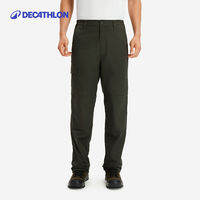
Decathlon | Warm Thermal Fleece Pants Mens Outdoor Workwear
$55.26
Buy on Lazada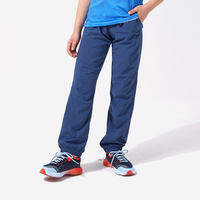
Decathlon | Quick-drying Boys Sports Pants
$23.04
Buy on Lazada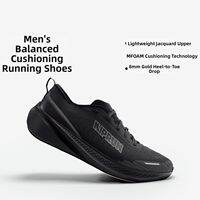
Decathlon | Lightweight Breathable Racing Shock Absorption Running Shoes
$98.32
Buy on Lazada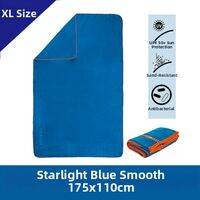
Quick-dry Small Towel
$22.12$25.17
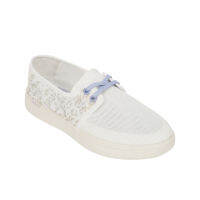
Decathlon | Breathable Lightweight Boat Shoes Womens Shoe
$47.30
Buy on Lazada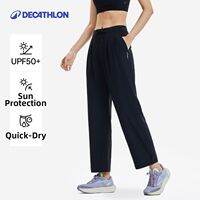
Decathlon | Sun Protection Quick Dry Casual Fitness Outdoor Running Pants
$42.87
Buy on LazadaAbout Decathlon
Decathlon is a French multinational retailer, designer, and manufacturer specialising in sporting goods, apparel, footwear, and accessories. Established in 1976, the company has grown to become one of the world’s largest sporting goods retailers, providing equipment for more than 80 sports. Decathlon is distinguished by its vertically integrated business model, which combines product design, manufacturing, logistics, and retail operations to deliver quality sporting goods at competitive prices.1
Company Overview
| Attribute | Details |
|---|---|
| Company Name | Decathlon SE |
| Founded | 1976 |
| Founder | Michel Leclercq |
| Headquarters | Villeneuve-d’Ascq |
| Industry | Sporting goods retail and manufacturing |
| Business Type | Family-owned multinational company |
| Products | Sports equipment, apparel, footwear, outdoor gear, bicycles, fitness equipment, accessories |
| Markets Served | Worldwide |
| Employees | Approximately 100,000+ globally |
| Retail Presence | More than 1,700 stores worldwide (varies by market and year)1 |
History
Decathlon was founded in July 1976 by Michel Leclercq in Englos, near Lille in northern France. The founder’s vision was to create a single location where customers could access equipment for numerous sports at affordable prices. During the 1980s, the company began its international expansion and shifted focus towards developing proprietary sporting goods rather than relying solely on third-party brands, a strategy that became a key competitive advantage.
Significant milestones in the company’s history include:
- 1976 – Opening of the first Decathlon store in France.
- 1986 – Commencement of international expansion and development of in-house bicycles.
- 1996 – Launch of dedicated in-house sports brands, including Quechua and Tribord.
- 2005 – Introduction of the “2 Seconds” instant camping tent.
- 2024 – Global brand refresh featuring a new visual identity and digital transformation.2
Business Model
Decathlon employs a vertically integrated business model, maintaining control over nearly every stage of the product lifecycle. This encompasses research and development, product design, material sourcing, manufacturing, logistics, retail stores, e-commerce, and after-sales repair services. This integrated approach enables cost reduction while supporting quality standards and rapid innovation.1
Product Categories
The retailer offers products across a diverse range of sporting disciplines, covering equipment for more than 80 sports.1 Categories include:
- Running
- Football (Soccer)
- Basketball
- Tennis
- Cycling
- Hiking
- Camping
- Swimming
- Yoga
- Fitness
- Gym Training
- Fishing
- Horse Riding
- Golf
- Climbing
- Skiing
- Surfing
- Martial Arts
- Badminton
- Table Tennis
- Rugby
- Cricket
- Volleyball
- Kayaking
- Canoeing
- Hunting (in selected countries)
In-house Brands
A defining characteristic of Decathlon is its portfolio of specialised in-house brands, each tailored to specific sports or activities. These brands are designed and developed internally to cater to various proficiency levels, from beginners to experienced athletes.2
| Brand | Specialty |
|---|---|
| Quechua | Hiking & Camping |
| Forclaz | Trekking & Backpacking |
| Domyos | Fitness & Gym |
| Kiprun | Running |
| Van Rysel | Road Cycling |
| Rockrider | Mountain Bikes |
| Btwin | Urban Cycling & Children’s Bikes |
| Tribord | Sailing & Watersports |
| Nabaiji | Swimming |
| Artengo | Tennis & Racquet Sports |
| Caperlan | Fishing |
| Fouganza | Horse Riding |
| Oxelo | Skating & Scooters |
| Tarmak | Basketball |
| Solognac | Hunting |
| Simond | Climbing & Mountaineering |
| Aptonia | Sports Nutrition & Recovery |
Innovation
Innovation is central to Decathlon’s corporate strategy. The company operates multiple research and development centres in Europe where engineers, designers, and athletes collaborate on product creation. Notable innovations include the 2 Seconds Tent, known for its instant setup mechanism; lightweight hiking apparel and backpacks; high-performance road bicycles under the Van Rysel brand; and eco-designed products utilising recycled materials and lower-impact manufacturing processes.1
Sustainability
Decathlon has expanded its sustainability efforts through various initiatives aimed at reducing environmental impact. These include eco-design of products, reduced packaging, repair workshops, product buy-back programmes, equipment rental in selected markets, and recycling and circular economy initiatives. The company also targets carbon emission reductions across its operations, emphasising the extension of product life through repair and reuse alongside improvements in the environmental footprint of new items.1
Global Presence
Decathlon maintains operations in dozens of countries across Europe, Asia, North America, South America, Africa, and Oceania. Its retail footprint ranges from compact urban outlets to large flagship stores stocking thousands of products under one roof.1
Decathlon in the Philippines
Decathlon entered the Philippine market in 2017 with the opening of its first flagship store in Alabang. The company has since expanded its physical retail presence and established an e-commerce platform to serve Filipino consumers.3
Competitive Advantages
Decathlon’s market position is supported by several key strengths:
- Affordable pricing achieved through vertical integration.
- Extensive product range covering dozens of sports.
- Significant investment in product research and innovation.
- Portfolio of specialised in-house brands.
- Large international retail network.
- Focus on accessibility to encourage sports participation at all skill levels.1
Mission
The mission of Decathlon is to make sport accessible to as many people as possible. The company seeks to provide functional, durable, and affordable sporting goods that promote active lifestyles, whilst continuing to advance product innovation and sustainability.1