Shop on Lazada
Diesel products
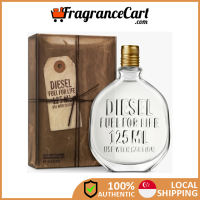
[FragranceCart Diesel Fuel for Life EDT for Men (125ml) Brand New 100% Authentic Perfume Eau de Toilette Man Brown Aromatic Fougere
$108.00$180.00
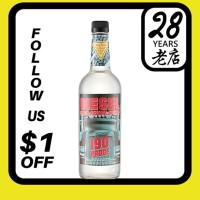
Official Importer - Diesel 190 Proof Grain Alcohol 95% 75cl w/o Gift Box
$167.16$168.00
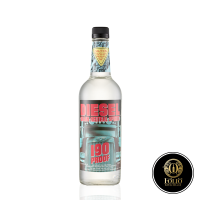
Diesel 190 Proof Grain Alcohol 95% ABV 75cl
$168.00$200.00
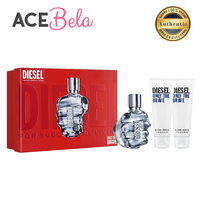
Diesel Only the Brave Gift Set (Eau de Toilette 125ml + 2 x Shower Gel 75ml) (100% Authentic from Acebela)
$61.00$135.00
About Diesel
Diesel is an Italian fashion and lifestyle brand renowned for its denim, provocative advertising campaigns, and unconventional approach to contemporary style. Founded by Renzo Rosso in 1978 in Molvena, Veneto, the company began as a specialist denim label before evolving into an international premium fashion house offering clothing, footwear, accessories, fragrances, watches, jewellery, and home products. It is currently part of the Italian fashion group OTB (Only The Brave).1
Overview
| Brand | Diesel |
| Founded | 1978 |
| Founder | Renzo Rosso |
| Origin | Molvena, Veneto, Italy |
| Industry | Fashion / Luxury / Lifestyle |
| Specialty | Denim and contemporary fashion |
| Parent company | OTB Group |
| Current creative director | Glenn Martens |
| Motto | “For Successful Living” |
| Positioning | Premium fashion / alternative luxury |
| Known for | Denim, distressed aesthetics, provocative advertising, experimental designs |
Diesel describes itself as an “innovative international lifestyle company” that has transitioned from denim expertise into a premium fashion brand positioned as an alternative to established luxury houses.2
History
Foundation: 1978
Diesel was founded in 1978 by Renzo Rosso, who aimed to create a new category of denim brand. The name Diesel was selected during the global oil crisis of the 1970s, referencing diesel fuel as an alternative energy source. Rosso embraced this association with being an “alternative”, intending the brand to offer a counterpoint to the dominant casualwear companies of the era. He also sought a name that could be pronounced easily worldwide, reflecting his ambition for immediate international relevance.3
The brand’s philosophy was later encapsulated in its slogan:
“For Successful Living”
Rather than positioning itself solely as a jeans manufacturer, Diesel aimed to sell an attitude and lifestyle centred on individuality, experimentation, humour, and freedom of expression.
1980s: Building the brand
Throughout the 1980s, Diesel expanded beyond its initial focus on denim:
- 1979: Launch of the first men’s total collection.
- 1981: Commencement of exports outside Italy.
- 1984: Introduction of the first children’s line, originally named Dieselito.
- 1985: Renzo Rosso acquired complete control of the company.
- 1989: Launch of the women’s line.4
Rosso’s acquisition of full ownership in 1985 marked a pivotal moment, allowing him to assemble an international creative team and transform Diesel from a local Italian denim company into a global fashion brand.5
1990s: Global expansion and advertising
The 1990s were instrumental in establishing Diesel’s international identity. Rather than competing exclusively through garment design, the brand gained prominence for its advertising and communication strategies. Campaigns were frequently ironic, humorous, provocative, socially conscious, or deliberately absurd.
In 1996, Diesel opened flagship stores in major fashion capitals including New York, Rome, and London. The brand was also an early adopter of digital platforms within the fashion industry, launching Diesel.com in 1995.
Advertising became as central to Diesel’s identity as its product range. The brand utilised campaigns to challenge social conventions and satirise established notions regarding fashion, status, politics, gender, and consumer culture.
2000s: From jeans to lifestyle
During the 2000s, Diesel evolved into a comprehensive lifestyle company. Its product universe expanded to include:
- Ready-to-wear
- Denim
- Footwear
- Bags
- Accessories
- Watches
- Jewellery
- Fragrances
- Eyewear
- Children’s clothing
- Home products
The brand also developed Diesel Living, extending its aesthetic into interior design and lifestyle projects.6
In 2002, Renzo Rosso established Only The Brave, later known as OTB, as a holding group for Diesel and other fashion ventures. This entity developed into the international fashion group that owns Diesel today.7
2010s: Reinvention
Diesel continued to explore the intersections between fashion, art, advertising, popular culture, and technology. A notable campaign was “Go with the Flaw” in 2017, which celebrated imperfections rather than conventional perfection. This initiative exemplified Diesel’s long-standing strategy of reframing unconventionality and flaws as positive brand attributes.8
2020s: Glenn Martens
A significant new chapter began when Belgian designer Glenn Martens was appointed creative director in 2020. Under Martens, Diesel regained visibility among younger consumers through exaggerated denim treatments, experimental silhouettes, distressed materials, Y2K references, body-conscious tailoring, and a fusion of streetwear with luxury aesthetics. Diesel officially recognises Martens as its current creative director.9
Design Philosophy
Diesel’s identity is defined by several recurring concepts.
Denim experimentation
Denim remains the foundation of the brand. Historically, Diesel has treated jeans not merely as wardrobe staples but as canvases for experimentation involving:
- Unusual washes
- Distressing and fading
- Coatings and treatments
- Deconstruction
- Oversized proportions
- Sculptural silhouettes
- Unconventional construction
- Application of denim beyond traditional trousers
This approach established Diesel as a key player in experimental premium denim.
Individuality
The brand’s philosophy prioritises personal expression over conformity to fashion rules. Clothing is presented as a vehicle for demonstrating personality, attitude, and independence. Official brand statements cite creativity, individuality, inclusivity, and freedom of expression as core identity pillars.10
Provocation
Diesel has intentionally challenged conventional ideas surrounding advertising and fashion. Campaigns have addressed topics such as:
- Social stereotypes
- Politics
- Sexuality and gender
- Diversity
- Consumerism
- Perfection
- Social injustice
The underlying strategy avoids simple product promotion in favour of initiating cultural conversation. Diesel describes its communication history as irreverent and anti-conventional.11
Humour and irony
Humour is integral to Diesel’s brand identity. While traditional luxury advertising often emphasises elegance, exclusivity, heritage, and seriousness, Diesel has frequently adopted absurdity, irony, exaggeration, and self-awareness. This distinction underpins its historical positioning as an alternative to traditional luxury.12
Logo and Visual Identity
The DIESEL wordmark is one of the brand’s most recognisable assets. The visual identity is generally associated with:
- Bold typography
- Industrial references
- Red branding
- Denim textures
- Workwear influences
- Distressed finishes
- Experimental graphics
The name itself carries industrial connotations, aligning with the company’s original intention to represent an alternative fuel and, metaphorically, an alternative fashion brand.13
Denim
Denim is arguably Diesel’s defining product category. Since its inception, the company has aimed to create innovative denim rather than reproduce conventional styles. Over its history, Diesel became renowned for elaborate washes and treatments.
According to Diesel’s Japanese historical archive, the company produced more than 2,000 different denim washes between 1978 and 2012, illustrating the centrality of experimentation to the brand.14 Contemporary Diesel denim often functions as a fashion statement, utilising the fabric for extremely wide jeans, low-rise silhouettes, distressed pieces, sculptural garments, skirts, jackets, tops, and other unconventional forms.
Advertising
Advertising represents one of Diesel’s most significant contributions to fashion culture. Particularly from the 1990s onwards, the brand became famous for campaigns that eschewed conventional fashion advertising tropes. Instead of simply displaying attractive models, campaigns often constructed fictional narratives or offered satirical commentary.
Significant campaigns include:
- LaChapelle (1994)
- Go with the Flaw (2017)
- Francesca (2020)
- When Together (2021)
Diesel states that these campaigns reflect a broader interest in inclusion, social issues, creativity, and challenging conventional thinking.15 Consequently, marketing itself became intrinsic to the product’s cultural value.
Product Categories
Diesel has evolved into a comprehensive lifestyle brand encompassing multiple categories.
Clothing
- Jeans
- T-shirts
- Shirts
- Knitwear
- Jackets
- Dresses
- Skirts
- Outerwear
- Underwear
- Tailoring
- Denim collections
Accessories
- Handbags
- Belts
- Wallets
- Jewellery
- Eyewear
- Hats
- Small leather goods
Footwear
- Sneakers
- Boots
- Sandals
- Fashion shoes
Lifestyle
- Fragrances
- Watches
- Jewellery
- Home/interior products
- Diesel Living
The brand’s official description identifies apparel and accessories alongside fragrances, watches, jewellery, interior design, and lifestyle collaborations as key offerings.16
Diesel and Luxury Fashion
Diesel occupies a distinct position within the fashion hierarchy. It is not best understood as a traditional heritage luxury house in the vein of Chanel, Hermès, or Louis Vuitton. Instead, it has historically positioned itself as an alternative to established luxury.
Its value proposition focuses less on heritage, formal elegance, and exclusivity, and more on:
creativity + attitude + experimentation + cultural relevance.
This distinction is central to understanding the brand. Diesel describes itself as a premium fashion leader and a “true alternative” to the established luxury market.17
OTB Group
Diesel is owned by OTB Group, the fashion conglomerate founded by Renzo Rosso. OTB’s portfolio extends beyond Diesel to include major fashion houses such as Maison Margiela, Marni, Jil Sander, and Viktor&Rolf, alongside companies involved in fashion production and distribution.18
Structurally, the ownership flows as follows:
Renzo Rosso → OTB Group → Diesel
Renzo Rosso remains a central figure in shaping the group’s overall vision.19
Global Presence
From its origins as an Italian denim company, Diesel has grown into an international brand. OTB reports that Diesel maintains more than 2,000 points of sale worldwide, including more than 290 mono-brand stores, with a presence in more than 90 countries.
This global distribution reflects Rosso’s original ambition: Diesel was intended to be an international brand from its inception, rather than a primarily Italian label that expanded overseas subsequently.
Sustainability
Diesel has increasingly integrated sustainability into its product and communication strategies. One initiative is the “For Responsible Living” labelling system. Qualifying garments carry information regarding their sustainability characteristics, with QR codes providing further details on materials, treatments, washes, and trims.
This is particularly relevant to denim production, which can involve substantial water, chemical, and energy usage. Reducing the environmental impact of washes and treatments remains a priority for the brand.
Cultural Significance
Diesel’s significance in fashion extends beyond commerce. Its broader contribution lies in demonstrating that a fashion brand can simultaneously function as:
a clothing company + an advertising phenomenon + a cultural commentator + a lifestyle brand.
During the 1990s and 2000s, Diesel helped establish a model where unconventional advertising became a primary component of brand identity. More recently, under Glenn Martens, the brand has influenced the resurgence of Y2K-inspired fashion, low-rise denim, exaggerated silhouettes, distressed materials, and provocative contemporary styling.
Brand Identity in One Sentence
If traditional luxury communicates:
“Look at how valuable and prestigious this object is.”
Diesel’s philosophy aligns closer to:
“Wear it, make it yours, break the rules, and have fun with it.”
This sentiment encapsulates what “For Successful Living” represents within the Diesel brand universe.
Timeline
| Year | Event |
|---|---|
| 1978 | Renzo Rosso founds Diesel |
| 1979 | First men’s total collection |
| 1981 | International exports begin |
| 1984 | Dieselito children’s line introduced |
| 1985 | Rosso gains complete control of Diesel |
| 1989 | Women’s line launched |
| 1990s | International expansion and iconic advertising campaigns |
| 1995 | Diesel.com launched |
| 1996 | Flagship stores open in New York, Rome and London |
| 2002 | OTB established as holding group |
| 2017 | “Go with the Flaw” campaign |
| 2020 | Glenn Martens becomes creative director |
| 2021 | “When Together” campaign |
| 2022 | Diesel collaborates with Tom of Finland Foundation and The Community on All Together |
| Today | Diesel operates internationally as an OTB-owned premium lifestyle brand |
Historical dates are based primarily on Diesel and OTB’s official histories.
References
- Diesel – OTB Group
- About us: the Italian alternative jeans brand | Diesel®
- DIESELブランドヒストリー|ディーゼル(DIESEL)公式オンラインストア
- 〖DIESEL〗DIESELについて|ディーゼル公式オンラインストア
- OTB Group Code of Ethics
- About us: the Italian alternative jeans brand | Diesel®
- About us: the Italian alternative jeans brand | Diesel®
- About us: the Italian alternative jeans brand | Diesel®
- Quiénes somos: la marca de denim más innovadora del mundo | Diesel®
- Über uns: die italienische alternative Jeansmarke | Diesel®
- 我们的故事 – OTB Group
- La nostra storia – OTB Group
- OTBの沿革について – OTB Group
- Diesel
- DIESEL PLANET|ディーゼル(DIESEL)公式オンラインストア
- DIESEL 关于DIESEL 丹宁,成衣,鞋,腕表,饰品,内衣,时尚眼镜
- Diesel – Gruppo Pagoni
- about-diesel
- About Us | Diesel SA | Learn More About Diesel