Shop on Lazada
TOMMY HILFIGER products
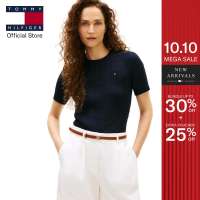
TOMMY HILFIGER Cable Knit Short Sleeve Pullover Womens
$179.00
Buy on Lazada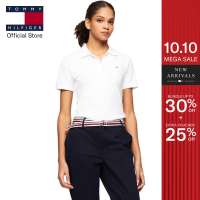
TOMMY HILFIGER Short Sleeve Polo Women
$139.00
Buy on Lazada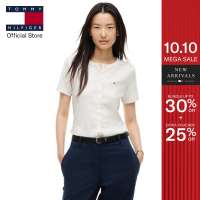
TOMMY HILFIGER Slim Button Front T-Shirt Womens
$109.00
Buy on Lazada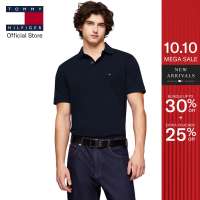
TOMMY HILFIGER Stretch Regular Fit Polo Men
$159.00
Buy on Lazada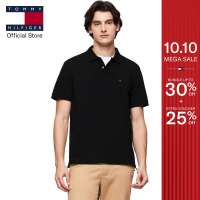
TOMMY HILFIGER 1985 Regular Polo Shirt Men Regular Fit
$159.00
Buy on Lazada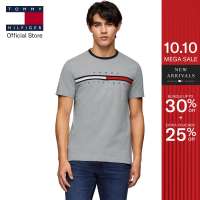
TOMMY HILFIGER Tino Crewneck T-Shirt Men
$99.00
Buy on Lazada
TOMMY HILFIGER Basic Crewneck T-Shirt Women
$109.00
Buy on Lazada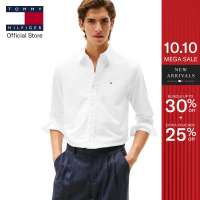
TOMMY HILFIGER Stretch Regular Fit Oxford Shirt Men
$179.00
Buy on LazadaAbout TOMMY HILFIGER
TOMMY HILFIGER is an American premium lifestyle fashion brand established in 1985 by designer Tommy Hilfiger. Renowned for its interpretation of classic American style, the label specialises in preppy sportswear, denim, tailoring and distinctive red, white and blue colourways. It currently operates as one of the flagship global fashion brands under PVH Corp., alongside Calvin Klein.1
Brand profile
| Category | Information |
|---|---|
| Brand name | TOMMY HILFIGER |
| Founder | Tommy Hilfiger |
| Founded | 1985 |
| Origin | New York City, United States |
| Industry | Fashion / Apparel / Lifestyle |
| Parent company | PVH Corp. |
| Core positioning | Premium lifestyle |
| Design identity | Classic American Cool / Prep made Modern |
| Major categories | Menswear, womenswear, kidswear, denim, footwear, accessories, underwear, swimwear, fragrance, home |
| Major contemporary sub-brand | TOMMY JEANS |
| Global presence | Around 100 countries |
| 2025 global retail sales | Approximately US$9 billion (including licensed products) |
| Principal Designer | Tommy Hilfiger |
The figure of approximately US$9 billion refers to global retail sales of products sold under TOMMY HILFIGER brands, including merchandise sold by licensees; this metric is distinct from the brand’s accounting revenue.2
Founder background
Tommy Hilfiger (born Thomas Jacob Hilfiger on 24 March 1951) is an American fashion designer from Elmira, New York. As the founder and namesake of TOMMY HILFIGER, he continues to serve as Principal Designer, providing creative direction and inspiration for the brand.3
Hilfiger developed an interest in music, fashion and youth culture during his secondary school years. His early exposure to rock music and the clothing worn by musicians significantly influenced his subsequent approach to fashion design.4
His first major retail venture was People’s Place, a clothing and record store opened in Elmira in 1969. Although the business eventually expanded to multiple locations, it filed for bankruptcy in 1977. Hilfiger subsequently relocated to Manhattan to pursue fashion design professionally.5
This background is central to understanding TOMMY HILFIGER; rather than emerging from a traditional European couture lineage, the brand evolved from American youth culture, music, retail and sportswear.
Establishment and early marketing
In the early 1980s, Hilfiger met businessman Mohan Murjani, who sought to establish a men’s clothing business. With Murjani’s financial backing, Hilfiger launched his eponymous collection in 1985.6
The original proposition focused on reinterpreting familiar American classics to be younger, fresher and more fashionable. Early collections emphasised button-down shirts, chinos, polo-style sportswear, denim, sweaters, relaxed tailoring and nautical or collegiate references. Rather than inventing radically new silhouettes, Hilfiger concentrated on updating established American wardrobe staples, a strategy that became the foundation of the brand’s modern identity: “Classic American Cool”.7
A pivotal element of the brand’s early success was its marketing strategy. A large Times Square billboard designed by advertising legend George Lois positioned Hilfiger alongside established American designers. This bold campaign created the impression that the young designer belonged in the same tier as major American fashion names, marking a significant departure from the understated marketing traditionally associated with luxury fashion.8
Instead, TOMMY HILFIGER embraced a formula combining fashion, advertising, celebrity culture, music and youth culture, which became a defining characteristic of the label.
Design philosophy
The identity of TOMMY HILFIGER is anchored in several recurring themes.
American heritage
The brand draws extensively from American cultural symbols, including Ivy League and preppy clothing, college style, sailing, American sports, denim, road-trip culture, military-inspired garments, traditional menswear, pop music and New York City. PVH describes the brand as being rooted in Americana and defined by its red, white and blue DNA.9
Preppy style
Preppy fashion serves as a primary historical influence. Traditional pieces such as Oxford shirts, chinos, cable-knit sweaters, rugby shirts, polo shirts, blazers, loafers and varsity-inspired jackets are frequently redesigned with contemporary proportions, colours, graphics or branding. The company describes this philosophy as “Prep made Modern”, essentially updating traditional American prep for contemporary consumers.10
Pop culture
Music and celebrity culture have been integral to the brand since its inception. Hilfiger connected his fashion with musicians and entertainers from an early stage, and the brand has worked with or been associated with figures including Aaliyah, Britney Spears, The Rolling Stones, Lenny Kravitz, Beyoncé, David Bowie and Iman. These associations helped TOMMY HILFIGER transcend its status as a clothing label to become part of American pop culture.
Visual identity
The TOMMY HILFIGER visual identity is among the most recognisable in contemporary American fashion. The central logo features a red, white and blue rectangular flag, often accompanied by the TOMMY HILFIGER name.
The specific colour palette of red, white and navy blue immediately evokes associations with American flags, nautical flags, yacht clubs, collegiate traditions, Americana and sporting uniforms. Consequently, the logo functions as an extension of the brand’s design philosophy rather than merely a corporate mark.
Expansion and cultural impact
During the 1990s, TOMMY HILFIGER expanded rapidly. The company went public in 1992 and extended beyond its original men’s collection. Women’s clothing was introduced commercially in the mid-1990s, and flagship retail locations opened in Beverly Hills in 1997 and London in 1998.
This period was culturally significant as the brand became increasingly associated with 1990s youth culture. Despite its original positioning in preppy American sportswear, TOMMY HILFIGER was embraced by the emerging hip-hop and R&B fashion scene. Oversized shirts, jackets, sweaters, denim and logo-heavy pieces appeared frequently within the broader fashion landscape surrounding these genres.
This adoption transformed traditional preppy clothing into something youthful, rebellious and culturally relevant, establishing a blueprint still used by many contemporary fashion brands: heritage clothing leading to celebrity adoption, youth culture engagement and eventual cultural relevance.
Challenges and repositioning
Rapid expansion eventually presented challenges. During the late 1990s and early 2000s, the brand became heavily licensed and widely distributed. According to PVH’s historical acquisition materials, TOMMY HILFIGER had become over-licensed and overexposed by the mid-1990s, drifting from its original US positioning and experiencing a subsequent period of decline.11
While the brand’s success was partly built on making premium fashion accessible and recognisable, excessive distribution diminished its sense of exclusivity. The company subsequently worked to reposition the brand, particularly in Europe and Asia, where it maintained a stronger premium-American positioning.12
Acquisition by PVH Corp.
In 2010, Phillips-Van Heusen Corporation, now known as PVH Corp., acquired TOMMY HILFIGER. The acquisition provided access to a larger global corporate infrastructure, leveraging PVH’s extensive experience in managing major apparel brands.
Today, TOMMY HILFIGER stands as one of PVH’s two principal global lifestyle brands alongside Calvin Klein. Notably, Tommy Hilfiger remains actively involved as Principal Designer rather than serving solely as a historical namesake.13
Product categories
TOMMY HILFIGER operates as a comprehensive lifestyle brand. Its core business principally encompasses men’s, women’s and children’s sportswear, denim, underwear, swimwear, accessories and footwear, supplemented by licensed categories.14
Men’s and women’s fashion
Men’s offerings include shirts, T-shirts, polo shirts, sweaters, jackets, coats, trousers, chinos, denim, tailoring, underwear and swimwear. Women’s collections feature dresses, tops, shirts, knitwear, jackets, coats, denim, trousers, skirts, tailoring and accessories.
Kids, accessories and footwear
The brand maintains extensive children’s clothing collections. Accessories include bags, wallets, belts, hats, sunglasses, watches and jewellery. Footwear ranges encompass sneakers, loafers, boots, sandals and other casual styles.
Licensed lifestyle products
Through licensing arrangements, TOMMY HILFIGER extends into fragrance, eyewear, watches, jewellery, home products, bedding and luggage.
TOMMY JEANS
TOMMY JEANS represents one of the most significant extensions of the brand. It focuses heavily on denim, casualwear, streetwear, youth culture, graphic pieces, sneakers and relaxed silhouettes.
Whereas the main TOMMY HILFIGER label often leans towards polished American sportswear, TOMMY JEANS maintains a more youthful, casual and denim-oriented identity. PVH identifies TOMMY HILFIGER and TOMMY JEANS as the principal brands within the portfolio.15
Market positioning
TOMMY HILFIGER is generally not positioned as a traditional luxury fashion house but is better described as a premium lifestyle or premium fashion brand.16
In a simplified market hierarchy, it sits above mass-market and accessible premium labels but below contemporary designer brands, luxury fashion houses and ultra-luxury haute couture. The exact position varies by product and market; for instance, a mainstream polo shirt differs significantly in economics and positioning from a high-fashion runway piece.
The brand’s historical strength lies in offering designer-inspired American style at price points considerably below traditional luxury.
Comparison with Ralph Lauren
Comparisons with Ralph Lauren are frequent due to their shared roots in American preppy style. However, distinct differences exist:
- Ralph Lauren often emphasises traditional American luxury, equestrian imagery, country clubs, Ivy League heritage, polo, old-money aesthetics and Americana.
- TOMMY HILFIGER places greater emphasis on youth culture, music, pop culture, sport, sailing, New York, denim, contemporary prep and red, white and blue branding.
Broadly speaking, Ralph Lauren represents American heritage and aspirational tradition, while TOMMY HILFIGER represents American heritage reinterpreted through youth and pop culture.
Collaborations and cultural strategy
Collaboration has become central to the modern TOMMY HILFIGER strategy. The company utilises partnerships and capsule collections to connect fashion with diverse cultural communities across music, sport, motorsports, entertainment, celebrity fashion, football, sailing and digital culture.17
This strategy continues the approach Hilfiger initiated decades ago: integrating the brand into culture rather than merely selling clothes.
Global operations and scale
Although founded in New York, TOMMY HILFIGER is now a highly international brand with a presence in approximately 100 countries. Products are distributed through TOMMY HILFIGER stores, department stores, specialty retailers, online retailers, e-commerce platforms, Tommy.com and licensed partners.18
Corporate materials cite more than 2,000 retail outlets worldwide supported by a global distribution network. Europe and Asia have been particularly important markets, where the brand’s American identity often functions internationally as a form of global Americana.
As of the latest available corporate reporting, PVH reported approximately US$9 billion in global retail sales in 2025 for products sold under TOMMY HILFIGER brands, including licensee sales.19 This scale establishes TOMMY HILFIGER as a large multinational lifestyle business spanning clothing, accessories and licensed products.
Sustainability and inclusion
Modern TOMMY HILFIGER increasingly emphasises inclusion, accessibility and social initiatives. Corporate materials highlight programmes connected to philanthropy and inclusion, drawing inspiration from the original People’s Place store and its goal of making fashion accessible to historically excluded groups.20
Initiatives have addressed disability inclusion, LGBTQ+ inclusion, racial and cultural inclusion, youth programmes, philanthropy and community organisations. This represents an evolution from the brand’s original 1980s identity while retaining its emphasis on optimism and individuality.
Aesthetic characteristics
Key visual characteristics define the TOMMY HILFIGER aesthetic independent of logos:
- Colours: Red, white and navy blue.
- Garments: Polo shirts, Oxford shirts, rugby shirts, chinos, denim, varsity jackets, Harrington-style jackets, cable-knit sweaters, quarter-zips, blazers, windbreakers and sneakers.
- References: Ivy League, sailing, sports, New York, Americana and music.
The resulting aesthetic is typically clean, recognisable, sporty and slightly preppy rather than avant-garde.
Historical significance
TOMMY HILFIGER holds particular significance in fashion history for altering the relationship between preppy fashion and popular culture. Prior to the brand’s rise, American prep was commonly associated with institutions such as Ivy League universities, country clubs and traditional menswear.
By introducing these visual codes to MTV, hip-hop, R&B, celebrity culture and streetwear, Hilfiger demonstrated that a heritage brand could become a youth-culture brand without abandoning its core identity. This approach subsequently became commonplace throughout the fashion industry.
Timeline
| Year | Event |
|---|---|
| 1969 | Tommy Hilfiger opens People’s Place in Elmira, New York |
| 1977 | People’s Place goes bankrupt |
| 1979 | Hilfiger moves to New York City to pursue fashion |
| 1985 | TOMMY HILFIGER brand launches |
| 1992 | Tommy Hilfiger Corporation goes public |
| 1995 | Hilfiger wins CFDA Menswear Designer of the Year |
| 1996 | Women’s clothing expands |
| 1997 | First TOMMY HILFIGER store opens in Beverly Hills |
| 1998 | London store opens |
| Late 1990s | Brand becomes deeply associated with youth, music and pop culture |
| 2000s | Brand experiences overexposure and repositioning |
| 2010 | PVH acquires TOMMY HILFIGER |
| 2010s | Major expansion of global lifestyle business and collaborations |
| 2020s | Focus on global lifestyle positioning, TOMMY JEANS, collaborations and “Prep made Modern” |
| 2025 | Global retail sales reach approximately US$9 billion |
Historical details are drawn primarily from TOMMY HILFIGER and PVH corporate materials and contemporary company records.21
Brand philosophy
The TOMMY HILFIGER brand philosophy centres on American classics updated for modern culture, currently articulated as “Prep made Modern” and “Classic American Cool”.22
Its identity is built upon four pillars:
- American heritage: Traditional American clothing and cultural references.
- Youthfulness: Ensuring classic clothing avoids feeling old-fashioned.
- Optimism: Bright colours, confident branding and an aspirational worldview.
- Pop culture: Integrating music, celebrities, sport and collaborations into fashion.
Ultimately, if Ralph Lauren represents the traditional, heritage-oriented side of American prep, TOMMY HILFIGER represents the youthful, pop-cultural and globally commercial side of American cool. Its primary achievement has been transforming familiar American classics into a globally recognisable cultural identity.23
References
- Tommy Hilfiger
- pvh-20260201
- Tommy Hilfiger
- TOMMY HILFIGER | Tommy Hilfiger Corporate
- Tommy Hilfiger – Tommy Hilfiger
- Microsoft Word – Tommy_Hilfiger_Long_Biography_June 2020_FINAL[1][2][3].doc
- Tommy Hilfiger Heritage | Biography & History | Tommy Hilfiger USA
- SEC
- Tommy Hilfiger
- Tommy Hilfiger (company)
- pvh-20250202
- Tommy Hilfiger B.V. – Wikidata
- pvh-20240204
- Category:Tommy Hilfiger – Wikimedia Commons
- Category:Tommy Hilfiger (company) – Wikimedia Commons
- pvh-20220130
- PRESS RELEASE – Tommy Hilfiger
- Digital innovations – Tommy Hilfiger
- Tommy Hilfiger – CFDA
- Tommy Hilfiger – Career, Fashion & Facts
- Tommy Hilfiger – amfAR, The Foundation for AIDS Research
- Tommy Hillfiger | Biography
- Company