Shop on Lazada
Diptyque products
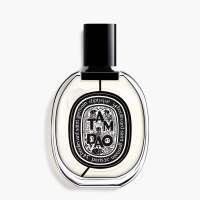
Diptyque Tam Dao Eau de Parfum For Unisex 75ml
$34.07$200.00
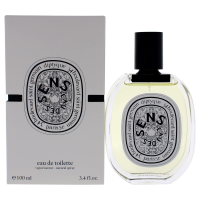
Diptyque Eau de Sens Edt Unisex 100ml
$95.00$225.00
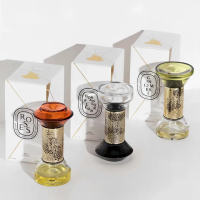
Official Authentic Diptyque sablier hourglass diffuser refill Home Diffuser 75ml BAIES#FIGUIER#Orange Blossom#Rose#34#Ginger#Tuberose#Mimosa
$84.48$148.48

For DIPTYQUE Softening Exfoliating Hand Wash 350ml/Softening hand wash 350ml/Lotion 350ml
$81.80$109.76
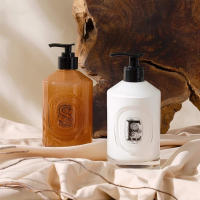
DIPTYQUE Softening hand wash/Lotion 350ml
$94.58$155.00
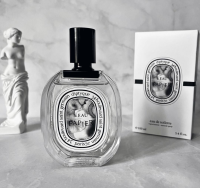
Diptyque Leau Papier EDT Unisex 100ml
$95.00$225.00
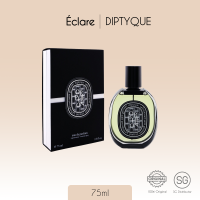
Diptyque Perfume Collection - Do Son/Philosykos/Eau Rose/Tam Dao EDP/EDT 50/75/100ml
$238.00$287.00
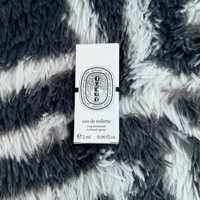
Diptyque 💯 Tam Dao Do Son Fleur De Peau Eau Rose Philosykos Eau Duelle Oyedeo L’ombre Eau Des Sens Perfume Sample Vial 2ml | Tester | Travel Spray | Mini Perfume | Travel Size
$8.40
Buy on LazadaAbout Diptyque
Diptyque is a French luxury fragrance and lifestyle house established in Paris in 1961 by Christiane Montadre-Gautrot, Desmond Knox-Leet and Yves Coueslant 1. The Maison is renowned for its scented candles, perfumes, home fragrances and decorative objects, having cultivated a distinctive identity at the intersection of French luxury, perfumery, art, travel and interior design 2. Unlike traditional perfume houses that originated as fashion or cosmetics brands, Diptyque began as an artists’ boutique and cabinet of curiosities, with fragrance gradually emerging as the central expression of its creative universe 3.
Quick facts
| Diptyque | |
|---|---|
| Full name | Diptyque |
| Founded | 1961 |
| Place founded | Paris, France |
| Founders | Christiane Montadre-Gautrot, Desmond Knox-Leet, Yves Coueslant |
| Original address | 34 boulevard Saint-Germain, Paris |
| Industry | Luxury goods / fragrance / beauty / home |
| Best known for | Scented candles, perfumes, home fragrances |
| Other categories | Bath & body, skincare, home-care products, decoration |
| Positioning | Luxury / niche or artistic fragrance |
| Signature aesthetic | Parisian, artistic, botanical, literary, travel-inspired |
| Current scale | About 1,300 points of sale in 56 countries, including 150 Diptyque boutiques (2025 impact report) 2 |
| Parent/shareholder context | Manzanita Capital has been a shareholder since 2005 |
According to its 2025 impact report, Diptyque operates across four principal product categories: Perfumes; Candles & Home; Bath & Body; and Decoration 2. The brand maintains approximately 1,300 points of sale across 56 countries. Manzanita Capital has served as a shareholder of Diptyque since 2005.
Origins: Three artists in Paris
The history of Diptyque predates its status as a fragrance house. In the late 1940s, painter Desmond Knox-Leet, who had trained at the École des Beaux-Arts, and interior architect Christiane Montadre-Gautrot became friends and creative collaborators in Paris 3. They designed textile patterns for companies including Liberty and Sanderson before being joined by Yves Coueslant, a decorator and administrator who had grown up in Indochina 3.
The trio shared a profound interest in art, architecture, decorative objects, nature, travel, textiles, craftsmanship and antiques. This combination of passions became fundamental to the DNA of Diptyque. Rather than adopting the mindset of conventional retailers, they approached objects as sources of imagination and memory 3.
1961: The first boutique
In 1961, the three founders opened a shop at 34 boulevard Saint-Germain in the Saint-Germain-des-Prés district of Paris 3. The original concept was unconventional for its era, functioning simultaneously as an artist’s studio, an interior design shop and a cabinet of curiosities. The founders sold items they had created themselves alongside objects discovered during their travels, establishing a reputation for unusual fabrics, decorative pieces, antiques and artefacts from diverse cultures 1.
This origin story distinguishes Diptyque from many heritage brands; it was born as a lifestyle and artistic concept before becoming a fragrance label. The original Saint-Germain boutique remains operational today, and the brand states that its historical archives are housed on the upper floors, continuing to inspire its creative teams 3.
Etymology and visual identity
The name “Diptyque” derives from the Greek diptychos, referring to an artwork or object composed of two hinged panels. The name reflects the brand’s enduring interplay between complementary dualities: art and commerce, image and fragrance, past and modernity, nature and culture, and object and experience.
Visually, Diptyque is characterised by black-and-white labels, oval frames, engraved illustrations, distinctive typography and dense decorative compositions featuring botanical and architectural references. The oval label has become one of the most recognisable identifiers in the luxury home fragrance sector. The founders’ background in graphic arts helped establish this visual language, which balances image and text, monochrome and colour, to create a proprietary aesthetic system 3.
The scented candle and L’Eau
A pivotal moment in the brand’s history occurred in 1963 when the founders introduced scented candles 3. At the time, candles were primarily utilitarian or religious objects. Diptyque reconceptualised the candle as an aesthetic, decorative and sensory item capable of transforming a room’s atmosphere and evoking specific landscapes or memories. Early fragrances included Aubépine (hawthorn), Cannelle (cinnamon) and Thé (tea). This innovation effectively laid the foundation for the modern luxury scented candle category, turning fragrance into an element of interior design and a new art de vivre 3.
Diptyque expanded into personal fragrance in 1968 with the launch of its first eau de toilette, L’Eau 3. Inspired by a 16th-century recipe featuring cinnamon, rose, clove, geranium and sandalwood, this release marked the beginning of Diptyque as a serious perfume house. Its approach diverged significantly from mainstream brands; rather than focusing on celebrity, glamour or seduction, Diptyque emphasised landscapes, memories, raw materials, botany, travel, literature and art. This philosophy cemented its association with niche and artistic perfumery 3.
Creative philosophy and style
Diptyque’s creative output is anchored by three primary sources of inspiration:
- Nature: Plants, flowers, trees, fruits, woods, spices and landscapes appear consistently across the portfolio. The founders’ strong connection to nature remains a fundamental source of the brand’s creative identity 3.
- Travel: The founders collected memories and objects from various locations, which became raw material for fragrances and illustrations. The brand’s storytelling often invites consumers to travel through scent rather than merely smell a perfume.
- Art: Fragrance is treated as a form of visual art. Perfumers collaborate with illustrators, designers and artists, developing scent and image as interconnected modes of expression 3.
There is no single “Diptyque smell”; the portfolio spans green, woody, floral, powdery, spicy, aromatic, fresh, earthy, smoky, resinous and fruity profiles. However, all creations share an artistic sensibility that prioritises narrative over abstraction. Rather than presenting a fragrance as a luxurious floral composition, Diptyque frames it as the memory of a garden, a Mediterranean landscape, a library or a specific journey. The brand collaborates with respected perfumers including Olivia Giacobetti, Olivier Pescheux and Fabrice Pellegrin, maintaining a philosophy that values collaboration between perfumer and artist 3.
Iconic fragrances
Several names within the Diptyque portfolio have achieved iconic status:
- Philosykos: Revolving around the fig tree and evoking the Greek landscape, its name translates roughly to “friend of the fig tree”. It exemplifies the brand’s progression from plant to landscape to memory to perfume.
- Do Son: Inspired by Yves Coueslant’s childhood memories of Vietnam, this tuberose-centred fragrance constructs a personal geographical memory rather than simply describing floral notes.
- Baies: One of the brand’s most recognisable home fragrances, its blackcurrant and rose character is closely associated with the Diptyque candle experience.
- Figuier: Another fig-based creation that explores the olfactory landscape of the tree and its environment, demonstrating the brand’s interest in holistic reconstruction over single-note reproduction.
- Tam Dao: Focusing on sandalwood and cedar, this fragrance draws on Vietnamese travels and memories, representing the meditative, woody facet of the house.
- Eau Rose: A modern interpretation of rose that explores different facets of the flower and its surrounding botanical environment rather than adhering to traditional floral perfume conventions.
Product categories and La Droguerie
Diptyque’s contemporary offering extends well beyond candles and perfumes. According to its 2025 corporate impact report, the business is organised into four main categories 2:
- Fragrances: Eau de parfum, eau de toilette, hair mist, solid perfume, body fragrance products and refills.
- Candles & Home Fragrance: Scented candles, large candles, diffusers, room sprays, hourglass diffusers, car diffusers and electric diffusers.
- Bath & Body: Hand wash, hand lotion, shower products, body care, hair products, skincare and solid perfumes.
- Home & Decoration: Decorative objects, vases, candle accessories, household products and items connected to the brand’s artistic universe.
A notable extension is La Droguerie, a collection that elevates ordinary household chores into a sensory experience. Products include multi-surface cleaner, dishwashing liquid and odour-removing solutions. Diptyque states that La Droguerie glass packaging is refillable and contains 60% recycled material, while certified products contain 99% ingredients of natural origin 3. This line embodies the brand’s philosophy that even domestic maintenance can be integrated into an art de vivre.
Sustainability and refillability
Sustainability has become integral to Diptyque’s contemporary strategy. The company is working towards recyclable, refillable or reusable packaging, reduced cellophane use, responsible sourcing and greater supply-chain transparency. According to its sustainability disclosures, 94% of the product range is currently recyclable, refillable or reusable, and 26% is refillable 3.
The fragrance refill service has expanded significantly, with more than 253 outlets offering refills according to recent web information 3. The brand’s stated ambition for 2028 includes making 100% of containers recyclable, refillable or reusable and eliminating cellophane from product packaging 3.
Global expansion and ownership
Although deeply rooted in Paris, Diptyque has evolved into a genuinely international luxury brand. Its 2025 impact report indicates a network of approximately 1,300 points of sale across 56 countries, including 150 dedicated boutiques 2. These boutiques are distributed across the Americas (36), Asia-Pacific (70), Europe (39) and the Middle East (5). The company also reports 1,240 employees and eight subsidiaries 2.
Asia has become particularly significant for the brand. For example, Diptyque opened its first Japanese flagship store in Omotesando, Tokyo, in October 2025 4.
Manzanita Capital, a specialist investment firm, has been a shareholder since 2005. This partnership facilitated Diptyque’s transformation from a niche Parisian fragrance house into a globally recognised luxury brand, while the company has sought to retain the character of a small artistic Maison amidst international scaling.
Market positioning and cultural significance
Diptyque occupies a distinctive position in the luxury landscape, sitting at the intersection of perfume, home, design and lifestyle. Unlike fashion-led houses such as Chanel or Dior, or minimalist niche brands like Le Labo, Diptyque’s core identity is built upon art, travel, nature and home 3. Its closest conceptual competitors include Byredo, Jo Malone London and Le Labo, though each possesses a distinct history and aesthetic.
The brand played a sociological role in transforming the scented candle from a household commodity into a luxury lifestyle object. The recognisable black-and-white candle became associated with sophisticated interiors, Parisian taste and “quiet luxury”, communicating cultural knowledge rather than overt status. Diptyque’s strategic achievement lies in turning fragrance into culture, building value through storytelling, art, heritage and sensory experience alongside functional utility.
By referring to itself as a “Maison” rather than a company, Diptyque signals heritage, creative authorship and artistic continuity within French luxury culture 3. Ultimately, the brand sells an atmosphere and a worldview as much as it sells perfume, using fragrance and beautiful objects to translate memories, places and imagination into an art of living.
Timeline
- 1949: Desmond Knox-Leet and Christiane Montadre-Gautrot begin their creative relationship in Paris 3.
- 1961: Christiane Montadre-Gautrot, Desmond Knox-Leet and Yves Coueslant open Diptyque at 34 boulevard Saint-Germain 3.
- 1963: Diptyque introduces its first scented candles, including Aubépine, Cannelle and Thé 3.
- 1968: The Maison launches its first eau de toilette, L’Eau 3.
- Later decades: Diptyque develops a broader perfume portfolio and becomes increasingly associated with artistic and niche perfumery.
- 2005: Manzanita Capital becomes a shareholder.
- 21st century: Diptyque expands internationally while broadening its categories into body care, home fragrance and decoration.
- 2020s: The brand accelerates global expansion and develops refill, recycling, repair and eco-design initiatives 3.
- 2025: Diptyque reports approximately 1,300 points of sale in 56 countries and 150 boutiques 2.