Shop on Lazada
Eastpak products
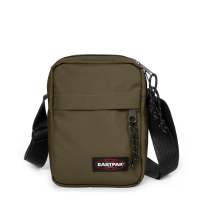
Eastpak The One Shoulder Bag
$22.05$49.00
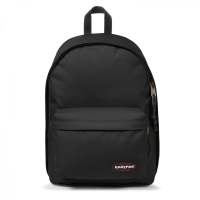
Eastpak Out Of Office Backpack
$49.05$109.00
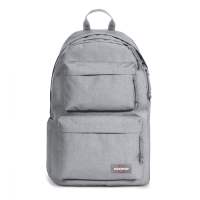
Eastpak Padded Double Backpack
$59.50$119.00
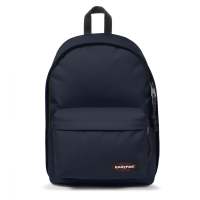
Eastpak Out Of Office Backpack
$49.05$109.00
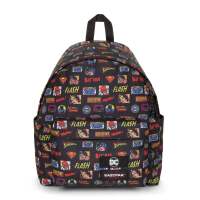
Eastpak Padded Pakr Backpack
$59.50$119.00
Eastpak Padded Double Backpack
$59.50$119.00
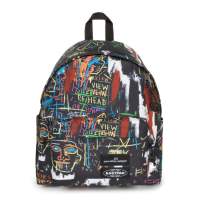
Eastpak Day PakR Basquiat Backpack
$59.50$119.00
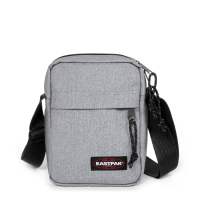
Eastpak The One Shoulder Bag
$14.70$49.00
About Eastpak
Eastpak is a global lifestyle brand of American origin, best known for its backpacks, bags, luggage and travel accessories. Founded in 1952 as Eastern Canvas Products, the company originally manufactured durable bags and equipment for the U.S. military before evolving into a consumer-facing lifestyle label. Today, Eastpak is part of VF Corporation, a major international apparel and footwear group that also owns brands such as The North Face, Vans and Timberland.1
The brand is particularly associated with its Padded Pak’r backpack, minimalist urban design, rugged construction, colourful prints and its distinctive “Built to Resist” philosophy.2
Basic information
| Category | Information |
|---|---|
| Brand | Eastpak |
| Founded | 1952 |
| Original company | Eastern Canvas Products |
| Country of origin | United States |
| Original market | Military / utility equipment |
| Current industry | Bags, luggage & lifestyle accessories |
| Best known for | Backpacks and travel bags |
| Iconic product | Padded Pak’r |
| Parent company | VF Corporation |
| Current ownership | VF Corporation, since 2000 |
| Main brand philosophy | “Built to Resist” |
| Warranty | Up to 30 years on applicable products |
| Market | International / global |
VF Corporation lists Eastpak as a brand founded in 1952, with its primary products being bags and luggage.3
History
1952: Eastern Canvas Products
Eastpak’s history began in 1952 in the United States. Operating under the name Eastern Canvas Products, the company initially specialised in manufacturing durable canvas equipment, including bags, packs and safety gear for the U.S. Army. This military heritage became a foundational element of Eastpak’s later brand identity, emphasising durability, functionality and resistance to heavy use.4
Eastpak did not begin as a fashion backpack company; it started as a utility and military-equipment manufacturer. This origin explains the brand’s central philosophy:
Built to Resist
Early products were designed primarily to withstand demanding conditions rather than to serve as fashion accessories.
1970s: Transition to consumer bags
A significant transformation occurred in the 1970s when the company shifted its focus towards the consumer market. The Eastpak brand began producing bags and packs for everyday consumers rather than exclusively for military clients, transitioning from an equipment manufacturer to a lifestyle and accessories brand.
According to VF Corporation, Eastpak evolved from producing military packs and duffels into a lifestyle brand aimed at people who “live, work and play in the city.”5 This pivot combined military-grade durability with everyday practicality and fashion, establishing the foundation of the modern brand.
Rise of the backpack
During the 1980s and 1990s, backpacks became increasingly significant in youth and student culture. Eastpak responded by expanding beyond purely functional designs to introduce fashion-oriented colours, patterns and styles. The brand established that a backpack could be both functional equipment and a means of personal expression, helping it gain strong traction among students, young people and urban consumers.
The company developed a recognisable visual language characterised by simple silhouettes, durable synthetic or canvas materials, robust zippers, practical compartments, padded construction, bold colours, graphic prints and relatively minimalist branding. This combination of practicality and style facilitated Eastpak’s transition from a utilitarian bag maker to a prominent street and youth lifestyle brand.
The Padded Pak’r
The Padded Pak’r is one of the most significant products in Eastpak’s history. It became the archetypal Eastpak backpack, featuring a large main compartment, front pocket, padded back and distinctive shoulder straps. Eastpak describes the Padded Pak’r as an iconic backpack whose fundamental design has remained unchanged through generations, while the company continues to reinterpret it through colours, graphics and collaborations.6
Rather than constantly replacing core designs, the company typically retains the basic silhouette while updating:
- Colour
- Fabric
- Pattern
- Graphics
- Collaborations
- Special editions
This strategy results in a product that remains simultaneously classic and contemporary.
1990s: Youth culture and urban fashion
By the 1990s, Eastpak had become strongly associated with European youth culture and urban fashion. The backpack evolved from a school accessory into a staple of everyday streetwear. The brand’s appeal stemmed from a combination of factors:
- Functionality: Designed to carry books, clothing and daily essentials.
- Durability: Military heritage provided credibility regarding toughness.
- Simplicity: Designs were versatile and easy to incorporate into various styles.
- Self-expression: Colours, patterns and collaborations allowed consumers to personalise a standardised product.
These attributes positioned Eastpak between technical outdoor equipment and fashion accessories.
Acquisition by VF Corporation
In 2000, VF Corporation acquired Eastpak, integrating it into a portfolio of major lifestyle and outdoor brands including The North Face, Vans, Timberland, JanSport, Kipling and Dickies.7 Despite this acquisition, Eastpak retained its distinct identity. VF Corporation describes Eastpak as continuing to focus on stylish and functional backpacks, shoulder bags, travel gear and accessories.8
Product categories
Eastpak has expanded significantly beyond its original backpack concept. Its current assortment includes:
Backpacks
This remains the brand’s most recognisable category, encompassing the Padded Pak’r, Day Pak’r, laptop backpacks, commuter backpacks, larger travel backpacks and fashion or special-edition models.
Shoulder bags
The range includes various shoulder bags, messenger-style bags and smaller everyday carriers.
Waist bags and hip packs
Eastpak participates in the resurgence of compact crossbody and waist bags.
Luggage
The brand has expanded into wheeled luggage and travel equipment. VF Corporation specifically highlights the development of wheeled luggage as part of Eastpak’s evolution.9
Travel bags
This category includes duffels, weekend bags and other travel-oriented products.
Accessories
The assortment also features smaller accessories and special collections.
Market positioning
Eastpak’s competitive identity is defined by durability, urban lifestyle and self-expression. It occupies a distinct niche compared to other market segments:
| Brand positioning | Typical emphasis |
|---|---|
| Technical outdoor brands | Performance / hiking |
| Luxury fashion brands | Status / design |
| Fast-fashion brands | Trend / low price |
| Traditional luggage brands | Travel functionality |
| Eastpak | Durability + urban lifestyle + recognisable design |
The brand does not position itself as an extreme mountaineering label or a luxury fashion house. Its historical niche is the everyday urban bag that is functional enough for serious use but fashionable enough to form part of a personal style.
“Built to Resist” philosophy
The phrase “Built to Resist” is central to Eastpak’s modern identity, connecting current products with the brand’s history of manufacturing durable equipment. Eastpak states that its products are designed around robust materials and durable construction, with designs intended to remain relevant rather than follow short-lived trends.10
The concept encompasses several dimensions:
- Physical resistance: Bags are built to withstand everyday use.
- Design resistance: Classic designs avoid rapid obsolescence.
- Cultural resistance: The brand associates itself with individuality and non-conformity.
- Longevity: Products are intended to remain in use for many years.
This framing elevates durability from a mere technical feature to a core component of brand storytelling.
Warranty
Eastpak offers up to 30 years of limited warranty coverage on applicable products.11 This extensive warranty signals confidence in product longevity. However, the 30-year warranty does not imply automatic coverage for all damage types. Documentation distinguishes between defects in materials or workmanship and damage caused by misuse, accidents, negligence or ordinary wear, with precise terms varying by product and market.12
Consequently, the warranty functions as part of Eastpak’s long-life product philosophy rather than an unconditional lifetime repair promise.
Sustainability
Eastpak links durability with sustainability, operating on the premise that longer-lasting products reduce replacement frequency and waste. The company’s sustainability approach focuses on four pillars:
- Reduce: Manufacturing durable products to encourage less frequent purchasing.
- Reuse: Encouraging continued use of existing bags.
- Repair: Extending product life through repair and warranty services.
- Recycle: Increasing the use of recycled materials and developing recycling solutions.
Eastpak has stated it is increasing its use of recycled fabrics and working towards more responsible sourcing and production practices.
Design philosophy
Eastpak’s design language follows a consistent logic:
Simple shape → Practical construction → Strong materials → Minimal branding → Colour/print as primary visual expression
This framework allows the same basic bag to remain relevant across generations. A standard black backpack may appear understated and functional, while the identical silhouette can be transformed through colourful prints or designer collaborations, keeping classic products contemporary.
Collaborations
Collaborations are integral to Eastpak’s modern fashion strategy. Rather than abandoning classic products, the brand uses partnerships to reinterpret them. Eastpak notes that its iconic Padded Pak’r continues to be reimagined through creative collaborations.13
These partnerships connect the brand’s traditional mass-market identity with fashion, art, street culture, pop culture, designers and entertainment properties. This strategy maintains product recognisability while generating novelty and collectability.
Brand image and target audience
Eastpak’s brand image is characterised as:
- Young: Historically linked to students and youth culture.
- Urban: Designed for city life rather than exclusive outdoor adventure.
- Unisex: Core bags are generally not gender-specific.
- Practical: Functionality remains central.
- Durable: Military heritage informs the brand narrative.
- Expressive: Customisation through colour and graphics.
- Accessible: Positioned closer to mainstream lifestyle fashion than luxury luggage.
While historically appealing to students, teenagers, young adults, urban commuters and travellers, the customer base has broadened. Timeless designs allow the brand to appeal to both younger consumers seeking style and older consumers valuing familiarity and durability.
Streetwear significance
From a fashion-history perspective, Eastpak demonstrated that a functional backpack could become a fashion object. Its evolution mirrors broader changes in late 20th and early 21st-century fashion, where everyday functional items became integral to personal style:
Military equipment → functional consumer bag → student backpack → youth-culture accessory → streetwear item → fashion collaboration platform
Corporate structure and origins
Eastpak is currently a brand within VF Corporation, which identifies the brand’s founding year as 1952.14 VF Corporation is a U.S.-based apparel, footwear and accessories company whose portfolio includes The North Face, Vans, Timberland, Dickies, JanSport and Eastpak.
Regarding geographical origin, Eastpak traces its roots to Eastern Canvas Products and its military-equipment business in the United States.15 However, its modern corporate environment is international and European-oriented. Corporate information identifies Stabio, Switzerland as a key location, while sustainability documentation references an Antwerp, Belgium head office.16 Thus, Eastpak is historically American but operates today as an international lifestyle brand within VF Corporation.
Strengths and challenges
Key strengths
- Strong heritage: Over seven decades of history provide credibility.
- Recognisable core product: The Padded Pak’r is visually distinctive.
- Durability positioning: Military origin and warranty reinforce each other.
- Brand consistency: Maintained recognisable design DNA for decades.
- Fashion flexibility: Prints and collaborations allow cultural relevance without redesigning core products.
- Global distribution: Access to VF Corporation’s international infrastructure.
Potential weaknesses
- Competition: The backpack market is crowded, with rivals spanning fashion, sportswear, outdoor, specialist and fast-fashion sectors.
- Heritage vs innovation: Reliance on classic silhouettes can complicate innovation.
- Sustainability expectations: Modern consumers demand transparency regarding materials, manufacturing, labour, supply chains, repairability and recycling. Eastpak acknowledges this by working on recycled materials, traceability and responsible sourcing.
Timeline of brand evolution
- 1952: Eastern Canvas Products begins producing durable equipment for the U.S. military.
- 1970s: Entry into the consumer market and development of the Eastpak identity.
- 1980s: Introduction of colours, prints and fashion-oriented designs transforms the backpack into a lifestyle product.
- 1990s: Strong association with youth, student and urban culture.
- 2000: VF Corporation acquires Eastpak.
- 2000s–2010s: Expansion of backpacks, travel bags, luggage and collaborations.
- 2010s–2020s: Increased emphasis on collaborations, lifestyle positioning, sustainability and product longevity.
- Today: Operates as a global lifestyle bag brand under VF Corporation, centred on durability, urban design and self-expression.
References
- Our Story – Who is Eastpak? | Eastpak
- Eastpak :: VF Corporation (VFC)
- VF Corporation Appoints Nina Flood as President, Global Packs – Eastpak®, JanSport® & Kipling® :: VF Corporation (VFC)
- The Eastpak Story
- Eastpak Official Store | Built To Resist | 30 Year Warranty
- Warranty – What Is Covered? | Eastpak
- Eastpak Warranty and Guarantee Policy
- Sustainability Practices | Eastpak
- Our Sustainability Journey – Eastpak
- FAQs – General Customer Questions | Eastpak
- Read Our Privacy Policy | Eastpak
- VF Corporation Appoints Nina Flood as President, Eastpak® :: VF Corporation (VFC)
- The Eastpak Story
- Our Sustainability Journey – Eastpak
- Eastpak | MALLOUPPAS Group
- Eastpak Cyprus FAQ | Orders, Delivery, Warranty