Shop on Lazada
Guerlain products
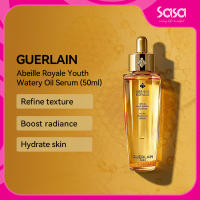
GUERLAIN Abeille Royale Youth Watery Oil Serum (50ml)
$137.99$304.00
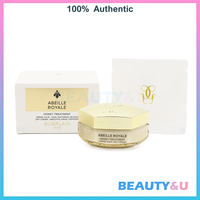
GUERLAIN Abeille Royale Honey Treatment Day Cream 50ml
$135.50$160.00
![Guerlain Mon Guerlain Bloom of Rose EDT 2 Pcs Gift Set for Women (100ml EDT + 10ml Travel Spray) GiftSet Purse [Brand New 100% Authentic Perfume/Fragrance]](https://sg-live.slatic.net/p/9be1ff8fbd299262266e7afdfb53658f.jpg_200x200q80.jpg)
Guerlain Mon Guerlain Bloom of Rose EDT 2 Pcs Gift Set for Women (100ml EDT + 10ml Travel Spray) GiftSet Purse [Brand New 100% Authentic Perfume/Fragrance]
$148.00$229.00
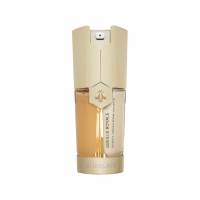
Guerlain Abeille Royale Double R Renew & Repair Eye Serum 20ml Golden bottle Anti-Aging Eye Care
$136.90$230.00
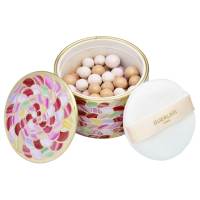
Guerlain Météorites Light-Revealing Pearls of Powder #03 Warm 20g
$70.19$130.00
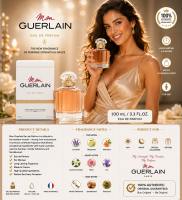
Mon Guerlain edp for Women 100ml
$103.50$215.00
Guerlain Aqua Allegoria Florabloom edt for Women 75ml
$108.00$195.00
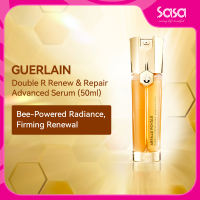
GUERLAIN Double R Renew & Repair Advanced Serum (50ml)
$186.99$411.00
About Guerlain
Guerlain is a historic French luxury beauty house specialising in high perfumery, skincare, makeup and beauty and wellness services. Founded in Paris in 1828 by Pierre-François-Pascal Guerlain, it is one of the oldest continuously operating luxury perfume houses in the world.1 Today, Guerlain belongs to the LVMH Group and is positioned at the very high end of the global beauty market.2
What distinguishes Guerlain is its identity as a “Maison” rather than merely a cosmetics brand. It is built around craftsmanship, artistic creation, heritage, raw materials and the transmission of savoir-faire across generations.
Basic information
| Guerlain | |
|---|---|
| Full name | Maison Guerlain |
| Founded | 1828 |
| Founder | Pierre-François-Pascal Guerlain |
| Origin | Paris, France |
| Industry | Luxury beauty / cosmetics / perfumery |
| Main categories | Fragrance, skincare, makeup, spas/wellness |
| Parent company | LVMH |
| Current Master Perfumer | Thierry Wasser |
| Heritage | Nearly 200 years |
| Signature symbol | The bee 🐝 |
| Major historical address | 68 Avenue des Champs-Élysées, Paris |
| Manufacturing identity | Made in France |
| Notable heritage | 1,100+ fragrance creations since 1828 |
| Luxury positioning | Ultra-premium / high luxury |
Guerlain states that more than 1,100 fragrances have been created by its perfumers since its founding.1 LVMH describes the house as maintaining production in its own French facilities while preserving specialised crafts.2
Origins and early history
The story begins in 1828, when Pierre-François-Pascal Guerlain opened his first boutique at 42 rue de Rivoli in Paris.1
He was not merely a traditional perfumer but also a chemist, inventor and researcher. From the beginning, the house combined fragrance with cosmetics and scientific experimentation. The original boutique sold creams, makeup and fragrances to Parisian high society and wealthy international visitors.1 This combination of science, luxury, artistry and personalisation became a defining characteristic of Guerlain.
The Imperial Court and the Bee Bottle
A significant turning point occurred in 1853 when Pierre-François-Pascal Guerlain created Eau de Cologne Impériale for Empress Eugénie, wife of Napoleon III, to mark their marriage.1
The fragrance was presented in an elaborate bottle decorated with golden bees, and its success earned Guerlain the prestigious title of official perfumer to the imperial court.1 This association established the bee as one of the most recognisable symbols of the Maison.
The famous Flacon aux Abeilles, or Bee Bottle, was created specifically for Eau de Cologne Impériale. Its design references the Napoleonic Empire, featuring golden bees and decorative elements inspired by the Vendôme column. The bottle subsequently became an enduring visual signature of Guerlain and remains strongly associated with the house’s haute-perfumery identity.1
Innovation in modern perfumery
Guerlain played a pivotal role in transforming perfume from traditional botanical mixtures into modern artistic perfumery.
Jicky (1889)
In 1889, Aimé Guerlain created Jicky, which is considered one of the house’s foundational masterpieces because it combined natural ingredients with synthetic molecules in a sophisticated composition.1 Guerlain identifies it as the first fragrance in its history to blend synthetic and natural materials, marking a major step toward modern perfumery.1
The fragrance was unusual for its time as it eventually became associated with both women and men. Jicky helped establish the concept that perfume could be abstract, sophisticated, technically innovative and emotionally expressive.
The Guerlain family dynasty
For much of its history, Guerlain operated as a family creative dynasty, with five generations of perfumers successively shaping the house.2
Pierre-François-Pascal Guerlain
As founder, he established the Maison in 1828 and developed its early reputation for luxury fragrance and cosmetics.
Aimé Guerlain
Representing the second generation, he pioneered modern perfumery by creating Jicky in 1889.1 He also created Ne m’oubliez pas in 1870, which Guerlain describes as the first lipstick in stick form with a refillable format.1
Jacques Guerlain
Often regarded as the most famous perfumer in Guerlain history, his creations include L’Heure Bleue (1912), Mitsouko (1919) and Shalimar (1925). He also developed the concept of Guerlinade, the house’s characteristic olfactory signature.1
Jean-Paul Guerlain
The fourth-generation perfumer whose major creations include Vétiver (1959), Habit Rouge (1965), Chamade (1969), Nahéma (1979), Samsara (1989) and Aqua Allegoria (1999). He was instrumental in expanding Guerlain’s fragrance vocabulary for men while continuing the house’s traditionally feminine perfume heritage.1
Thierry Wasser
The current Master Perfumer represents the transition from a hereditary dynasty to a modern creative leadership model. He oversees the fragrance heritage and new creations, described by Guerlain as the heir to a catalogue of more than 1,100 olfactory creations.2
Iconic fragrances
L’Heure Bleue (1912)
Created by Jacques Guerlain, this fragrance is based on the atmospheric moment of twilight between day and night. The composition features rose, iris, violet and vanilla. Its famous bottle has an inverted-heart design with a distinctive heart-shaped stopper, produced with the technical expertise of Baccarat.1 L’Heure Bleue demonstrates Guerlain’s approach to presenting perfume as an artistic composition rather than merely a pleasant scent.
Mitsouko (1919)
This chypre fragrance takes its name from a Japanese character in the novel La Bataille by Claude Farrère, reflecting the fascination with East Asian aesthetics in European culture at the time.1 Mitsouko is noted for its unusual combination of fruit, oakmoss, spices, woods and floral elements, helping to establish Guerlain’s reputation for complex, mysterious fragrances.1
Shalimar (1925)
Created by Jacques Guerlain, Shalimar is inspired by the love story of Mughal emperor Shah Jahan and Mumtaz Mahal, associated with the Gardens of Shalimar and the Taj Mahal.2 The name generally evokes a temple or garden of love. Its signature revolves around bergamot, vanilla, iris, tonka, floral elements and balsamic amber facets.
Guerlain describes Shalimar as the first amber fragrance, crediting it with establishing the amber family as a major olfactory style.1 Its combination of citrus freshness with rich vanilla and balsamic warmth created a blueprint for modern amber perfumes. The bottle, designed by Raymond Guerlain, evokes a fountain basin.1
The Guerlinade
Guerlinade is essentially the olfactory DNA of the house rather than a single perfume. Guerlain identifies six emblematic ingredients associated with this signature:1
- Vanilla
- Rose
- Bergamot
- Iris
- Tonka bean
- Jasmine
These ingredients form an underlying vocabulary that appears in different proportions across Guerlain’s perfumes, explaining why many fragrances smell distinct yet possess a recognisable “Guerlain character”.1
Expansion beyond perfume
Although most famous for fragrance, Guerlain has always been a comprehensive beauty house. Its four major métiers today are:1
- Fragrance: High perfumery and artistic scent creation.
- Skincare: Luxury skincare combining cosmetic science with selected natural ingredients.
- Makeup: Complexion products, lipsticks, powders, bronzers and other cosmetics.
- Spas and wellness: Beauty and wellness treatments extending the concept of beauty beyond products.
Makeup innovations
Guerlain has been innovative in makeup for more than a century. Ne m’oubliez pas, created in 1870, is identified as an early refillable lipstick in stick form.1
Terracotta, introduced in 1984, was designed to give skin a naturally sun-kissed appearance and became one of Guerlain’s most recognisable makeup products.1 It helped popularise bronzing powder as a luxury beauty ritual rather than simply a functional cosmetic.
Météorites, launched in 1987, consists of small coloured powder pearls designed to correct, illuminate and refine the complexion. Housed in an ornate box with a characteristic violet fragrance, Météorites exemplifies Guerlain’s philosophy that packaging, texture, fragrance and application ritual are integral to the beauty experience.1
Skincare
Historically, Guerlain experimented with skincare early; Jacques Guerlain created Secret de Bonne Femme in 1904, an early moisturising product that remained on the market for decades.1 Today, the skincare portfolio is positioned at the ultra-luxury end, with major families including Orchidée Impériale, Abeille Royale and Terracotta. A key concept is the use of orchids and bee-derived ingredients, connecting skincare to the house’s broader philosophy of drawing inspiration from nature.
Symbols and craftsmanship
The Bee
The bee is perhaps the single most recognisable symbol of Guerlain, originating with the 1853 Eau de Cologne Impériale bottle. Today, it represents nature, craftsmanship, regeneration, fragility, French heritage and sustainability commitments. LVMH states that Guerlain has helped repopulate 125 million bees through a partnership with UNESCO.2 Products such as Abeille Royale are conceptually connected to this larger identity.
Artisanal savoir-faire
Luxury at Guerlain extends beyond formula to traditional French craftsmanship in perfume creation, bottle decoration, powder production, packaging and hand-finishing.2 Some crafts are performed by specialised artisans, including the Dames de Table, who decorate perfume bottles using silk thread, braiding and knots.2
Guerlain’s French manufacturing savoir-faire was recognised with the Entreprise du Patrimoine Vivant (Living Heritage Company) distinction in 2005.2
Historic locations and institutes
68 Champs-Élysées
The Guerlain family established its famous location at 68 Avenue des Champs-Élysées in 1914.1 Described as a historic monument, it symbolises the house’s transition from a Parisian business into an international Maison.1 It functions as an expression of luxury combining perfume, architecture, art, beauty, service and craftsmanship.
Guerlain Institute
In 1939, Guerlain opened the Guerlain Institute at the Champs-Élysées location, described as one of the world’s early beauty institutes combining sensory pleasure with specialised techniques.1 This evolved into the modern spa and wellness business, reflecting a philosophy of beauty encompassing product, ritual, expertise and sensory experience.
Ownership and brand philosophy
Today Guerlain is part of LVMH within the Perfumes & Cosmetics category.2 LVMH describes it as a Parisian luxury house with nearly two centuries of history, highlighting its French manufacturing, craftsmanship and extensive fragrance heritage.2 This provides global resources while allowing Guerlain to maintain its identity as a historic Maison de beauté.
Guerlain’s identity is summarised by recurring themes: nature as a central inspiration; science rooted in the founder’s background; art applied to fragrance and packaging; craftsmanship emphasising handmade savoir-faire; heritage preserving past traditions; and innovation ranging from synthetic materials to advanced skincare. This combination represents tradition without becoming purely traditional.
Visually, Guerlain combines French aristocratic elegance, Parisian sophistication, romanticism and decorative arts, typically using gold, black, deep red, crystal and ornate details. Unlike minimalist contemporary brands, Guerlain embraces ornament and craftsmanship.
Modern collections and sustainability
Modern Guerlain fragrances are divided into mainstream luxury collections; La Collection de L’Art & La Matière, focusing on artistic ingredient interpretation; and high perfumery exceptional creations. The Les Privilèges collection, for example, consists of six exceptional fragrances based on the six Guerlinade ingredients.1
Sustainability is expressed through the concept “In the Name of Beauty” / “Acting for Living Beauty”, with the bee serving as an environmental sentinel.1 Efforts focus on bee protection, biodiversity, responsible sourcing, preservation of natural raw materials, French manufacturing and responsible packaging.1
As of 2026, Guerlain describes itself as a global luxury beauty Maison with approximately 3,700 talents worldwide spanning fragrance, skincare, makeup and spa/wellness.1 It maintains its historical French identity while operating as a global luxury brand.
Key icons
- 🐝 The Bee: The ultimate Guerlain emblem.
- 🧴 The Bee Bottle: One of the most recognisable perfume bottles in luxury.
- 🌿 Guerlinade: The house’s olfactory DNA.
- 🌹 Shalimar: Arguably its most important fragrance icon.
- 🟤 Terracotta: Its most recognisable modern makeup icon.
- ✨ Météorites: Iconic powder and decorative-cosmetics symbol.
- 🌸 Orchidée Impériale: Major expression of ultra-luxury skincare.
- 🍯 Abeille Royale: Modern skincare collection connected to the bee.
Timeline
- 1828: Pierre-François-Pascal Guerlain establishes the Maison in Paris.
- 1853: Eau de Cologne Impériale created for Empress Eugénie; Bee Bottle introduced.
- 1870: Ne m’oubliez pas lipstick innovation.
- 1889: Aimé Guerlain creates Jicky.
- 1912: Jacques Guerlain creates L’Heure Bleue.
- 1914: 68 Champs-Élysées becomes a major Guerlain location.
- 1919: Mitsouko launched.
- 1925: Shalimar launched.
- 1939: Guerlain Institute established.
- 1959: Vétiver launched.
- 1965: Habit Rouge launched.
- 1969: Chamade launched.
- 1979: Nahéma launched.
- 1984: Terracotta launched.
- 1987: Météorites launched.
- 1989: Samsara launched.
- 1999: Aqua Allegoria launched.
- 2005: Guerlain receives Living Heritage Company recognition.
- Today: Operates globally as an LVMH luxury Maison with Thierry Wasser as Master Perfumer.2
Historical significance
Guerlain sits at the intersection of three histories. In perfumery, it moved the field toward modern composition through innovations like Jicky and landmarks like Mitsouko and Shalimar. In cosmetics, it developed makeup and skincare innovations remarkably early. In luxury, it helped establish that a beauty product could simultaneously be a functional object, artistic creation, collectible and status symbol. This continuity from a Parisian boutique in 1828 to a global LVMH Maison in 2026 is arguably Guerlain’s greatest asset.1