Shop on Lazada
Intel products
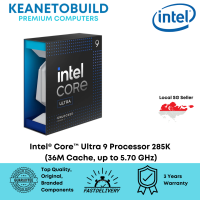
Intel® Core™ Ultra 9 Processor 285K (36M Cache up to 5.70 GHz)
$975.77$1,170.92
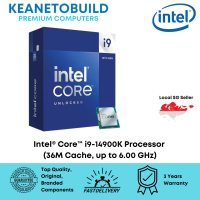
Intel® Core™ i9-14900K Processor (36M Cache up to 6.00 GHz)
$825.35$990.42
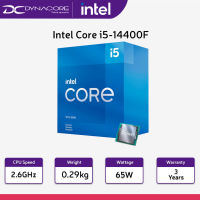
INTEL Core i5 14400F 14th Gen Box / Tray Processor ( 4.7 GHz / 10 Cores / 16 Threads )
$285.00
Buy on Lazada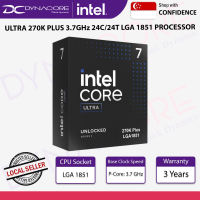
Intel Core Ultra 7 270K Plus Desktop CPU/Processor - 24 Cores 24 Threads 5.5 GHz Turbo 36MB Cache
$539.00
Buy on Lazada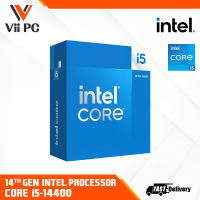
Intel Core i5-14400 / i5-14400F Core i5 14th GEN CPU Processor
$345.00
Buy on Lazada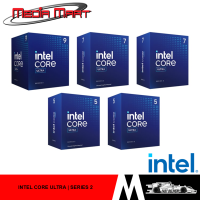
INTEL CORE ULTRA SERIES 2 DESKTOP PROCESSOR (LGA1851) ARROW LAKE-S CORE ULTRA 5 7 9 INTEL 270K PLUS
$1,019.00
Buy on Lazada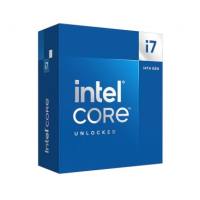
Intel Core i7-14700K CPU PROCESSOR
$579.00
Buy on Lazada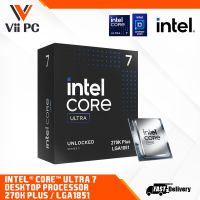
Intel Core Ultra 7 processor 270K Plus 36M Cache up to 5.50 GHz LGA1851 desktop processor
$599.00
Buy on LazadaAbout Intel
Intel Corporation is one of the world’s largest and most influential semiconductor companies, best known for designing and manufacturing microprocessors (CPUs) that power millions of personal computers, servers, and embedded systems. Founded in 1968, Intel has played a central role in shaping the modern computing industry through innovations in semiconductor technology, processor architecture, memory, networking, artificial intelligence, and advanced manufacturing.1
Basic Information
| Attribute | Details |
|---|---|
| Company Name | Intel Corporation |
| Founded | 18 July 1968 |
| Founders | Robert Noyce and Gordon Moore |
| Headquarters | Santa Clara, California, United States |
| Industry | Semiconductor, Computer Hardware |
| Stock Symbol | Nasdaq: INTC |
| Products | CPUs, GPUs, AI Accelerators, Networking Hardware, Chipsets, Memory Technologies, Software Tools |
| Business Type | Public Company |
| Website | intel.com |
History
Intel was founded by semiconductor pioneers Robert Noyce and Gordon Moore, who had previously worked at Fairchild Semiconductor. Shortly after the company’s formation, Andy Grove joined the leadership team, helping build Intel into one of Silicon Valley’s most influential technology companies.1
The company’s original name was NM Electronics, but it was quickly changed to Integrated Electronics Corporation, later shortened to Intel. Initially, Intel focused on semiconductor memory chips. During the early 1970s, it introduced some of the world’s first commercially successful DRAM memory products.
The Birth of the Microprocessor
Intel changed computing history in 1971 by introducing the Intel 4004, recognised as the world’s first commercially available single-chip microprocessor. This invention transformed computing by integrating the central processing unit onto one chip.
The 4004 was followed by several groundbreaking processors:
- Intel 8008
- Intel 8080
- Intel 8086
- Intel 8088
The Intel 8088 later became the processor used in IBM’s original personal computer, helping establish the x86 architecture as the dominant standard for desktop computing.2
Intel Inside Campaign
One of Intel’s most famous marketing achievements was the “Intel Inside” campaign launched in 1991. Instead of marketing only to computer manufacturers, Intel advertised directly to consumers, making its processor brand recognisable worldwide. The campaign became one of the most successful branding efforts in technology history.
Major Product Categories
Desktop Processors
Intel Core processors power millions of PCs worldwide. Popular families include:
- Core i3
- Core i5
- Core i7
- Core i9
- Core Ultra
These processors serve everyone from casual users to gamers and professionals.
Xeon Processors
Intel Xeon processors are designed for:
- Servers
- Data centres
- Enterprise computing
- Scientific computing
- Cloud infrastructure
Major cloud providers have long used Xeon processors extensively.
Graphics Processors
Intel has expanded beyond integrated graphics into discrete GPUs. Product lines include:
- Intel Arc Graphics
- Intel Iris Xe
- Intel UHD Graphics
These target gaming, content creation, and AI workloads.
AI Accelerators
Intel develops specialised processors for artificial intelligence, including:
- Intel Gaudi AI Accelerators
- AI-enabled Xeon CPUs
- AI software platforms
The company is investing heavily in AI hardware and software ecosystems.1
Networking Products
Intel also manufactures:
- Ethernet controllers
- Network interface cards (NICs)
- Smart networking hardware
- Data centre networking solutions
FPGA Solutions
Through its acquisition of Altera (later relaunched as a standalone business), Intel has offered field-programmable gate arrays (FPGAs) used in:
- Telecommunications
- Industrial automation
- Aerospace
- Data centres
Manufacturing
Unlike many semiconductor companies that only design chips, Intel has traditionally both designed and manufactured its own processors. Its fabrication plants (“fabs”) use advanced manufacturing processes measured in nanometres (nm), and Intel is also expanding its contract manufacturing business through Intel Foundry, producing chips for other companies.3
Business Segments
Intel’s operations include:
- Client Computing
- Data Center & AI
- Network & Edge
- Intel Foundry
- Software and Developer Tools
These businesses serve consumer, enterprise, and industrial markets.
Major Innovations
Intel has contributed numerous breakthroughs, including:
- The first commercial microprocessor
- Advances in x86 processor architecture
- Multi-core CPUs
- Hyper-Threading Technology
- Turbo Boost Technology
- Integrated graphics processors
- High-performance server processors
- Semiconductor manufacturing advancements
Global Presence
Intel operates worldwide with research centres, manufacturing facilities, design laboratories, and sales offices. Its technologies are used across personal computing, cloud services, networking, automotive systems, healthcare, telecommunications, and industrial automation.
Research and Development
Intel invests billions of dollars annually in research and development, focusing on areas such as:
- Artificial Intelligence
- Quantum Computing
- Silicon Photonics
- Advanced Packaging
- Semiconductor Manufacturing
- Edge Computing
- Security Technologies
Innovation remains a core part of the company’s strategy.1
Corporate Values
Intel states that its purpose is:
“Create world-changing technology that improves the life of every person on the planet.”
Its published values include:
- Customer First
- Fearless Innovation
- Results Driven
- One Intel
- Inclusion
- Quality
- Integrity1
Challenges
Despite decades of industry leadership, Intel has faced significant challenges in recent years, including:
- Strong competition from AMD in PC and server processors
- Competition from Nvidia in AI hardware
- Manufacturing delays
- Increased competition from contract manufacturers such as TSMC
- The industry’s shift toward mobile and AI computing
In response, Intel has invested heavily in expanding manufacturing capacity, advancing chip technologies, and strengthening its foundry business.4
Legacy
Intel is widely regarded as one of the companies that made personal computing mainstream. Its processors have powered generations of PCs, servers, and workstations, and its innovations have influenced decades of semiconductor development. From the invention of the commercial microprocessor to today’s work in AI and advanced chip manufacturing, Intel continues to play a significant role in the evolution of computing technology.2