Shop on Lazada
Jurlique products
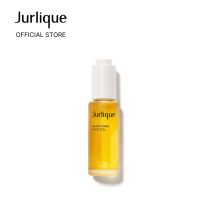
Jurlique Rare Rose Face Oil
$106.92$108.00
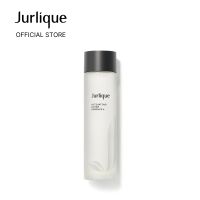
Jurlique Activating Water Essence+
$100.98$102.00
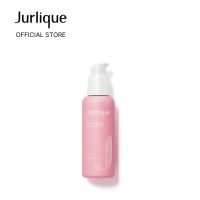
Jurlique Rare Rose Emulsion 50ml
$81.18$82.00
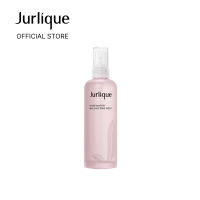
Jurlique Rosewater Balancing Mist
$71.28$72.00
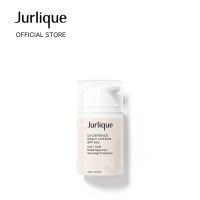
Jurlique UV Defence Daily Lotion SPF 50+ 50ml
$73.26$74.00
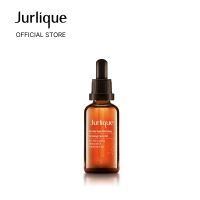
Jurlique Purely Age-Defying Firming Face Oil 50ml
$116.82$118.00
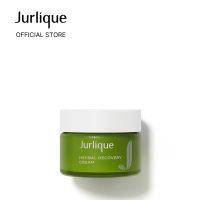
Jurlique Herbal Recovery Cream 50ml
$121.77$123.00
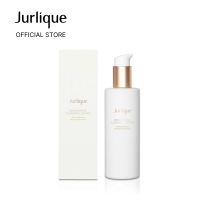
Jurlique Replenishing Cleansing Lotion 200ml
$59.40$60.00
About Jurlique
Jurlique is an Australian prestige skincare brand established in 1985 in South Australia by husband-and-wife team Dr. Jürgen Klein, a biochemist and naturopath, and Ulrike Klein, a botanist and horticulturalist.1 The brand is distinguished by its integration of farm-grown botanicals, biodynamic agriculture, proprietary extraction techniques, and modern skincare science.1 Its identity is intrinsically linked to its own farm in the Adelaide Hills of South Australia, where it has cultivated botanical ingredients since its inception.1 Today, Jurlique operates as part of POLA ORBIS Holdings, the Japanese beauty group that acquired Jurlique International in 2012.
In Singapore, Jurlique maintains a significant retail presence with locations at Wheelock Place on Orchard Road and Isetan Scotts at Shaw House.4 The local assortment includes key products such as the Rosewater Balancing Mist, Rose Hand Cream, Activating Water Essence+, and Radiant Skin Foaming Cleanser.4
Basic information
| Item | Information |
|---|---|
| Brand | Jurlique |
| Founded | 1985 |
| Country of origin | Australia |
| Origin | Adelaide Hills, South Australia |
| Founders | Dr. Jürgen Klein & Ulrike Klein |
| Industry | Prestige beauty / skincare |
| Core category | Natural-based skincare |
| Parent company | POLA ORBIS Holdings |
| Signature concept | “Seed to skin” |
| Key asset | Jurlique Farm in the Adelaide Hills |
| Best-known product | Rosewater Balancing Mist |
| Core philosophy | Connecting people with nature through botanical skincare |
Jurlique describes itself as a pioneer of holistic and conscious beauty, emphasising the entire journey from plant cultivation to the finished skincare product.1
Origins and history
Unlike conventional cosmetics companies that often begin in laboratories, Jurlique’s origins are rooted in agriculture. Founders Jürgen and Ulrike Klein were driven by an interest in the relationship between plants, natural healing, and human wellbeing. Jürgen contributed expertise in biochemistry and naturopathy, while Ulrike specialised in botany and horticulture. Together, they sought to create skincare using plants grown in an exceptionally clean natural environment.2
Relocating from Germany to South Australia in the 1980s, they selected the Adelaide Hills as the site for their project, aiming to cultivate their own plants for natural skincare development. Jurlique was subsequently established in 1985, founded on principles of purity, integrity, and care.1 The name Jurlique is a portmanteau of the founders’ first names: Jurgen + Ulrike.3
Timeline
- 1985: Jurlique is founded in South Australia by Jürgen and Ulrike Klein.1
- 1987: A purpose-built facility opens in Mount Barker for producing herbal skincare and therapeutic oils.1
- 1991: First concept stores open in Adelaide and Melbourne.7
- 1990s: International expansion begins; signature products like Rosewater Balancing Mist and Herbal Recovery Serum gain global recognition.7
- 2000s: Significant expansion into Asian markets and development of a broader international distribution network.
- 2012: POLA ORBIS Holdings completes acquisition of Jurlique International.
- 2010s: Increased emphasis on sustainability, biodiversity, and the farm-to-skin model.
- 2020s: Continued focus on “seed to skin,” biodynamic farming, and botanical science, alongside the refreshment of core franchises.1
The Jurlique Farm and biodynamic agriculture
The Jurlique Farm in the Adelaide Hills is central to the brand’s identity and supply chain. Rather than purchasing generic extracts, Jurlique grows, harvests, and processes its own botanicals. This approach is summarised by the brand’s “seed to skin” philosophy: Seed → cultivation → harvest → extraction → formulation → skin.1
The farm operates according to biodynamic farming principles, treating the land as an interconnected living ecosystem rather than merely a production site.5 This method avoids synthetic pesticides, herbicides, and fertilisers.1 Biodynamic agriculture distinguishes Jurlique from brands that simply claim to use natural ingredients; instead, the brand controls the journey of botanical ingredients from cultivation to the final product. This provides three strategic advantages:
- Ingredient provenance: Specific botanicals are tied to a distinct growing environment.
- Brand storytelling: Nature and agriculture are intrinsic to product identity.
- Botanical control: Cultivation and extraction practices are tailored to selected plants.
Ingredients and extraction technology
Jurlique utilises a wide variety of botanical ingredients, many cultivated on its own farm. Key ingredients include rose, marshmallow root, calendula, lavender, chamomile, aloe vera, holy basil, and various medicinal herbs.
Rose
Rose is arguably Jurlique’s most recognisable botanical, functioning as both a functional skincare ingredient and a sensory signature. The Rosewater Balancing Mist, for example, combines farm-grown rose extract with marshmallow root and aloe vera to provide hydration, softness, and sensory wellbeing.4
Bio-Intrinsic™ extraction
A distinctive aspect of Jurlique’s technology is its Bio-Intrinsic™ extraction method. Designed to capture and intensify the vitality and beneficial properties of botanicals, this process bridges traditional herbalism and modern cosmetic science.4 Unlike brands reliant on synthetic laboratory ingredients, Jurlique’s technological narrative focuses on how natural plant material is cultivated and extracted.
Brand philosophy
Jurlique’s philosophy encompasses several interconnected pillars:
- Nature: The brand aims to reconnect people with nature and cultivate what it terms the “Life Force of Nature.”4
- Purity: Stemming from the founders’ search for a clean growing environment, purity remains a founding concept.
- Holistic beauty: Skincare is presented not just as technical treatment but as a sensory experience involving rituals, wellbeing, touch, and botanical aromas. The company describes this approach as “slow beauty.”2
- Sustainability: Current initiatives cover biodiversity, water conservation, carbon reduction, sustainable sourcing, and circularity.5
Products and franchises
Jurlique is primarily a skincare brand. Its current assortment includes cleansers, toners, facial mists, essences, serums, moisturisers, face oils, masks, eye care, sun protection, hand creams, body lotions, shower products, and aromatherapy items.4
Major product lines
- Rose / Rare Rose: Includes Rosewater Balancing Mist, Rare Rose Serum, Rare Rose Face Oil, Rare Rose Cream, Rose Hand Cream, Rose Body Lotion, and Rose Shower Gel. The Rare Rose concept utilises specially cultivated rose varieties for hydration and skin barrier support.6
- Herbal Recovery: A long-running franchise focused on anti-ageing and skin renewal, combining botanical identity with performance-oriented skincare.
- Nutri-Define: A luxurious, treatment-focused anti-ageing range positioning the brand within the prestige sector.
- Calendula Redness Rescue: Focuses on soothing and addressing redness, featuring calendula as a key ingredient.
- Activating Water Essence+: A contemporary hydration product representing the brand’s evolution toward modern essence-based routines.4
Rosewater Balancing Mist
Often considered the brand’s hero product, the Rosewater Balancing Mist has been part of Jurlique’s heritage for over 25 years.1 Combining rose, hydration, fragrance, ritual, and portability, it exemplifies the brand’s philosophy of skincare as self-care rather than mere utility.
Market positioning and consumer profile
Jurlique occupies the prestige / premium skincare segment. It is neither a mass-market drugstore brand nor a purely clinical dermatological line. Its proposition combines Australian origin, botanicals, farm provenance, sustainability, sensory ritual, and skincare performance. This places it at the intersection of natural beauty, prestige skincare, botanical science, and wellness.
The brand appeals to consumers interested in premium, natural-based beauty, sustainability, and luxurious self-care rituals. These consumers typically value the holistic experience—spanning ingredient, farm, scent, texture, and ritual—over aggressively clinical formulations.
Distinction from “clean beauty”
While Jurlique is a natural-based skincare brand, “natural” does not imply that every product is 100% natural or organic. For instance, the U.S. version of the Rosewater Balancing Mist is described as having 95% natural-origin ingredients under the ISO 16128 framework, alongside preservatives and fragrance components.1 The brand is most accurately described as a prestige, natural-based skincare brand combining farm-grown botanicals with modern cosmetic science.
Corporate ownership and international expansion
Ownership structure
Jurlique was an independent Australian company from its founding in 1985 until February 2012, when Japan’s POLA ORBIS Holdings completed its acquisition of Jurlique International Pty Ltd. Although the brand retains a strong Australian identity, it is now a wholly owned subsidiary of the Japanese group. POLA ORBIS valued Jurlique for its pioneering status in natural skincare and its proprietary farm-based approach, intending to create synergies between Jurlique’s botanical heritage and the group’s R&D capabilities and Asian market access.
Global presence
From its initial concept stores in Adelaide and Melbourne in 1991, Jurlique expanded internationally throughout the 1990s and 2000s, particularly in Asia.7 By the time of its acquisition in 2012, it operated in 22 countries and regions. Today, it has substantial visibility in Australia, Singapore, Hong Kong, Mainland China, Japan, Southeast Asia, the United States, and the United Kingdom.
Sustainability initiatives
Sustainability is organised around the framework Planet · Partners · People · Product. Key reported achievements include:
- Planting 22,600 trees since 2009.
- Sending zero waste to landfill since 2016.
- Recycling 10 tonnes of empty packaging through TerraCycle since 2018.5
Initiatives also encompass biodynamic agriculture, biodiversity, reduced water consumption, carbon reduction, sustainable palm-oil sourcing, responsible packaging, and employee wellbeing. These figures represent company-reported disclosures.
Brand identity and aesthetics
Jurlique’s visual identity features botanical illustrations, earthy colours, Australian landscapes, and apothecary-inspired cues. The aesthetic evokes botanical luxury, the Australian countryside, and wellness ritual, deliberately contrasting with clinical, pharmaceutical-style imagery. This aligns with a brand DNA that flows from Australia → Adelaide Hills → Jurlique Farm → Biodynamic Botanicals → Bio-Intrinsic™ Extraction → Sensory Ritual → Prestige Natural-Based Skincare.
At a deeper level, Jurlique sells a relationship with nature. Concepts of farm, botanicals, purity, and wellbeing are recurring themes, making it closer to a lifestyle-oriented prestige brand than a purely functional manufacturer.
Strengths and challenges
Strengths
- Strong provenance: The Adelaide Hills farm provides a tangible origin story.
- Distinctive heritage: Genuine longevity in natural skincare since 1985.
- Iconic products: Rosewater Balancing Mist and Rose Hand Cream serve as recognisable entry points.
- Sensory differentiation: Botanical scents and rituals distinguish it from clinical competitors.
- Integrated sustainability: Biodynamic farming connects sustainability to the supply chain.
- Global reach: Strong recognition in Asian prestige beauty markets.
Challenges
- Crowded market: “Natural” and “clean” have become ubiquitous beauty terms.
- Premium pricing: Competition from both established prestige brands and sophisticated indie labels.
- Heritage vs. modernity: Balancing traditional botanical image with demand for clinical actives.
- Consumer education: Translating biodynamic and botanical concepts into perceived skin benefits.