Shop on Lazada
Lancôme products
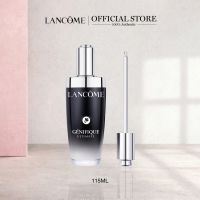
Lancome Genifique Ultimate Serum 115ml
$359.00$360.00
![[10.10 Exclusive: 9 Oct 8PM Onwards] Lancome Genifique Ultimate Serum 50ml](https://sg-live.slatic.net/p/50b58a48cd8d9e9b6da5b862b11d1c24.jpg_200x200q80.jpg)
[10.10 Exclusive: 9 Oct 8PM Onwards] Lancome Genifique Ultimate Serum 50ml
$204.00$205.00
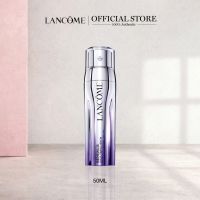
Lancome Renergie H.C.F Triple Serum 50ml - Anti-Aging
$244.00$245.00
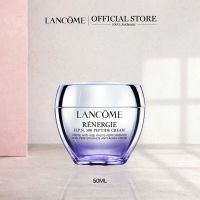
Lancome Renergie H.P.N. 300-Peptide Cream 50ml - high-performance anti-aging inspired by regenerative skin sciences
$160.00
Buy on Lazada![[10.10 Exclusive: 9 Oct 8PM Onwards] Lancome Genifique Ultimate Eye Cream 20ml](https://sg-live.slatic.net/p/2a5a2752bdc1ff079df5b7ee96a52809.jpg_200x200q80.jpg)
[10.10 Exclusive: 9 Oct 8PM Onwards] Lancome Genifique Ultimate Eye Cream 20ml
$120.00
Buy on Lazada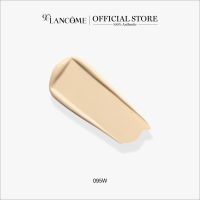
Lancome Teint Idole Ultra Wear Foundation 30ml - A renovated formula suitable for all skin types and skin tones from dry sensitive and acne prone skin.
$87.00
Buy on Lazada![[10.10 Exclusive: 9 Oct 8PM Onwards] Lancome Genifique Light Pearl Eye Serum 20ml](https://sg-live.slatic.net/p/67ee2f6078f26cfb97b613b81c0cb2f9.jpg_200x200q80.jpg)
[10.10 Exclusive: 9 Oct 8PM Onwards] Lancome Genifique Light Pearl Eye Serum 20ml
$145.00
Buy on Lazada![[10.10 Exclusive: 9 Oct 8PM Onwards] Lancome Genifique Lotion Ultimate Serum-in-essence 150ml](https://sg-live.slatic.net/p/58c2e7eb6379a99e4c6adb71bdf6d7cd.jpg_200x200q80.jpg)
[10.10 Exclusive: 9 Oct 8PM Onwards] Lancome Genifique Lotion Ultimate Serum-in-essence 150ml
$110.00
Buy on LazadaAbout Lancôme
Lancôme is a French luxury beauty house specialising in skincare, makeup and fragrances. Established in 1935 by the French perfumer and entrepreneur Armand Petitjean, the brand originated as a fragrance house before evolving into one of the most recognised names in international luxury cosmetics. Lancôme currently operates under the Luxe division of L’Oréal Groupe.1
The brand’s identity is closely linked to French elegance, femininity, scientific skincare research and optimism. Its corporate philosophy centres on the belief that happiness is a powerful source of beauty.2
History
Foundation in 1935
Armand Petitjean founded Lancôme in 1935 with the ambition of creating a French beauty brand with international appeal.3 The company made its global debut at the 1935 Brussels World’s Fair, where Petitjean presented five fragrances: Tropiques, Conquête, Kypre, Tendres Nuits and Bocages. These creations received medals and awards at the exhibition, helping to establish the brand’s reputation from its earliest days.4
The name Lancôme references the Château de Lancosme in the Indre region of France. This association subsequently influenced the brand’s imagery, which became deeply connected to French romanticism and its signature rose motif.5
Early expansion into skincare and makeup
Although Lancôme began as a perfumery, it quickly diversified into skincare. In 1936, the brand introduced Nutrix, an early landmark product developed with scientists using ingredients such as proteins and vitamins. This formulation helped forge a lasting connection between the brand, beauty and scientific research.6
Lancôme also entered the colour cosmetics market during this period. In 1938, it launched Rose de France, a pale pink lipstick that contrasted with the heavily pigmented deep red shades fashionable at the time, signalling a softer aesthetic approach.7 Consequently, the company’s foundational structure of fragrance, skincare and makeup was established remarkably early in its history.
Acquisition by L’Oréal
Lancôme was eventually acquired by L’Oréal, integrating into one of the world’s largest beauty conglomerates. This acquisition provided access to extensive research laboratories, international distribution networks, marketing infrastructure and scientific expertise. Today, Lancôme sits within L’Oréal Luxe, the group’s luxury division.1 This positioning distinguishes it as a prestige beauty brand rather than a mass-market cosmetics label.
Brand identity
Lancôme’s identity combines French luxury, femininity, scientific innovation and optimism. Historically, the brand has presented French beauty as elegant yet approachable, avoiding excessively avant-garde styling. Core pillars include elegance, confidence, sophistication, self-expression and scientific advancement.
Current corporate positioning describes Lancôme as uniting French elegance with scientific excellence, whilst pursuing inclusive innovation and sustainable luxury practices.8
The rose symbol
The rose is among the most recognisable elements of Lancôme’s visual identity, appearing across packaging, advertising, fragrance imagery, skincare collections and brand storytelling. Beyond decoration, the flower is integral to the brand’s heritage and botanical research, particularly through the Domaine de la Rose, where it informs both fragrance and skincare development.5
Product categories
Lancôme’s modern business comprises three primary categories.
Skincare
Skincare represents a cornerstone of the brand, with a focus on premium anti-aging and skin-quality solutions. Major families include Génifique, Rénergie, Absolue, Nutrix, Visionnaire, Hydra Zen and Lancôme Longevity MD products. The portfolio encompasses cleansers, toners, serums, moisturisers, eye treatments, night creams and sun care.10
Makeup
The colour cosmetics range includes foundation, concealer, powder, blush, eyeshadow, eyeliner, mascara, lipstick and lip gloss. Key franchises are Teint Idole, L’Absolu Rouge, Hypnôse, Lash Idôle, Monsieur Big and Grandiôse. The brand typically pairs luxury packaging with formulations designed for polished, wearable results.7
Fragrance
Perfumery remains central to Lancôme’s heritage, reflecting its origins in 1935. Best-known families include La Vie Est Belle, Trésor, Idôle, Miracle, Poême, Hypnôse and Ô de Lancôme.17
Iconic products
Advanced Génifique
Advanced Génifique is one of Lancôme’s most recognisable modern skincare products. Positioned as a serum targeting skin quality and youthfulness, its development emphasises microbiome science, making it a defining product in the contemporary skincare range.9
La Vie Est Belle
La Vie Est Belle (“life is beautiful”) is arguably the brand’s most globally recognisable contemporary fragrance. Closely associated with happiness, optimism and femininity, the collection now includes multiple variations and extensions.10
Trésor
Trésor (“treasure”) is a historically significant fragrance that became synonymous with elegant, romantic femininity and remains a signature scent within the portfolio.
Teint Idole
Teint Idole is the brand’s major complexion franchise. The Teint Idole Ultra Wear foundation range is particularly important, positioned as a long-wearing formula available in an extensive shade selection.7
L’Absolu Rouge
L’Absolu Rouge represents Lancôme’s heritage in lip colour, combining sophisticated packaging with diverse shades and finishes. The current line includes refillable versions, aligning with sustainability initiatives.11
Hypnôse
Hypnôse is strongly associated with eye makeup, particularly mascara, and helped establish Lancôme as a leading premium mascara brand.
Scientific research
Lancôme differentiates itself from purely fashion-oriented luxury houses through its emphasis on cosmetic science. L’Oréal describes the brand as combining scientific expertise with an understanding of women’s beauty needs.12 Corporate materials highlight a research infrastructure comprising five laboratories, sixteen evaluation centres, thousands of researchers and numerous patents linked to its history.13 Figures cited on heritage pages represent aggregate group data across researchers, patents, laboratories, evaluation centres and Nobel Prizes, rather than Lancôme-specific counts alone.
A prominent modern application of this research is Génifique, which incorporates microbiome science into skincare development.14
Approach to luxury
Lancôme employs a prestige beauty model rather than an ultra-exclusive fashion positioning. Its strategy follows a trajectory from luxury image and scientific credibility to a broad product portfolio and global accessibility. Consumers may enter the brand through accessible items like mascara or lipstick before progressing to higher-priced skincare or fragrances, exemplifying a luxury beauty house distinct from a traditional fashion brand.
Global presence
Lancôme maintains distribution across major global beauty markets, operating in approximately 130 countries with a substantial network of beauty advisers and points of sale.1 Dedicated markets and e-commerce operations span Europe, North America, Asia, the Middle East, Latin America and other regions. Products are retailed through Lancôme boutiques, department stores, specialist beauty retailers and official online channels.2021
Brand ambassadors
Celebrity ambassadors have been instrumental in Lancôme’s marketing strategy. Prominent figures have included Julia Roberts, Kate Winslet, Penélope Cruz, Lupita Nyong’o, Lily Collins and Taylor Hill.15 These personalities project an image of international, sophisticated and aspirational femininity. The brand frequently presents ambassadors not merely as fashion models but as charismatic women embodying diverse expressions of beauty and confidence.
French beauty identity
Lancôme’s “Frenchness” extends beyond manufacturing or naming conventions; it leverages cultural associations—Paris, perfumery, roses, refinement, craftsmanship and romanticism—as part of its luxury language. This constructs a commercialised iteration of French beauty culture, transforming national identity into a globally recognisable luxury aesthetic.18
Target customer
Traditionally, Lancôme has appealed to adult women seeking premium skincare, fragrance and makeup who value efficacy, elegant packaging and expert service. More recently, the brand has broadened its appeal across generations, ages, skin types and expressions of beauty, reflected in communications emphasising inclusivity and a wider definition of the “Lancôme woman”.18
Sustainability and refillable products
Sustainability is increasingly integrated into Lancôme’s luxury proposition, notably through refillable formats in fragrance, skincare and makeup lines. The official website highlights “Refillable Essentials” as part of efforts to balance premium experiences with environmental consideration.16 This reflects a broader industry trend of maintaining luxurious packaging whilst reducing repurchase waste.
Lancôme today
As of 2026, Lancôme remains a pillar of L’Oréal’s luxury portfolio. Its current offerings centre on Génifique, Rénergie and Absolue in skincare; Teint Idole, L’Absolu Rouge, Hypnôse and Lash Idôle in makeup; and La Vie Est Belle, Idôle and Trésor in fragrance. The brand continues to invest in the intersection of luxury beauty, biotechnology, personalised experiences, microbiome science and longevity-focused skincare.1719
Positioning summary
| Dimension | Lancôme’s positioning |
|---|---|
| Origin | French |
| Business type | Luxury beauty house |
| Parent | L’Oréal |
| Core categories | Skincare, makeup, fragrance |
| Historical starting point | Perfume |
| Key aesthetic | Elegant, feminine, sophisticated |
| Major symbol | Rose |
| Scientific emphasis | Very strong |
| Luxury level | Prestige / accessible luxury |
| Major strength | Combination of heritage, science and global marketing |
| Best-known modern fragrance | La Vie Est Belle |
| Best-known skincare franchise | Génifique |
| Best-known complexion franchise | Teint Idole |
| Best-known lipstick franchise | L’Absolu Rouge |
Overview
Lancôme is a French luxury cosmetics and fragrance house founded in 1935 by Armand Petitjean. Beginning as a perfume company, it rapidly expanded into skincare and makeup before joining L’Oréal’s luxury division. Over nine decades, the brand has built its identity around French elegance, sophisticated femininity, scientific research and optimism. Its best-known franchises include La Vie Est Belle, Trésor, Génifique, Rénergie, Absolue, Teint Idole, L’Absolu Rouge and Hypnôse. Today, it operates as a major global prestige beauty brand, combining traditional French luxury with modern cosmetic science, personalisation and sustainability initiatives.18
References
- Lancôme
- L’Oréal Group Visionaries: Armand Petitjean, Perfumeur, Entrepreneur, Founder of Lancôme
- Lancôme | Luxury Cosmetics, Perfume & Skincare from France
- ヒストリー|ランコムについて|ランコム(LANCÔME)公式オンラインショップ
- Lancôme – Luxury Makeup, Fragrances and Skincare
- Skincare Products and Facial Care – Lancôme
- Best Sellers and Trending Makeup, Skincare, & Perfume – Lancôme
- Lancôme | Make Up, Fragrance, Beauty Tips & Skin Care
- 90 Years of Lancôme – The Happiest Journey of Beauty – Lancôme
- Collections – Skincare – Lancôme
- Skincare Products For Anti-Aging, Brightening & Dark Spots | Lancôme
- Absolue Heritage | Luxurious Skincare Collection | Lancôme
- Lancôme | Make Up, Fragrance, Beauty Tips & Skin Care
- Lancôme | Make Up, Fragrance, Beauty Tips & Skin Care
- Lancôme
- Luxury Cosmetics, Skincare, Makeup & Fragrance | Lancôme
- The Secret of the Perfumer
- אודות לנקום – המורשת והערכים של מותג היופי הצרפתי | LANCÔME
- 90 ans de Lancôme | Célébrez l’Anniversaire de la Beauté
- Lancôme | Make Up, Fragrance, Beauty Tips & Skin Care
- Travel and History of Lancôme – Lancôme