Shop on Lazada
MEATIN products

MEATIN | Postpartum Incontinence Protection Underwear
$21.03$34.82

MEATIN | Graphene Antibacterial Breathable Mid-Waist Panties 100% Cotton
$18.29$42.84
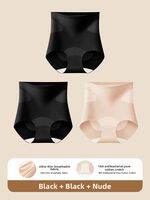
MEATIN | Postnatal Waist Toner Invisible High Waist Underwear
$21.02$34.85

MEATIN | Leak-Proof Safe Menstrual Panties
$18.81$23.41

MEATIN | Leakproof Anti-Bacterial Menstrual Underwear
$20.90$39.35

MEATIN | Antibacterial Breathable Cotton High-Waist Slimming Ladies Briefs
$23.94$43.57

MEATIN | Postpartum Leakage Prevention Underwear Built-in Pad
$21.33$30.52

MEATIN | Antibacterial High Waist Cotton Silky Panties
$9.83$13.02
About MEATIN
MEATIN is an Italian restaurant brand based in Vomero, Naples, that specialises in contemporary meat-focused cuisine. The establishment distinguishes itself through a culinary philosophy that treats meat as a complex ingredient requiring professional cooking techniques, rather than merely grilling it over high heat. Its identity integrates traditional Italian gastronomy with live-fire methods, including charcoal barbecuing, smoking, and slow cooking, alongside seasonal produce and carefully sourced cuts 1.
Note: The name “MEATIN” is also used by unrelated entities, such as Meatin Farms & Foods in Kerala, India. This article refers exclusively to the Naples-based restaurant brand operated by Meatin’ S.r.l. 2
Overview
| Field | Information |
|---|---|
| Brand | MEATIN / Meatin’ |
| Industry | Restaurants / Food & Beverage |
| Concept | Contemporary Italian restaurant focused on meat cuisine |
| Location | Via Timavo 25–27, corner of Corso Europa, 80126 Naples, Italy |
| District | Vomero |
| Established | 2014 |
| Original Name | Meatin’ Cuoco e Carbone |
| Specialty | Italian meat cuisine, barbecue, charcoal cooking, smoking |
| Company | Meatin’ S.r.l. |
| Website | meatin.it |
| Capacity | Approximately 55 seats |
| Cuisine | Italian, Mediterranean, steakhouse, barbecue, contemporary |
The operating company is identified as Meatin’ S.r.l., with registered details including €10,000 paid-in capital and REA NA-899502 3.
History
Foundation
MEATIN was established in Naples in 2014 under the original name “Meatin’ Cuoco e Carbone” (Cook and Charcoal). Early reports described the venue as a novel dining concept that applied American-style charcoal barbecue techniques to Italian culinary traditions 4.
The founding project was developed by Angelo Aruta, Luca Nappi, and Giovanni Stanzione, with food consultant Maurizio Cortese. Chef Peppe Guida, known for his Michelin-starred Osteria Nonna Rosa in Vico Equense, was also involved in the initial culinary development 4.
The original restaurant featured approximately 50 seats, solid-wood tables, an open kitchen, and dedicated charcoal barbecue equipment. Unlike conventional steakhouses, the concept emphasised treating meat as a culinary ingredient requiring specific professional preparation rather than simply placing a steak over a grill 19.
Early identity: “Cuoco e Carbone”
The phrase “Cuoco e Carbone” was central to the brand’s early positioning:
- Cuoco signified the chef, technical skill, and culinary preparation.
- Carbone represented charcoal, fire, and barbecue.
- Together, they articulated MEATIN’s objective of combining high-level Italian cooking with live-fire methods 5.
This distinction positioned the restaurant not merely as a venue for grilled meat, but as a destination where meat served as the focal point of a comprehensive gastronomic experience.
Recognition and development
MEATIN received critical recognition early in its operation. In 2015, it was included in the Gambero Rosso restaurant guide during its first year of business, reportedly being one of only 16 Naples restaurants featured in that edition. The guide characterised the restaurant as filling a gap in the city’s dining landscape 5.
During this period, the restaurant highlighted beef from Irpinian animals raised using traditional methods, including feed known as “’O Schiacciato.” The philosophy asserted that distinct farming and feeding practices imparted unique characteristics to individual cuts 20.
By 2017, Italian food media described MEATIN as an established gastronomic destination in Vomero. The concept had evolved beyond the perception of a standard steakhouse, placing greater emphasis on composed dishes and culinary technique 15. In 2019, the restaurant reported receiving the “La Buona Cucina” recognition from the Touring Club Italiano 2.
Culinary philosophy
MEATIN’s contemporary philosophy rests on three core concepts.
Meat as cuisine
The restaurant explicitly differentiates between cooking meat and simply grilling it. Its stated objective is to elevate meat-based dishes through diverse cooking methods and combinations with seasonal ingredients 6. Consequently, the menu extends beyond steaks to include starters, tartare, raw preparations, pasta, risotto, braised meats, Wellington-style dishes, barbecue, smoked meats, and desserts. This breadth distinguishes MEATIN from conventional steakhouses 8.
Fire and cooking technique
Fire is fundamental to the brand’s identity. Techniques employed include traditional grilling, charcoal and live-fire cooking, smoking, sous-vide, braising, and slow cooking. Cooking processes are selected according to the specific cut of meat rather than applying a universal method 9. The menu features a dedicated “La Brace di Filiera” section centred on selected breeds, controlled ageing, and live-fire preparation 10.
Seasonality
The menu changes approximately every three months to align with seasonal ingredients and appropriate meat types. Vegetables, fruit, herbs, cheese, and other components are used to construct complete dishes around the protein, reinforcing the view that meat is part of a broader culinary composition rather than an isolated product 10.
Meat selection
Meat forms the core of MEATIN’s identity. The menu features notable Italian breeds and preparations, including Fassona, Chianina, Marchigiana, Scottona, Italian beef cuts, Picanha, St. Louis ribs, pork, and selected rare cuts. Specific offerings include Marchigiana IGP Scottona rib steak with a minimum stated ageing period of 45 days, alongside Chianina and Fassona preparations 11.
An “Edizioni Limitate” section is dedicated to rare cuts available in limited quantities, such as Chianina IGP Fiorentina and Fassona Porterhouse 12.
Signature cooking styles
A key differentiator for MEATIN is the fusion of Italian meat culture with American-influenced barbecue techniques.
Charcoal
Charcoal barbecue served as the central cooking method in the original concept, utilising Weber equipment and pure wood charcoal without additives 19.
Smoking
Smoking has become a significant component of the modern menu. The “Affumicati – L’Anima Lenta del Fuoco” section presents smoked meat as the “slow soul of fire” 14. Examples include Hickory Steak, a beef strip smoked over walnut wood, and Ricky Ribs, St. Louis-style ribs subjected to approximately 27 hours of marinating, smoking, and slow cooking 14.
Menu structure
The menu is structured similarly to a contemporary restaurant rather than a traditional grill house.
Starters
Offerings include tartare, beef carpaccio or battuto-style preparations, grilled vegetables, provola and pancetta, stuffed onion, and reinterpretations of Italian classics. A signature dish is the “Vaso di Pandora,” a grilled or ash-cooked onion filled with sausage and podolic caciocavallo fondue 13.
First courses
Pasta and risotto are integrated into the meat-centred concept. Examples include Spaghettone alla Nerano and risotto inspired by Milanese cooking featuring ’nduja and Provolone del Monaco 14.
Cooked meat
This section demonstrates the philosophy of treating meat as a haute-cuisine ingredient, featuring dishes such as Chateaubriand, braised beef cheek, Beef Wellington, and other composed preparations 14.
The grill
The “Brace di Filiera” category focuses on premium breeds, ageing, and live-fire cooking 10.
Smoked meats
The smoking section includes steaks, ribs, and pork preparations that emphasise long cooking times and wood-smoke flavour 14.
Desserts
Despite the focus on savoury meat dishes, MEATIN maintains a dessert programme featuring tiramisù, cheesecake, chocolate desserts, and seasonal creations 13.
Brand identity
MEATIN’s branding is built upon the intersection of meat and culinary craftsmanship. The earlier identity, “Meatin’ Cuoco e Carbone,” communicated the dual pillars of professional cooking and fire 19. Later communications shifted towards a more sophisticated gastronomic identity; in 2017, the restaurant introduced the concept “Incontri di Terra,” emphasising its relationship with terrestrial ingredients rather than relying exclusively on steakhouse terminology 15.
A subsequent brand refresh was executed by the Italian creative agency Ribrain, which managed strategy, identity, photography, social content, and web design. The project aimed to reposition the restaurant to elevate its perceived value and create a coherent visual and communications identity 7.
Restaurant environment
The physical space is designed to make cooking visible. An open kitchen allows diners to observe the culinary process, featuring multiple barbecue stations each equipped with independent extraction hoods 2. The venue is described as modern, bright, and comfortable, with large windows and a capacity of approximately 55 guests 16. This transparency supports the brand philosophy that meat preparation is an integral part of the dining experience.
Location and operations
MEATIN is located at Via Timavo 25–27, corner of Corso Europa, 80126 Naples, Italy, in the Vomero district 17.
The official website lists the following opening schedule:
- Tuesday–Friday: 19:00–00:00
- Saturday: 12:00–16:00 and 19:00–00:00
- Sunday: 12:00–16:00 and 19:00–00:00
- Monday: Closed
As hours may change, the official website remains the primary source for current operational information 21.
Reputation
MEATIN has established a reputation as a specialist meat destination in Naples. Tripadvisor lists the venue within the Italian, steakhouse, Mediterranean, and barbecue categories, reporting a 4.6/5 rating from over 1,100 reviews and a Travellers’ Choice designation 8. Historically, the restaurant states it was the first venue in the Vomero area to be featured by major Italian gastronomic guides, beginning with its inclusion in 2015 18.
Delivery and gift experiences
Beyond traditional dine-in service, MEATIN offers takeaway, delivery, gift cards, and restaurant experience vouchers 10. Gift experiences allow customers to purchase curated meals combining starters, pasta, premium cuts, desserts, and wine, including shared steak options 10.
The brand also developed Yummeat, a delivery concept created alongside the MEATIN rebranding. Ribrain managed the naming, tagline, logo, packaging, and communication for this project 7.
Business and positioning
MEATIN occupies a distinct position between several restaurant categories: traditional Italian restaurant, contemporary meat restaurant, steakhouse/grill, and American-style barbecue. It does not fully belong to any single category. Its differentiation arises from combining Italian ingredients, culinary traditions, and premium local meat with techniques associated with barbecue culture, particularly charcoal, smoking, and slow cooking. Contemporary descriptions emphasise that it is not simply a steakhouse 19.
The core proposition can be summarised as: premium meat combined with Italian culinary technique, fire, experimentation, and seasonality.
Distinctive characteristics
- Meat as a culinary ingredient: The restaurant builds composed dishes around meat rather than solely selling steaks.
- Fire as brand identity: Charcoal, grilling, smoking, and slow cooking are central to the restaurant’s character, not merely functional methods.
- Italian identity: Despite barbecue influences, ingredients, dishes, wine selection, and philosophy remain strongly Italian.
- Premium breeds and traceability: Significant emphasis is placed on breed, provenance, ageing, and cut characteristics 11.
- Seasonal evolution: The menu adapts to seasons rather than remaining static 10.
- Experience-oriented branding: The open kitchen, visible fire, curated wine list, gift experiences, and visual identity position MEATIN as a gastronomic experience 7.
Timeline
- 2014: MEATIN opens in Naples as Meatin’ Cuoco e Carbone, introducing a concept combining Italian cuisine with American-style charcoal barbecue 19.
- 2015: The restaurant is included in the Gambero Rosso guide during its first year of operation 5.
- 2017: MEATIN evolves its identity beyond the conventional steakhouse, promoting the “Incontri di Terra” concept and emphasising composed meat dishes and seasonal cuisine 15.
- 2019: The restaurant receives the Touring Club Italiano’s “La Buona Cucina” recognition 2.
- 2020s: MEATIN expands its communication, digital presence, delivery offering, and gift experiences, further developing its visual identity with Ribrain 7.
- 2025–2026: The restaurant continues operating in Vomero with dine-in, takeaway, delivery, and gift experiences, maintaining its focus on premium meat, live-fire cooking, and contemporary Italian cuisine 22.
References
- Meatin
- Meatin | Touring Club Italiano
- MEATIN FARMS AND FOODS – MEATIN FARMS AND FOODS-Eat Lively
- NASCE A NAPOLI MEATIN’ CUOCO E CARBONE – Tasting!
- Uno straordinario risultato – Meatin
- Menu – Meatin
- Branding e Social Content per Meatin – Ribrain
- MEATIN, Naples – 2026 Reviews & Information
- MEATIN, Napoli – Vomero – Ristorante Recensioni, Numero di Telefono & Foto – Tripadvisor
- Gift card – Meatin
- Top 20 restaurants in Naples, july 2026 – Restaurant Guru
- Meatin – Ristorante contemporaneo di terra, Napoli – Menu del ristorante, prezzi e recensioni
- Casertano e Nero di Calabria – Meatin
- Formaggio e Birra Artigianale – Meatin
- Meatin, “re” della carne d’autore al Vomero
- Hai mai mangiato lo zebù? – Meatin
- Meatin’ Cuoco e Carbone, nel Vomero specialità di carne e voglia di incontro
- Da Meatin’ nel quartiere Vomero vasta scelta di carni a km zero – Italia a Tavola
- Nasce MEATIN’, non chiamatela steakhouse
- Napoli, Meatin al Vomero: essenziale semplicità e buone materie prime – Luciano Pignataro Wine Blog
- Prenota un tavolo – Meatin
- MEATIN, Napoli – Vomero – Ristorante Recensioni, Numero di Telefono & Foto – Tripadvisor