Shop on Lazada
MyProtein products
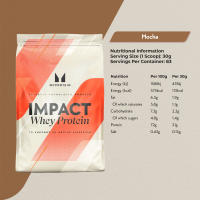
MyProtein Impact Whey Protein 2.5kg
$191.80$274.00
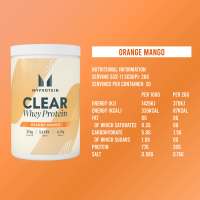
MyProtein Clear Whey Protein 500g
$96.00$160.00
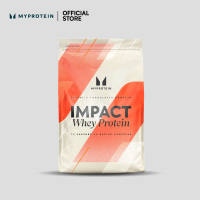
MyProtein Impact Whey Protein 1kg
$95.40$159.00
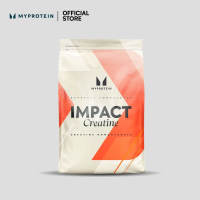
MyProtein Impact Creatine Monohydrate - 250g/500g/1kg
$102.00$127.50
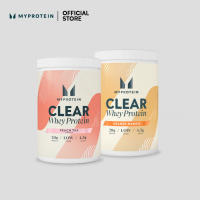
(Bundle of 2) MyProtein Clear Whey Protein (500g - 20 Servings)
$192.00$320.00
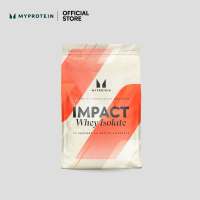
MyProtein Impact Whey Isolate 2.5kg
$291.55$343.00
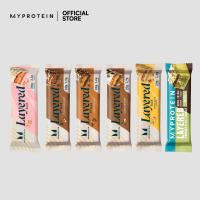
MyProtein Layered Protein Bar 6s/12s Low Sugar
$59.20$74.00
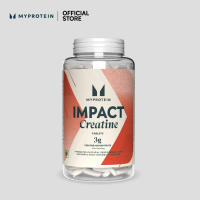
MyProtein Creatine Monohydrate Tablets / Pills 250s
$79.17$121.80
About MyProtein
MyProtein is a British sports nutrition and active lifestyle brand best known for its protein powders, sports supplements, high-protein foods and performance clothing. Founded in 2004 in the United Kingdom by entrepreneur Oliver Cookson, the company began as an online sports nutrition business and has grown into a global brand operating in more than 70 countries. It is now the flagship brand of THG Nutrition, part of the British consumer brands group THG plc. 12
Quick facts
| Category | Information |
|---|---|
| Brand | MyProtein |
| Founded | 2004 |
| Founder | Oliver Cookson |
| Origin | United Kingdom |
| Headquarters / base | Manchester, UK |
| Parent company | THG plc / THG Nutrition |
| Industry | Sports nutrition, health & wellness, activewear |
| Core products | Protein powders, protein foods, supplements, vitamins, sports nutrition |
| Other products | Sportswear, activewear, snacks and functional nutrition |
| Geographic reach | 70+ countries |
| Business model | Primarily direct-to-consumer/e-commerce, increasingly omnichannel |
| Major positioning | Accessible, broad-range sports nutrition and active lifestyle |
| Notable product | Impact Whey Protein |
| Major sub-brands/families | Myvitamins, Myvegan, MP / MP Activewear, MyPRO |
MyProtein describes itself as a leading sports nutrition company offering protein powders, vitamins and minerals, high-protein foods, snack alternatives and performance clothing. 1
History
2004: Founding
MyProtein was founded in 2004 by Oliver Cookson. The original concept was relatively simple: provide sports nutrition products through the internet and make them accessible to a much broader customer base.
According to the company’s own history, the business started from a very modest operation and eventually developed into an international sports nutrition company. THG’s historical account identifies Cookson as the founder and notes that MyProtein operated across several European markets before its acquisition. 2
Cookson’s background in weight training and web development was important to the company’s early identity. Rather than starting as a traditional supplement store chain, MyProtein was built around online retail and direct distribution. 3
2011: Acquisition by The Hut Group
A major turning point came in 2011, when The Hut Group (THG) acquired MyProtein. 4
The acquisition gave MyProtein access to THG’s e-commerce technology, customer base and international infrastructure. At the time, MyProtein was already described as a leading UK online sports nutrition retailer. 4
This relationship eventually became one of the most important aspects of the brand’s development.
2010s: International expansion
Following the acquisition, MyProtein expanded aggressively outside the UK.
THG used its e-commerce infrastructure to establish MyProtein websites and distribution capabilities across Europe, North America and Asia. The brand evolved from a UK-focused online supplement company into a global sports nutrition business.
By 2016, MyProtein stated it had become the world’s leading online sports nutrition brand. 2
2018 onward: Expansion beyond bodybuilding
Another important strategic change was the move beyond the traditional “hardcore gym” customer.
THG developed a broader family of brands and product categories around MyProtein, including:
- MyProtein — sports nutrition
- Myvitamins — vitamins, minerals and supplements
- Myvegan — plant-based nutrition
- MP / MP Activewear — sportswear and activewear
- MyPRO — more premium/performance-oriented products
THG’s corporate materials describe this strategy as an effort to expand the customer base from the specialist gym-goer toward a broader healthy and active lifestyle audience.
Product portfolio
MyProtein’s product portfolio is considerably broader than its name suggests.
Protein
Protein remains the heart of the brand. Major categories include:
- Whey protein
- Whey protein isolate
- Clear whey
- Casein
- Plant-based protein
- Protein blends
- Ready-to-drink protein products
- Protein bars
- Protein snacks
- Protein foods
One of the brand’s best-known products is Impact Whey Protein, which has become closely associated with the MyProtein name.
The Singapore website currently lists products including Impact Whey Protein, Clear Whey Protein and Impact Whey Isolate. 1
Sports supplements
MyProtein also sells a large selection of supplements intended for different aspects of training and nutrition, including:
- Creatine
- Amino acids
- Pre-workout products
- Electrolytes
- Vitamins and minerals
- Omega products
- Recovery-oriented products
- Functional nutrition
- Performance supplements
This allows the brand to sell more than simply protein powder; a customer can theoretically obtain much of their sports nutrition routine from one ecosystem.
High-protein foods and snacks
The company has increasingly moved into everyday food. Examples include:
- Protein bars
- Protein cookies
- Protein snacks
- Protein drinks
- High-protein breakfast products
- Meal-related products
- Low-sugar / lower-calorie alternatives
This reflects the company’s broader strategy of moving from sports supplementation toward everyday active nutrition.
Vegan and plant-based nutrition
MyProtein has also developed a significant plant-based range.
The company’s official materials specifically mention vegetarian, vegan, dairy-free and gluten-free options, while Myvegan was developed as the dedicated plant-based component of the brand family. 12
Clothing
MyProtein also operates in activewear.
The MP clothing range includes:
- T-shirts
- Shorts
- Leggings
- Sports bras
- Training tops
- Jackets
- Accessories
- Gym bags
This helps MyProtein compete not only with supplement brands but also with broader fitness and lifestyle brands.
Brand positioning
MyProtein’s positioning is somewhat different from traditional bodybuilding supplement companies.
Its central proposition can be summarized as:
Sports nutrition made accessible to a broad population of active people.
Historically, protein supplements were strongly associated with bodybuilders and serious weightlifters. MyProtein helped popularize a different model: online, accessible, relatively broad-market sports nutrition.
The company emphasizes:
- Value
- Product variety
- Convenience
- Online purchasing
- Fitness performance
- Healthy lifestyle
- Product innovation
- Accessibility
Its stated goal is to make sports nutrition available to people regardless of their particular fitness objective. 12
Consequently, a MyProtein customer does not necessarily have to be a bodybuilder. The potential customer spectrum includes:
Gym beginner → recreational exerciser → runner → athlete → bodybuilder → person simply trying to increase daily protein intake.
That broad positioning has been central to the brand’s growth.
Business model
One of MyProtein’s biggest competitive advantages historically has been its digital-first direct-to-consumer model.
Instead of relying primarily on physical supplement stores, MyProtein built its business around its own websites and online distribution.
This provides several advantages:
Direct customer relationship
The brand can sell directly to customers rather than relying entirely on third-party retailers.
Large product catalogue
An online store can carry hundreds or thousands of product variations without the physical space limitations of a conventional shop.
Global scalability
Once the e-commerce and fulfilment infrastructure is established, the same brand can be localized for different countries.
Promotional flexibility
MyProtein has become particularly recognizable for frequent online promotions, discounts, bundles and large-scale campaigns.
Data-driven marketing
The digital model allows the company to use customer behaviour and purchasing data to develop products and marketing campaigns.
THG describes MyProtein’s current model as increasingly omnichannel, combining its established direct-to-consumer business with retail, gyms and other offline partnerships.
Relationship with THG
Today, it is important to understand MyProtein as part of the THG Nutrition business.
THG — originally known as The Hut Group — is a British global retailer and brand owner headquartered in Manchester.
Its two major consumer businesses are:
- THG Beauty
- THG Nutrition
MyProtein is the leading brand within THG Nutrition.
THG describes MyProtein as the world’s largest online sports nutrition brand and uses it as the core of its global nutrition business.
This relationship is important because MyProtein’s growth is not simply the result of selling more protein powder. It has benefited from THG’s:
- E-commerce technology
- International infrastructure
- Warehousing
- Manufacturing
- Digital marketing
- Customer data
- Logistics
- Brand-building capabilities
Manufacturing and quality control
MyProtein has emphasized vertical integration as part of its business strategy.
Rather than depending entirely on third-party manufacturers, the company states it operates its own production facilities and has invested in manufacturing, product development and testing. 12
MyProtein says its quality control system includes:
- In-house production
- Product formulation
- Ingredient testing
- Specialist testing equipment
- Independent testing
- Food safety standards
- Sports nutrition testing
The company’s Singapore site states that its production facilities use technologies including near-infrared scanning and X-ray equipment, and that its facilities have received British Retail Consortium food safety certification. It also says products are tested by independent partner ALS and that its Informed-Sport range is developed with LGC Sport Science. 1
This is particularly important for sports supplements because consumers may be concerned about:
- Ingredient purity
- Contamination
- Accurate nutritional labelling
- Banned substances
- Product consistency
For competitive and elite athletes, the Informed-Sport programme is particularly relevant because it is designed to reduce the risk of prohibited substances appearing in tested products. 1
Marketing strategy
MyProtein has built a highly recognizable digital marketing ecosystem.
Influencers
Influencer marketing is a major component.
Rather than relying solely on traditional advertising, MyProtein has historically worked with:
- Fitness influencers
- Athletes
- Bodybuilders
- Personal trainers
- YouTubers
- Social media creators
- Fitness communities
This is particularly effective because sports nutrition is a category where consumers often seek recommendations from people whose training they follow.
Athlete partnerships
The company also uses professional and high-profile athletes to establish credibility.
Its marketing strategy therefore combines performance credibility with mass-market social media marketing.
Content marketing
MyProtein also produces:
- Workout content
- Recipes
- Nutrition information
- Training advice
- Product education
- Fitness articles
The company describes its community strategy as providing nutritional information, recipes and workouts through its digital channels. 1
Brand identity
MyProtein’s identity has traditionally been strongly connected to fitness culture.
Its visual and communication style tends to emphasize:
- Energy
- Training
- Performance
- Progress
- Ambition
- Self-improvement
- Accessibility
The brand’s name itself is highly functional:
My + Protein
rather than being an abstract luxury-style brand name.
This makes the product category immediately understandable.
Over time, however, the identity has expanded from:
“protein for gym users”
toward:
“nutrition and products for an active lifestyle.”
That change is strategically important to the company.
Major product categories
A simplified brand architecture looks like this:
MYPROTEIN
→ Protein
- Whey
- Whey isolate
- Clear whey
- Casein
- Plant protein
→ Performance
- Creatine
- Pre-workout
- Amino acids
- Recovery products
- Electrolytes
→ Health & Wellness
- Vitamins
- Minerals
- Functional supplements
→ Food
- Protein bars
- Snacks
- High-protein foods
- Drinks
→ Plant-based
- Vegan protein
- Plant-based foods
- Myvegan
→ Clothing
- MP Activewear
- Training apparel
- Accessories
This breadth is one of the main differences between MyProtein and a narrowly focused protein powder company.
Global presence
MyProtein began as a British company but is now a global brand.
Its official materials state that it operates in 70+ countries, with localized websites and international distribution. 1
Its international strategy has included major markets such as:
- United Kingdom
- Europe
- United States
- Canada
- Australia
- China
- Singapore
- Other Asian markets
The company has also invested in regional fulfilment and manufacturing infrastructure.
For example, THG’s historical reporting describes the opening of warehouses in Singapore and India to improve service to Asian customers.
MyProtein in Singapore
MyProtein has an established Singapore operation and localized e-commerce site.
The Singapore catalogue includes products such as:
- Impact Whey Protein
- Clear Whey
- Impact Whey Isolate
- Creatine
- Vitamins and minerals
- Protein foods
- Protein + collagen products
- MP activewear
The Singapore site also provides prices in Singapore dollars, demonstrating the localization of the brand for the market. 1
Sustainability and social positioning
MyProtein has increasingly incorporated sustainability into its corporate messaging.
The company says it has pursued measures including:
- Recycled and biodegradable materials
- Waste reduction
- Recycling initiatives
- Reduced plastic consumption
- Plant-based products
- Animal-free product options
MyProtein also says it operates a zero-to-landfill policy for its waste and has taken measures to reduce single-use plastic consumption at its sites. 1
It is worth distinguishing these company-stated sustainability commitments from independently verified environmental performance; the former should not automatically be interpreted as proof that the company has a lower environmental footprint than competitors.
Key competitive advantages
MyProtein’s success can largely be explained by several interconnected advantages.
Strong brand recognition
The brand has become one of the best-known names in online sports nutrition.
Huge product range
A customer can buy protein, creatine, vitamins, snacks and clothing from the same ecosystem.
Digital expertise
MyProtein was built around e-commerce rather than adapting a traditional retail business to the internet.
Scale
Its global presence gives it significant purchasing, manufacturing and distribution scale.
Vertical integration
THG’s manufacturing and supply chain capabilities give the nutrition business greater control over product development and production.
Influencer/community marketing
Fitness creators provide a powerful distribution channel for brand awareness.
Broadening customer base
The company is deliberately moving beyond serious gym users toward the much larger active-lifestyle and wellness market.
Challenges and criticisms
Like most large sports nutrition brands, MyProtein operates in a highly competitive market.
Its challenges include:
Intense competition
It competes with brands such as Optimum Nutrition, Dymatize, MuscleTech, BSN, Bulk and numerous regional and specialist brands.
Supplement market scepticism
Consumers increasingly scrutinize ingredient sourcing, nutritional claims, testing and product transparency.
Price competition
Protein powder is relatively easy for consumers to compare across brands, making price promotions an important part of competition.
Brand differentiation
As protein becomes mainstream, MyProtein has to differentiate itself from both specialist sports nutrition brands and mainstream food companies.
Changing consumer preferences
Growth in:
- Plant-based nutrition
- Functional foods
- Ready-to-drink products
- Wellness
- Weight management products
- Everyday protein consumption
means the company must continually develop new categories.
Why MyProtein became important
The significance of MyProtein goes beyond simply selling supplements.
Historically, sports nutrition was heavily associated with specialist stores, bodybuilding culture and serious athletes.
MyProtein helped demonstrate that sports nutrition could be sold as a mass-market online consumer category.
Its model combined:
e-commerce + sports nutrition + influencer marketing + aggressive international expansion + vertically integrated manufacturing.
That combination helped turn protein supplements from a specialist niche into a much more mainstream consumer product.
MyProtein today
As of 2026, MyProtein remains the flagship business of THG Nutrition.
THG’s stated priorities for its nutrition business include maintaining MyProtein’s position as the world’s largest online sports nutrition brand, expanding its offline presence through retailers and gyms, and broadening the customer base from specialist gym users toward the wider active-lifestyle market.
In other words, the company’s long-term evolution can be summarized as:
2004: Online protein/sports nutrition startup
↓
2011: Acquired by THG
↓
2010s: International e-commerce expansion
↓
Late 2010s: Expansion into vitamins, vegan nutrition and clothing
↓
2020s: Broader health, wellness and active-lifestyle positioning
↓
Today: Global nutrition and active-lifestyle brand with an increasingly omnichannel model