Shop on Lazada
New Balance products
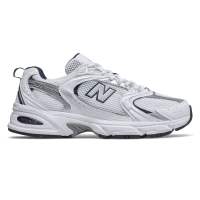
New Balance Unisex 530 (Standard) - White
$169.00
Buy on Lazada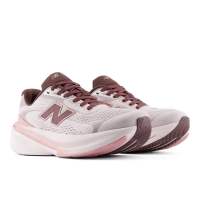
New Balance Womens Fresh Foam X 860 v15 (Wide) - PINK SALT
$219.00
Buy on Lazada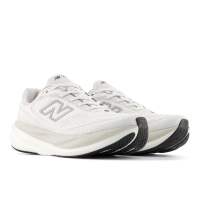
New Balance Womens 1080v15 (Wide) - WHITE
$259.00
Buy on Lazada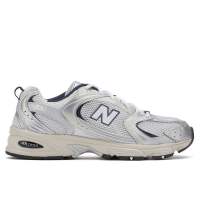
New Balance Unisex 530 (Standard) - Silver Metallic
$169.00
Buy on Lazada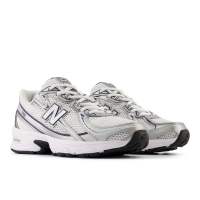
New Balance Unisex 740 (Standard) - NB NAVY
$179.00
Buy on Lazada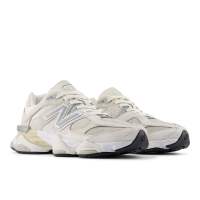
New Balance Unisex 9060 (Standard) - SEA SALT
$229.00
Buy on Lazada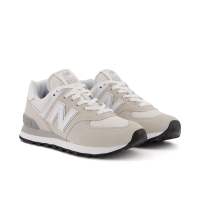
New Balance Womens 574 Core (Standard) - NIMBUS CLOUD
$119.00$149.00
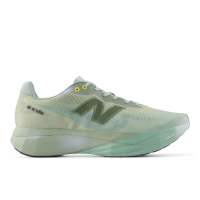
New Balance Mens FuelCell SuperComp Elite v5 (Standard) - Garter Snake
$190.00$339.00
About New Balance
New Balance is an American multinational sports footwear and apparel company best known for its premium running shoes, lifestyle sneakers, athletic apparel, and sports accessories. Founded in 1906 in Boston, Massachusetts, the company has grown from a small arch-support manufacturer into one of the world’s leading athletic brands while maintaining a strong reputation for comfort, craftsmanship, and performance. Unlike many competitors, New Balance has continued to manufacture a portion of its footwear in the United States and the United Kingdom, making domestic production a defining part of its brand identity.1
Overview
| Attribute | Details |
|---|---|
| Company Name | New Balance Athletics, Inc. |
| Founded | 1906 |
| Founder | William J. Riley |
| Headquarters | Boston, Massachusetts, United States |
| Industry | Sportswear, Footwear, Apparel |
| Products | Athletic shoes, lifestyle sneakers, clothing, accessories |
| CEO | Joe Preston |
| Ownership | Privately owned (Davis family) |
| Markets | Worldwide |
| Known For | Running shoes, walking shoes, lifestyle sneakers, Made in USA and Made in UK collections |
History
Founding (1906–1930s)
New Balance was founded in 1906 by William J. Riley, an Irish immigrant living in Boston. The company originally operated as the New Balance Arch Support Company, producing orthopedic arch supports and shoe inserts designed to improve foot comfort and balance.
According to company history, Riley was inspired by the natural balance of a chicken’s three-point foot, which influenced the design philosophy behind his arch supports. This emphasis on biomechanics and foot health became the foundation of the brand.1
Expansion into athletic footwear
During the 1930s and 1940s, New Balance began creating custom athletic footwear for runners, baseball players, and other athletes.
In 1960, the company introduced the Trackster, considered one of the first modern running shoes. It featured:
- Ripple outsole
- Lightweight construction
- Multiple width options
Offering shoes in different widths became one of New Balance’s signature innovations and remains an important feature today.2
Jim Davis era (1972)
A major turning point occurred in 1972, when Jim Davis purchased New Balance during the Boston Marathon.
At that time:
- The company had only a handful of employees.
- Production was limited.
- Annual sales were relatively small.
Under Davis’s leadership, New Balance expanded internationally while maintaining a focus on performance footwear and domestic manufacturing.1
Growth during the running boom
The running boom of the 1970s greatly increased demand for New Balance shoes.
Several milestones followed:
- 1976: The New Balance 320 was named the top running shoe by Runner’s World.
- 1978: Introduction of one of the company’s first running shoes designed specifically for women.
- 1982: Launch of the iconic 990, the first running shoe to retail for $100, positioning itself as a premium product.1
Brand philosophy
New Balance emphasizes several core values:
- Performance before fashion
- Superior fit and comfort
- Premium craftsmanship
- Innovation
- Independent ownership
- Domestic manufacturing
Its brand purpose is to “empower people through sport and craftsmanship to create positive change in communities around the world.”3
Products
New Balance manufactures products across several categories:
Footwear
- Running shoes
- Walking shoes
- Training shoes
- Basketball shoes
- Tennis shoes
- Soccer boots
- Skateboarding shoes
- Lifestyle sneakers
- Hiking shoes
Apparel
- Running apparel
- Sportswear
- Hoodies
- Jackets
- Shorts
- Leggings
- Jerseys
Accessories
- Socks
- Backpacks
- Hats
- Insoles
- Shoe care products
Notable sneaker series
Some of New Balance’s most recognizable shoe lines include:
990 Series
The flagship premium running shoe line.
Known for:
- Exceptional comfort
- ENCAP cushioning
- Made in USA production
- Timeless design
574
One of the brand’s most successful lifestyle sneakers.
Features:
- Classic silhouette
- Affordable pricing
- Versatile everyday wear
327
A retro-inspired sneaker launched in 2020, blending 1970s running aesthetics with modern fashion.
550
Originally introduced as a basketball shoe in 1989, the 550 became a global lifestyle favourite after its re-release through collaborations.
2002R
Inspired by premium running footwear, combining retro design with modern cushioning.
1906R
Named after the company’s founding year, this model emphasises performance technology and contemporary styling.
Technologies
New Balance has developed numerous proprietary technologies, including:
- Fresh Foam – lightweight cushioning
- FuelCell – energy-return foam for speed
- ENCAP – supportive midsole combining foam and polyurethane
- ABZORB – impact absorption
- Ndurance – durable rubber outsole
- Hypoknit – engineered knit upper
- FantomFit – lightweight structural support
Manufacturing
Unlike many athletic footwear companies, New Balance continues to manufacture selected shoes domestically.
Made in USA
Produced in factories located in:
- Maine
- Massachusetts
Made in UK
Manufactured in:
- Flimby, Cumbria, England
These collections are regarded as premium products due to their craftsmanship and materials.1
Collaborations
New Balance has become highly influential in sneaker culture through collaborations with designers, fashion labels, and retailers, including:
- Aimé Leon Dore
- Joe Freshgoods
- Salehe Bembury
- Kith
- JJJJound
- Stone Island
- Miu Miu
These partnerships have helped position New Balance at the intersection of performance footwear and high fashion.4
Sponsorships
New Balance sponsors athletes and teams across multiple sports, including:
- Running
- Football (soccer)
- Basketball
- Tennis
- Baseball
- Cricket
The company also supplies uniforms and equipment for professional clubs and national teams in various countries.
Sustainability
New Balance has expanded its environmental and social initiatives through annual sustainability reports, focusing on:
- Lower-carbon manufacturing
- Responsible sourcing
- Waste reduction
- Renewable energy
- Community investment
- Ethical governance
The company also publishes measurable goals and progress related to product, people, and environmental impact.1
Market position
New Balance is widely regarded as one of the world’s leading athletic footwear companies, competing with brands such as Nike, Adidas, ASICS, Puma, and Brooks. It has built a reputation for combining performance engineering with understated design, appealing to runners, athletes, and fashion-conscious consumers alike. Recent years have seen strong growth driven by both performance products and lifestyle collaborations.5
Legacy
Over more than a century, New Balance has evolved from a small orthopedic support business into a global sportswear company. Its emphasis on fit, quality, innovation, and selective domestic manufacturing has distinguished it within the athletic footwear industry. Iconic models such as the 990, 574, 550, 327, 2002R, and 1906R have become staples in both running and streetwear culture, reinforcing the brand’s identity as one that balances athletic performance with everyday style.