Shop on Lazada
OPI products
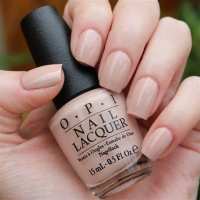
OPI 120 Colors 15mL Quickly Dry Regular Nail Lacquer Air Dry Normal Nail Polish
$6.99$15.00
![OPI Nail Polish - Base Coat + Top Coat Set [15ml]](https://sg-live.slatic.net/p/8f5e5dae92d1405e56e5a116d76aaf24.png_200x200q80.jpg)
OPI Nail Polish - Base Coat + Top Coat Set [15ml]
$24.90$29.80
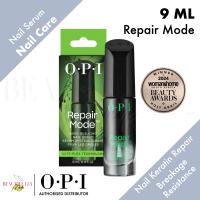
OPI Repair Mode Bond Building Nail Serum 9ml - Nail Keratin Repair
$51.95$56.00
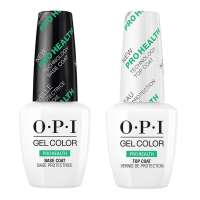
OPI Gel Color UV Gel Polish Pro Health Top Coat GC040 15ml/0.5 oz
$14.19$34.19
![OPI Nail Polish - Top Coat 15ml [NTT30]](https://sg-live.slatic.net/p/8b93409188e49cdad7a018f61f76dc33.jpg_200x200q80.jpg)
OPI Nail Polish - Top Coat 15ml [NTT30]
$16.90
Buy on Lazada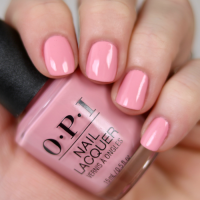
OPI Nail Polish Lacquer OPI Lisbon Collection 2018 VARIETY L15 - L26 full size Normal Nail Polish
$6.99$8.76
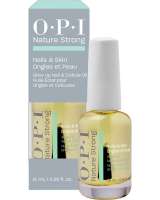
OPI Prospa Cuticle Oil 14.8ml Avocado nails and cuticle oil Nature strong cuticle oil 15ml
$28.80
Buy on Lazada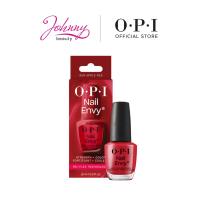
OPI Nail Treatment & Strengthener - Nail Envy Strength + Color 2-In-1 Collection 15ml
$29.90$49.90
About OPI
Brand Overview
OPI is a globally recognised professional nail care and colour brand, best known for its extensive range of nail lacquers, salon-quality gel systems, distinctive shade names, and strong connection to fashion and pop culture. The brand positions nail colour as a form of personal expression rather than merely a cosmetic product. OPI states that it operates in over 100 countries and offers more than 200 iconic shades.1
Basic Information
| Category | Details |
|---|---|
| Brand | OPI |
| Original company name | Odontorium Products, Inc. |
| Founded | 1980/1981 |
| Founders | George Schaeffer and Suzi Weiss-Fischmann |
| Origin | United States |
| Industry | Beauty / Cosmetics / Professional Nail Care |
| Core category | Nail polish and professional nail systems |
| Known for | Nail Lacquer, GelColor, Infinite Shine, distinctive shade names |
| Market | Professional salons and consumers |
| Global reach | 100+ countries |
| Current corporate relationship | Part of the Wella Company |
| Positioning | Professional-quality nail products combined with fashion, colour and self-expression |
The company’s history describes its origins as a small dental supply business called Odontorium Products Inc., which transitioned into the nail industry after discovering that dental acrylic chemistry had applications for artificial nails.
Origin of the Name
The name OPI originally stood for “Odontorium Products, Inc.” and derives from the company’s initial focus on dental supplies rather than nail polish. The founders originally worked with acrylic materials in the dental field before recognising that similar chemistry could be applied to artificial nails and nail products.2 This origin distinguishes OPI as one of the world’s most prominent nail brands to have emerged from dental chemistry.
Founding and Early History
OPI traces its beginnings to 1980, when George Schaeffer and Suzi Weiss-Fischmann established Odontorium Products, Inc. as a small dental supply company.3 The business entered the nail industry after identifying similarities between the acrylic materials used for dentures and those used for artificial nails.
First Major Nail Product
In 1981, OPI introduced its first acrylic nail system, known as the “Rubber Band Special”. According to the brand, this product quickly gained popularity among professional manicurists, helping to establish OPI as a professional nail products company rather than solely a consumer nail polish manufacturer.4 This professional foundation remains central to the brand’s identity.
Expansion into Nail Colour
OPI eventually expanded beyond artificial nail systems into nail colour. A significant milestone occurred in 1989 when the brand launched its first collection of 30 shades, including two colours that became part of its heritage: Malaga Wine and Alpine Snow.5 This launch marked a turning point, transforming OPI from primarily an acrylic nail company into a colour-driven nail brand.
Colour Philosophy
Colour is central to OPI’s identity. Rather than treating nail polish simply as a product to enhance appearance, the brand emphasises colour as a means of communicating personality and mood. Its philosophy posits that nail colour is a form of self-expression. OPI describes its products as tools that provide confidence for self-expression, supported by recognisable packaging, playful naming conventions, and a diverse range of finishes.6 This approach has driven the brand’s historical investment in shade naming, storytelling, collections, and cultural collaborations.
Shade Naming Convention
A key branding innovation for OPI is its use of humorous, clever, and occasionally provocative shade names. Instead of functional descriptors such as “Dark Red”, the brand assigns personality-driven names to its polishes, including:
- I’m Not Really a Waitress
- Lincoln Park After Dark
- You Don’t Know Jacques!
- Funny Bunny
- Bubble Bath
- Malaga Wine
These names have become nearly as recognisable as the colours themselves. OPI explicitly describes its naming convention as “a little cheeky”, and this playfulness is considered one of its strongest brand assets.7 From a branding perspective, this strategy transforms a commodity into a product with personality, story, and memorability, making the bottles easier to discuss, share, and recall.
Pop Culture Collaborations
OPI has successfully connected nail polish with entertainment and popular culture. A notable milestone occurred in 2003 when the brand partnered with Legally Blonde 2, marking the beginning of major pop culture collaborations.8 Over subsequent years, OPI has released collections inspired by Hollywood, film, television, celebrities, musicians, fashion, travel destinations, food and drink, holidays, and cultural trends. This strategy has helped reposition nail polish from a functional beauty product towards a fashion accessory.
Iconic Colours
Several OPI shades have achieved significant cultural recognition:
- I’m Not Really a Waitress: A classic red from the brand’s Hollywood era and one of its most recognised shades. It exemplifies the OPI formula of combining a conventional colour category with a memorable name.
- Lincoln Park After Dark: A very dark purple or near-black shade that became a cult favourite in the 2000s. OPI identifies this shade as instrumental in bringing dark, edgy nail colours into the mainstream.9
- Bubble Bath: A soft, understated pink-nude shade that serves as one of the brand’s signature “clean and natural” colours.
- Funny Bunny: A soft white shade frequently associated with minimalist and French-style manicures.
These colours illustrate the breadth of the OPI portfolio, which ranges from understated neutrals to expressive fashion colours.
Product Categories
OPI’s portfolio encompasses multiple nail systems beyond traditional polish.
OPI Nail Lacquer
This is the classic air-drying nail polish system designed for both consumer and professional use. The Nail Lacquer line traces its origins to the brand’s 1989 expansion into colour.10 The packaging is distinguished by a black cap, cylindrical glass bottle, distinctive typography, and extensive shade range.
Infinite Shine
Infinite Shine is a long-wear lacquer system positioned between conventional nail polish and gel. It aims to deliver gel-like shine and durability without requiring a UV or LED lamp. OPI states that the system can provide up to 11 days of wear and uses pre-cured gel technology while remaining removable like traditional lacquer. This system appeals to users seeking the longevity of gel without committing to a professional gel manicure.
GelColor
OPI GelColor is the brand’s professional gel polish system, cured using LED technology. It is designed for professional use to create long-lasting, high-shine manicures and pedicures. GelColor is integral to OPI’s salon and professional identity.
Powder Perfection
Powder Perfection is OPI’s dip powder system, which uses coloured powder rather than liquid lacquer to produce a durable manicure. The brand describes the system as chip-resistant and lightweight, and has increasingly synchronised its Powder Perfection colours with other major colour systems.11
Nature Strong
Nature Strong is a nail polish line formulated with natural-origin ingredients and marketed as vegan. It targets consumers seeking nail colour aligned with naturally derived formulations.12
Nail Care
Beyond colour, OPI offers a range of nail treatments and care products, including Nail Envy, base coats, top coats, cuticle products, and professional preparation items. This reflects the brand’s evolution from a colour-focused entity into a broader nail care ecosystem.
Professional Positioning
A primary distinction between OPI and mass-market nail polish brands is its historical connection to professional nail salons. OPI positions itself as a professional-quality brand serving nail technicians, salons, beauty professionals, nail art enthusiasts, and at-home consumers. Wella’s professional education platform describes OPI as an industry leader with a strong consumer following.13 This creates a dual positioning of professional credibility alongside consumer accessibility, allowing customers to access salon-quality products at home.
Corporate Relationship with Wella and Coty
OPI is currently a division of the Wella Company. Historical references may describe OPI as a Coty brand; Coty previously owned OPI within its Professional Beauty portfolio before separating that business unit, which subsequently became part of the Wella Company. Consequently, both “OPI/Coty” and “OPI/Wella” appear in historical sources depending on the timeframe.
Suzi Weiss-Fischmann
Suzi Weiss-Fischmann, co-founder and longtime creative force behind the brand, is referred to by OPI as its “Original Nail-blazer”. Her influence extended beyond management to establishing the concept that nail colour could be expressive, fashionable, humorous, aspirational, and culturally relevant. This philosophy underpins the brand’s emphasis on shade names and collections, helping to transform the nail category into a significant component of beauty and fashion culture.
Visual Identity
OPI’s packaging is designed for immediate recognition. The classic bottle features a compact glass form with rounded shoulders, a black cap, simple white branding, and high colour visibility. The restrained, professional design intentionally contrasts with the playful shade names, creating a distinctive personality without appearing novelty-driven.
Brand Personality
The brand’s personality is characterised as professional, confident, playful, fashionable, colourful, and slightly cheeky. Communications frequently incorporate puns, wordplay, cultural references, humour, and allusions to celebrities, travel, food, and pop culture. This tone is particularly evident in shade names and collection titles.
Colour Strategy
OPI employs an extensive colour architecture rather than offering a limited selection of basic shades. The palette includes:
- Neutrals: Nude, beige, cream, taupe, brown
- Pinks: Baby pink, dusty pink, hot pink, mauve, magenta
- Reds: Classic red, blue-red, burgundy, wine, coral
- Dark Colours: Black, charcoal, deep purple, navy, dark green
- Fashion Colours: Yellow, orange, green, blue, lavender, metallics
- Effects: Shimmer, glitter, metallic, chrome-like effects, sheer finishes, crème finishes
This comprehensive range creates a vast “colour universe” rather than relying on a single signature shade.
Collections
OPI frequently releases limited-edition seasonal collections based on themes such as spring, summer, autumn, winter, holidays, destinations, entertainment franchises, celebrities, and fashion trends. For example, the 2026 summer collection Trip to the Brite Side featured 12 vibrant shades coordinated across Nail Lacquer, GelColor, Powder Perfection, and Infinite Shine.8 This cross-platform strategy allows consumers to select the same colour across different product technologies.
Social Media and Nail Culture
The brand maintains relevance in modern nail culture through the intersection of nail art, social media platforms such as TikTok and Instagram, celebrity beauty, and salon trends. A notable example is the viral “glazed-donut” nail trend; OPI notes that Zola Ganzorig created the glazed-donut nails associated with the 2022 Met Gala using OPI GelColor. This demonstrates the brand’s active participation in contemporary beauty trends.
Formulation and Safety Standards
OPI emphasises performance, safety, and formulation standards. The company states that formulas are tested to meet professional and consumer expectations, with scientists collaborating with salon professionals during development. Products undergo safety evaluations intended to meet applicable global standards when used as directed.
Multiple product lines, including Nail Lacquer, Nature Strong, Infinite Shine, GelColor with Intelli-Gel Technology, Powder Perfection, and Nail Envy, are identified as formulated without animal-derived ingredients or by-products.14 Several consumer lines are also formulated without formaldehyde, formaldehyde resin, toluene, xylene, camphor, parabens, ethyl tosylamide, dibutyl phthalate, and triphenyl phosphate. Professional GelColor and Powder Perfection colours are described as HEMA-free and TPO-free under current formulation claims.15 These specifications are product-specific and may not apply uniformly across all historical products.
Historical Milestones
| Year | Milestone |
|---|---|
| 1980 | Founded as Odontorium Products, Inc. |
| 1981 | Launch of first acrylic nail system, “Rubber Band Special” |
| 1989 | Introduction of first 30 nail polish shades |
| 1999 | Hollywood Collection launches; “I’m Not Really a Waitress” becomes iconic |
| 2003 | Legally Blonde 2 partnership establishes pop culture strategy |
| 2005 | Lincoln Park After Dark becomes a cult favourite |
| 2011 | First iteration of GelColor introduced |
| 2022 | OPI GelColor used for viral glazed-donut manicure associated with Met Gala |
| 2026 | Continued expansion of coordinated colour collections across multiple systems |
These dates reflect the brand’s published history timeline.16
Competitive Identity
OPI’s competitive identity rests on five pillars:
- Professional Credibility: Origins in professional nail products and sustained salon presence.
- Colour Expertise: An extensive shade portfolio central to brand identity.
- Memorable Naming: Elevating the importance of shade names to match the colour itself.
- Pop Culture: Relevance maintained through celebrity, entertainment, and cultural collaborations.
- Accessibility: Combining professional positioning with products accessible to home users.
Target Customers
OPI serves several overlapping customer segments:
- Professional Nail Technicians: Requiring reliable salon systems like GelColor and Powder Perfection.
- Beauty Enthusiasts: Interested in collecting colours and following seasonal trends.
- Casual Consumers: Seeking recognisable, high-quality nail polish.
- Nail Art Enthusiasts: Valuing broad colour ranges and professional systems.
- Fashion-Conscious Consumers: Drawn to shades or collections linked to trends, celebrities, or cultural moments.
Market Positioning
OPI occupies the premium professional nail colour segment. Unlike ultra-luxury beauty houses where nail polish serves primarily as a prestige accessory, OPI’s value proposition combines professional quality, extensive colour choice, brand recognition, and playful personality. This positioning enables the brand to operate simultaneously in salons and mainstream retail environments.
Comparison with Generic Brands
| Dimension | Generic Nail Polish | OPI |
|---|---|---|
| Core Proposition | Colour | Colour plus professional performance |
| Shade Range | Moderate | Extensive |
| Shade Naming | Functional | Highly distinctive |
| Salon Connection | Variable | Strong |
| Professional Systems | Limited | Major business component |
| Gel | Often secondary | Major product category |
| Pop Culture | Occasional | Strategic priority |
| Brand Personality | Product-focused | Playful and fashion-oriented |
| Nail Care | Often limited | Significant |
| Global Identity | Varies | Strong |
Strengths
- Brand Recognition: Immediate recognition of packaging and naming within the category.
- Heritage: Over four decades of operational history.
- Colour Equity: Certain shades are recognised similarly to fashion products.
- Professional Reputation: Salon connections provide credibility.
- Naming Strategy: Enhances memorability and shareability.
- Trend Responsiveness: Rapid translation of fashion and cultural trends into colour.
- Multi-Format Ecosystem: Availability of similar colours across lacquer, gel, dip, and other systems.
Challenges
- Competition: Faces competition from major professional brands, mass-market polish, indie brands, and social-media-driven entrants.
- Premium Pricing: Professional positioning typically results in higher price points than basic drugstore alternatives.
- Trend Volatility: Nail aesthetics can shift rapidly between maximalist and minimalist styles.
- Dual Identity: Balancing professional credibility for technicians with approachability for consumers.
- Sustainability Expectations: Increasing industry pressure regarding ingredients, packaging, waste, and environmental impact.
Significance in Beauty History
OPI’s contribution extends beyond selling nail polish; it has helped transform nail colour into a form of fashion communication. Historically treated as a minor accessory, nail polish became a cultural object through OPI’s influence. Consumers began to identify their nail colour by specific shade names (e.g., “I’m Not Really a Waitress”) rather than generic descriptors, fundamentally altering the relationship with the beauty product by turning colour into a character.
Current Status
As of 2026, OPI continues to operate as a global professional nail brand with a portfolio spanning traditional lacquer, long-wear lacquer, gel, dip powder, nail care, and newer systems. Brand communication emphasises self-expression, performance, and colour, while product development increasingly bridges professional technology and at-home beauty.17 The current portfolio demonstrates a strategy of making colour available across multiple technologies, with contemporary collections offered in Nail Lacquer, GelColor, Powder Perfection, and Infinite Shine formats.
References
- About OPI | OPI
- Shop Won for the Ages | Dark Green Crème Infinite Shine – OPI®
- OPI® Switzerland. Which OPI nail polish meets my needs?
- Meet the New OPIcons Iconic Nail Polish and Gel Colors | OPI
- OPI®: Color Without Compromise
- WELCOME TO OPI
- About OPI Nail Colour & Care – Official Brand Story OPI® UK
- Trip to the Brite Side Summer 2026 Nail Polish Collection | OPI
- OPI®: Color Without Compromise
- Who Owns OPI? Wella, KKR, and Coty Explained – LegalClarity
- coty-20250331
- sec.gov
- coty-20230630
- Coty Inc. Announces Retirement Of OPI Founder & CEO George Schaeffer
- Coty Inc. Announces Appointment of New OPI General Manager, Mary Van Praag
- sec.gov
- Coty Inc. to Acquire OPI Products Inc.