Shop on Lazada
REVLON products
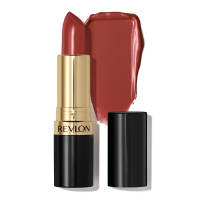
REVLON SUPER LUSTROUS LIPSTICK .15 OZ./4.2 g
$18.43$20.90
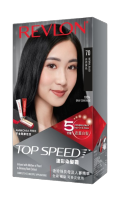
Revlon Top Speed Hair Color - Permanent Hair Color 100% Gray Coverage Ammonia Free Halal Certified
$12.94$13.90
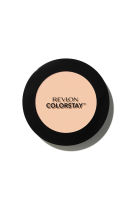
Revlon ColorStay Pressed Powder 16HR Wear
$23.85$26.50
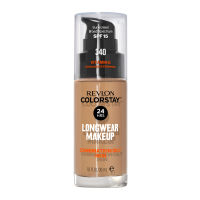
Revlon ColorStay Longwear Makeup Liquid Foundation for Combination/Oily Skin Liquid Foundation - SPF 15 24HR Wear
$27.60$34.50
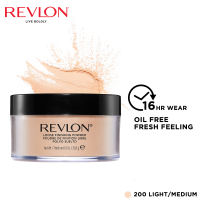
Revlon Loose Finishing Powder
$27.45$30.50
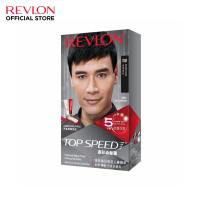
Revlon Top Speed Hair Color 70M Natural Black
$13.20$13.90
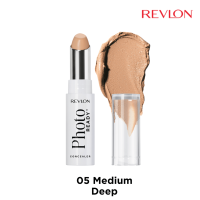
Revlon PhotoReady Concealer
$22.05$24.50
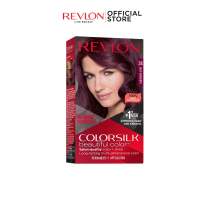
Revlon ColorSilk Beautiful Hair Color 100% Authentic
$5.50$9.90
About REVLON
Overview
REVLON is an American beauty company and cosmetics brand established in 1932 by brothers Charles Revson and Joseph Revson, alongside chemist Charles Lachman. The company originated with a single innovative product—an opaque nail enamel—and has since developed into one of the world’s most recognised mass-market beauty brands. Today, REVLON is particularly associated with colour cosmetics, nail products, hair colour, skincare, fragrances, and beauty care. Its corporate group states that its brands are sold in more than 150 countries.1
| Field | Information |
|---|---|
| Brand | REVLON |
| Founded | 1932 |
| Founders | Charles Revson, Joseph Revson, Charles Lachman |
| Origin | United States |
| Industry | Cosmetics and beauty |
| Key categories | Makeup, nail care, hair colour, hair care, skincare, fragrance, beauty tools |
| Famous products | ColorStay, Super Lustrous, ColorSilk and various nail enamels |
| Best known for | Colour cosmetics and fashion-oriented beauty |
| Global reach | More than 150 countries |
| Parent/corporate structure | Revlon Consumer Products / Revlon Group |
| Major historical milestone | Emerged from Chapter 11 bankruptcy in 2023 |
History
Foundation — 1932
REVLON was established in 1932, during the Great Depression. Charles Revson, his brother Joseph Revson, and chemist Charles Lachman developed a new type of nail enamel using pigments rather than the dyes commonly used in existing nail products. This innovation resulted in an opaque nail enamel available in a significantly broader range of fashionable colours. The founders recognised that nail colour could function as a fashion accessory rather than merely a beauty treatment.2 The name REVLON combines the surname Revson with the “L” associated with Charles Lachman.
The company initially distributed its products through beauty salons. By 1937, REVLON nail products were being sold through department stores and pharmacies, enabling the company to expand rapidly beyond the professional salon market.3
Expansion into lipstick
In 1939, REVLON expanded beyond nail enamel into lipstick. A pivotal early marketing strategy involved coordinating lipstick colours with nail polish. This approach helped establish the concept of a matching lip-and-nail colour look, transforming cosmetics into a coordinated fashion statement.4 This philosophy became fundamental to the brand’s identity: rather than treating cosmetics purely as functional items, the company linked them with fashion, glamour, colour and personal expression.
Charles Revson and marketing philosophy
Charles Revson was among the most influential figures in the development of the modern cosmetics industry. He was particularly noted for understanding that beauty products could be marketed through emotion and aspiration, rather than solely through their physical characteristics. REVLON developed memorable product names such as:
- Fire & Ice
- Cherries in the Snow
- Plum Lightning
- Moon Drops
- Ultima II
The company also invested heavily in sophisticated advertising, fashion photography and celebrity associations.5 Historically, REVLON’s marketing helped establish a significant formula in beauty advertising: Product + fashion + personality + aspiration. This approach proved influential throughout the cosmetics industry.
The “Fire & Ice” era
One of REVLON’s most renowned campaigns was Fire & Ice, introduced in the 1950s. The campaign combined lipstick, nail colour, fashion photography and celebrity or model imagery. REVLON collaborated with fashion publications and photographers including Richard Avedon, helping to transform cosmetics advertising into a format closer to fashion editorial photography.6 This campaign illustrates a key aspect of the brand’s historical significance: it did not merely sell makeup but helped establish cosmetics as part of fashion culture.
International expansion
After establishing itself in the United States, REVLON expanded internationally. By the early 1960s, the company had operations or subsidiaries in markets including France, Italy, Argentina, Mexico and parts of Asia, whilst also expanding into fragrance.7 This international growth helped transform REVLON from an American cosmetics manufacturer into a global beauty brand. Today, Revlon Consumer Products states that its portfolio reaches consumers in more than 150 countries.8
The Charlie fragrance
One of REVLON’s most significant fragrance launches was Charlie, introduced in 1973. Charlie was positioned around the image of the independent modern woman, reflecting changing attitudes towards women’s independence during the 1970s. It became a major international success for the company.9 The campaign is historically significant because it demonstrated REVLON’s ability to sell not only a fragrance but also a lifestyle and identity.
Growth as a beauty conglomerate
Over subsequent decades, REVLON expanded beyond traditional makeup. Its portfolio eventually included:
- Colour cosmetics
- Lipstick
- Nail products
- Hair colour
- Hair care
- Skincare
- Fragrances
- Beauty tools
- Deodorants and personal care
- Professional salon products
The company also developed and acquired other beauty brands. A particularly significant acquisition was Elizabeth Arden. REVLON acquired the Elizabeth Arden business in 2016, substantially expanding its presence in skincare and prestige fragrances.10
Major brands and product portfolio
Although REVLON is the flagship name, the wider corporate portfolio has included numerous brands.
REVLON
The core consumer beauty brand is particularly associated with:
- Foundation
- Concealer
- Lipstick
- Lip gloss
- Mascara
- Eyeliner
- Nail products
- Beauty tools
Its major product franchises have included ColorStay and Super Lustrous.11
Revlon ColorSilk
ColorSilk is REVLON’s home hair-colour line and has been marketed as an affordable at-home hair-colour product. The company describes it as having been on the market for more than 50 years.12
Revlon Professional
This division focuses on professional hair and salon products, rather than primarily consumer makeup.
Elizabeth Arden
Elizabeth Arden brought REVLON a major prestige-beauty business encompassing:
- Skincare
- Cosmetics
- Fragrance
- Professional skincare13
Other brands
The broader corporate portfolio has included names such as:
- Almay
- American Crew
- Mitchum
- Cutex
- Elizabeth Taylor
- Juicy Couture
- Curve
- John Varvatos
- Christina Aguilera
The exact portfolio has changed over time through acquisitions, divestitures and licensing arrangements.14
Key product categories
💄 Colour cosmetics
This remains one of REVLON’s strongest areas. Products include:
- Lipstick
- Foundation
- Blush
- Eyeshadow
- Mascara
- Eyeliner
- Concealer
- Nail colour
REVLON has historically positioned itself as a “colour authority”, emphasising fashionable shades and cosmetic innovation.15
💅 Nail care
Nail enamel is the category that made REVLON famous. The company’s original 1932 product was itself a nail enamel, and nail colour remained an important part of the company’s identity.
💋 Lip products
Lipstick became a major part of REVLON’s business shortly after its founding. Super Lustrous is one of its best-known long-running lipstick franchises.
💇 Hair colour
Through Revlon ColorSilk, the company became a major participant in the home hair-colour market.
🌸 Fragrance
REVLON has historically marketed both its own fragrances and fragrances associated with celebrities and fashion brands. Charlie is perhaps the most historically recognisable example.
🧴 Skincare
Through Elizabeth Arden and other businesses, REVLON expanded considerably into skincare and prestige beauty.
Brand identity
REVLON’s brand identity has historically centred around several core concepts:
Glamour
The brand has traditionally presented beauty as glamorous, fashionable and aspirational.
Colour
Colour is arguably the company’s defining heritage. Its original innovation was essentially a breakthrough in cosmetic colour.
Fashion
From its earliest lipstick-and-nail-polish combinations to campaigns with fashion photographers, REVLON has frequently connected cosmetics with fashion.
Individuality
Modern REVLON messaging emphasises personal expression and individuality. The company’s current mission describes its goal in terms of innovation, inclusion and intention.16
Accessibility
Unlike some luxury beauty houses, REVLON’s historical strength has been its presence in the mass-market/accessible beauty segment.
Advertising and celebrity culture
Advertising has always been central to REVLON’s business. Charles Revson was particularly aggressive in using advertising to create a recognisable brand personality. REVLON became associated with fashion magazines, professional photography and celebrity or model endorsements.17
Over the decades, the company has worked with numerous prominent models, actresses and celebrities. This strategy helped REVLON occupy a position between mass-market consumer goods and fashion culture. In essence, a REVLON product was intended to be affordable enough for ordinary consumers while being presented with the glamour traditionally associated with high fashion.
REVLON and Elizabeth Arden
The 2016 acquisition of Elizabeth Arden was one of the most important developments in REVLON’s corporate history. Elizabeth Arden had a completely different heritage from REVLON. Founded by Florence Nightingale Graham, better known as Elizabeth Arden, the company became famous for skincare, cosmetics and fragrance. The acquisition therefore broadened REVLON’s business substantially, particularly in prestige skincare and fragrance.18 It also created a much larger beauty portfolio spanning different price points and consumer segments.
Financial difficulties and bankruptcy
Despite its enormous brand recognition, REVLON experienced significant financial difficulties in the 2010s and early 2020s. Competition in the beauty sector became increasingly intense as:
- Celebrity-founded brands grew rapidly;
- Direct-to-consumer businesses expanded;
- Social media changed beauty marketing;
- Younger consumers increasingly discovered products online;
- Retailers changed how they allocated shelf space.
REVLON eventually carried a substantial debt burden. In June 2022, the company filed for Chapter 11 bankruptcy protection in the United States. Reuters reported that the company had listed between $1 billion and $10 billion in assets and liabilities in its bankruptcy filing, while its debt problems had been aggravated by increasing competition and difficulties in the changing beauty market.19 The bankruptcy marked a major turning point in the company’s history.
Emergence from bankruptcy
REVLON completed its restructuring and emerged from bankruptcy in May 2023. As part of the restructuring, more than $2.7 billion of debt was eliminated, and control of the company shifted to its lenders.20 Importantly, bankruptcy did not mean that the REVLON consumer brand disappeared. The underlying beauty businesses, products, trademarks and international operations continued. Today, REVLON presents itself as a global beauty company with a portfolio of 15+ brands, selling products in more than 150 countries.21
REVLON today
As of 2026, REVLON remains a major international beauty company, with its flagship REVLON brand operating across makeup, hair colour, beauty care and related categories. The company describes itself as a global beauty organisation focused on:
- Innovation;
- Quality;
- Individuality;
- Inclusion;
- Consumer-driven product development;
- Global distribution.
Its corporate portfolio is considerably broader than the REVLON makeup brand itself. The company therefore maintains two distinct identities:
REVLON the consumer brand
→ Makeup, nail products, hair colour and other beauty products.
REVLON the corporate group
→ A larger collection of beauty brands and businesses, including Elizabeth Arden and professional/personal-care brands.
Historical significance
REVLON is more than simply an established cosmetics company. Its historical significance stems from the way it helped change the business and culture of beauty.
1. It made nail colour fashionable
The company’s original innovation transformed nail enamel from a relatively simple cosmetic product into a fashion product with many colours.
2. It connected lipstick and nail polish
Its matching lips-and-fingertips strategy helped establish coordinated cosmetic looks.22
3. It pioneered sophisticated beauty advertising
REVLON used fashion photography, models, celebrities and dramatic product names to create emotional associations with cosmetics.
4. It helped democratise glamour
The brand brought sophisticated, fashion-oriented beauty imagery into products sold through mainstream retail channels.
5. It built globally recognisable beauty brands
From REVLON and ColorStay to Charlie and Elizabeth Arden, its portfolio contains brands with decades of consumer recognition.
Timeline
| Year | Event |
|---|---|
| 1932 | Charles Revson, Joseph Revson and Charles Lachman establish REVLON |
| 1932 | Company launches its revolutionary nail enamel |
| 1937 | REVLON begins broader retail distribution |
| 1939 | REVLON enters lipstick |
| 1950s | Fire & Ice becomes a major advertising campaign |
| 1960s | International expansion accelerates |
| 1973 | Charlie fragrance launches |
| 1975 | Charles Revson dies |
| 1980s–2000s | REVLON expands across cosmetics, hair, skincare and fragrance |
| 2016 | REVLON acquires Elizabeth Arden |
| 2022 | REVLON files for Chapter 11 bankruptcy |
| 2023 | REVLON emerges from bankruptcy following major debt restructuring |
| 2026 | REVLON continues operating as a global beauty company with a multi-brand portfolio |
Competitive position
REVLON operates in a highly competitive beauty market. Its competitors have historically included companies and brands such as:
- L’Oréal
- Estée Lauder
- Coty
- Maybelline
- CoverGirl
- e.l.f. Cosmetics
- NYX
- MAC
- Clinique
The competitive environment has changed substantially since REVLON’s founding. Traditional beauty companies now compete not only through retail distribution and advertising but also through TikTok, Instagram, influencers, e-commerce, celebrity brands and direct-to-consumer channels. That transformation was one of the challenges REVLON faced before its 2022 bankruptcy.24
Summary
REVLON is a 1932-founded American beauty brand that helped turn cosmetics—especially nail colour and lipstick—into fashion-driven consumer products, eventually developing into a global multi-brand beauty company known for accessible glamour, bold colour, advertising innovation and iconic products.
Evolution at a glance
1932: Nail polish
↓
1939: Lipstick
↓
1950s–70s: Fashion, advertising & fragrance
↓
1980s–2000s: Global beauty expansion
↓
2016: Elizabeth Arden acquisition
↓
2022: Chapter 11 bankruptcy
↓
2023: Restructuring and emergence
↓
2026: Global multi-brand beauty company
REVLON’s official corporate history and current company information are available through Revlon Consumer Products, while the consumer-facing brand is at Revlon.com.25
References
- Be Unforgettable – Our Story, Mission & Promise | Revlon – Revlon US
- Who We Are – Revlon Consumer Products LLC
- Our Founders – Revlon Consumer Products LLC
- Our History – Revlon Consumer Products LLC
- Revlon Consumer Products LLC
- Our Brands – Revlon Consumer Products LLC
- Table of Contents
- Revlon files for bankruptcy as online competition takes toll | Euronews
- Revlon emerges from bankruptcy after lender takeover By Reuters
- Revlon’s road to bankruptcy By Reuters
- Revlon Emerges From Bankruptcy After Lender Takeover | BoF
- Revlon emerges from bankruptcy after lender takeover
- sec.gov
- Revlon cleared to exit bankruptcy with $2.7 billion debt reduction deal By Reuters
- rev-20221231
- Revlon reaches lender settlement, sends bankruptcy plan to vote
- Revlon and key creditors strike deal, April bankruptcy exit By Reuters
- Revlon and key creditors strike deal, April bankruptcy exit
- Revlon gets court approval for $1.4 billion bankruptcy loan By Reuters
- Revlon gets court approval for $1.4 billion bankruptcy loan | Euronews
- Revlon borrows $375 million in bankruptcy to shore up supply chain By Reuters
- rev-20211231
- Revlon Press Release – May 10, 2021 – Revlon Consumer Products LLC
- rev-20201231
- sec.gov