Shop on Lazada
RHYTHM products

RHYTHM | Living Room Elegant Silent Desktop Clock
$412.76
Buy on Lazada
RHYTHM | Chinese Style Creative Wooden Table Clock
$380.65$407.53
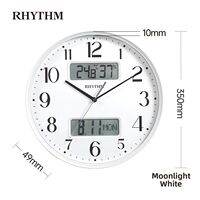
RHYTHM | Modern Minimalist Easy-installation Wall Clock
$111.33$185.55
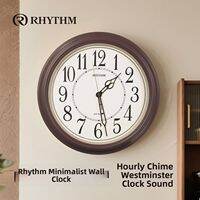
RHYTHM | Silent Luxurious Simple Fashion Creative Wall Clock
$157.83$171.82
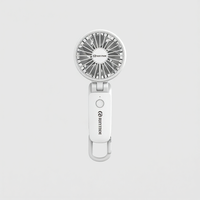
RHYTHM | Portable USB Fan Quiet Long Battery Life Rechargeable
$72.05$83.28
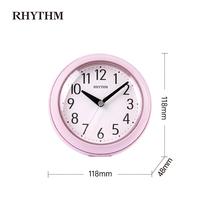
RHYTHM | New Luxury Stylish Fashionable Wall Clock
$54.96$138.86
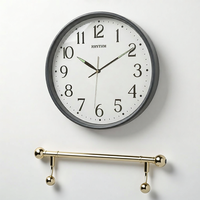
RHYTHM | Luminous Silent Modern Minimalist Wall Clock No Nailing Required
$36.85$57.29
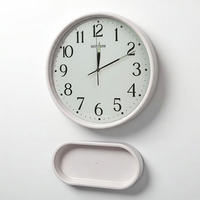
RHYTHM | New Modern Simple Attractive Silent Hole-Free Wall Clock
$41.96$89.26
About RHYTHM
Rhythm is an Australian surf, swimwear, and lifestyle fashion brand established in 2003 in Burleigh Heads on Queensland’s Gold Coast. Emerging from Australia’s alternative surf scene, the label integrates influences from art, music, travel, and creative culture rather than focusing solely on technical performance wear. Rhythm has evolved into a broader coastal lifestyle brand characterised by relaxed apparel, swimwear, and a distinctively Australian visual identity 1.
The brand’s philosophy centres on interpreting coastal living through contemporary fashion. Its collections are designed for beach and ocean environments while remaining suitable for travel, daily wear, and social occasions. Rhythm describes its approach as creating a “new wave of coastal fashion”, grounded in maritime culture, local community, creative expression, and sustainable practices 2.
Brand overview
| Brand | Rhythm |
| Founded | 2003 |
| Origin | Burleigh Heads, Queensland, Australia |
| Industry | Fashion / Surf / Swimwear / Lifestyle |
| Core categories | Surfwear, swimwear, apparel, accessories |
| Positioning | Premium coastal / alternative surf lifestyle |
| Key influences | Surfing, art, music, travel, Australian coastal culture |
| Known for | Boardshorts, swimwear, relaxed apparel, coastal prints and understated surf styling |
| Primary market | Global |
| Flagship presence | Burleigh Heads, Gold Coast |
| Brand philosophy | Coastal living, creativity, individuality, exploration |
| Official website | rhythmlivin.com |
Rhythm identifies as a contemporary surf brand based in Burleigh Heads with international reach. While its European site notes distribution in over 500 retail locations worldwide, Australian and US platforms cite more than 1,000 stores. This discrepancy likely reflects varying regional or distribution definitions; consequently, Rhythm is best described as maintaining a substantial international retail network rather than a precise global store count.
History
Origins: 2002–2003
Rhythm originated within the Gold Coast surf community. Historical interviews identify Jamahl Grey and professional surfer and shaper Neal Purchase Jr. as the principal figures behind the label. Although one early interview suggests the concept was conceived in 2002, the company officially recognises 2003 as its founding year 3.
The brand emerged partly as a response to the increasing commercialisation of major surf labels. Grey and Purchase sought to create a product more aligned with the creative and alternative aspects of surfing, drawing inspiration from:
- Surfing
- Alternative surfboard culture
- Music
- Art
- Travel
- Fashion
- Vintage aesthetics
- Australian coastal life
Early interviews described the target customer as open-minded, fashion-conscious, and creative, contrasting this demographic with the homogenisation observed in mainstream surf brands 4. This distinction became central to Rhythm’s identity, positioning it not as the largest surf brand, but as a different kind of surf brand.
The Gold Coast connection
Geographical identity is fundamental to Rhythm. Established in Burleigh Heads, one of Australia’s most renowned surf communities, the brand incorporates the coastal environment directly into its ethos rather than treating Australia merely as a country of origin.
The Gold Coast provided the cultural foundation linking surfing, beaches, music, art, travel, fashion, and lifestyle. Rhythm effectively translated this ecosystem into a clothing label, and its current narrative continues to emphasise the Australian coast and its community of surfers, artists, musicians, travellers, and creatives 5.
Founders
Neal Purchase Jr.
Neal Purchase Jr. is an Australian surfer and surfboard shaper who became one of the most recognisable creative figures associated with Rhythm. His background represented a form of surfing distinct from highly commercialised professional competition, aligning instead with alternative surfboards, traditional surf culture, and experimental wave riding. His involvement lent Rhythm credibility within the surfing community, distinguishing it from fashion companies merely borrowing surf imagery. The brand’s subsequent development continued to draw on his expertise in surfing, surfboards, and coastal culture 6.
Jamahl Grey
Jamahl Grey was the other primary founding figure, heavily involved in creative and business development. Early accounts describe Grey and Purchase building Rhythm around a team of creatives, with Grey providing brand management and fashion industry expertise while Purchase contributed his surfing and shaping background. Together, they established the fundamental Rhythm formula: real surf culture combined with creative design and lifestyle fashion.
Early product identity
In its formative years, Rhythm was particularly associated with surf trunks and boardshorts. This category allowed the brand to compete with established surf companies while differentiating itself through design. Early product philosophy emphasised:
- Distinctive prints
- Unusual colour combinations
- Vintage references
- Relaxed silhouettes
- Quality materials
- Alternative graphics
- Independence from conventional fashion trends
A 2008 industry interview identified surf trunks as Rhythm’s primary category and highlighted the company’s intention to avoid relying solely on trend-forecasting systems 7. This approach established an enduring characteristic: fashionable without appearing overly trend-driven.
Expansion into women’s fashion
Rhythm subsequently expanded beyond its original male-focused surfwear identity. A women’s range was introduced during early development, and Rhythm Women later became a significant portion of the business. Industry sources identify 2014 as the launch year for the dedicated Rhythm women’s brand 8.
Women’s collections broadened the brand’s scope to include bikinis, one-piece swimsuits, dresses, skirts, tops, knitwear, beachwear, casual apparel, and accessories. This expansion was strategically significant, evolving Rhythm from a men’s surf-trunk label into a comprehensive lifestyle brand.
From surf brand to lifestyle brand
The transition from surf brand to lifestyle brand represents a critical evolution in Rhythm’s history. The modern company describes itself as a premium lifestyle brand rather than solely a surfwear manufacturer 9. Contemporary collections may include boardshorts, swimwear, bikinis, dresses, shirts, T-shirts, pants, linen pieces, knitwear, jackets, caps, bags, and other lifestyle accessories.
Products are designed to transition between environments such as the beach, cafés, road trips, dinners, and travel. This versatility is central to the brand’s appeal.
Design philosophy
Rhythm’s design language is best described as relaxed Australian coastal fashion with vintage and alternative influences. The aesthetic avoids the aggressively technical or heavily branded appearance associated with some traditional surfwear.
Natural and muted colours
The palette frequently includes cream, sand, olive, brown, faded black, washed blue, earthy green, and terracotta.
Vintage-inspired graphics
Visual references often draw from older surf culture, military clothing, Americana, music, and vintage travel imagery.
Relaxed silhouettes
Common characteristics include loose shirts, relaxed shorts, casual trousers, oversized or comfortable tops, flowing women’s silhouettes, easy beach dresses, and uncomplicated swimwear.
Prints
Prints remain significant, particularly in swimwear and summer collections.
Minimal branding
Unlike many large surf labels, Rhythm often allows the garment itself to communicate the brand rather than relying on prominent logos. This contributes to a more mature, fashion-oriented appearance.
The Rhythm aesthetic
Visually, Rhythm can be summarised as Australian surf culture intersecting with vintage fashion and a relaxed summer lifestyle. It occupies a distinct space between several categories:
| Category | Rhythm’s relationship |
|---|---|
| Traditional surfwear | Strong heritage |
| Streetwear | Some influence |
| Fashion | Increasingly important |
| Swimwear | Major category |
| Resortwear | Strong |
| Outdoor lifestyle | Moderate |
| Vintage fashion | Significant visual influence |
| Luxury | Not luxury, but premium-oriented |
| Fast fashion | Deliberately different |
This positioning allows Rhythm to appeal to consumers who identify with the lifestyle surrounding surfing, regardless of whether they participate in the sport themselves.
Surf culture
Surfing remains the foundation of Rhythm. The company treats surfing as a cultural reality rather than merely a marketing image. Storytelling continues to feature surfers, surfboard shapers, coastal communities, and surf films. Editorial and film projects centred on Australian surfing and surfboard culture frequently focus on people and communities rather than products alone 10. This distinguishes Rhythm as a genuine surf-culture brand rather than simply surf-inspired fashion.
Art and music
Art and music are integral to Rhythm’s cultural positioning. The brand explicitly identifies art, music, fashion, and travel as major influences 11. Rather than presenting the surfer solely as an athlete, Rhythm portrays the coastal individual as a combination of surfer, traveller, artist, musician, designer, and explorer. This broader identity helps distinguish the label from performance-oriented surf brands.
Travel and exploration
Exploration is a recurring concept in Rhythm’s messaging, which frequently revolves around departing from conventional paths to experience new places. The brand describes its community as people willing to “wander off the well-worn path” 12. This translates into a lifestyle centred on road trips, surfing trips, remote beaches, tropical destinations, camping, music, photography, art, and outdoor exploration. Consequently, Rhythm’s clothing often appears suited to a travel wardrobe rather than a narrowly defined surf wardrobe.
Sustainability
Sustainability has become an increasingly visible component of Rhythm’s strategy. The company frames sustainability as an ongoing process rather than claiming inherent sustainability across all products. Stated initiatives include the use of:
- Organic cotton
- Recycled polyester
- Recycled nylon
- ECONYL® regenerated nylon
- Other preferred materials
Rhythm states that some recycled polyester is produced through the Green Circle recycling system, reporting substantially lower energy consumption and carbon emissions compared with conventional polyester production 13. Swimwear also incorporates fabrics made from regenerated nylon, including material derived from post-consumer waste such as discarded fishing nets.
The brand maintains a supplier code covering environmental management, chemical and water use, greenhouse gas emissions, working conditions, living wages, animal welfare, and waste management, and states that manufacturers undergo compliance audits. This is best understood as an ongoing sustainability programme rather than evidence that every Rhythm product is sustainable.
Materials
Current preferred materials include:
Organic cotton
Used for selected apparel collections.
Recycled polyester
Used particularly in some beach shorts and trunks.
Recycled nylon
Used in contemporary swimwear.
ECONYL®
Rhythm uses regenerated nylon in parts of its swimwear range, incorporating recycled waste.
This material strategy supports the brand’s objective of combining traditional coastal aesthetics with contemporary production practices.
Product categories
Rhythm’s current offerings span several key areas.
Men’s
- Boardshorts
- Beach shorts
- T-shirts
- Shirts
- Pants
- Knitwear
- Jackets
- Caps
- Accessories
Women’s
- Bikinis
- One-piece swimsuits
- Swim separates
- Dresses
- Tops
- Pants
- Shorts
- Knitwear
- Beachwear
- Accessories
Lifestyle
- Everyday clothing
- Travel clothing
- Resortwear
- Coastal accessories
This broad product mix demonstrates the brand’s evolution from its original surf-trunk focus.
Signature product: boardshorts
Boardshorts remain one of Rhythm’s most historically significant products, helping establish the company in the early 2000s and maintaining a connection to its surf heritage 14. Rhythm boardshorts typically combine functional construction, comfortable cuts, vintage-inspired prints, contemporary fabrics, and relatively understated branding. The result functions as both actual surf equipment and casual summer clothing.
Swimwear
Women’s swimwear has become one of Rhythm’s strongest categories. Collections generally emphasise a combination of femininity, simplicity, and surf functionality. The brand describes its surf swimwear as designed with input from its surfing community to balance aesthetic and practical needs 15.
The range includes bikinis, triangle tops, bralettes, high-cut bottoms, one-piece swimsuits, and minimal or classic silhouettes. Rather than following purely fashion-runway trends, Rhythm retains a connection to actual beach and surf use.
Brand community
Rhythm defines its audience by attitude rather than age or income. The ideal customer is interested in surfing, creativity, travel, music, art, fashion, individuality, outdoor life, and coastal environments. This creates a broad cultural audience encompassing surfers, photographers, musicians, travellers, and those who simply appreciate relaxed Australian fashion.
Brand storytelling
Rhythm invests heavily in editorial storytelling. Instead of relying exclusively on conventional advertising, the brand publishes stories about surfers, artists, musicians, surfboard shapers, travellers, creative projects, coastal communities, and collaborations. This reinforces the notion that Rhythm is a culture first and a clothing label second. Editorial material on surfboard shaping, for example, connects contemporary products with older generations of Australian surfing and craftsmanship.
Film and visual culture
Film plays a role in Rhythm’s identity. A notable example is Water Over Sand, a surf film associated with the brand’s alternative approach to surfing and storytelling. Industry coverage has described the film as an important part of Rhythm’s cultural presence within surfing 16. Such content positions the brand as a participant in surf culture rather than merely a vendor of surf-themed clothing.
Global expansion
Rhythm gradually expanded outside Australia. By the late 2000s, the company was preparing a significant push into the United States, with Orange County identified as an important initial market 17. Distribution subsequently developed across Australia, New Zealand, the United States, Canada, Europe, Asia, Latin America, and other international markets. Its official European site currently describes Rhythm as having more than 500 retail locations globally and a flagship store in Burleigh Heads.
Retail presence
Rhythm operates through independent surf retailers, fashion retailers, specialty stores, department and online retailers, e-commerce operations, and flagship stores. The flagship retail presence in Burleigh Heads is particularly significant as it connects the global business back to its original Gold Coast identity 18. This aligns with the overall strategy of global distribution anchored by local cultural identity.
Market positioning
Rhythm occupies a middle-to-upper position within the surf and lifestyle apparel market. It is positioned neither as mass-market fast fashion nor as traditional luxury fashion, but rather as premium surf lifestyle. The value proposition combines better design, distinctive aesthetic, surf authenticity, quality materials, and lifestyle versatility. This allows it to compete with both traditional surf labels and newer fashion-oriented coastal brands.
Competitors and comparison
Rhythm’s competitive landscape includes several brand types.
Traditional surf brands
Examples include Billabong, Quiksilver, Rip Curl, and RVCA. These brands have stronger roots in mainstream surf and action sports.
Premium coastal/lifestyle brands
Rhythm overlaps with brands such as Outerknown, Mollusk, Saturdays NYC, and Faherty, which similarly treat surfing and coastal life as broader lifestyle concepts.
Women’s resort/swim brands
Rhythm competes indirectly with fashion-oriented swimwear and resortwear labels. Its differentiation lies in retaining a stronger connection to Australian alternative surf culture.
Differentiation from traditional surf brands
Rhythm’s positioning differs subtly but significantly from conventional surf companies. While traditional brands often follow a trajectory from surfing to sport to technical product to logo to lifestyle, Rhythm moves from surf culture to art, music, travel, fashion, and lifestyle. The brand aims for customers to feel they are wearing clothes belonging to a coastal creative lifestyle rather than a surf brand uniform.
Brand personality
Rhythm’s brand personality is creative, relaxed, adventurous, independent, artistic, slightly nostalgic, outdoors-oriented, fashion-conscious, non-corporate, and culturally curious. It is not aggressively competitive; rather, it embodies an attitude of exploration, creativity, and enjoyment of the coastal day. This attitude is central to its emotional appeal.
Visual identity
Rhythm’s visual world combines the Australian coast, vintage photography, warm sunlight, faded colours, surfboards, natural landscapes, and relaxed styling. The effect is intentionally imperfect and lived-in, evoking sun-faded fabric, salt water, old surf magazines, vintage cars, road trips, warm beaches, surfboard workshops, tropical travel, and late afternoons by the ocean. This visual language makes Rhythm immediately recognisable even when branding is minimal.
The meaning of “Rhythm”
The name reflects the brand’s philosophy. Surfing is fundamentally about rhythm: the rhythm of waves, paddling, movement, the ocean, travel, and everyday life. The brand’s language refers to the “melody of the waves” and presents Rhythm as connected to change and movement 19. Its current tagline, “The sound of change,” captures the idea of constant evolution while remaining connected to coastal origins 20.
Cultural significance
Within Australian fashion, Rhythm represents a specific evolution of surf culture into lifestyle fashion. While older surf brands built identities around surfing, competition, performance, and youth culture, Rhythm emerged from a cultural environment where surfing could also be interpreted through design, art, music, vintage culture, and independent fashion. In this sense, Rhythm participated in the broader movement that made surf-inspired clothing acceptable outside traditional surf communities.
Current identity
As of 2026, Rhythm remains centred on its original concept while operating as a broader global lifestyle business. Current positioning emphasises coastal fashion, surfing, creative communities, contemporary apparel, swimwear, sustainable materials, local culture, exploration, and global distribution. The official story traces the brand directly back to the Australian coast and alternative surfing culture of the early 2000s 21. Rhythm has thus grown without abandoning its original cultural foundation.
Timeline
| Year | Development |
|---|---|
| 2002 | Rhythm is conceived in Australia, according to an early founder interview 22. |
| 2003 | Rhythm is formally founded in Burleigh Heads, Queensland 23. |
| Mid-2000s | Establishes itself within Australia’s alternative surf culture. |
| Late 2000s | Expands product categories and begins international expansion, including the United States 24. |
| 2010s | Develops into a broader surf/lifestyle fashion brand. |
| 2014 | Rhythm Women’s dedicated brand/range is launched, according to industry sources 25. |
| 2010s–2020s | Expands international retail distribution and strengthens swimwear, apparel and lifestyle categories. |
| 2020s | Sustainability initiatives become increasingly prominent, including organic cotton, recycled polyester and regenerated nylon. |
| 2023 | Celebrates its 20th anniversary; surf trunks remain an important part of its heritage 26. |
| 2026 | Continues operating as an internationally distributed Australian coastal lifestyle brand. |
Summary
Rhythm is an Australian surf and lifestyle fashion brand founded in Burleigh Heads in 2003 by figures including surfer and shaper Neal Purchase Jr. and brand creative Jamahl Grey. Born as an alternative to increasingly homogenised mainstream surf brands, Rhythm combined surfing with art, music, travel, and fashion to create a more creative interpretation of coastal culture. Initially known particularly for its boardshorts and men’s surfwear, the company expanded into women’s fashion, swimwear, casual apparel, and accessories, eventually becoming a global premium coastal lifestyle label. Its aesthetic blends Australian surf heritage with vintage influences, relaxed silhouettes, natural colours, and understated branding. Today, Rhythm continues to emphasise surfing, creativity, exploration, and community while incorporating organic and recycled materials into parts of its collections and maintaining an international retail presence 27.
Core brand layers
Rhythm can be understood through five foundational layers:
- Roots: Australian surfing
- Culture: Art, music, and travel
- Product: Swimwear, boardshorts, and everyday apparel
- Aesthetic: Vintage, relaxed, understated, coastal
- Ideology: Individuality, exploration, creativity, and a life connected to the ocean
Rhythm is therefore not merely a surfwear brand but an Australian coastal lifestyle brand that uses surfing as its cultural foundation and fashion as its primary medium 28.
References
- Our Story – Rhythm
- Our Story – Rhythm EU
- Rhythm Is Turning 20, Which EAST Shaper Co-Founded It?
- What Makes A Good Surfboard? – Rhythm
- Rhythm coming to the U.S. from Australia | Shop Eat Surf Outdoor
- La cultura Rhythm llegó a Uruguay – Salvaje
- Surf Morning – Rhythm
- About rhythm | rhythm Swimwear – Rhythm
- Sustainable Actions – Rhythm US
- Baklava Knit Sand – Rhythm US
- Classic Slide Tri Top Chocolate – Rhythm US
- Customer Support – Rhythm US
- Rhythm, Australian surf and lifestyle apparel for men and women – Walrus Surfshop | en
- Rhythm Exports Australian Surf-Inspired Essentials at Affordable Prices | Gear Patrol
- Outstanding and Principled Figures in the Surf Design Movement
- Our Story – Rhythm US
- Rhythm & Project PARGO
- Classic Stretch Trunk Olive – Rhythm US
- Classic Crop Top Chocolate – Rhythm US
- Tropical Camo Beach Short Camo – Rhythm US
- Essential Trunk Olive – Rhythm US
- Rhythm Essential Cap Olive – Rhythm US
- Classic Minimal One Piece Olive – Rhythm US
- Classic Hi Cut Pant Chocolate – Rhythm US
- Rhythm Journal – Page 6 – Rhythm US
- rhythm | Zumiez
- Boardriding | Brands | Rhythm
- Rhythm x Cegid / Shopify – Home Made