Shop on Lazada
Sanrio products
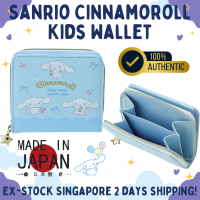
Sanrio Kids Coin & Pass Case Sanrio Cinnamoroll Leather
$32.90
Buy on Lazada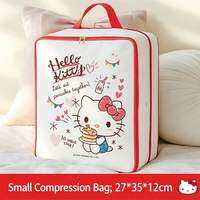
Sanrio | Hello Kitty Travel Storage Bag Luggage Compression Combination Classification Multi functional Travel Dustproof Storage Bag
$5.41$27.61
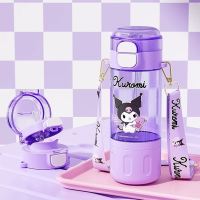
Sanrio Kids Water Bottle Tritan Water Bottle 580ml BPA Free Kuromi My Melody Cinnamoroll
$12.83$12.90
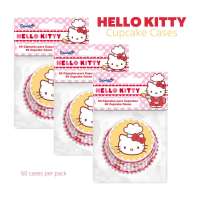
Sanrio Genuine Hello Kitty Baking Cupcake Cases 60 PCS X 3Pk
$5.00$10.00
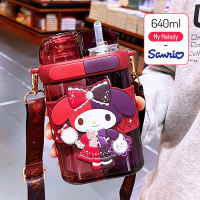
Authentic Sanrio Water Bottle | Tritan Bottle | BPA-Free Bottle | Children Water Bottle | Cinnamoroll Kuromi Pochachoo My Melody Hello Kitty Pompompurin
$19.90$24.90
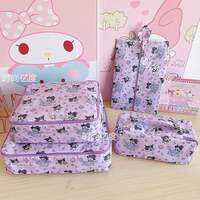
Sanrio | 4pcs Sanrio Hello Kitty Cartoon Shoe Storage Bag Waterproof Travel Organizer Home Storage Supplies For Clothing Holiday Gifts
$9.61$34.10
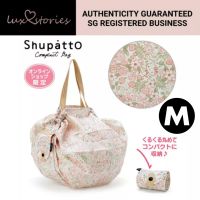
INSTOCK Sanrio Hello Kitty Shupatto Compact Bag | M size
$48.31
Buy on Lazada![[SG Seller]Cinnamoroll Kuromi Pompompurin My Melody School Bag Bagpack Cute bag Cartoon bag Tuition bag cute bag sling bag shoulder bag](https://sg-live.slatic.net/p/b4d8f447a8c93bc8166a377cb5403db9.jpg_200x200q80.jpg)
[SG Seller]Cinnamoroll Kuromi Pompompurin My Melody School Bag Bagpack Cute bag Cartoon bag Tuition bag cute bag sling bag shoulder bag
$22.90
Buy on LazadaAbout Sanrio
Sanrio Co., Ltd. is a Japanese entertainment and lifestyle corporation renowned for creating iconic “kawaii” (cute) characters such as Hello Kitty, My Melody, Cinnamoroll, Kuromi, Pompompurin, Keroppi, and LittleTwinStars. Established in 1960, Sanrio has grown from a modest gift retailer into a global leader in character branding and entertainment, with licensed merchandise available in more than 130 countries.1
Company overview
- Company Name: Sanrio Co., Ltd.
- Founded: 10 August 1960
- Founder: Shintaro Tsuji
- Headquarters: Tokyo, Japan
- Industry: Entertainment, Character Licensing, Consumer Goods, Retail
- Current CEO: Tomokuni Tsuji
- Corporate Philosophy: Minna Nakayoku (“Getting Along Together”)
- Vision: One World, Connecting Smiles2
History
Sanrio was founded on 10 August 1960 by Shintaro Tsuji under the name Yamanashi Silk Center. The business initially focused on selling silk products and household goods. Tsuji operated on the belief that incorporating cheerful, attractive designs into everyday items would imbue them with greater meaning and encourage the social custom of gift-giving.
During the late 1960s and early 1970s, the company diversified its portfolio to include stationery, greeting cards, accessories, and gift items featuring original illustrations. In 1973, the corporate name was officially changed to Sanrio.
The company achieved a significant commercial breakthrough in 1974 with the creation of Hello Kitty, who made her debut on a vinyl coin purse in 1975. The character rapidly evolved into a cultural icon, cementing Sanrio’s status as a global authority in character branding.3
Meaning of the name
The name Sanrio is derived from Spanish words:
- San: Saint
- Rio: River
According to founder Shintaro Tsuji, the name symbolises the aspiration to foster a peaceful culture where people coexist harmoniously, drawing a parallel to historical civilisations that flourished along riverbanks.4
Philosophy
Distinct from entertainment companies that prioritise narrative-driven content, Sanrio was established on the premise that small gifts serve to strengthen interpersonal relationships.
Its core philosophy, Minna Nakayoku (“Getting Along Together”), promotes kindness, friendship, respect, and emotional connection. This ethos is integrated across the company’s characters, merchandise, retail environments, and entertainment experiences.5
Business model
Sanrio operates primarily as an intellectual property (IP) management company. Its business activities encompass:
- Character creation
- Licensing to manufacturers
- Retail operations
- Theme parks
- Publishing
- Animation production
- Mobile gaming
- Collaborations with fashion, food, cosmetics, technology, and luxury brands
- Digital entertainment
Rather than manufacturing all products in-house, Sanrio licenses its characters to thousands of partner companies globally. Consequently, licensing has developed into one of the corporation’s primary revenue streams.6
Major characters
Throughout its history, Sanrio has created more than 450 distinct characters.7 Notable examples include:
| Character | Debut | Description |
|---|---|---|
| Hello Kitty | 1974 | Friendly girl from London symbolising friendship |
| My Melody | 1975 | Sweet rabbit wearing a red hood |
| LittleTwinStars | 1975 | Twin siblings Kiki and Lala from the stars |
| Keroppi | 1988 | Energetic frog with a love for adventure |
| Badtz-Maru | 1993 | Mischievous penguin with a rebellious attitude |
| Pompompurin | 1996 | Relaxed golden retriever wearing a brown beret |
| Cinnamoroll | 2001 | White puppy with long ears capable of flight |
| Kuromi | 2005 | Playful rival of My Melody with a punk-inspired aesthetic |
| Gudetama | 2013 | Lazy egg representing everyday exhaustion |
Hello Kitty
Hello Kitty serves as Sanrio’s flagship character and ranks among the most valuable fictional brands worldwide. Key details regarding the character include:
- Created by illustrator Yuko Shimizu
- Debuted in 1974
- Full name: Kitty White
- Birthday: 1 November
- Residence: Suburban London
- Family: Has a twin sister named Mimmy
- Classification: Officially portrayed as a little girl rather than a feline, despite her cat-like appearance8
Products
Sanrio characters are featured on an extensive range of merchandise, including:
- Stationery
- Plush toys
- Clothing
- Bags
- Jewellery
- School supplies
- Kitchenware
- Cosmetics
- Home décor
- Electronics
- Video games
- Collectibles
The company also maintains strategic collaborations with major international brands across the fashion, technology, food, and luxury sectors.
Theme parks
In Japan, Sanrio owns and operates dedicated themed attractions, including:
- Sanrio Puroland
- Harmonyland
These venues offer rides, live stage shows, character meet-and-greets, dining facilities, and seasonal events centred on Sanrio’s IP portfolio.
Global presence
Sanrio characters are currently licensed in over 130 countries and regions. The corporation manages its international operations through regional subsidiaries and licensing partners spanning Asia, Europe, North America, South America, and Oceania.9
Cultural impact
Sanrio has been instrumental in popularising Japan’s kawaii culture internationally. Its characters have become enduring symbols of friendship, nostalgia, self-expression, and positivity, resonating with both children and adult demographics. Through sustained collaborations with artists, fashion designers, sports teams, and global brands, Sanrio has maintained significant cultural relevance for decades.
Fun facts
- Sanrio has created more than 450 characters since its inception.10
- Hello Kitty first appeared on a small vinyl coin purse.
- The company’s original business model centred on gift-giving as a mechanism for building relationships.
- The corporate motto, Minna Nakayoku, translates to “Getting Along Together”.
- Sanrio continues to diversify beyond physical merchandise into games, animation, digital experiences, and other entertainment initiatives.11
References
- Corporate Website | Sanrio Company, Ltd.
- Company History | Sanrio Company, Ltd.
- Company Profile | Sanrio Company, Ltd.
- At 50, Hello Kitty is as ‘kawaii’ and lucrative as ever
- Message from the Founder | Sanrio
- About Sanrio
- From sumo to football: Hello Kitty aims for world domination
- The Secret to Hello Kitty’s Half-Century of Success
- About Sanrio | Sanrio Company, Ltd.
- Corporate Website | Sanrio Company, Ltd.
- 企業情報サイト | 株式会社サンリオ