Shop on Lazada
Sebamed products
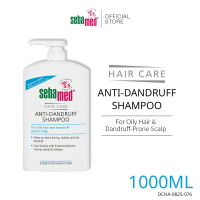
sebamed Hair Care Anti-Dandruff Shampoo
$50.90$54.00
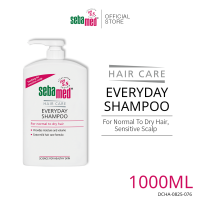
sebamed Everyday Shampoo
$58.50$62.20
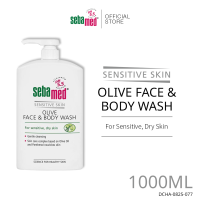
sebamed Sensitive Skin Olive Face & Body Wash
$66.00$70.20
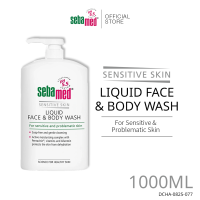
sebamed Sensitive Skin Liquid Face & Body Wash
$63.80$67.74
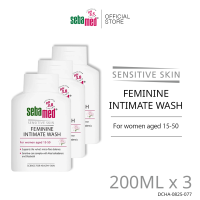
sebamed Feminine Intimate Wash pH3.8
$55.30$59.40
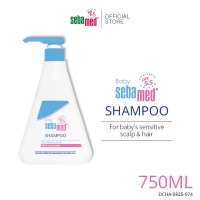
Baby sebamed Childrens Shampoo
$40.40$42.90
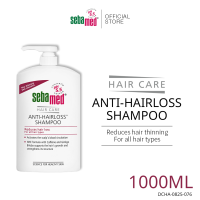
sebamed Hair Care Anti-Hairloss Shampoo
$81.40$86.50
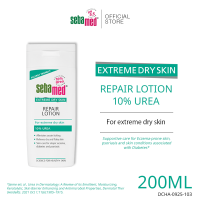
sebamed Extreme Dry Skin Repair Lotion 10% Urea 200ml
$20.10$21.40
About Sebamed
Brand Overview
Sebamed is a German skincare and personal care brand owned by Sebapharma GmbH & Co. KG, distinguished by its focus on medicinal skincare and soap-free cleansing products formulated at pH 5.5 12. The brand positions itself within the dermatological sector rather than conventional cosmetics, emphasising the maintenance of the skin’s natural protective barrier through scientifically developed formulations 214. Sebapharma currently reports that Sebamed products are manufactured in Germany and distributed in approximately 100 countries worldwide 26.
Quick Facts
| Category | Information |
|---|---|
| Brand | Sebamed |
| Country of origin | Germany |
| Parent company | Sebapharma GmbH & Co. KG |
| Founder | Dr Heinz Maurer |
| Origins | 1950s–1960s |
| First major product | Soap-free cleansing bar |
| Key proposition | pH 5.5 + soap-free cleansing |
| Positioning | Medicinal / dermatological skincare |
| Manufacturing | Germany |
| Global presence | Around 100 countries |
| Company employees | 437 |
| Products listed | 168 |
| Scientific documentation | Over 400 studies cited |
| Major categories | Face, body, hair, baby & child, sun care, anti-aging, sensitive skin, dry skin, men’s care |
Source data indicates that Sebapharma operates five locations and employs 437 people across its business operations 26. The company states that more than 400 scientific studies support the skin compatibility of its Sebamed range 2.
Core Concept: pH 5.5 and Soap-Free Cleansing
The central tenet of the Sebamed brand is the physiological pH value of healthy skin, which the company identifies as 5.5 1014. Unlike traditional soaps, which are produced through the reaction of fats with alkalis and typically result in an alkaline environment, Sebamed utilises synthetic detergent-based cleansing agents known as syndets 413. This technology allows formulations to remain mildly acidic, matching the natural acid mantle of the skin 1011.
Sebamed argues that maintaining this acidic environment supports the skin barrier, aids moisture retention, protects against environmental irritants, and sustains a healthy skin microbiome 1113. It is important to note that pH 5.5 serves as a core formulation philosophy and reference point rather than a universal constant; the brand acknowledges that skin pH varies by body location, age, and individual factors 12. Consequently, not every product in the portfolio adheres strictly to this value, with specific exceptions made for certain intimate care products, lip balms, and specialised urea treatments where different pH levels are physiologically appropriate 12.
History and Development
Origins and Founding
The brand’s origins trace back to the work of Dr Heinz Maurer, a German physician and dermatologist who identified deficiencies in conventional cleansing methods for patients with sensitive or diseased skin during the 1950s 35. In 1956, Maurer successfully developed a cleansing product based on surfactants rather than traditional soap, designed around the skin’s slightly acidic pH 47. This innovation challenged prevailing personal hygiene norms and laid the groundwork for what would become a new category of medicinal skincare 57.
Commercial Launch and Expansion
The first Sebamed soap-free cleansing bar was commercially introduced in 1967, establishing the brand’s identity in the German market 58. Throughout the 1970s and 1980s, the product line expanded significantly beyond the original bar format:
- Liquid Face & Body Wash (1970) 8
- Lotion (1974) 8
- Cream Bubble Bath (1979) 8
- Anti-Dandruff Shampoo (1981) 818
- Cream (1982) 8
In 1983, Sebapharma GmbH & Co. KG was established in Boppard as the sales company for businesses associated with the Maurer group, with Sebamed becoming its flagship international brand 8.
Modern Era
By 2006, Sebapharma reported that 70 Sebamed products were available in over 80 countries, supported by more than 120 scientific documentations 9. The portfolio continued to diversify into specialised areas including dry skin (2004), anti-aging (2005), and blemish-prone skin (2011) 9. Recent corporate developments include the commencement of a new production facility in Pfalzfeld in 2021, the acquisition of Rudolf Dankwardt GmbH in Norderstedt in 2023, and a comprehensive brand rebranding in 2024 615.
Product Portfolio
Sebamed maintains a broad portfolio categorised by specific dermatological needs and body areas 1617.
Facial Care
The facial range encompasses cleansers, cleansing foams, moisturisers, anti-aging products, eye creams, acne-oriented treatments, and sun protection. The official international catalogue lists dozens of distinct facial care items tailored to various skin conditions.
Body Care
Body products include shower gels, body lotions, cleansing emulsions, shower oils, urea-based treatments, deodorants, and specialised hand and foot care formulations.
Hair Care
Shampoos and scalp-care products address everyday cleansing, dry or oily scalps, dandruff, and hair loss-related concerns. These products utilise the same pH 5.5 approach to maintain scalp health.
Baby and Child
A dedicated Baby & Child range follows the brand’s general philosophy of mild cleansing and skin-barrier support, formulated specifically for delicate young skin 1617.
Specialised Categories
- Sun Care: Includes SPF 30, SPF 50, and SPF 50+ protection products.
- Dry Skin: Features products containing urea at concentrations such as 5% and 10%, alongside specialised cleansers and moisturisers.
- Men’s Care: Products marketed specifically towards male grooming and skincare needs.
- Intimate Care: Specialised wash products with formulations adapted to the specific physiological requirements of intimate areas, which may differ from the standard pH 5.5 benchmark 12.
Scientific Positioning and Manufacturing
Sebamed occupies a distinct position between mass-market beauty brands and prescription dermatology, often described as “pharmacy-style” or medicinal skincare 14. The brand emphasises clinical and dermatological testing over cosmetic trends, citing extensive research to validate skin compatibility claims 214. Its scientific narrative focuses on the relationship between pH, the skin barrier, the microbiome, and overall skin health, rather than superficial aesthetic benefits 1113.
Manufacturing remains centred in Germany, a strategy the company states ensures consistent control over raw materials, production quality, and skin compatibility standards 215. Sebapharma lists operational locations in Boppard, Norderstedt, Pfalzfeld, Hong Kong, and Shanghai, supporting its distribution network across approximately 100 countries 615.
Target Audience and Differentiation
Historically, Sebamed has been most strongly associated with consumers seeking gentle, dermatologically oriented skincare. Key target groups include individuals with sensitive or dry skin, those requiring mild daily cleansers, parents seeking infant care products, and consumers who prefer science-led brands over traditional cosmetics. However, the brand also offers products for normal skin types, indicating it is not exclusively aimed at those with dermatological conditions.
The brand’s primary differentiation lies in its combination of soap-free syndet technology, the pH 5.5 formulation philosophy, German manufacturing heritage, and a strictly scientific identity. While many skincare brands have complex positioning, Sebamed’s value proposition is consistently anchored in the concept of respecting the skin’s natural protective barrier through physiologically compatible cleansing 1014.
Considerations and Limitations
While Sebamed is widely recognised for its pH 5.5 concept, several nuances warrant attention. Skin pH is variable, and the 5.5 benchmark should be understood as a formulation target for healthy skin rather than an absolute requirement for all individuals or body sites 12. Furthermore, “soap-free” denotes the use of synthetic detergents rather than the absence of chemical ingredients; these products still contain surfactants and other active compounds. Consumers are advised to evaluate specific product formulations individually, as ingredients and intended purposes vary across the extensive portfolio. Finally, while the company cites over 400 studies supporting skin compatibility, marketing claims should be distinguished from independent clinical evidence applicable to every user 2.
References
- Sebamed – Wikipedia
- About us – Sebamed
- Sebamed – Wikipedia
- Sebamed – Wikipedia
- Sebamed – Wikipedia
- About us – Sebamed
- Sebamed – Wikipedia
- Our history – sebamed
- Our history – sebamed
- Sebamed – Wikipedia
- Sebamed – Wikipedia
- Sebamed – Wikipedia
- Sebamed – Wikipedia
- About us – Sebamed
- About us – Sebamed
- About Sebamed
- About Sebamed
- Brand Story – Sebamed UK