Shop on Lazada
Seiko products
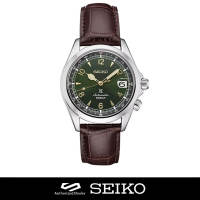
SEIKO PROSPEX Mens Mechanical Watch SPB121J1 with 6R Movement Water Resistant
$558.00$896.00
PROSPEX ALPINIST GLACIER MOUNTAINEER SPB339J1 Limited Edition Mens Automatic Watch with Extreme Performance and Classic Design for Outdoor Enthusiasts
$858.54$1,998.17
PROSPEX SSC813P1 SPEEDTIMER 1969 RECREATION SOLAR WATCH Japan Made Mens Sports Watch with Chronograph Luminous Hands and Date Display for Outdoor Activities
$450.00
Buy on Lazada![[Watchspree] Seiko 5 Sports Automatic GMT SKX Sports Style Silver Stainless Steel Band Watch SSK001K1](https://sg-live.slatic.net/p/a391f07f31ee647b5d39543638e7147e.jpg_200x200q80.jpg)
[Watchspree] Seiko 5 Sports Automatic GMT SKX Sports Style Silver Stainless Steel Band Watch SSK001K1
$473.90$782.00
![[Watchspree] Seiko 5 Sports Automatic GMT SKX Sports Style Silver Stainless Steel Band Watch SSK003K1](https://sg-live.slatic.net/p/fd7271d808edae8124bb494cf4fec63c.jpg_200x200q80.jpg)
[Watchspree] Seiko 5 Sports Automatic GMT SKX Sports Style Silver Stainless Steel Band Watch SSK003K1
$473.90$782.00
![[JDM] BNIB SEIKO PROSPEX 1970 MECHANICAL DIVERS CONTEMPORARY DESIGN SBDC143 SPB237J1 SPB237 MADE IN JAPAN Men Watch](https://sg-live.slatic.net/p/6b62f584c28be3b13702964ed59664f5.jpg_200x200q80.jpg)
[JDM] BNIB SEIKO PROSPEX 1970 MECHANICAL DIVERS CONTEMPORARY DESIGN SBDC143 SPB237J1 SPB237 MADE IN JAPAN Men Watch
$1,458.88$1,899.00
![[Luxolite] Seiko SRPG59K1 Prospex Save The Ocean Penguin Baby Tuna Automatic Divers Mens Watch Rubber Band SRPG59](https://sg-live.slatic.net/p/ebe66bc48387b6d482cc63e6ff9a9e95.png_200x200q80.jpg)
[Luxolite] Seiko SRPG59K1 Prospex Save The Ocean Penguin Baby Tuna Automatic Divers Mens Watch Rubber Band SRPG59
$475.00$999.00
![[Watchspree] Seiko 5 Sports Automatic Silver Stainless Steel Band Watch SRPD61K1](https://sg-live.slatic.net/p/25ff408965bc8dd7d8de0eb65f131f89.jpg_200x200q80.jpg)
[Watchspree] Seiko 5 Sports Automatic Silver Stainless Steel Band Watch SRPD61K1
$272.60$428.00
About Seiko
Seiko is a Japanese watchmaker and one of the world’s most influential manufacturers of watches, clocks, timing systems, electronic devices, and precision instruments. Founded in 1881 by Kintaro Hattori, the company is renowned for combining traditional craftsmanship with technological innovation. Over more than 140 years, Seiko has introduced numerous industry-first inventions, including the world’s first commercially available quartz wristwatch, and remains one of the few fully integrated watch manufacturers capable of designing and producing nearly every component of its timepieces in-house.1
Overview
- Founded: 1881
- Founder: Kintaro Hattori
- Headquarters: Tokyo
- Industry: Watches, clocks, precision instruments, electronic devices
- Parent Company: Seiko Group Corporation
- Area Served: Worldwide
- Known For:
- Mechanical watches
- Quartz watches
- Spring Drive technology
- GPS Solar watches
- Professional dive watches
- Sports timing systems
History
Seiko’s story began in 1881, when Kintaro Hattori, then only 21 years old, opened a shop in Tokyo that sold and repaired clocks and watches. His business quickly gained a reputation for quality and reliability. In 1892, he established Seikosha, a factory dedicated to manufacturing clocks. The name “Seikosha” roughly translates to “House of Exquisite Workmanship”.2
The company entered wristwatch production in 1913 with the Laurel, recognised as Japan’s first wristwatch. In 1924, the company released its first watch bearing the Seiko name, establishing the brand identity that continues today.1
During the 20th century, Seiko became known for pushing technological boundaries, often competing directly with Swiss manufacturers in precision and innovation.
Major Innovations
Japan’s First Wristwatch (1913)
The Laurel marked Japan’s entry into modern wristwatch production and demonstrated Seiko’s ambition to compete internationally.1
Grand Seiko (1960)
Introduced in 1960, Grand Seiko was created to achieve the highest standards of precision, durability, and finishing. Today it operates as Seiko’s luxury watch brand, known for exceptional craftsmanship and highly accurate mechanical, quartz, and Spring Drive movements.1
The Quartz Revolution (1969)
One of Seiko’s greatest achievements came in 1969 with the launch of the Seiko Quartz Astron, the world’s first commercially available quartz wristwatch.
The Astron transformed the watch industry by offering:
- Unprecedented accuracy
- Lower maintenance
- Greater affordability over time
- Mass production potential
This breakthrough reshaped global watchmaking and initiated what became known as the Quartz Revolution.1
Spring Drive (1999)
After decades of research, Seiko introduced Spring Drive, a unique movement that combines:
- Mechanical mainspring power
- Electronic regulation
- Smooth sweeping second hand
- Extremely high accuracy
Spring Drive is widely regarded as one of the most innovative movement technologies in modern horology.1
GPS Solar Technology
Seiko later developed Astron GPS Solar, which automatically connects to GPS satellites to determine the wearer’s time zone while being powered entirely by light, eliminating the need for regular battery replacement.3
Manufacturing Philosophy
Unlike many watch brands that purchase movements from third parties, Seiko is vertically integrated. It designs and manufactures most of its own components, including:
- Mechanical movements
- Quartz movements
- Springs
- Cases
- Dials
- Hands
- Crystals
- Lubricants
- Integrated circuits
This level of in-house production allows Seiko to maintain consistent quality and pursue proprietary technologies.2
Major Watch Collections
Seiko 5 Sports
An affordable automatic watch collection known for durability, reliability, and everyday wear. It is often recommended as an entry point into mechanical watches.
Prospex
Designed for professionals and enthusiasts, the Prospex line includes:
- Dive watches
- Aviation watches
- Land exploration watches
Many Prospex models comply with ISO standards for diving.
Presage
A dress-oriented collection emphasising traditional Japanese aesthetics, mechanical movements, and refined finishing.
Astron
Features advanced GPS Solar and high-end quartz technology aimed at frequent travellers.
King Seiko
Originally introduced in the 1960s, King Seiko has been revived as a premium collection emphasising classic Japanese design and mechanical precision.
Grand Seiko
The company’s luxury division, offering meticulously handcrafted watches recognised for exceptional finishing, precision, and movement technology.
Sports Timing
Beyond manufacturing watches, Seiko is a global leader in professional sports timing.
The company has served as official timekeeper for numerous international competitions, including athletics championships and Olympic events, developing sophisticated timing systems capable of measuring results with extreme precision.1
Design Philosophy
Seiko emphasises several core principles:
- Precision
- Reliability
- Practical functionality
- Long-term durability
- Continuous innovation
- Japanese craftsmanship
Many collections incorporate subtle design inspirations drawn from Japanese nature, architecture, and traditional craftsmanship.
Global Reputation
Seiko enjoys a reputation for producing watches that deliver strong value across a wide price range. Its offerings span:
- Affordable everyday watches
- Professional tool watches
- Luxury mechanical timepieces
- High-precision quartz models
- Cutting-edge hybrid technologies
Collectors frequently praise Seiko for its movement innovation, reliability, and extensive catalogue of iconic models.
Legacy
Seiko’s influence extends well beyond Japan. The company fundamentally changed the global watch industry through its pioneering quartz technology while continuing to advance mechanical watchmaking. Today, it remains one of the few manufacturers with expertise across mechanical, quartz, solar, GPS, and hybrid movement technologies, making it one of the most diverse and historically significant names in horology.2