Shop on Lazada
SHIMANO products
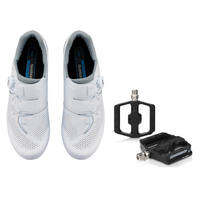
SHIMANO | Non-Lock Flat Pedal Cycling Shoes For Road Mountain Biking
$217.45$228.39
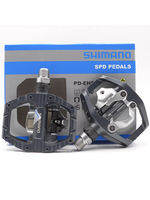
SHIMANO | Bike Pedal Mountain Single-Side Lock Self-Locking Platform
$140.58
Buy on Lazada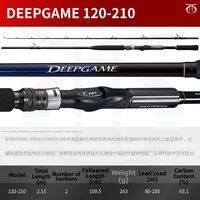
SHIMANO | Electric Fishing Rod Deep Sea Boat Rod 73T Big Game Jigging
$348.91
Buy on Lazada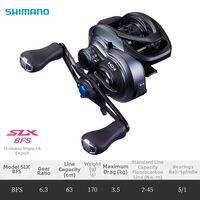
SHIMANO | SLX BFS Saltwater and Freshwater Casting Fishing Reel for Long Throws and Lightweight Bait
$385.40
Buy on Lazada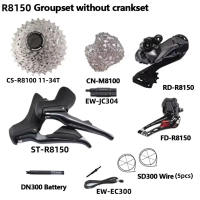
Shimano ULTEGRA R8150 Di2 Rim Brake Electronic Groupset 2x12S R8150 Front Rear Derailleur Cassette DN300 EC300 JC304 SD300 Road Bicycle Di2 Set
$1,436.06$1,850.00
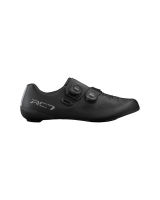
Shimano RC703 Road Cycling Shoes SH-RC703 RC7 Wide Fit SPD-SL Dual Dial BOA Fit System Clipless Bicycle Footwear
$266.00$280.00
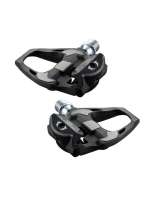
Shimano Ultegra PD-R8000 SPD-SL Clipless Triathlon Road Bike Time Trial Bicycle Pedals
$166.94$173.90
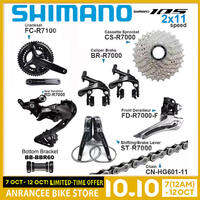
Shimano 105 R7000 Groupset 2x11 Speed Road Bike R7100 Crankset R7000 Front Rear Derailleur Cassette Shifter Brake Chain BB Bike Parts
$582.29$980.00
About SHIMANO
SHIMANO Inc. is a Japanese multinational manufacturer best known for producing high-performance bicycle components, fishing tackle, and rowing equipment. Founded in 1921, SHIMANO has grown into one of the world’s most influential companies in the cycling industry, supplying components for recreational riders, professional racers, and bicycle manufacturers globally.1 The company is widely recognised for its precision engineering, innovation, and durable products. It maintains significant manufacturing and business operations in Singapore, which serves as a key hub for its regional activities.
Company Overview
- Company Name: SHIMANO Inc.
- Japanese Name: 株式会社シマノ (Kabushiki-gaisha Shimano)
- Founded: February 1921
- Founder: Shozaburo Shimano
- Headquarters: Sakai, Japan
- Industry: Manufacturing
- Main Businesses:
- Bicycle Components
- Fishing Tackle
- Rowing Equipment
- Markets Served: Worldwide
- Products Sold In: More than 100 countries
- Official Website: shimano.com
History
SHIMANO was established in 1921 by Shozaburo Shimano in Sakai, Osaka, Japan. The company began as a small workshop specialising in manufacturing bicycle freewheels, which were difficult to produce at the time due to the precision machining required.
During the following decades, SHIMANO expanded its manufacturing capabilities and steadily became one of Japan’s leading bicycle component producers.
Major milestones include:
- 1921 – Company founded and production of bicycle freewheels begins.
- 1956 – Introduction of SHIMANO external gear systems.
- 1970 – Entry into the fishing tackle business.
- 1972 – Listed on the Osaka Securities Exchange.
- 1973 – First overseas factory established in Singapore.
- 1984 – Introduction of SHIMANO Index System (SIS), revolutionising indexed gear shifting.
- 1990 – Launch of SHIMANO Pedaling Dynamics (SPD), a clipless pedal system.
- 2009 – Commercial release of Di2 electronic shifting.
- 2021 – SHIMANO celebrates its 100th anniversary.
Business Segments
Bicycle Components
SHIMANO is the world’s largest manufacturer of bicycle drivetrain and braking components. Its products are found on bicycles ranging from entry-level commuter bikes to elite professional racing machines.
Major component categories include:
- Groupsets
- Cranksets
- Derailleurs
- Shifters
- Brakes
- Wheels
- Pedals
- Chains
- Cassettes
- Hubs
- Bottom Brackets
- Cycling Shoes
Its products are used by many bicycle manufacturers worldwide and are common in road, mountain, gravel, BMX, trekking, and electric bicycles.
Fishing Tackle
SHIMANO entered the fishing market in 1970.
Its fishing division manufactures:
- Spinning reels
- Baitcasting reels
- Fishing rods
- Fishing apparel
- Fishing accessories
Popular fishing technologies include:
- HAGANE Gear
- X-Ship
- MicroModule Gear
- Infinity Drive
The fishing business has become one of SHIMANO’s largest revenue sources.
Rowing Equipment
SHIMANO also manufactures equipment for competitive rowing, including:
- Shoes
- Stretchers
- Foot systems
Although much smaller than its cycling and fishing divisions, SHIMANO supplies equipment used in international rowing competitions.
Bicycle Groupsets
SHIMANO organises its bicycle components into groupsets for different riding styles and budgets.
Road Bike Groupsets
| Level | Groupset |
|---|---|
| Professional | Dura-Ace |
| High Performance | Ultegra |
| Enthusiast | 105 |
| Mid-range | Tiagra |
| Entry | Sora |
| Recreational | Claris |
| Beginner | Tourney |
Mountain Bike Groupsets
- XTR
- Deore XT
- SLX
- Deore
- CUES
- Alivio
- Acera
- Altus
- Tourney
Gravel
- GRX
Designed specifically for gravel and adventure riding.
Major Technologies
SHIMANO Index System (SIS)
Introduced in 1984, SIS made gear changes faster and more accurate by indexing shift positions instead of relying solely on rider feel.
SHIMANO Total Integration (STI)
Allows riders to shift gears and brake from the same lever without moving their hands from the handlebars.
SPD (SHIMANO Pedaling Dynamics)
Released in 1990, SPD is SHIMANO’s clipless pedal system, widely used in mountain biking, gravel riding, touring, and indoor cycling.
Di2 (Digital Integrated Intelligence)
Di2 is SHIMANO’s electronic shifting system, replacing mechanical cables with electronic switches and motors for fast, consistent gear changes.
HOLLOWTECH II
A crankset technology that combines a hollow forged crank arm with an external bottom bracket to improve stiffness while reducing weight.
Hyperglide+
A drivetrain technology designed to provide smoother shifting, particularly under pedaling load.
Innovation
SHIMANO invests heavily in:1
- Precision machining
- Cold forging
- Carbon composite engineering
- Electronic drivetrain systems
- Manufacturing automation
- Material science
The company performs much of its design and manufacturing in-house to maintain quality and consistency.
Manufacturing
SHIMANO operates manufacturing plants and business offices across Asia, Europe, and the Americas. The company maintains production facilities in countries including:
- Japan
- Singapore
- Malaysia
- China
- Cambodia
- Philippines
It also has regional sales and distribution companies serving major cycling markets worldwide.1
Competitive Position
SHIMANO is widely regarded as the global market leader in bicycle components, particularly in performance drivetrains and braking systems. It competes with companies such as:
- SRAM
- Campagnolo
- Microshift
Its products are commonly specified by bicycle manufacturers due to their broad compatibility, reliability, and extensive dealer network.
Brand Reputation
SHIMANO is known for:
- High manufacturing quality
- Reliable performance
- Long product lifespan
- Broad compatibility across product ranges
- Strong global service and dealer support
Its components are used by everyone from casual commuters to professional athletes competing in events such as the Tour de France and the UCI Mountain Bike World Cup.
Corporate Philosophy
SHIMANO’s mission emphasises promoting healthy lifestyles and outdoor recreation through cycling and fishing. The company focuses on developing products that combine performance, durability, and engineering precision while supporting sustainable manufacturing and long-term innovation.1