Shop on Lazada
spao products
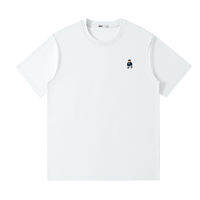
spao | Couple Summer Cotton Short Sleeve T-Shirt
$29.85$30.11
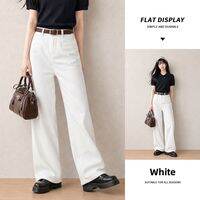
spao | High Waist Slimming Tencel Jeans
$62.86
Buy on Lazada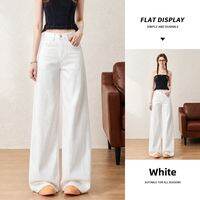
spao | 3-way Protection Tencel Denim Pants
$57.63
Buy on Lazada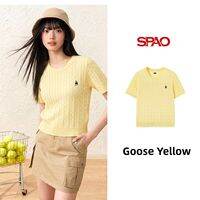
spao | Korean Bear Casual Knitted Polo Shirt Grey Short Sleeve for Summer
$48.58$77.28
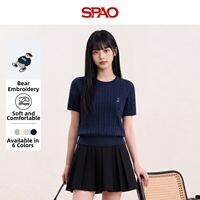
spao | Retro Design Dark Blue Cable Stitch Short Sleeve Sweater
$48.19$92.96
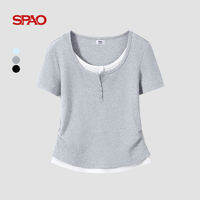
spao | Blue Two-piece Illusion Short Sleeve T-shirt Womens Shaping Slim-fit Summer Tops
$35.44$82.56
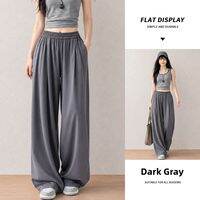
spao | Grey Summer Loose Straight Wide-leg Casual Pants
$35.64
Buy on Lazada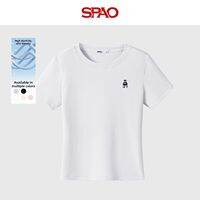
spao | Slim Fit Round Neck Short Sleeve T Shirt
$25.64$71.60
About spao
spao (Korean: 스파오) is a South Korean SPA (Specialty store retailer of Private-label Apparel) fashion brand operated by E-Land World, a subsidiary of the E-Land Group. Established in 2009, it was developed as a domestic alternative to international fast-fashion retailers such as Uniqlo and Zara. E-Land describes spao as Korea’s first global SPA fashion brand.
Overview
| Category | Information |
|---|---|
| Brand name | spao / 스파오 |
| Industry | Fashion / Apparel |
| Type | SPA / Fast fashion |
| Founded | 2009 |
| Parent company | E-Land World / E-Land Group |
| Country of origin | South Korea |
| Headquarters | Seoul, South Korea |
| Main market | South Korea |
| Products | Men’s, women’s and children’s clothing, innerwear, accessories and lifestyle/fashion items |
| Positioning | Affordable, high-quality Korean-oriented basics and trend fashion |
| Target | All generations, with particularly strong appeal among younger consumers |
| Brand vision | Global No. 1 SPA brand |
The brand emphasises four key areas of localisation: patterns suited to Korean body types, carefully sourced materials, colours complementary to Korean skin tones, and accessible pricing. Its brand personality is defined as “high quality / surprising prices / Korean-style basics”.
History
Background
spao was created by E-Land, a Korean fashion and retail group with decades of experience in the apparel sector. By the late 2000s, international SPA brands had become increasingly influential in the Korean fashion market. In July 2009, E-Land announced the launch of spao as its entry into the fast-fashion sector, explicitly positioning the brand against major international competitors including Uniqlo, Zara and H&M.1
E-Land stated that spao would leverage its existing strengths in fashion design, rapid product planning, global sourcing, large-scale production, distribution and retail operations. The original concept was to create a Korean global SPA brand rather than simply importing or licensing an overseas fashion concept.2
Name
The name spao is built around the term SPA, with the additional “O” associated with concepts such as “Original”, “OK” and “Oasis” in early brand descriptions. Contemporary reporting also described spao as an abbreviation for “specialty retailer of private-label apparel original”.
Launch in 2009
The first major flagship store opened in Myeong-dong, Seoul, in November 2009. This outlet was deliberately large, spanning approximately 2,875–3,300 m² across five storeys, making it one of the largest single-brand fashion stores in the area at the time. It was positioned as a significant statement against foreign SPA brands.10
The launch was closely tied to Korea’s entertainment industry. Girls’ Generation (SNSD) and Super Junior, both associated with SM Entertainment, featured in early marketing and promotional activities.5 This association helped differentiate spao from the more globally standardised image of competitors like Uniqlo.
Business model
spao follows the standard SPA model, in which the company exercises substantial control over product planning, sourcing, manufacturing, distribution and retail. This vertical integration allows the brand to identify consumer demand, design products, source materials, manufacture at scale, distribute through its own channels and sell directly to consumers, thereby reducing unnecessary intermediaries and maintaining accessible price points.
A key distinction of spao’s approach is its focus on combining this model with Korean consumer preferences. The launch strategy emphasised designs and colours adapted specifically for Korean consumers rather than replicating foreign SPA formulas.3
Brand philosophy
The official brand philosophy is summarised as: “Good fit + good materials + suitable colors + reasonable prices”. The brand was founded on the premise of providing clothing that fits Korean body types, uses quality materials, complements local skin tones and remains affordable.
Pattern
Patterns are developed through E-Land’s design studio with specific consideration for Korean body shapes.
Materials
Materials are sourced internationally from regions including India, Inner Mongolia and Australia.
Colours
The colour research process selects shades intended to work well with Korean skin tones.
Price
Affordable pricing is a central pillar of the brand. Rather than competing solely on being the cheapest retailer, spao aims to communicate “good quality for an accessible price”.
Product range
spao has evolved into a broad lifestyle-oriented apparel retailer. Its offerings are organised into categories including women’s, men’s, kids, collaborations, casual clothing, basics, innerwear, seasonal clothing, accessories and character/collaboration merchandise.4
Men’s fashion
Men’s products emphasise casual and everyday clothing, including T-shirts, shirts, sweatshirts, hoodies, trousers, jeans, outerwear, knitwear and innerwear.
Women’s fashion
Women’s collections cover everyday casual fashion alongside seasonal and trend-oriented pieces.
Basics
Basics are central to spao’s identity. Items such as T-shirts, sweatshirts, underwear and everyday trousers allow the company to compete directly with the core business of other major SPA retailers.
Kids
The brand has expanded into children’s fashion, broadening its appeal beyond youth-oriented demographics.
Target market
spao officially describes its target audience as “All Generation”. However, its image has historically been strongly connected with younger Korean consumers. During its early years, the brand competed primarily on SPA fundamentals: basic clothing, low prices, convenient retail and fast product turnover.
Over time, spao increasingly incorporated pop culture, character merchandise, entertainment collaborations, limited collections, trendy designs and collectible promotional items. This evolution has made the brand particularly visible among teenagers, university students and younger millennial and Gen Z consumers.
Collaboration strategy
A defining characteristic of spao is its extensive use of collaborations and character/IP products. Rather than relying exclusively on conventional fashion branding, the brand utilises recognisable entertainment and pop-culture properties to create limited or seasonal collections.
This strategy serves multiple purposes: generating excitement around ordinary clothing, attracting younger consumers, driving social media engagement, encouraging repeat purchases, transforming inexpensive basics into collectible merchandise and connecting fashion with Korean and international pop culture. This distinguishes spao from the stereotypical image of a purely basics-focused SPA retailer.
Relationship with Korean pop culture
spao’s connection with Korean entertainment dates back to its inception. Its initial promotional campaign featured major K-pop acts including Girls’ Generation and Super Junior, establishing the brand as part of contemporary Korean youth culture from the outset.5
The brand exemplifies the intersection of Korean fashion, K-pop, character culture and affordable retail. Rather than treating celebrity marketing merely as advertising, spao frequently integrates entertainment and pop-culture elements directly into products and retail campaigns.
Position in the Korean fashion market
spao occupies a position comparable to major international SPA brands but maintains a distinctly Korean identity.
| Brand | Origin | General positioning |
|---|---|---|
| spao | 🇰🇷 South Korea | Korean-oriented affordable fashion |
| Uniqlo | 🇯🇵 Japan | Functional basics |
| Zara | 🇪🇸 Spain | Fast-moving trend fashion |
| H&M | 🇸🇪 Sweden | Affordable trend fashion |
| Muji | 🇯🇵 Japan | Minimalist lifestyle/basic goods |
The brand originally entered the market with the explicit intention of challenging foreign SPA brands. E-Land executives described the goal as creating a Korean equivalent of major global brands such as Uniqlo.6 Its competitive advantage lies in combining the scale and price structure of SPA retail with a deep understanding of Korean consumers.
Growth
E-Land reports that spao reached approximately KRW 300 billion in annual revenue within seven years of its launch and subsequently expanded beyond Korea into markets such as China and Malaysia.7 According to E-Land’s sustainability report, spao generated approximately KRW 480 billion in revenue in 2023, ranking it among Korea’s leading SPA brands.8
International expansion
Although spao’s strongest identity and primary market remain Korean, E-Land has pursued international expansion into markets including China and Malaysia. This strategy aligns with spao’s original vision of becoming a global SPA brand rather than remaining exclusively a domestic retailer.9
spao and Korean identity
The brand’s Korean identity extends beyond nationality; it specifically adapts fashion to Korean consumers through body proportions, patterns, colours, styling, pricing and cultural trends. This comprehensive localisation underpins its description of offering “Korean-style basics”.10
In this sense, spao represents part of a broader effort by Korean companies to develop domestic consumer brands capable of competing with global fashion corporations.
Brand positioning
spao currently summarises its positioning around three concepts:
High quality
The company emphasises materials, construction and product development rather than positioning itself purely as a low-cost clothing retailer.
Affordable prices
The SPA business model enables the maintenance of relatively accessible prices.
Korean-style basics
spao combines globally recognisable casual-fashion categories with designs and sizing intended for Korean consumers. Its official brand positioning describes spao as a “national brand” with a mission to provide value and improve consumers’ quality of life.
Corporate ownership
spao operates under E-Land World within the broader E-Land Group. E-Land began as a small clothing store in Seoul in 1980 and subsequently developed into a large Korean retail and fashion conglomerate.11
This background is significant because spao was not created by a startup entering fashion from scratch; rather, it resulted from E-Land applying decades of accumulated apparel and retail experience to the SPA model. E-Land describes the 2009 launch as the culmination of approximately 35 years of fashion-industry experience.12
Current structure
spao’s official store operates under the Fashion Division of E-Land World. Official company information identifies the business as the E-Land World Fashion Business Division, headquartered in Seoul.
Its online presence includes dedicated sections for women’s, men’s, kids, collaborations, store locator, customer service and online shopping.13
Significance
spao is significant for several reasons:
Establishment of a Korean homegrown SPA model
Prior to spao, Korean consumers were increasingly exposed to international SPA brands. spao represented an attempt to build a domestic competitor at comparable scale.
Localisation of the SPA concept
Rather than reproducing foreign fashion, spao emphasised Korean body shapes, colours and consumer preferences.
Integration of fashion and entertainment
Early K-pop marketing and later collaboration-oriented strategies helped make affordable fashion more culturally relevant.
Commercial viability of basics
The brand demonstrated that everyday products—T-shirts, sweatshirts, underwear, trousers and outerwear—could form the foundation of a major Korean fashion brand.
Entrenchment in Korea’s retail landscape
With significant growth since 2009, spao has become one of the most recognisable names in Korean SPA fashion. E-Land’s reported 2023 revenue of approximately KRW 480 billion illustrates the scale it has achieved.14
Timeline
- 2009: E-Land launches spao as Korea’s first global SPA fashion brand.15
- 2009: First flagship store opens in Myeong-dong, Seoul.16
- 2009: Girls’ Generation and Super Junior participate in early promotional campaigns.17
- 2010s: spao expands its retail presence and develops stronger youth/pop-culture positioning.
- 2010s–2020s: The brand increasingly incorporates collaborations and character/pop-culture products alongside conventional basics.
- 2023: E-Land reports approximately KRW 480 billion in spao revenue.18
- 2026: spao continues operating as E-Land World’s major Korean SPA fashion brand, with women’s, men’s, kids and collaboration categories.19
References
- 스파오닷컴 스파오 공식 온라인 스토어
- 스파오닷컴 스파오 공식 온라인 스토어
- [07.15.09] SNSD line – E-Land, challenging UNIQLO – release of SPA brand SPAO
- 우먼 홈 | 스파오닷컴 공식 스토어
- E-Land Group
- 스파오닷컴 스파오 공식 온라인 스토어
- SPAO
- Quality and Affordability, SPAO
- 이랜드
- 이랜드, 5개층 매장 오픈.. ‘명동전쟁 시작된다’
- SPAO
- 스파오닷컴 스파오 공식 온라인 스토어
- 스파오닷컴 스파오 공식 온라인 스토어
- 스파오닷컴 스파오 공식 온라인 스토어
- 스파오 SPAO 공식 이랜드몰 | 아울렛
- 스파오 SPAO 공식 이랜드몰 | 아울렛
- 스파오 매장 찾기
- 스파오 SPAO 공식 이랜드몰 | 아울렛
- 스파오 SPAO 공식 이랜드몰 | 아울렛