Shop on Lazada
Spiegelau products
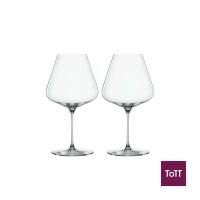
Spiegelau Definition Set of 2Pcs Burgundy Glass 960ml
$91.90$153.00
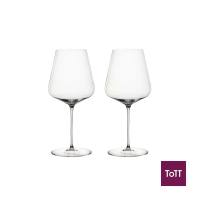
Spiegelau Definition Set of 2Pcs Bordeaux Glass 750ml
$91.90$153.00
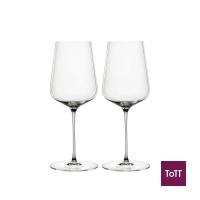
Spiegelau Definition Set of 2Pcs Universal Glass 550ml
$91.90$153.00
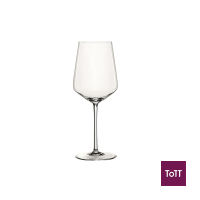
Spiegelau Set of 4 440ml White Wine Glass Ø8.5xH22.2cm Style
$63.90$106.00
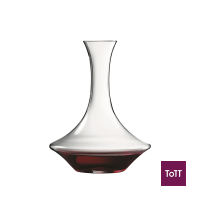
Spiegelau 1.5L Crystal Decanter 24.5xH31.8cm Authentis
$216.90$361.00
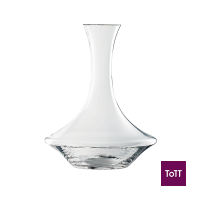
Spiegelau 1L Crystal Decanter 22.8xH29.5cm Authentis
$180.90$301.00
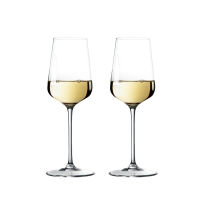
Spiegelau Capri White Wine Glass Ø8xH23.2cm 380ml Set Of 2Pcs
$21.90$35.90
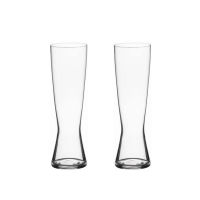
Spiegelau Beer Classics Pilsner Glass Ø6.4xH22cm 425ml-15Oz Set Of 2Pcs
$35.90$59.90
About Spiegelau
Overview
Spiegelau is a German glassware brand best known for premium crystal drinking glasses, particularly wine glasses, beer glasses, cocktail and barware, champagne glasses, spirits glasses, and decanters. The brand positions itself around the combination of traditional German glassmaking expertise, functional design, durability, and relatively accessible pricing rather than purely luxury-oriented craftsmanship.1
Today, Spiegelau belongs to the corporate group associated with Riedel and Nachtmann. Riedel acquired the German glass manufacturer F.X. Nachtmann, including the Spiegelau brand, in 2004.
Basic profile
| Item | Information |
|---|---|
| Brand | Spiegelau |
| Origin | Germany |
| Industry | Glassware / tableware / hospitality |
| Specialty | Crystal drinking glasses and professional glassware |
| Major categories | Wine, beer, champagne, cocktails, gin, spirits, water, decanters |
| Positioning | Premium / professional-oriented but relatively accessible |
| Material | Lead-free crystal glass |
| Manufacturing philosophy | Industrial precision combined with glassmaking expertise |
| Parent group | Riedel / Tiroler Glashütte group |
| Acquisition | Acquired together with F.X. Nachtmann by Riedel in 2004 |
| Core markets | Retail, restaurants, bars, hospitality and home use |
Spiegelau describes its heritage as more than 500 years of glassmaking experience, while emphasising that this heritage is combined with modern industrial production, functionality, and durability.1
Brand identity and specialisation
Spiegelau is a specialist glassware brand whose identity is closely associated with the principle that the shape and construction of a glass should be engineered around the beverage being served. It is not primarily a manufacturer of ordinary household drinking glasses.
The company produces distinct glass forms for beverages including:
- Cabernet and Bordeaux-style red wines
- Burgundy and Pinot Noir
- White wine
- Champagne and sparkling wine
- Beer
- Gin
- Cocktails
- Whisky and other spirits
- Water and soft drinks
- General-purpose drinking
The current range explicitly covers wine, beer, cocktail and barware, gin, spirits, water, and decanters or carafes.1 This focus makes Spiegelau particularly relevant to restaurants, hotels, bars, sommeliers, bartenders, and serious home drinkers.
History and heritage
German glassmaking tradition
Spiegelau’s story is rooted in the long glassmaking tradition of Bavaria and the Bavarian Forest region of Germany. The brand emphasises that it has over five centuries of glassmaking expertise, presenting this heritage not merely as a historical claim but as the foundation for its modern manufacturing philosophy.1
The company developed within the German glass industry and became particularly associated with machine-made, professional-quality glassware. Historically, high-end glassware was often associated with hand-blown production. Spiegelau developed a different proposition: using sophisticated industrial manufacturing to make glasses that retain qualities expected from premium stemware while being more consistent, durable, and commercially scalable.
The 2004 Riedel acquisition
A major milestone occurred in 2004 when Riedel acquired the German glass manufacturer F.X. Nachtmann, whose portfolio included both Nachtmann and Spiegelau. Riedel describes the acquisition as an important step in consolidating and expanding its business.
The three brands are related but maintain distinct market identities:
- Riedel: Generally positioned around wine-focused functional glassware, particularly varietal-specific wine glasses and premium wine culture.
- Spiegelau: Strongly associated with professional, functional, and relatively accessible glassware spanning wine, beer, and barware.
- Nachtmann: More strongly associated with decorative crystal glassware, tumblers, barware, and lifestyle or tabletop products.
Differentiation and market position
The central idea behind Spiegelau is professional performance without making the glass unnecessarily precious. The company explicitly states that it combines functionality, aesthetics, innovation, and industrial production to achieve durability, availability, and attractive pricing.1
This places Spiegelau between two extremes in the glassware market:
- Mass-market glassware: Inexpensive and functional, but usually featuring generic shapes.
- Luxury or artisan stemware: Extremely refined and often handmade, but expensive and potentially delicate.
- Spiegelau: Premium crystal with beverage-specific shapes, designed for professional use with industrial precision, relative durability, and comparative accessibility.
This middle position is considered one of the brand’s primary strengths.
Materials and manufacturing
Lead-free crystal
One of the most important technical aspects of Spiegelau glassware is the material. The company states that since 2015, it has exclusively produced crystal glass without lead oxide as a principal ingredient.1 This is significant because “crystal glass” has historically sometimes been associated with lead crystal.
Spiegelau’s modern approach uses other metal oxides in its crystal-glass composition. The company states this provides properties including brilliance, clarity, durability, resistance to breakage, and dishwasher suitability.1 Consequently, a modern Spiegelau glass described as crystal should not automatically be interpreted as lead crystal.
Glass engineering
Spiegelau pays considerable attention to the physical construction of its glasses, highlighting several structural elements:1
- Rim: A fine, precisely cut rim intended to provide a smooth drinking experience and guide the beverage onto the palate.
- Bowl: A transparent bowl allowing the colour and character of wine or another beverage to be seen clearly.
- Bowl-to-stem connection: Reinforced to improve durability and reduce breakage.
- Stem: Designed to provide a refined appearance while maintaining a comfortable grip.
- Foot: Strengthened for stability and durability.
These features illustrate the broader philosophy that a drinking glass is a functional instrument rather than simply a decorative container.
Manufacturing philosophy
Spiegelau combines traditional glassmaking knowledge with modern industrial technology. The company uses cutting-edge industrial processes to provide consistent quality, durability, large-scale availability, and attractive pricing while maintaining attention to both aesthetics and functionality.1 This explains why Spiegelau can offer premium-looking stemware at a price substantially below some handmade luxury alternatives.
Made in Germany
Spiegelau has a strong German identity, and at least some current collections are explicitly produced in Germany. For example, the Definition glasses are developed and produced in Germany using modern technology.1 However, manufacturing can vary by collection and product, so the country of manufacture should be verified for specific items rather than relying solely on the brand’s German heritage.
Sensory performance and glass shapes
Different beverages behave differently in a glass, and Spiegelau designs different forms to support sensory performance. For wine, the bowl influences how aromas collect, how much air interacts with the wine, how the wine reaches the nose, how the liquid enters the mouth, and how much of the wine’s character can be perceived.
Consequently, a Bordeaux glass does not necessarily have the same shape as a Burgundy glass, and a white-wine glass does not necessarily have the same dimensions as a red-wine glass. Spiegelau explicitly designs different forms for different wine styles with the objective of supporting aroma development.1 This is closely related to the broader functional glassware philosophy also associated with Riedel.
Major collections
Spiegelau has developed numerous collections over the years. Notable current families include:
Definition
Definition is one of the clearest examples of the brand’s modern philosophy. The glasses are exceptionally lightweight, machine-blown, precisely shaped, designed for professional use, and dishwasher safe. The collection includes universal, red-wine, white-wine, and champagne glasses, along with additional pieces such as a decanter and digestif glass. Spiegelau states the glasses are developed and produced in Germany.1 The character is minimalist, lightweight, elegant, and technical.
Authentis
Authentis is one of the brand’s classic functional ranges. Its design philosophy is comparatively restrained, with emphasis on classic shapes and functionality rather than making the glass itself a dramatic visual statement. The character is classic, professional, and understated.1
Hybrid
Hybrid represents a more contemporary direction. Spiegelau describes it as combining expressive design with functional precision, drawing inspiration from both handmade and machine-made glass traditions.1 Compared with Authentis, which is functional and classic, Hybrid is functional but more visually expressive. It is aimed at those who want the performance of professional glassware without a completely traditional appearance.
Lifestyle
Lifestyle is visually decorative, using a distinctive diamond-shaped geometric surface design that creates reflections and light effects. It covers products such as wine glasses, champagne glasses, long-drink glasses, tumblers, and carafes.1 The character is contemporary, decorative, and oriented towards social entertaining.
Beer Classics
Beer is an especially important part of Spiegelau’s identity. The company has produced beer-specific glassware designed around different beer styles rather than treating beer as something that belongs in one generic pint glass. The current portfolio includes products such as the Spiegelau Beer Classics Beer Tulip. This reflects the brand’s broader belief that the correct glass can influence the drinking experience.
Hi-Lite
Hi-Lite belongs to the contemporary barware side of the portfolio. It includes pieces such as cocktail glasses and coupette-style glasses, illustrating Spiegelau’s expansion beyond traditional wine and beer glasses into modern cocktail culture.
Product categories
Wine glasses
Wine is the category most commonly associated with Spiegelau. The brand produces multiple forms designed around different wine styles:1
- Red wine glasses: Larger bowls allow more space for aromas and aeration.
- White wine glasses: Generally narrower bowls help preserve freshness and concentrate aromas.
- Universal glasses: Designed as an all-round compromise for those who do not want a separate glass for every wine.
- Champagne and sparkling glasses: Designed to balance aroma presentation with the preservation and presentation of bubbles.
Beer glasses
Spiegelau is notable for its dedicated beer-glass programme. Different beer styles can benefit from different shapes because the glass can affect head retention, aroma concentration, carbonation perception, mouthfeel, temperature, and visual presentation. This specialisation makes the brand particularly popular among craft-beer enthusiasts and professional beer service providers.
Barware and cocktails
Spiegelau has expanded into the cocktail world. Its current portfolio includes cocktail glasses, coupette glasses, long-drink glasses, tumblers, gin glasses, spirit glasses, and decanters or carafes.1 The philosophy mirrors that of its wine range: different drinks deserve appropriately designed vessels.
Durability and care
Durability is one of Spiegelau’s strongest selling points. Unlike extremely delicate luxury stemware, many Spiegelau glasses are designed specifically for frequent professional use. The company states that most of its glasses can withstand at least 1,000 dishwasher cycles without a demonstrable change in shine or clarity when properly used. Testing is referenced to EN 12875-1:2005 and EN 12875-2:2001.1
This durability is particularly important for restaurants, hotels, bars, catering companies, and large households. However, not every Spiegelau product is automatically dishwasher safe. Products specifically marked “hand wash only” or “not dishwasher safe” should be washed by hand.1
Market positioning and audience
Home and professional use
Spiegelau deliberately serves both domestic and hospitality markets. For home users, its glasses appeal to those seeking better-looking tableware, specialised beer or cocktail glasses, durable crystal, and dishwasher compatibility. For hospitality professionals, the brand is suited to restaurants, wine bars, hotels, breweries, cocktail bars, and catering operations. Spiegelau explicitly describes its products as designed for both home and professional hospitality use.1
Comparison with Riedel
While there is substantial overlap, the brands occupy distinct positions. Riedel places stronger emphasis on wine culture, varietal-specific glassware, and premium or luxury positioning. Spiegelau focuses on professional functionality, durability, broad beverage coverage, and value. Nachtmann centres on decorative crystal, lifestyle, and tabletop aesthetics.
It would be inaccurate to characterise Spiegelau simply as a cheaper alternative to Riedel. A more precise description is that Spiegelau is a professional-oriented premium glassware brand with a strong emphasis on performance, durability, and value.
Competitive landscape
For those shopping for high-quality glassware, the positioning can be understood as follows:
| Brand | General character | Main strength |
|---|---|---|
| Spiegelau | Professional + accessible | Performance and value |
| Riedel | Wine-focused + premium | Wine-specific shapes |
| Zalto | Ultra-light + luxury | Extremely refined stemware |
| Schott Zwiesel | Practical + durable | Tritan durability and everyday use |
| Nachtmann | Decorative + lifestyle | Crystal aesthetics and barware |
Spiegelau’s niche is arguably the enthusiast who wants genuinely good glassware without paying exclusively for prestige or extreme delicacy.
Target audience
Spiegelau’s audience can be divided into five groups:
- Wine enthusiasts: Those who want different glasses for different wines without necessarily spending heavily on ultra-luxury stemware.
- Craft-beer enthusiasts: A key audience given Spiegelau’s substantial beer-glass tradition.
- Cocktail enthusiasts: Those seeking proper coupette, long-drink, gin, and cocktail glasses.
- Hospitality professionals: Restaurants, hotels, and bars benefiting from the combination of presentation and durability.
- Design-conscious households: Those wanting everyday tableware that feels sophisticated without becoming impractical.
Brand philosophy
Spiegelau’s philosophy can be reduced to four core ideas:1
- Function: The glass should improve the drinking experience.
- Design: The glass should look elegant without sacrificing usability.
- Durability: Premium glassware should be usable frequently, not treated as museum pieces.
- Value: Industrial technology should make professional-quality glassware accessible to a wider audience.
The brand describes this approach as “Professional Glass Culture.”1
Common misconceptions
Several misconceptions about Spiegelau warrant clarification:
- It is not simply “cheap Riedel”: Spiegelau has its own history and design philosophy and existed independently before becoming part of the Riedel-associated group.
- It is not just wine glassware: Beer and barware are important parts of its identity.
- It is not synonymous with handmade glass: A major part of its proposition is precision machine production.
- It is not necessarily fragile luxury stemware: Many of its glasses are explicitly designed for professional use and repeated dishwasher cycles.
Current status
As of 2026, Spiegelau remains an active brand within the Riedel and Nachtmann ecosystem, with a broad current portfolio covering wine, beer, cocktails, gin, spirits, water, and decanters. The official Riedel shop currently lists more than 100 Spiegelau products across multiple collections. Its current identity sits at the intersection of German heritage, modern design, beverage science, industrial manufacturing, and hospitality culture.