Shop on Lazada
Tupperware products

Tupperware | Cute & Leak-proof Children Mini Water Bottle 90ml
$7.85$49.67
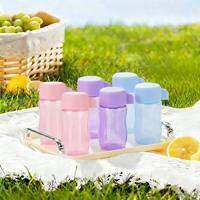
Tupperware | Mini Portable Cute Bottle 90ml
$33.63$52.16
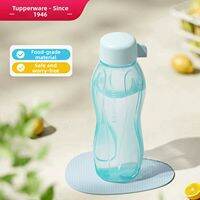
Tupperware | Portable Leak-Proof Water Bottle 310ml
$10.53$15.11
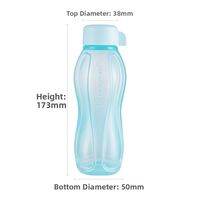
Tupperware | Portable Durable Leakproof Water Bottle
$12.77$25.63
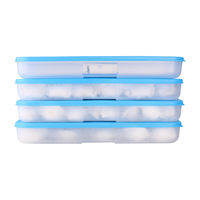
Tupperware | Food Grade Freezer Storage Box 1.3L
$84.23$138.50
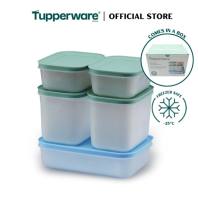
Tupperware Freezable 5pcs Container Set (2x450ml/1x1L/2x1.1L) TP0001
$60.00
Buy on LazadaTupperware | Cute Mini Water Bottle 90ml
$33.63$52.16
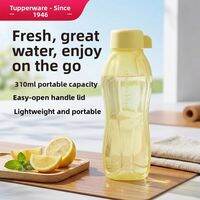
Tupperware | Portable Outdoor Sports Attractive Food-Grade Plastic Water Bottle 310ml
$11.13$15.71
About Tupperware
Tupperware is an American kitchenware brand best known for its reusable plastic food storage containers featuring airtight and leak-resistant seals. Since its introduction in 1946, the brand has become one of the most recognisable names in food storage globally, pioneering innovations in plastic household products and popularising the direct-selling “Tupperware Party” business model. Today, the Tupperware product range encompasses food storage containers, kitchen preparation tools, cookware, drinkware, lunch solutions, and home organisation items. Following the restructuring of its former parent company in 2024, the brand is now owned by a private investor group.1
Overview
- Brand Name: Tupperware
- Founded: 1946
- Founder: Earl Silas Tupper
- Headquarters: Orlando, Florida, United States
- Industry: Consumer goods / Kitchenware
- Products: Food storage containers, kitchen tools, drinkware, cookware, lunch boxes, and home organisation products
- Original Sales Model: Direct selling through independent consultants
- Current Sales Channels: Direct selling, online stores, and selected retail partners
- Official Website: Tupperware
History
The Beginning (1940s)
Tupperware was founded by inventor and chemist Earl Silas Tupper, who developed a durable plastic material using polyethylene. Inspired by the airtight lids used on paint cans, he created an innovative “burping seal” that kept food fresher by preventing air from entering containers. The company’s first successful product, the Wonderlier Bowl, was introduced in 1946 and quickly gained popularity for its lightweight, durable, and airtight design.2
The Tupperware Party Revolution
Although the products were innovative, early retail sales were disappointing as customers required demonstrations to understand how the airtight seal functioned.
The turning point arrived when Brownie Wise introduced the Tupperware Party. Rather than selling products in shops, independent sales consultants demonstrated them during home gatherings. These parties combined product demonstrations, social interaction, and direct sales.
This strategy became a cultural phenomenon during the 1950s and transformed Tupperware into one of the world’s most successful direct-selling companies. The model also provided entrepreneurial opportunities for many women, enabling them to earn income whilst working flexible schedules.3
Expansion
From the 1960s onwards, Tupperware expanded rapidly across Europe, Asia, Latin America, and Africa.
Over the decades, the company introduced:
- Food storage containers
- Microwave-safe products
- Kitchen preparation tools
- Beverage bottles
- Cookware
- Lunch boxes
- Refrigerator organisation systems
- Pantry storage solutions
At its peak, Tupperware operated in more than 100 countries and built one of the largest direct-selling networks in the world.4
Product Innovation
Tupperware became known for several key innovations:
- Airtight and leak-resistant sealing technology
- Durable, reusable food containers
- Modular kitchen storage systems
- Microwave cooking products
- Stackable container designs
- BPA-free food storage solutions
- Products designed to reduce food waste
The company has also developed products intended to improve food preservation and promote reusable alternatives to disposable containers.5
Brand Identity
Tupperware is recognised for:
- High-quality reusable plastic products
- Long-lasting durability
- Bright, colourful designs
- Innovative food storage technology
- Lifetime or long-term product warranties in many markets
- A strong community-based selling tradition
For many consumers around the world, “Tupperware” has become a generic term used to describe plastic food storage containers, even when referring to products made by other brands.6
Business Model
For decades, Tupperware relied on direct selling through independent consultants.
The traditional sales process involved:
- Hosting a Tupperware Party.
- Demonstrating products.
- Taking customer orders.
- Recruiting new consultants.
In recent years, the company expanded into e-commerce and retail partnerships whilst continuing to support independent sales representatives in many markets.7
Challenges
Beginning in the late 2010s, Tupperware experienced significant financial difficulties due to factors including:
- Increased competition from lower-priced brands
- Changing consumer shopping habits
- Declining popularity of home-party sales
- Higher operating costs
- Growth of online retail
In 2024, its parent company, Tupperware Brands Corporation, filed for Chapter 11 bankruptcy protection. The Tupperware brand and key operating assets were subsequently acquired by an investor group, allowing the brand to continue operating under new ownership.8
Sustainability
Tupperware positions itself as a brand focused on reducing single-use plastics by encouraging reusable food storage products. Its sustainability efforts include:
- Reusable containers
- Durable product design
- Food waste reduction through improved food preservation
- Development of recyclable materials where feasible
The company continues to emphasise longevity and reuse as part of its environmental strategy.9
Cultural Impact
Tupperware became more than a kitchenware brand; it evolved into a cultural icon.
The term “Tupperware Party” entered popular culture as a symbol of social selling and community gatherings. The business model is often cited as an early example of modern direct selling and network-based entrepreneurship.
The brand has also appeared in television shows, films, museums, and discussions of postwar consumer culture, reflecting its lasting influence on everyday life.10
Legacy
After nearly eight decades, Tupperware remains one of the world’s best-known kitchenware brands. Despite financial restructuring and changes in ownership, it continues to produce reusable food storage products and expand through online, retail, and direct-selling channels. Its innovations in airtight food storage and its pioneering party-based sales model have left a lasting mark on the kitchenware industry.11
References
- The Tupperware® Brand: A Legacy of Innovation, Empowerment, and Impact – Tupperware Brand
- Court approves Tupperware’s sale to lenders, paving way for brand’s exit from bankruptcy
- Tupperware
- Tupperware – from a US household brand to an indebted kitchenware maker
- About Tupperware|History & Commitments|Tupperware France – OOBO – TUPPERWARE FRANCE
- 80 Years of Fresh – Tupperware Brand
- An icon of plastic finds a home in Florida – Orange County Regional History Center
- 타파웨어 공식 온라인 스토어 | Tupperware Brands Korea
- 타파웨어 연혁 – 타파웨어 공식 온라인 스토어
- 브랜드 스토리 – 타파웨어 공식 온라인 스토어
- Tupperware® Official Site | Innovative Kitchen Products and More! – Tupperware Brand