Shop on Lazada
Ugg products
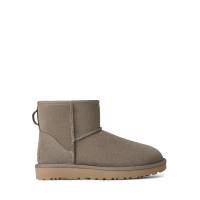
UGG Womens Classic Mini II Classic Boot - Cobble Grey (1016222-CBBLG)
$114.90$229.90
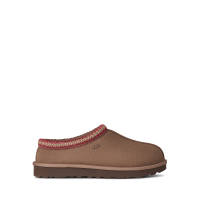
UGG Womens Tasman II Slipper - Rocky Oak (1174470-RYK)
$94.90$189.90
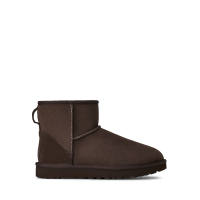
UGG Womens Classic Mini II Classic Boot - Dusted Cocoa (1016222-DDC)
$114.90$229.90
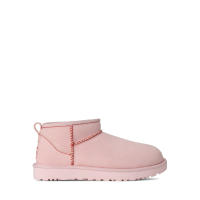
UGG Womens Classic Ultra Mini Love 26 Boots - Rosetta (1180872-RTT)
$114.90$229.90
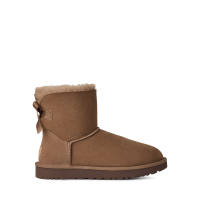
UGG Womens Mini Bailey Bow II Classic Boot - Rocky Oak (1016501-RYK)
$139.90$279.90
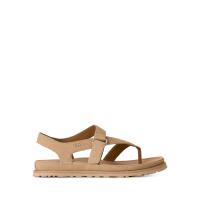
UGG Womens GoldenGaze Toe Post Sandal - Sand (1175134-SAN)
$89.90$179.90
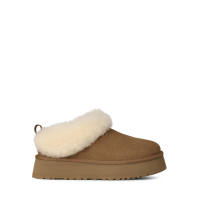
UGG Womens Tazzelle Slipper - Chestnut (1171393-CHE)
$229.90
Buy on Lazada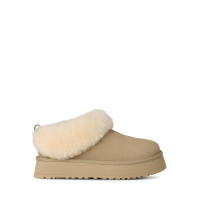
UGG Womens Tazzelle Slipper - Mustard Seed (1171393-MDSD)
$229.90
Buy on LazadaAbout Ugg
Brand Overview
Ugg is an American lifestyle and fashion brand recognised globally for its sheepskin and suede footwear, most notably the Classic Ugg boot. Although the brand’s aesthetic is closely linked to Australian sheepskin footwear traditions, the modern Ugg brand was established in Southern California by Australian surfer Brian Smith and has been owned by Deckers Brands since 1995.1 The brand has since expanded beyond its original boots to include shoes, slippers, sandals, apparel, accessories and home products, positioning itself as a premium lifestyle label centred on comfort, self-expression and distinctive design.
History and Founding
Origins in Surf Culture
The founding of Ugg is attributed to Brian Smith, an Australian accountant and surfing enthusiast who relocated to Southern California in the late 1970s. Observing that Australian surfers commonly wore sheepskin footwear for warmth after surfing, Smith identified a gap in the Californian market where such products were unavailable.2 He began importing and selling Australian-style sheepskin boots directly to consumers, initially operating from his van around Malibu after facing rejection from over 150 retail shops that did not view sheepskin boots as compatible with surfwear.3
Transition to Fashion
Throughout the 1980s, Ugg evolved from a niche post-surf product into a broader fashion item associated with warmth, comfort and casual California style. By the 1990s, the brand gained significant visibility through adoption by Hollywood celebrities and fashion personalities, transforming it from a functional surf accessory into a mainstream fashion symbol.4 This celebrity endorsement became a pivotal driver of the brand’s subsequent international growth.
Acquisition by Deckers Brands
In 1995, Deckers Brands acquired Ugg and developed it into a global business. Founded in Santa Barbara in 1973, Deckers grew from a surf-oriented footwear company into a multi-brand group, with Ugg becoming one of its principal assets alongside HOKA.6 Today, Ugg operates as a brand within the Deckers portfolio rather than as an independent publicly traded entity.
Product Portfolio
Footwear
Footwear remains the core category for Ugg. The range includes Classic boots, mini and ultra-mini silhouettes, slippers, loafers, moccasins, sneakers, sandals, platform footwear and collections for men and children. The brand has strategically expanded beyond cold-weather products to maintain relevance across all seasons, with specific growth in spring and summer offerings, men’s slip-ons and sneakers.5
Apparel and Accessories
Ugg offers clothing including sweaters, jackets, hoodies, loungewear, trousers and coats. The accessories line encompasses bags, scarves, gloves, hats, socks and other lifestyle items, allowing the brand to extend its comfort-focused aesthetic beyond footwear.
Home Products
The brand has extended into homewares, reinforcing its positioning as a comprehensive lifestyle concept rather than solely a footwear manufacturer.
Design Philosophy and Materials
Design Language
Ugg’s design identity is characterised by soft silhouettes, tactile materials and a casual aesthetic that prioritises physical comfort. The Classic boot’s distinctive shape functions as a visual signature, while contemporary collections incorporate platform soles, seasonal colours, collaborations and reinterpreted proportions to align with evolving fashion trends without abandoning the brand’s heritage.8
Material Sourcing
Sheepskin remains historically central to Ugg. According to Deckers’ fiscal 2025 reporting, sheepskin used in a significant portion of products is sourced primarily from Australia, with processing conducted at designated tanneries in China. Finished goods are manufactured through independent partners, predominantly in Southeast Asia. Modern collections also utilise suede, leather, wool, textiles, synthetic materials and recycled or preferred alternative materials, reflecting an increased focus on responsible sourcing.9
Sustainability and Corporate Responsibility
Ugg addresses animal welfare, material traceability, factory conditions and environmental impact through investments in recycled, renewable, regenerative and certified preferred materials. The brand audits Tier 1 manufacturing partners for human rights, health and safety compliance, while Deckers publishes broader corporate responsibility reporting covering environmental and social performance across its brands.9
Global Presence and Business Model
Ugg operates more than 130 concept and outlet stores worldwide, with key markets including New York, Los Angeles, Paris, London, Tokyo, Shanghai and Beijing. The brand distributes through direct-to-consumer channels, including e-commerce and retail stores, as well as wholesale partnerships with major international retailers.7
Within Deckers Brands, Ugg is positioned in the fashion and lifestyle segment, distinct from the performance running focus of HOKA. This diversification allows Deckers to serve varied consumer categories, with Ugg competing simultaneously against traditional footwear, fashion, comfort and lifestyle brands through a combination of recognisable design and comfort-led positioning.10
Cultural Significance
The Classic Ugg boot has maintained cultural relevance across multiple fashion cycles, from 2000s celebrity fashion and athleisure to Y2K revival and contemporary social media trends. Unlike many fashion products with short trend lifespans, the Ugg silhouette has remained recognisable for decades, demonstrating the brand’s ability to reinterpret heritage products for new generations while retaining its core identity.4
Timeline
| Year | Event |
|---|---|
| 1970s | Brian Smith moves to Southern California and identifies opportunity for sheepskin footwear in surf culture |
| 1978 | Ugg brand founded in Southern California |
| Late 1970s–1980s | Brand develops within California surf community |
| 1995 | Deckers Brands acquires Ugg |
| 1990s | Expansion beyond surf niche; celebrity and Hollywood visibility increases |
| 2000s | Classic Ugg boots become international fashion phenomenon |
| 2010s | Portfolio expands into broader footwear, apparel and accessories |
| 2020s | Renewed fashion relevance; expansion of silhouettes, categories and seasonal products |
| 2025–2026 | Ugg remains one of Deckers’ two principal global brands alongside HOKA |
References
- Our Story | UGG
- About Us – UGG Australia
- UGG | Shop Boots, Slippers & Shoes – Undeniably Authentic | UGG
- About UGG | UGG
- The Authentic History of UGG Boots | UGG Australia® continues the 250
- Fashion Lifestyle and Performance Footwear Brands | Deckers Brands
- UGG | Shop Boots, Slippers & Shoes – Undeniably Authentic | UGG
- Product Education | UGG
- Our Story: Australia’s Last Sheepskin Tannery Since 1981 – UGG Australia
- UGG®︎ | Deckers Japan G.K. recruitment information