Shop on Lazada
WD-40 products
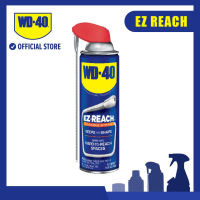
WD-40® Multi-Use Product Series Penetrant & Lubricant Spray Stain Remover
$34.90
Buy on Lazada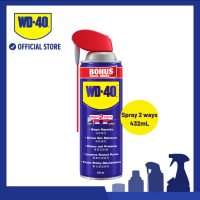
WD-40® Multi-Use Product Smart Straw - Penetrant & Lubricant Spray Stain Remover
$18.95
Buy on Lazada![[BUNDLE OF 12] WD-40® Multi-Use Product Smart Straw 432ml Penetrant & Lubricant Spray Stain Remover](https://sg-live.slatic.net/p/a362e74b177371c80ea650b563bcffc3.png_200x200q80.jpg)
[BUNDLE OF 12] WD-40® Multi-Use Product Smart Straw 432ml Penetrant & Lubricant Spray Stain Remover
$181.90$227.40
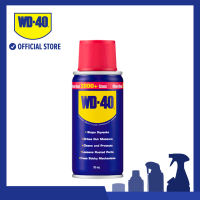
WD-40® Multi-Use Product 70ml Penetrant & Lubricant Spray Stain Remover
$7.50
Buy on Lazada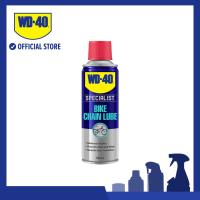
WD40 Bike Chain Lube 180ml - Prevents corrosion & provides long lasting lubrication for bicycle WD-40 Specialist® Bike
$24.90
Buy on Lazada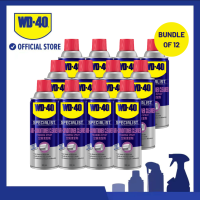
WD-40 Specialist Air Conditioner Cleaner 360mL – Professional DIY Foam Coil Cleaner & Disinfectant
$134.10$178.80
![[BUNDLE OF 2] WD40 Bike Degreaser 300ml - Remove stubborn grease and grime from bicycle parts WD-40 Specialist® Bike](https://sg-live.slatic.net/p/e9ce5c2b8ca7c6e09005ebd7e95f5623.jpg_200x200q80.jpg)
[BUNDLE OF 2] WD40 Bike Degreaser 300ml - Remove stubborn grease and grime from bicycle parts WD-40 Specialist® Bike
$37.20$43.00
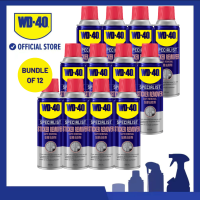
WD-40 Specialist Easy-Remove Glue & Label Remover 200mL - Fast-Drying Adhesive Cleaner Sticker Remover
$134.10$178.80
About WD-40
WD-40 is one of the world’s most recognisable maintenance and household product brands, best known for its signature WD-40 Multi-Use Product. This spray is designed to protect metal from rust and corrosion, displace moisture, lubricate moving parts, loosen stuck components, and remove grease and grime. The brand is owned by WD-40 Company, a publicly traded American company headquartered in San Diego.1
Overview
| Attribute | Details |
|---|---|
| Brand Name | WD-40 |
| Company | WD-40 Company |
| Founded | 1953 |
| Headquarters | San Diego, California, USA |
| Original Company Name | Rocket Chemical Company |
| Industry | Consumer chemicals, maintenance products |
| Main Product | WD-40 Multi-Use Product |
| Markets | Household, automotive, industrial, marine, aerospace, agriculture, construction |
| Availability | Sold in more than 170 countries |
Name Origin
The name WD-40 stands for:
- WD = Water Displacement
- 40 = The 40th formula created during development
The product’s inventors made 39 unsuccessful attempts before perfecting the formula on the 40th try. That laboratory designation became the official product name and has remained unchanged ever since.2
History
Early Development (1953)
WD-40 originated in 1953 when the Rocket Chemical Company, a small startup with only three employees, sought to develop a rust-prevention and water-displacing chemical for the aerospace industry.
The company’s first major customer was Convair, an aerospace manufacturer which used WD-40 to protect the outer skin of the Atlas missile from corrosion caused by moisture.3
Consumer Launch (1958)
After employees began taking the product home because of its usefulness, company founder Norm Larsen realised it had consumer potential.
The product was packaged in aerosol cans and first appeared on retail shelves in San Diego in 1958, marking the beginning of its commercial success.4
Expansion
During the 1960s:
- Sales expanded across the United States.
- Employees sold products directly to hardware stores.
- WD-40 became widely used after Hurricane Carla (1961) to restore water-damaged vehicles and machinery.
- The company began international expansion through licensing agreements.
Company Renaming
In 1969, Rocket Chemical Company officially changed its name to WD-40 Company, reflecting the overwhelming popularity of its flagship product.
The company became publicly traded in 1973.5
Functions
WD-40 is often mistaken for being only a lubricant, but it performs several functions:
Water Displacement
Removes moisture from metal surfaces and electrical components.
Rust Prevention
Leaves a protective film that helps prevent corrosion.
Lubrication
Reduces friction between moving parts.
Penetration
Loosens rusted nuts, bolts, hinges and fasteners.
Cleaning
Helps dissolve grease, adhesive residue, dirt and grime.
Common Applications
WD-40 is widely used for:
- Door hinges
- Locks
- Bicycle maintenance
- Automotive repairs
- Garage tools
- Lawn equipment
- Marine equipment
- Industrial machinery
- Firearms maintenance (where appropriate and according to manufacturer guidance)
- Home maintenance
- Electrical moisture removal (with appropriate safety precautions)
Product Lines
Today, the WD-40 brand includes multiple product families:
WD-40 Multi-Use Product
The original blue-and-yellow aerosol can.
WD-40 Specialist
A professional-grade line offering products such as:
- Silicone lubricant
- White lithium grease
- Contact cleaner
- Degreaser
- Dry lubricants
- Penetrating oil
- Rust remover
- Corrosion inhibitor
WD-40 BIKE
Introduced in 2012, this line focuses on bicycle-specific maintenance products, including chain lubricants and cleaners.6
Secret Formula
One of WD-40’s defining characteristics is its closely guarded formula.
Although safety data sheets disclose broad classes of ingredients for regulatory purposes, the exact proportions and complete formulation remain proprietary. The company has stated that the original formula has remained essentially unchanged since its invention, and only a small number of executives know the complete recipe.7
Global Presence
WD-40 has become a global brand used across many industries, including:
- Automotive
- Manufacturing
- Construction
- Aviation
- Agriculture
- Marine
- Home improvement
- Sporting goods
The company reports that its products are sold in more than 170 countries, making WD-40 one of the most widely distributed maintenance brands in the world.8
Brand Identity
The classic WD-40 can is instantly recognisable by its:
- Blue body
- Yellow panel
- Red cap
The design has changed only slightly over the decades, making it one of the most enduring product identities in consumer goods.
Interesting Facts
- The formula was perfected on the 40th attempt.
- The product was originally created for the aerospace industry, not household use.
- The original formula has remained in use for over 70 years.
- The company was renamed after its only product because of that product’s success.
- WD-40 is often cited as one of the most recognisable maintenance brands worldwide.9
Legacy
WD-40 has evolved from a specialised aerospace corrosion-prevention solution into a globally recognised household and industrial maintenance brand. Its combination of practical utility, distinctive branding and consistent product identity has made it a staple in workshops, garages, factories and homes around the world for decades.10
References
- History – WD-40 Company
- WD-40 History | Learn the Stories Behind the WD-40 Brand | WD-40
- Our History – WD-40 Philippines
- The Secret Society of People Who Know the Formula for WD-40
- WD-40 History | Learn the Stories Behind the WD-40 Brand
- The Journey of How The WD-40 Brand Became A Pop Culture Icon | WD-40
- The Story of WD-40® Brand | WD-40
- About WD-40 | Specialist Spray and Rust Stain Remover | WD-40
- WD-40® Brand Wrapped | WD-40
- WD-40 Newsroom: Updates, Stories & Brand Highlights | WD-40